



Altoona to add brake, emissions testing
Altoona's Bus Research and Testing Center, which features a durability test track, will begin analyzing emissions in chassis-based performance of vehicles.
The Altoona Bus Research and Testing Center in University Park, Pa., is currently preparing to add brake and emissions testing capabilities to its already thorough list of safety, structural integrity and durability, reliability, performance, maintainability, noise and fuel economy tests.
“What we’ll be doing is not an actual certification test, but a test of chassis-based performance,” explained David Klinikowski, director, of the Center for Bus Research and Testing at the Thomas D. Larson Pennsylvania Transportation Institute at Penn State University. “Once you put the engine in the vehicle and run it in that configuration, you’ll get an idea of the emissions on a grams-per-mile basis.”
Funding for the already built 10,000-square-foot laboratory — approximately $2.5 million to set up — will come from funds received under SAFETEA-LU and is already in place. The Center has also ordered and is expecting delivery of all necessary equipment by early 2009, however, when the Center will actually begin testing vehicles is still unknown.
“Start testing depends on when the FTA issues the Notice of Proposed Rulemaking and what sort of phase and date they determine,” said Klinikowski. “All of that is undetermined at this point.”
Since the building is already established and funding will come from the federal government, the costs of creating and maintaining the Center will not be passed on to the manufacturers that send their vehicles to be tested. In fact, the cost for emissions and brake testing will follow the same 80/20 model, where the manufacturer pays 20 percent upfront and the FTA gets billed for the remaining 80 percent, said Klinikowski.
The new emissions and brake laboratory will be compatible with EPA 2010 requirements and test for particulates, carbon monoxide, hydrocarbons and NOx. Protocols for emissions testing are being developed in tandem with West Virginia University.
Meanwhile, brake testing will be designed to identify any potential problems with performance and will not be a replacement for the FMVSS-121-type testing, which means that all vehicles coming in to be tested must already comply with those standards, said Klinikowski.
The Center, established in 1989 and opened in 1990 with funding from The Surface Transportation and Uniform Relocation Assistance Act, has tested 320-plus vehicles to date.
Through its various tests, the facility provides objective test data in a variety of areas that transit agencies can then view in PDF-form via the Altoona Website (www.altoonabustest.com) and use during the procurement process. It also enables manufacturers to simultaneously run their own tests that can be used to improve the performance of their vehicles. All findings are confidential until testing is complete.
“The requirement is that anybody that receives federal money, whether it flows directly from the FTA as a grant or through the state, has to certify that they have a copy of the report before federal funding is released,” Klinikowski explained. What this means is that vehicle manufacturers have to test their vehicles if they want to compete in the transit industry market.
The vehicles tested must be a production model, licensed for over-the-road travel and manufacturers have to certify that it meets all federal safety standards.
Klinikowski added that the testing provides positive benefits for everybody involved, from the manufacturer to the transit agency to the general public.
“As a result of this program, the cost and reliability of the buses have both been improved,” he said. “If you can identify potential fleet failures before they occur, you save major problems, therefore, the service goes up, reliability goes up, the costs for taxpayers go down and there are obvious safety benefits.”
More Management

Joshua Schank on Transportation Innovation, Risk, and the Future of Mobility
In this edition of METROspectives, Joshua Schank discusses lessons from launching LA Metro’s Office of Extraordinary Innovation, the challenges of advancing new mobility technologies, and much more.
Read More →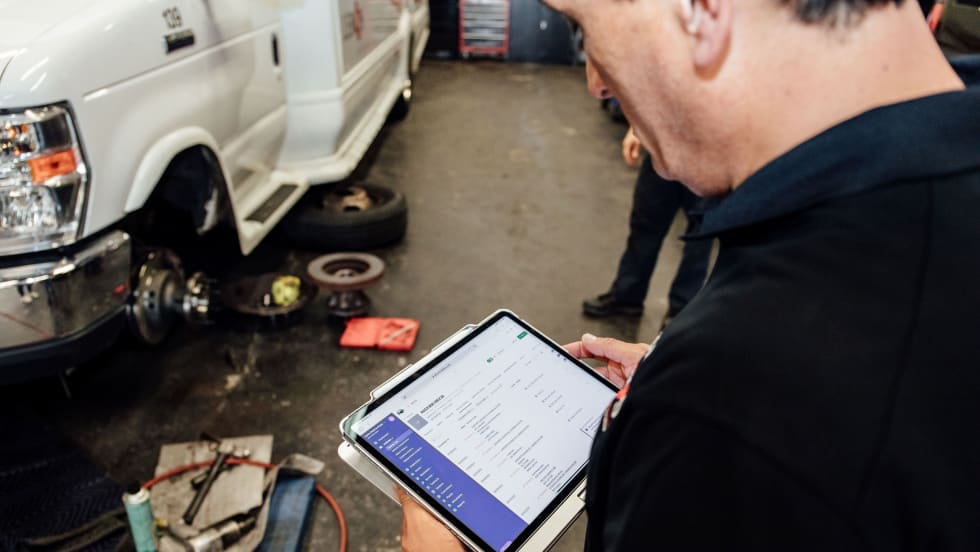
Reinventing Fleet Maintenance with Real-time Visibility and AI
Transit leaders need to know what needs fixing, where to look, who is responsible, when work is completed, and what it costs without having to chase information across disconnected systems.
Read More →
Alstom Acquires Delaware Site to Support Amtrak NextGen Acela Fleet
The company is investing more than $55 million to acquire and improve the property and will employ approximately 100 people at this site once it is operational.
Read More →
SamTrans Sets Priorities for Potential Connect Bay Area Revenue
The board-approved framework allocates future funding to maintaining service, rider improvements, equity initiatives, and infrastructure repairs.
Read More →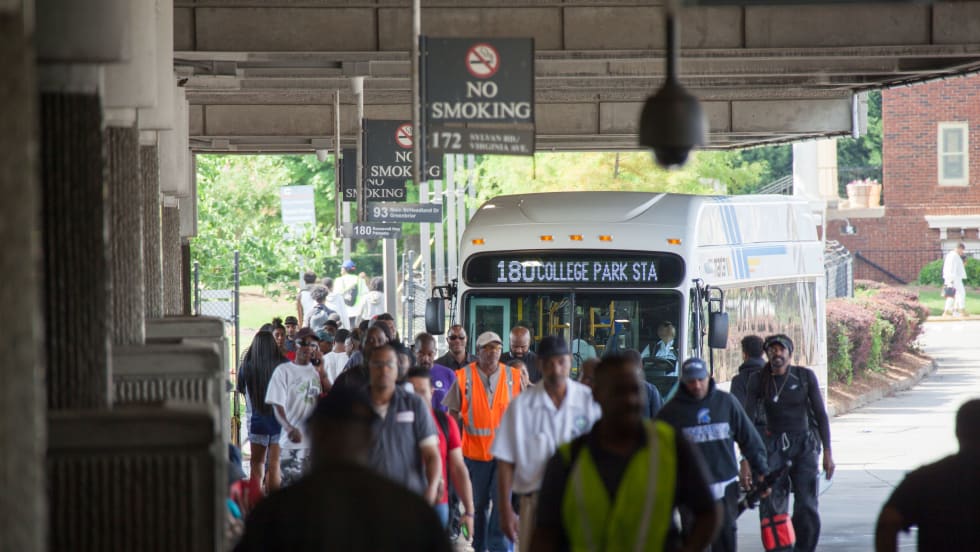
Federal Transit Officials Launch MARTA Safety Probe
FTA has given MARTA 15 days to provide records on crime prevention, fare evasion enforcement, and security funding as part of a broader safety investigation.
Read More →
ABA's Ferguson Testifies in Support of BUS Act, National Standards for Bus Operators
The BUSES Act would create a nationwide framework preventing state and local governments from enforcing bus idling restrictions of less than 15 minutes, a threshold consistent with existing Environmental Protection Agency guidance.
Read More →
When Routine Fails: How Public Transit Must Adapt for the World Cup
The 2026 FIFA World Cup will test transit agencies’ ability to manage unpredictable travel patterns, making real-time data and operational flexibility critical to moving millions of visitors efficiently.
Read More →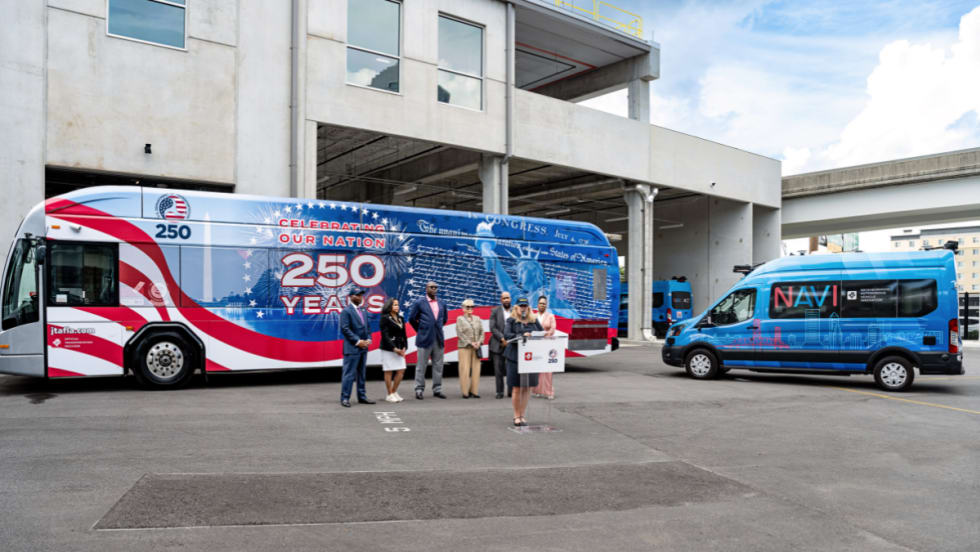
Florida’s JTA Puts Innovation in Motion Ahead of America250
The agency unveiled a commemorative America250 bus during a visit from U.S. DOT's Seval Oz and showcased its autonomous mobility programs.
Read More →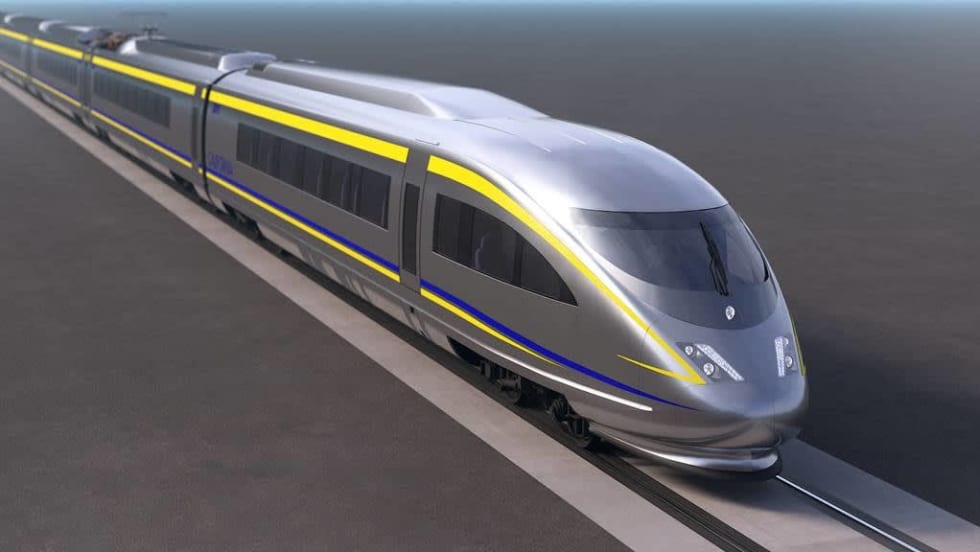
California Selects Team for Nation’s First True High-Speed Rail Track and Systems Contract
The board action follows completion of track installation at the 150-acre southern railhead in Kern County, which will serve as the staging and distribution hub for high-speed track and systems installation.
Read More →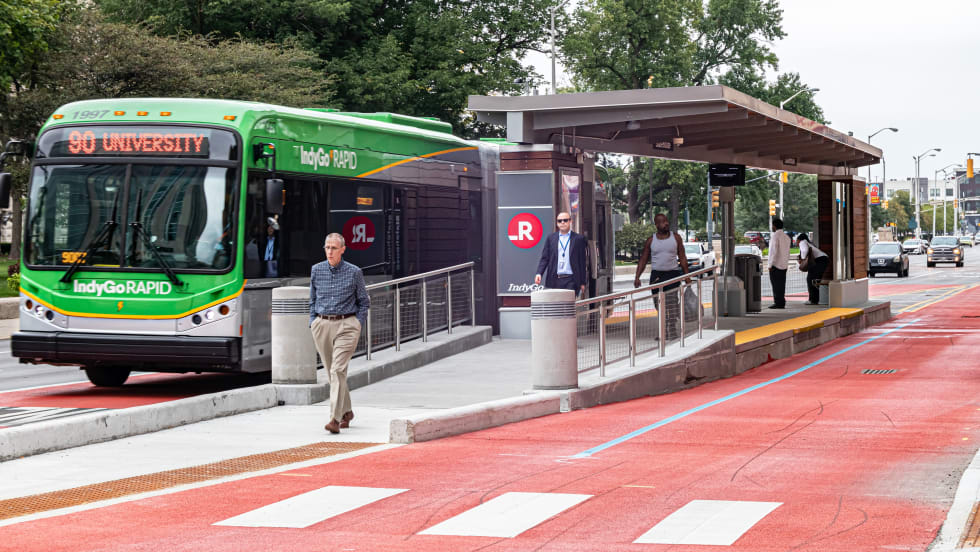
IndyGo, Cleveland RTA Expand Digital Fare Payment Options with Masabi
The new systems combine mobile apps, smart cards, and automatic fare capping to simplify payments, expand flexibility, and help riders access the lowest available fares.
Read More →