



Technology's impact has multiple dimensions and challenges
As we look to expand the industry and procure new equipment to meet the growing demand for public transportation, governments and agencies must fund the talent side of our growing need.
Anyone who has observed this industry even half as long as I must be struck by the radical changes that have taken place in public transportation. Thanks to advances both inside and outside this industry, people with a simple Blackberry or other handheld device now can look up when their bus or train will arrive at their station or stop. Those who work on this equipment can also run a diagnostic program and check the status of systems on these buses or trains. The result is a much more reliable fleet and savings of thousands of staff hours annually.
Series of challenges
But, technology presents a series of challenges as well. Perhaps the most important of these is agency staff keeping up with the training necessary to understand how to get the most out of these innovations, and what to do if something goes wrong. Of course, this training can often be provided by the equipment supplier as part of the procurement contracts, but the time to take the training is a cost that must be borne by the agencies, which is considered to be an operating expense. Funds to cover these expenses compete with other operating needs such as rising fuel prices and healthcare costs.
Technology has challenges to the private sector side of the industry as well. Expertise to provide the above-mentioned training or even to design and manufacture sophisticated technology is becoming harder to hire, as there is a growing shortage of engineers and other technical talent. Much of this talent is competed for by other industries with deeper pockets.
Meet growing demand
As we look to expand the industry and procure new equipment to meet the growing demand for public transportation, governments and agencies must fund the talent side of our growing need. Both the stimulus bills and authorization legislation that Congress is considering this year must fund the staff recruitment, retention and training needed by our industry to keep up with the technology.
This must begin with funding training as a legitimate capital expense, eligible for federal funding. Ideally, provisions of this legislation should include funding for training and workforce development, not just allowing existing funds to be spent on these needs.
The promise of technology allows public transportation to do things unimaginable even a few years ago. But that’s just the point: because they were not imagined, our programs have not kept pace with such rapid change. It’s time to correct this, because the challenges will only get greater.
More Paratransit
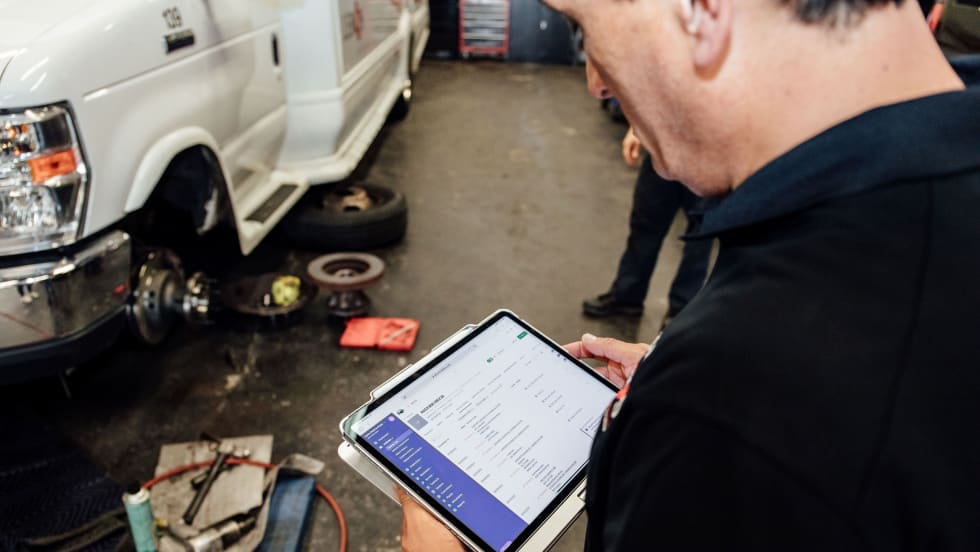
Reinventing Fleet Maintenance with Real-time Visibility and AI
Transit leaders need to know what needs fixing, where to look, who is responsible, when work is completed, and what it costs without having to chase information across disconnected systems.
Read More →
SamTrans Sets Priorities for Potential Connect Bay Area Revenue
The board-approved framework allocates future funding to maintaining service, rider improvements, equity initiatives, and infrastructure repairs.
Read More →
Chicago's NITA Act Moves Into Next Phase as Service Improvements Begin
Rider-focused improvements will begin rolling out across the system immediately as CTA, Metra, and Pace increase service this summer in the six-county region.
Read More →
A True Low-Floor Minibus Design Delivers Better Accessibility and Efficiency for Everyone
As transit demands evolve, so should your fleet. Download the whitepaper to see how the Low-Floor Frontrunner Minibus compares to traditional options.
Read More →
2026 METRO Buyer’s Guide & Directory
Searching for the right vehicles, technology, equipment, or services for your public transit or motorcoach operation? This industry guide brings together manufacturers and suppliers from across the transportation market — all in one place. Download it to connect with the companies that help agencies and operators improve mobility, enhance operations, and move their organizations forward.
Read More →
Rays the Mark Foundation to Honor CDTA’s Emily DeVito at October Fundraiser
Event at Chicago-area Ravisloe Country Club will support DeVito, a transit employee and mother of twins battling kidney failure and awaiting a transplant.
Read More →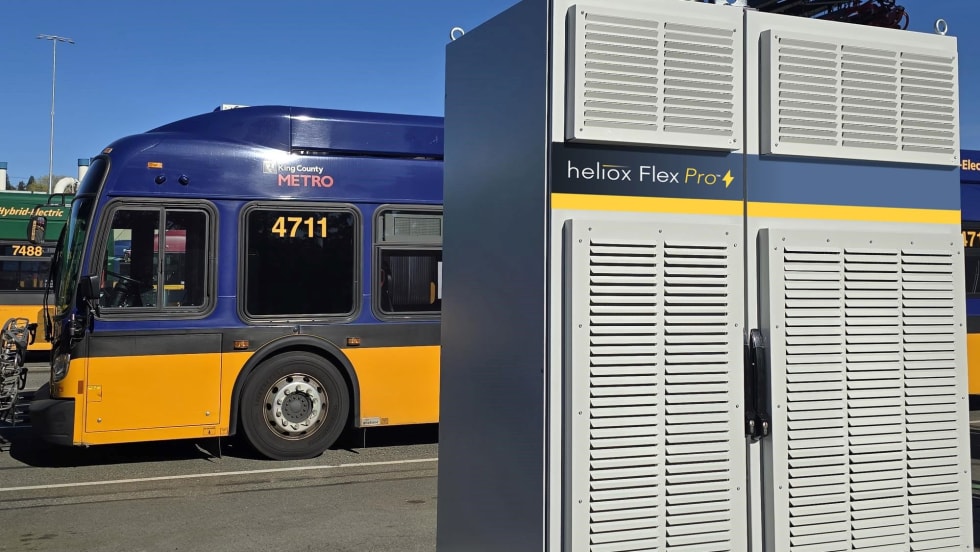
King County Test Heliox Chargers, Keolis Lands California Contract Top Biz Briefs
Stay informed with these quick takes on the projects and companies driving progress across the transportation landscape.
Read More →
Spare Expands AI-Native Operations Platform With Fixed-Route Capabilities
The launch marks a major milestone in Spare’s vision for unified transit operations.
Read More →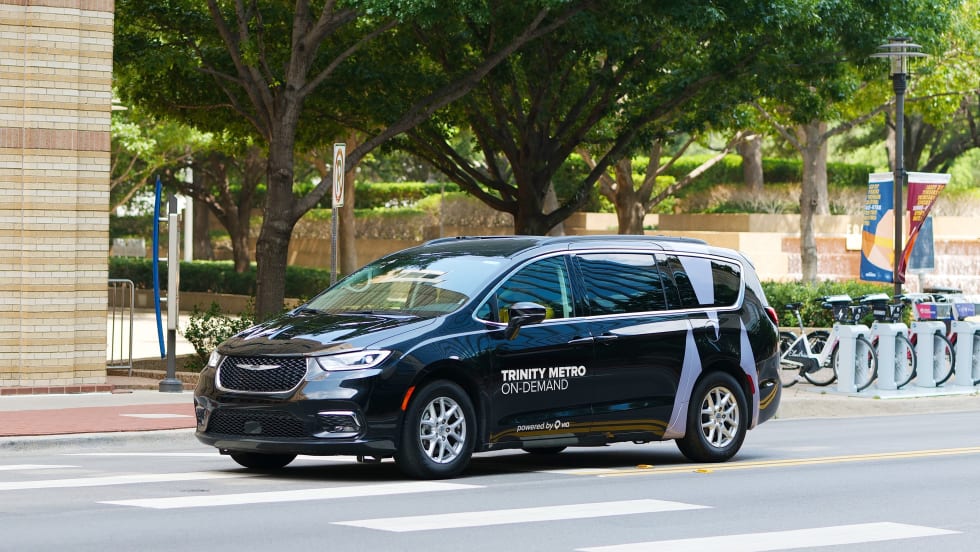
Via Announces Scheduling and Supply Studio
The Scheduling and Supply Studio provides the world’s first fully integrated platform for optimizing vehicle and driver availability to rider demand, said company officials.
Read More →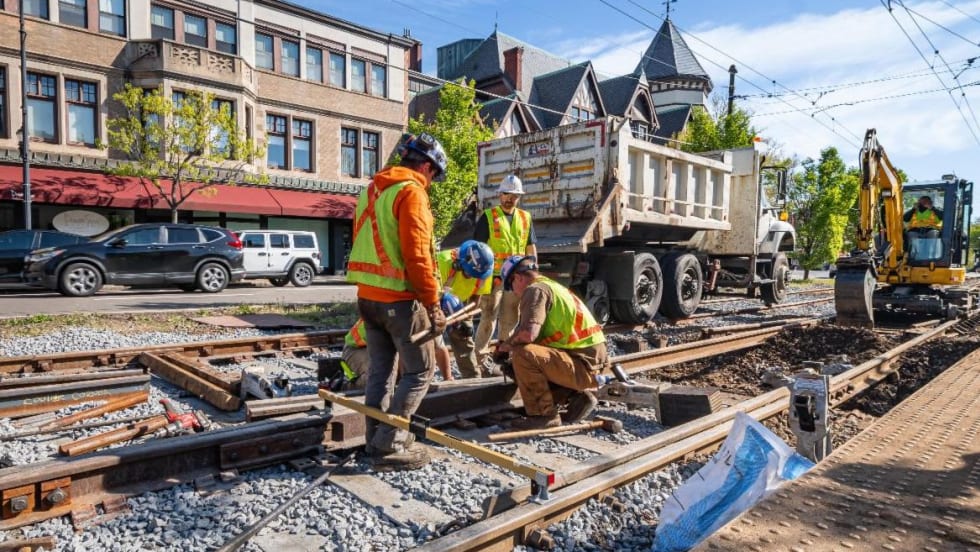
Boston's MBTA Completes Latest Green Line Work
The work took place during 12 consecutive days of shuttle bus service replacement between Kenmore and Cleveland Circle.
Read More →