



Transit agencies in financial straits over AIG collapse
Many of the Silo/Lilo deals that AIG insured included buses or railcars, which transit agencies sold to investors, providing a much-needed cash boost.
More than 30 transit agencies are on the line for an estimated $2 billion to $4 billion due to the collapse of insurance giant American International Group Inc. (AIG).
Despite numerous pleas, including a meeting between 11 of the nation’s
top transit agencies with congressional leaders in November, the federal government has yet to step in and help.
On the brink of bankruptcy, AIG received a federal bailout in September to the tune of $85 billion. The company’s failure resulted in the loss of their AAA-bond rating, forcing transit agencies to look for another insurer as well as making them accountable for millions to investors for balances on leases.
AIG was the insurer for several transit leasing agreements known as sale-in/lease-out and lease-in/lease-out (SILO/LILO) transactions, which were promoted by the FTA from the late 1980s through 2003, as an innovative, legal way for public transit systems to gain additional revenue.
“Basically, the transit agencies would essentially sell to investors (banks) capital assets, such as railcars, the investors would pay the agency for the railcars and the agency would lease the railcars back from the owner,” says Rob Healy, VP, government affairs, for APTA, of the SILO/LILO transactions. “At the end of the lease term, the assets would default back to the transit agency, which was all part of the contract.”
Healy added that the agencies would make about 5 percent to 10 percent off the total deal, which they would put into Treasury bills that were then used to make the payments back to the investors. Those securities needed to then be guaranteed by an AAA-rated insurer — in many cases AIG. But the deals, which enabled banks to shelter large amounts of income from federal taxes, have been banned by the government since 2004, with the IRS giving firms until the end of the year to terminate these tax shelters. Therefore, with agencies going into technical default because of the lack of insurance, many banks are trying to collect as much money as possible from those agencies, in some cases hundreds of millions.
“Eight of our ten lease transactions involve AIG and seven are affected by the downgrade,” explains Terry Matsumoto, chief financial officer for the Los Angeles County Metropolitan Transportation Authority. “Our total exposure, if they went badly, would be $165 million plus legal expenses.”
Following unfavorable insurance quotes and pressure to immediately pay back $43 million after going into technical default, the Washington Metropolitan Area Transit Authority (Metro) and Belgian bank KBC Group reached an undisclosed settlement, essentially helping Metro avoid cutting services or raising fares, which is what many agencies say they would have to do if forced to pay the entire sum of their remaining deals.
Still, the contingent that met with congressional leaders in November say that the best chance of ending this saga is for the U.S. Treasury to back the loans, especially since the FTA itself approved and promoted the deals in its “Innovative Financing Handbook,” originally circulated in the 1990s.
Along with the FTA’s condoning of these deals, Matsumoto feels that it makes sense for the federal government to back a deal since they already own 80 percent of AIG, there is little risk and there is no additional cost to taxpayers.
“Those Treasury bills that were put on deposit are sufficient to meet the obligations, as long as the deals stay in place and are allowed to run until the end of their course,” Matsumoto said. “There would be neither further cost on behalf of the transit agency nor to the government if the government would simply step in and guarantee these deals. The government doesn’t have to come up with any money and is taking little or no risk.”
No solution has yet been reached.
More Bus
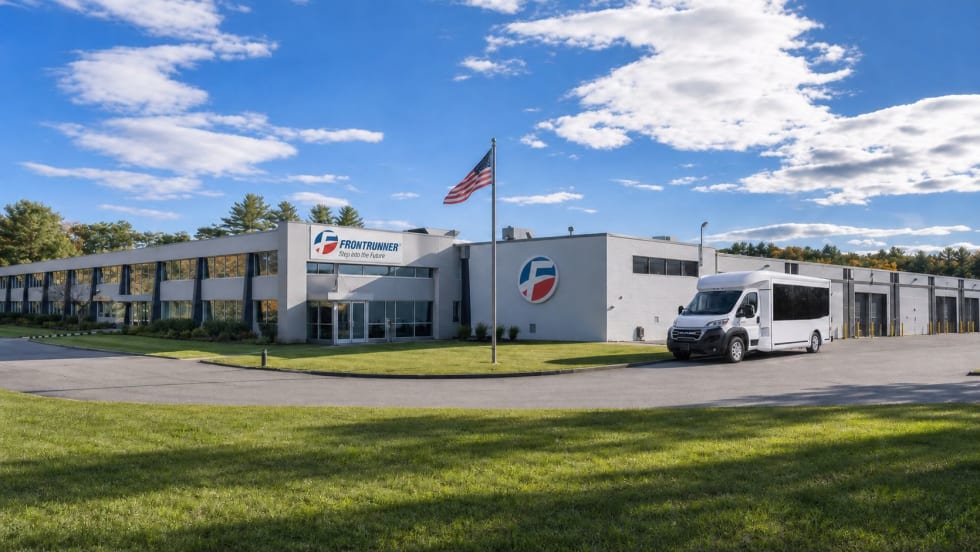
Frontrunner Bus Group Expands with New Massachusetts Headquarters
The significantly larger facility will provide the infrastructure needed to support the company’s growing workforce, advanced technologies, and expanding product line.
Read More →
Joshua Schank on Transportation Innovation, Risk, and the Future of Mobility
In this edition of METROspectives, Joshua Schank discusses lessons from launching LA Metro’s Office of Extraordinary Innovation, the challenges of advancing new mobility technologies, and much more.
Read More →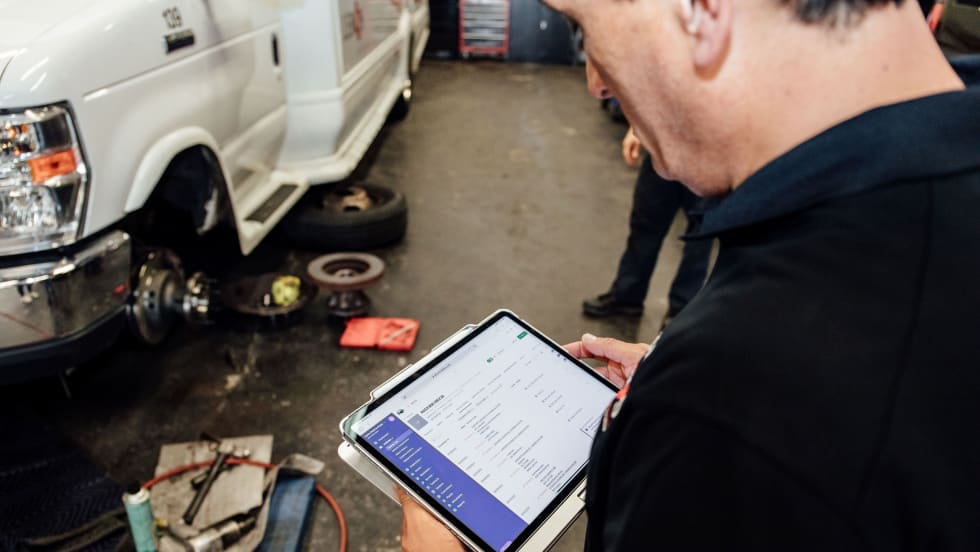
Reinventing Fleet Maintenance with Real-time Visibility and AI
Transit leaders need to know what needs fixing, where to look, who is responsible, when work is completed, and what it costs without having to chase information across disconnected systems.
Read More →
SamTrans Sets Priorities for Potential Connect Bay Area Revenue
The board-approved framework allocates future funding to maintaining service, rider improvements, equity initiatives, and infrastructure repairs.
Read More →
When Routine Fails: How Public Transit Must Adapt for the World Cup
The 2026 FIFA World Cup will test transit agencies’ ability to manage unpredictable travel patterns, making real-time data and operational flexibility critical to moving millions of visitors efficiently.
Read More →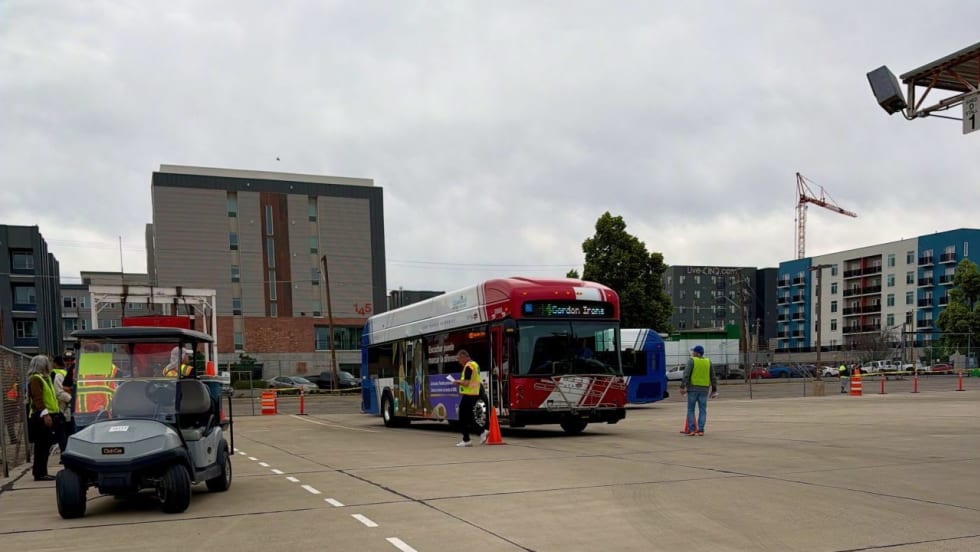
Photo Highlights from APTA's 2026 Mobility Conference
The photo gallery captures scenes from the conference, including the International Bus Roadeo, exhibit hall activities, the Bus Showcase, and much more.
Read More →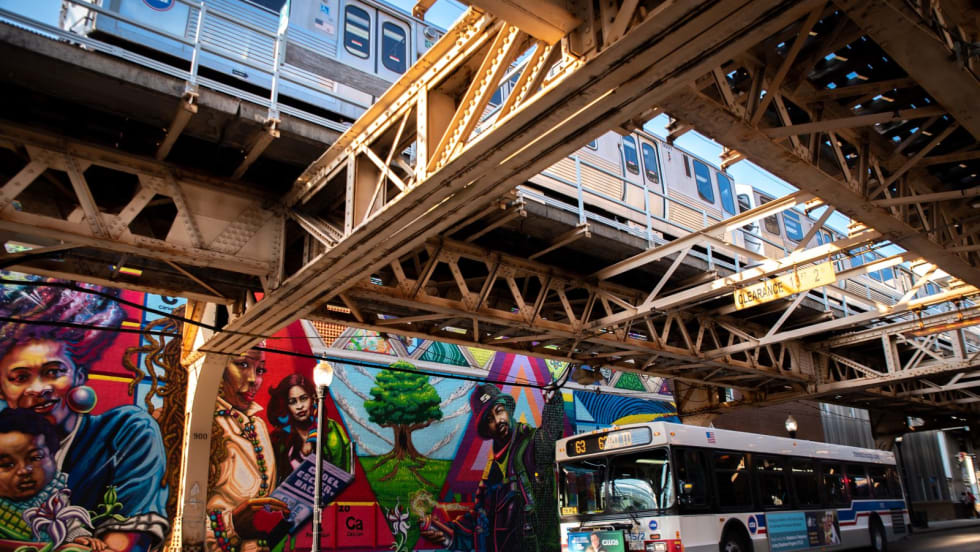
Chicago's NITA Act Moves Into Next Phase as Service Improvements Begin
Rider-focused improvements will begin rolling out across the system immediately as CTA, Metra, and Pace increase service this summer in the six-county region.
Read More →
Philadelphia's SEPTA Approves Annual Transit Service Plan
Between 2021 and 2024, SEPTA held more than 200 public meetings — including 144 in-person sessions — throughout the SEPTA service region.
Read More →
A True Low-Floor Minibus Design Delivers Better Accessibility and Efficiency for Everyone
As transit demands evolve, so should your fleet. Download the whitepaper to see how the Low-Floor Frontrunner Minibus compares to traditional options.
Read More →
WMATA Debuts 'Fares Pay for Service' Awareness Campaign
The campaign was highlighted during a media event at the Paul S. Sarbanes Transit Center in Silver Spring, where WMATA’s GM/CEO Randy Clarke joined Metro Transit Police officers, WMATA management team, board members, and staff to expand fare enforcement and customer education efforts on Metro Bus routes throughout the region.
Read More →