



TriMet to build first multi-use transit bridge in U.S.
TriMet has chosen a cable-stayed bridge type and is in the design phase in its work on a bridge that will connect both sides of the Williamette River with transit and pedestrian access.
TriMet, in conjunction with the City of Portland, is constructing a bridge that will accommodate buses, light rail and a potential future streetcar extension; and will have bike and 14-feet wide pedestrian paths on both sides across the Willamette River. No cars will be allowed on the structure.
The bridge will be the first to be built across the Willamette River in 35 years, and will likely be the only bridge of its kind in the U.S. when completed, according to the TriMet Website.
TriMet worked with a citizens' committee, led by former Portland mayor Vera Katz, for approximately one-and-a-half years with different stakeholders and partners from both sides of the Willamette River, including designers, architects and engineers.
The committee hired Rosales + Partners and HNTB for phase one, to help select a bridge type, and reviewed nearly a dozen different designs, from concrete to segmented, said Mary Fetsch, communications director, TriMet. They eventually decided on the cable-stayed bridge type. "We were looking for something that was functional, affordable, and aesthetically appropriate to the site and its uses," she added.
The committee is currently moving into a more advanced and detailed design phase, with HNTB and San Francisco Bay Area-based MacDonald Architects, which has worked on signature bridges worldwide, including the Golden Gate Bridge and the Bay Bridge.
As the design phase moves forward, the committee is working with water users to determine the height from the top of the water to the base of the bridge, since the bridge will not have lifting capability. The tower height will be 180 feet.
The design phase will be complete in approximately 10 months, Fetsch estimated. The projected budget at press time was $110 million.
TriMet and the City of Portland decided to construct a transit bridge because the street network and infrastructure on either side of the Willamette River cannot handle the influx of cars. To prevent cars from using the bridge, there will be a dedicated lane for trains only as they approach the bridge.
Since the bridge will have its own right-of-way, Fetsch said, it will promote ridership, because the transit provided will offer more efficient travel times.
A quick trip on the transit bridge will put the heart of downtown just minutes away, she added. The Green light rail line at the south end of downtown, which will open in September, has Portland State University (PSU), the busiest destination in the entire transit district, as its southern terminus. That line will take riders to the Portland-Milwaukie line, which will start at PSU, cross the bridge and go to the South Waterfront area. The two lines are key to providing more access to bustling areas with lots of growth potential.
On the west side of the river, in the South Waterfront area, Fetsch said that significant job growth is expected - with more than 9,900 residents and 13,600 jobs in that corridor alone - by the year 2030.
On the east side, there are approximately 900,000 visitors each year to the Oregon Museum of Science and Industry (OMSI). "They expect about 1.5 million annually, as this area develops," Fetsch noted. In addition, the bridge will be near the Portland Streetcar and within a half a mile of the Portland Aerial Tram, which stops at Oregon Health and Sciences University (OHSU), where education and healthcare facilities are located.
Fetsch predicts that because the bridge will be in such close proximity to downtown, it will be a destination in and of itself.
"It's just a great opportunity to take in our beautiful city. ...this bridge will be one of those places that, [when] people come into town, [they] will want to bike across, walk across and just see the skyline."
More Bus
Frontrunner Bus Group Expands with New Massachusetts Headquarters
The significantly larger facility will provide the infrastructure needed to support the company’s growing workforce, advanced technologies, and expanding product line.
Read More →
Joshua Schank on Transportation Innovation, Risk, and the Future of Mobility
In this edition of METROspectives, Joshua Schank discusses lessons from launching LA Metro’s Office of Extraordinary Innovation, the challenges of advancing new mobility technologies, and much more.
Read More →
Reinventing Fleet Maintenance with Real-time Visibility and AI
Transit leaders need to know what needs fixing, where to look, who is responsible, when work is completed, and what it costs without having to chase information across disconnected systems.
Read More →
SamTrans Sets Priorities for Potential Connect Bay Area Revenue
The board-approved framework allocates future funding to maintaining service, rider improvements, equity initiatives, and infrastructure repairs.
Read More →
When Routine Fails: How Public Transit Must Adapt for the World Cup
The 2026 FIFA World Cup will test transit agencies’ ability to manage unpredictable travel patterns, making real-time data and operational flexibility critical to moving millions of visitors efficiently.
Read More →
Photo Highlights from APTA's 2026 Mobility Conference
The photo gallery captures scenes from the conference, including the International Bus Roadeo, exhibit hall activities, the Bus Showcase, and much more.
Read More →
Chicago's NITA Act Moves Into Next Phase as Service Improvements Begin
Rider-focused improvements will begin rolling out across the system immediately as CTA, Metra, and Pace increase service this summer in the six-county region.
Read More →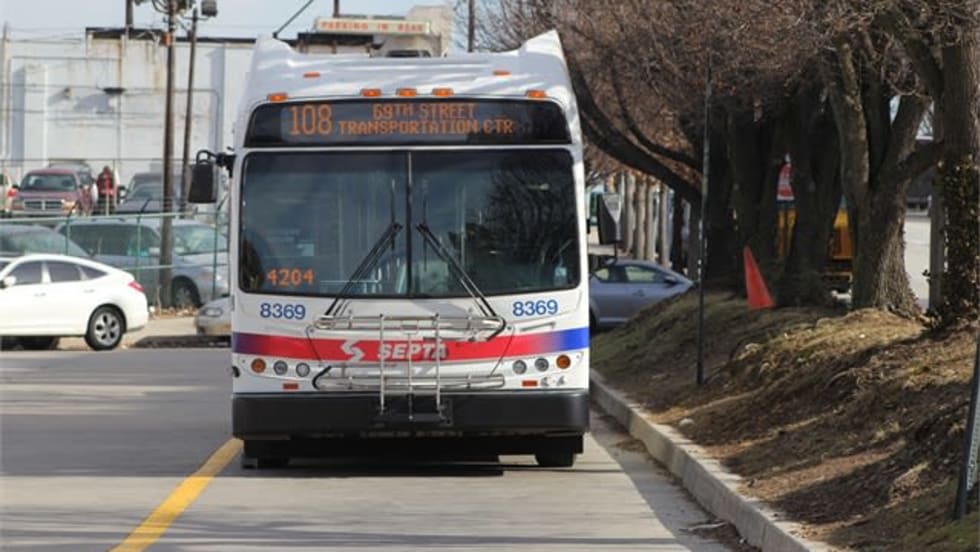
Philadelphia's SEPTA Approves Annual Transit Service Plan
Between 2021 and 2024, SEPTA held more than 200 public meetings — including 144 in-person sessions — throughout the SEPTA service region.
Read More →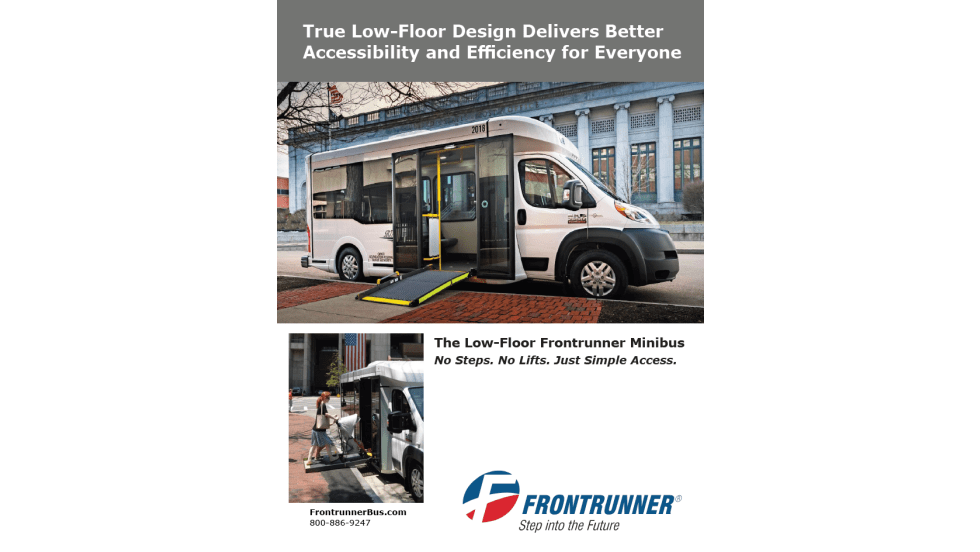
A True Low-Floor Minibus Design Delivers Better Accessibility and Efficiency for Everyone
As transit demands evolve, so should your fleet. Download the whitepaper to see how the Low-Floor Frontrunner Minibus compares to traditional options.
Read More →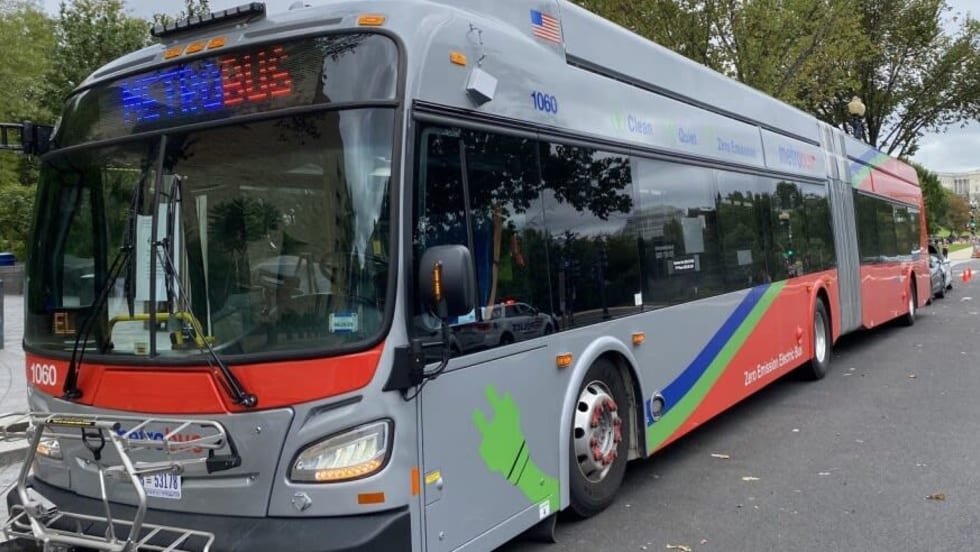
WMATA Debuts 'Fares Pay for Service' Awareness Campaign
The campaign was highlighted during a media event at the Paul S. Sarbanes Transit Center in Silver Spring, where WMATA’s GM/CEO Randy Clarke joined Metro Transit Police officers, WMATA management team, board members, and staff to expand fare enforcement and customer education efforts on Metro Bus routes throughout the region.
Read More →