



Central Florida holds emergency preparedness workshop
The tragic earthquake in Haiti last January was still fresh in the minds of those who attended the Connecting Communities emergency preparedness workshop in Orlando, Fla.
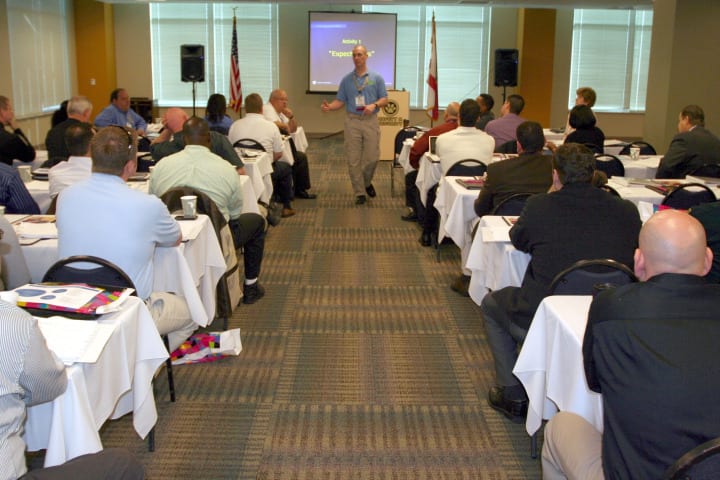
[IMAGE]LYNX-1.jpg[/IMAGE]With the tragic earthquake in Haiti fresh in many minds, Central Florida Emergency Management agencies got together recently to discuss best practices for emergency disasters.
The Connecting Communities Public Transportation Emergency Preparedness Workshop was facilitated by New Jersey's Rutgers University and hosted by the Central Florida Regional Transportation Authority (LYNX) in conjunction with the Federal Transit Administration (FTA), which funds the national program.
"There was a sign in the room that said an emergency is a bad time to exchange business cards, and that really is true," said Matt Friedman, manager, media relations, for LYNX.
The two-day workshop uses a combination of presentations, facilitators, interactive group discussions and scenario-based activities so those in the emergency services and emergency management sectors gain a better understanding of what public transit and transportation entities can bring to the table during a natural disaster, such as an earthquake, hurricane or flood.
"We're not going in there to help them fill in all the blanks in two days," said one of the facilitators of the workshop Chris Kozub, associate director, Rutgers University. "We are there to try to help them to understand what the blanks should be, and then how to identify who to work with to get those filled in to move toward having a plan that is workable and functional in a time of crisis."
To gain that better understanding, the Connecting Communities workshops bring together local participants from various agencies including sheriff's offices, police, firefighters, emergency management, public schools, colleges, emergency response organizations and theme parks.
The workshops are held about 10 to 12 times a year around the nation, Kozub said. In three years, Rutgers University facilitators have held close to 30 such workshops in various parts of the U.S., from dense urban centers to smaller rural areas.
The course is based on the framework of the National Incident Management System (NIMS), which emphasizes the four phases of the Emergency Management Process: response, recover, mitigation/prevention, and preparedness.
"If you're not prepared, you're going to have horrible response and recovery times, and being prepared helps you prevent incidents or incidents within those incidents," said Friedman. "You can't necessarily plan for a hurricane, but you can know how you are going to react when one hits."
During the Haiti relief efforts, Orlando became an important hub for various entities, including the military and various social services organizations.
"To this point, there have been more than 80 flights that have landed and 7,500-plus people, and we work with these folks to assist people at a time of need," Friedman said. "A key point of the workshop is that you have to be able to help people in a disaster, whether they are in your community or not, as well as be able to carry on your day-to-day operations."
To conduct a workshop in their area, transit systems can either request one through the FTA, which tries to select applicants based on several criteria including size and region, or apply for a grant through the Transportation Security Administration.
"Continually, we have found that anybody who is leaving these sessions has really found it valuable," said Kozub. "Some of that has to do with us not trying to go in there and tell them what to do, but instead teaching the necessary questions to ask when making an emergency plan."
More Bus
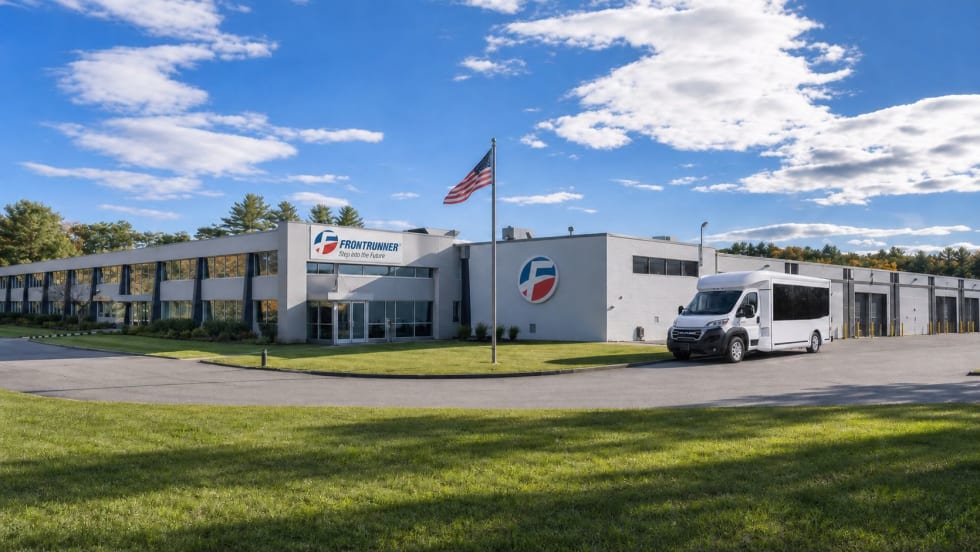
Frontrunner Bus Group Expands with New Massachusetts Headquarters
The significantly larger facility will provide the infrastructure needed to support the company’s growing workforce, advanced technologies, and expanding product line.
Read More →
Joshua Schank on Transportation Innovation, Risk, and the Future of Mobility
In this edition of METROspectives, Joshua Schank discusses lessons from launching LA Metro’s Office of Extraordinary Innovation, the challenges of advancing new mobility technologies, and much more.
Read More →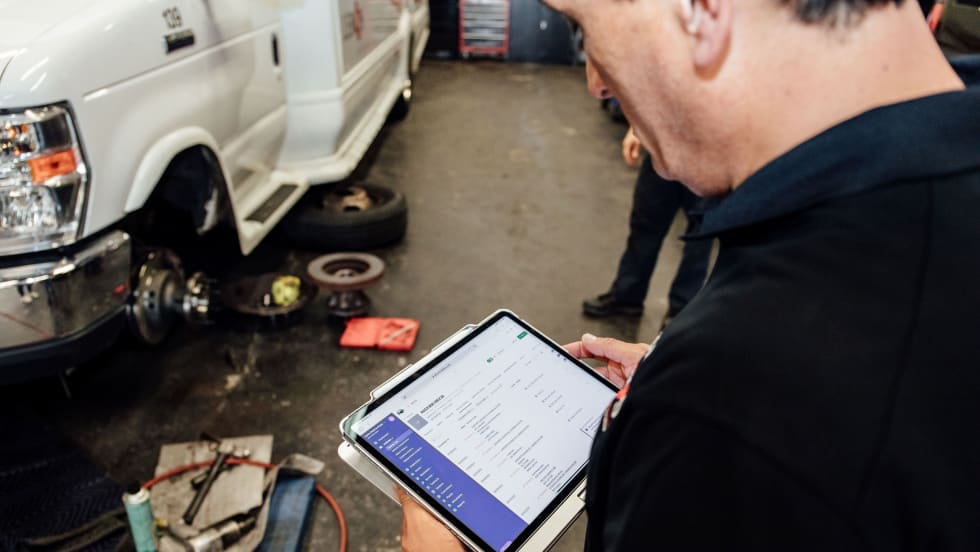
Reinventing Fleet Maintenance with Real-time Visibility and AI
Transit leaders need to know what needs fixing, where to look, who is responsible, when work is completed, and what it costs without having to chase information across disconnected systems.
Read More →
SamTrans Sets Priorities for Potential Connect Bay Area Revenue
The board-approved framework allocates future funding to maintaining service, rider improvements, equity initiatives, and infrastructure repairs.
Read More →
When Routine Fails: How Public Transit Must Adapt for the World Cup
The 2026 FIFA World Cup will test transit agencies’ ability to manage unpredictable travel patterns, making real-time data and operational flexibility critical to moving millions of visitors efficiently.
Read More →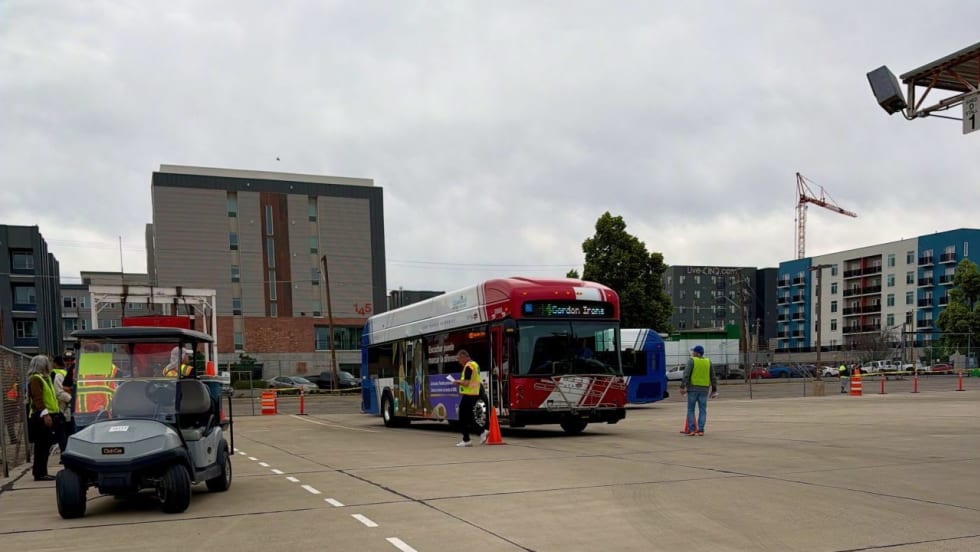
Photo Highlights from APTA's 2026 Mobility Conference
The photo gallery captures scenes from the conference, including the International Bus Roadeo, exhibit hall activities, the Bus Showcase, and much more.
Read More →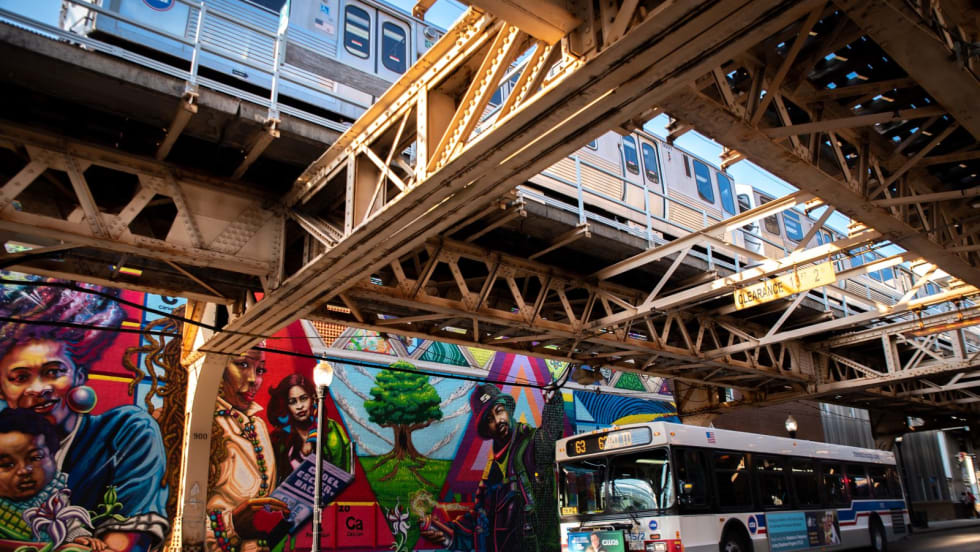
Chicago's NITA Act Moves Into Next Phase as Service Improvements Begin
Rider-focused improvements will begin rolling out across the system immediately as CTA, Metra, and Pace increase service this summer in the six-county region.
Read More →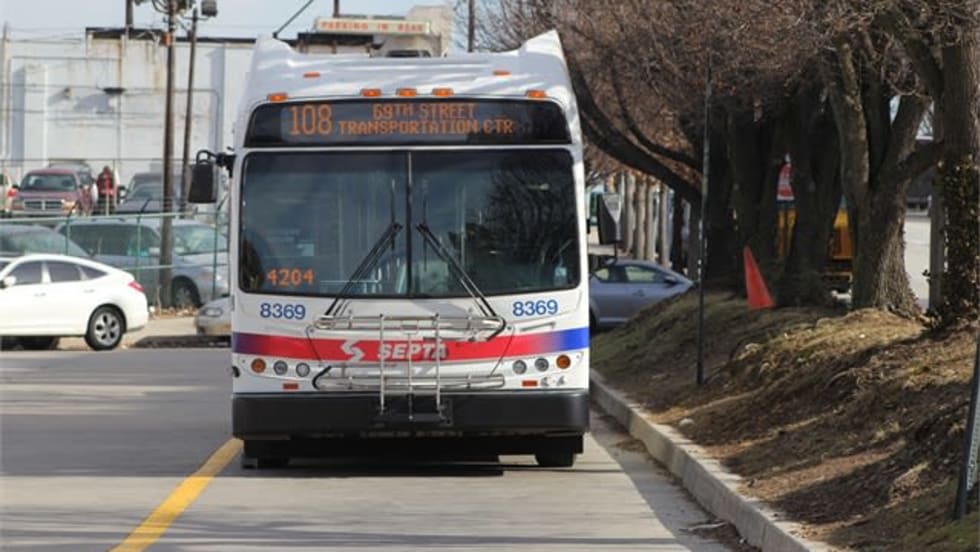
Philadelphia's SEPTA Approves Annual Transit Service Plan
Between 2021 and 2024, SEPTA held more than 200 public meetings — including 144 in-person sessions — throughout the SEPTA service region.
Read More →
A True Low-Floor Minibus Design Delivers Better Accessibility and Efficiency for Everyone
As transit demands evolve, so should your fleet. Download the whitepaper to see how the Low-Floor Frontrunner Minibus compares to traditional options.
Read More →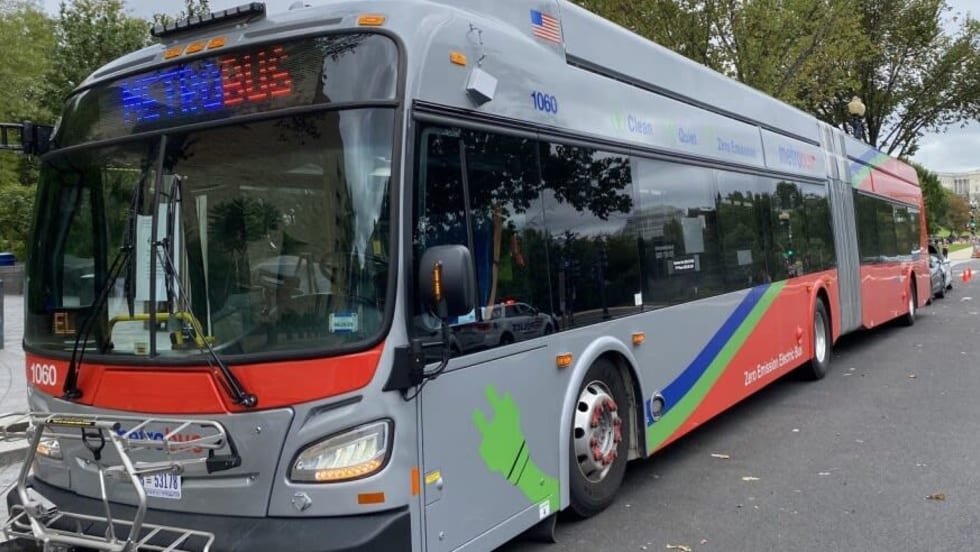
WMATA Debuts 'Fares Pay for Service' Awareness Campaign
The campaign was highlighted during a media event at the Paul S. Sarbanes Transit Center in Silver Spring, where WMATA’s GM/CEO Randy Clarke joined Metro Transit Police officers, WMATA management team, board members, and staff to expand fare enforcement and customer education efforts on Metro Bus routes throughout the region.
Read More →