



Despite Dwindling Tax Revenues, Top 100 Fleets Soldier On
As decreased revenue continues to impact transit agencies' budgets, many are continuing to find ways to become more efficient and remain a part of the entire intermodal solution. New York City Transit remains in the top spot of this year's survey.
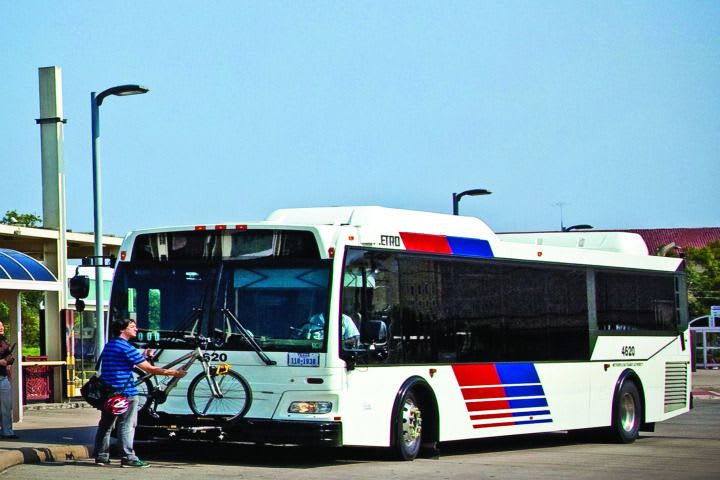
With dwindling sales tax revenues causing significant budget shortfalls, most of the 78 percent of respondents who said they are experiencing budgeting issues have implemented some form of service cuts, fare increases or both.
[IMAGE]100-2.jpg[/IMAGE]Dwindling sales tax revenues continue to have a serious impact on many transit agencies around the nation, with 78 percent of this year's respondents to METRO's Top 100 Transit Bus Fleets survey saying they are experiencing budget issues.
Along with those budget issues, there was an actual drop of 891 vehicles for a total of 63,807 reported by transit agencies from the U.S., Canada and Puerto Rico. New York City Transit (NYCT) still holds the top spot with a total 4,493 vehicles. NYCT is followed by Metro (Los Angeles County Metropolitan Transportation Authority) (2,723), Pace Suburban Bus (2,392) and New Jersey Transit (2,373). The Toronto Transit Commission commandeers the number five slot with 1,998 vehicles.
Vancouver, Wash.-based C-Tran — one of this year's three new entries, along with Nashville Metropolitan Transit Authority (No. 87) and London, Ontario-based London Transit Commission (No. 90) - rounds out this year's Top 100 with 157 vehicles, while Cincinnati's South West Ohio Regional Transit Authority holds down the No. 50 slot.
Budget issues
With dwindling sales tax revenues causing significant budget shortfalls, most of the 78 percent of respondents who said they are experiencing budgeting issues have implemented some form of service cuts, fare increases or both. Many others have also been forced to lay off employees, freeze hiring and salary increases, and delay implementing new services or purchasing new equipment.
The San Francisco Municipal Transportation Agency (No. 26) reported that it approached its unions for givebacks, resulting in a successful agreement for most employees to take 12 unpaid days off per year, which equates to an almost 5 percent decrease in pay.
Additionally, 68 percent of respondents said they are having problems balancing rising demand for service with those budgeting issues. To help the situation, officials at the Utah Transit Authority (No. 32) say that every four months it modifies the system by dropping less efficient routes and adding or combining routes.
Brighter side
There is still much positive news to be found throughout the nation. One significant turn, for instance, came in April of this year when voters overwhelmingly passed a tax increase to help fund public transportation, which helped St. Louis Metro jump from No. 83 in 2009 to No. 60 this year. As a result of its tax victory, the agency immediately restored services that had been cut and has plans to increase some services in the near future.
Agencies around the nation are also continuing to do all they can to make their communities aware of the services they provide. In Albany, N.Y., the Capital District Transportation Authority (No. 65) reports that it is focusing on developing partnerships with businesses and organizations to get the word out and seek innovative ways to increase ridership.
The numbers
A closer look at the numbers reveals 47,540 buses are 35 feet or longer; 53 percent, or 33,955, of the total vehicles are low-floor applications; and 9 percent are demand response. In total, this year's respondents report that they intend to order 4,518 vehicles in the next year.
Alternative-fueled vehicles, at 17,345 total vehicles, make up 27 percent of the fleet totals reported for 2010, with compressed natural gas (8,180 vehicles) leading the way, followed by various types of hybrid-electric vehicles.
With all the budget and staff cuts going on around the nation, METRO would especially like to thank all of the transit agencies for participating this year. If you know a fleet that belongs on this list or have suggestions on how to improve our future lists, please let us know.
To view the Top 100, click here.
To view a photo gallery of some of this year's Top 100, click here.
More Bus
Brian Dickson on Building Stronger, More Resilient Transportation Organizations
Bus Business Consultants Founder Brian Dickson discusses the leadership principles, operational discipline, and strategic planning that separate transportation companies positioned for long-term success from those stuck in survival mode.
Read More →
LA Metro Breaks Ground on Vermont BRT Project
The 12.4-mile corridor is projected to serve 66,200 daily riders, reduce travel times by up to 24%, and create the nation's busiest bus rapid transit corridor.
Read More →
Roman Cornell on ABC Companies’ Evolution and the Future of Passenger Transportation
The company’s CEO discusses carrying forward a third-generation family legacy, ABC’s continued evolution in passenger transportation, support for increasingly complex fleets, and how technology and continued investment could help operators improve uptime.
Read More →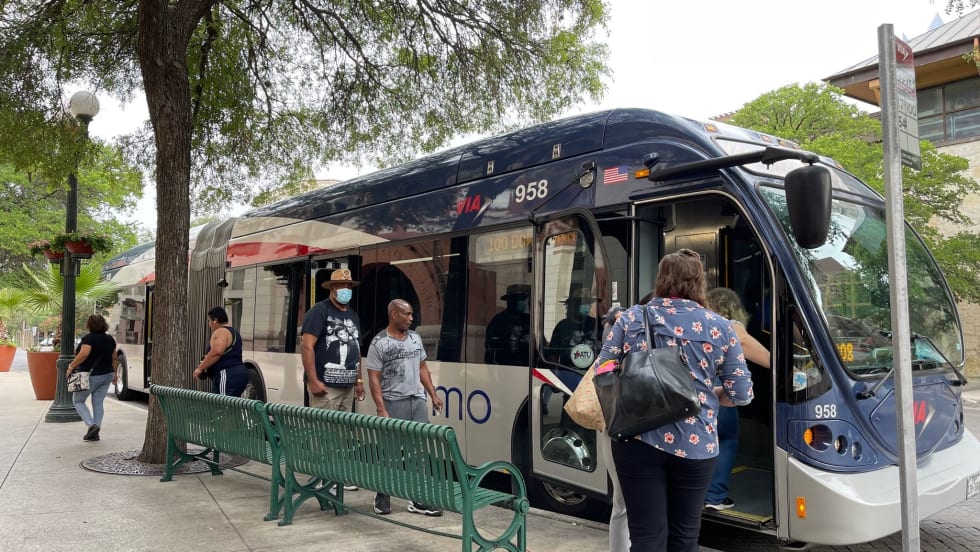
VIA Bus Ridership Grows 10.1% Through August 2026
San Antonio's VIA Metropolitan Transit reported the highest bus ridership growth among major Texas transit systems. Federal Transit Administration data ranked it second among the nation's 50 largest transit systems.
Read More →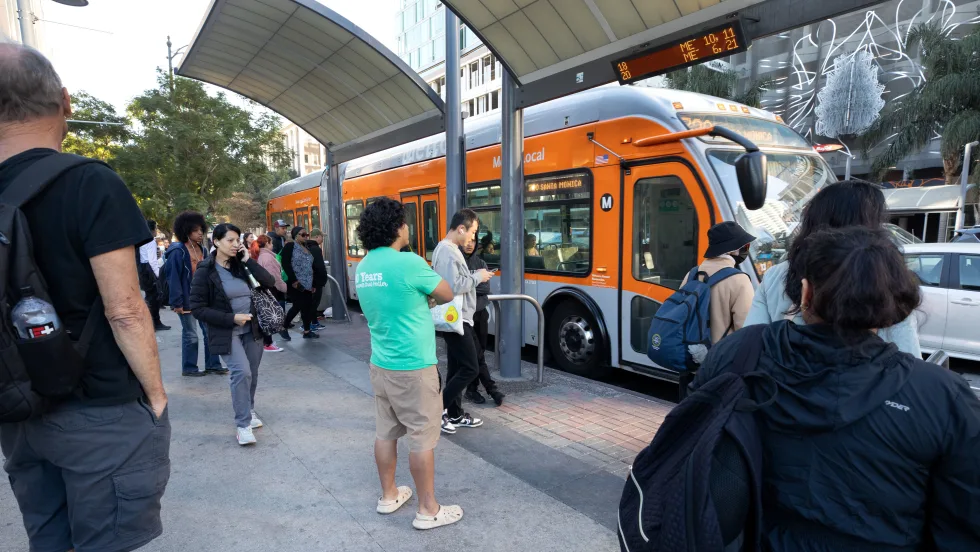
LA Metro September Ridership Climbs 3.9%, Led by Rail Growth
The agency recorded more than 27.2 million boardings, with rail ridership increasing 12.4% year over year and the D Line posting the largest gains.
Read More →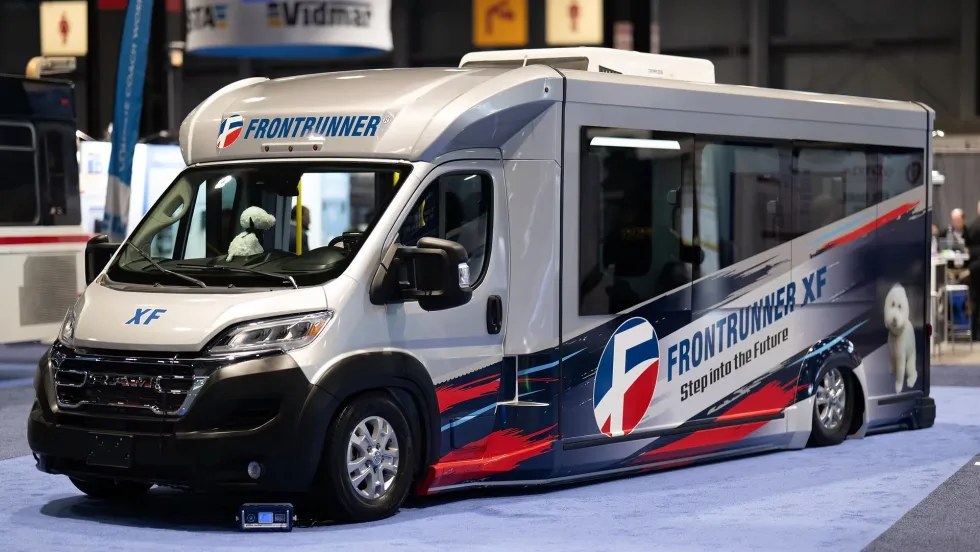
Frontrunner Bus Group Introduces XF Low-Floor Bus with Enhanced Accessibility
The new mid-sized bus features a full flat-floor design, eight-inch curbside step-in height, and zero-entry rear ramp to improve passenger access and operational flexibility.
Read More →
Scenes from APTA TRANSform & EXPO 2026
Transit leaders, manufacturers, and industry professionals gathered in Chicago to explore new technologies, share ideas, and discuss the future of public transportation.
Read More →
More Than a Summer Job: Building the Next Generation of Transit Talent
The Delaware River Port Authority and PATCO have transformed their internship program into a hands-on professional development experience that introduces students to the breadth of transportation careers — and creates a pipeline for future employees.
Read More →
LA Metro Board Awards 220 Battery-Electric Bus Contract to ENC
The contract, which is the largest base award of battery-electric buses by a U.S. transit agency, will be built in Southern California, sustaining good jobs as LA prepares to welcome the world in 2028
Read More →
Public Transit Conference Returning to GFX in 2027, Call for Papers Now Open
The Call for Papers is now open, allowing transit agency professionals and industry experts to help shape the PTC educational program by submitting session ideas for consideration.
Read More →