



'Five Alive' - Steps To Bus Stop Safety
Throughout my 33 years with New York City Transit, beginning as a bus operator and ending as the director of the safety and training division, dept. of buses, bus stops have been my "bread and butter." Hence, safe and proper bus stop entry/departure and passenger boarding/alighting are top priorities for me.

Throughout my 33 years with New York City Transit, beginning as a bus operator and ending as the director of the safety and training division, dept. of buses, bus stops have been my" bread and butter." Hence, safe and proper bus stop entry/departure and passenger boarding/alighting are top priorities for me.
Let me share with you the "Five Alive Steps" to bus stop safety.
ENTRY AND POSITIONING
Approach
Signal right, cover the brake and scan the approaching stop for hazards (unattended children, cell phone or headset wearers, fixed objects etc.). Position the bus straight. Angling leaves the bus rear vulnerable to vehicles attempting to overtake on the left side and it prevents a clear view to the left rear of your bus, while attempting to re-join traffic. (Refer to your agency's Standard Operating Procedure and the Americans with Disability Act for proper kneeling procedures.)
BOARDING AND ALIGHTING
1 - With the front doors open, rear door interlock engaged and service brake applied, keep the left hand on the door handle from the moment the doors are opened until closing. This ensures a prompt reopening of the doors should a passenger attempt to board or alight, thereby preventing them from being struck or wedged.
2 - Before closing the doors, check the interior center mirror (or over the right shoulder) for anyone approaching from the right rear side of bus. Angling the center mirror to a high left/low right position to widen the view along the right side and rear curb area of the bus is a plus. A tilted mirror also displays the rear door area to confirm that it is clear of obstructions.
3 - Check the right flat real-view mirror (non-convex) to expose anyone approaching from directly alongside the right of the bus.
4 - Check the right convex mirror to determine if anyone is approaching, which may not have appeared in steps two and three. This is usually where a shorter person, like a child, may not be visible in the real-view mirror or naked eye of the operator.
Sometimes a child may be sent to tell the operator to wait. The child will proceed down the right side of the bus, barely avoiding contact with the bus and their left shoulder and would only be visible in the right convex mirror, positioned to expose the area near the front tire.
5 - Focus on the front door area before closing the doors. After ensuring that it is "permissible" to close the doors (hazard free), move the door handle to the closed position while watching the doors close. Prepare to reopen them should someone appear and attempt to board. Signal left and under no circumstance move left before looking left.
Follow the 3 S's - Safety, Service and Schedule,
Louie Maiello
More Blog Posts
Improving Transit Accessibility by Offering Assistive Listening
Did you know that there are literally tens of millions of people worldwide with hearing loss, many of whom will use some form of public transit at some point?
Read More →
35 Years of the ADA, Making Travel Easier for Seniors
Thirty-five years after the passage of the Americans with Disabilities Act of 1990 (ADA), the impact of this landmark piece of civil rights legislation cannot be overstated.
Read More →
Driving Performance with Purpose: How I Lead One of Greyhound’s Top Teams
Safety, on-time performance, and customer experience are critical elements in intercity bus operations. But getting them right doesn’t come down to plans or protocols alone. It comes down to execution. How well your team performs on the ground, in real time, is what defines success.
Read More →
Navigating Emerging Privacy Laws: A Call to Action for Service Providers in Mass Transit
With Data Privacy Day Jan. 28, I want to spotlight a critical challenge faced by service providers in the mass transit sector: managing personal information responsibly in an era of rapidly evolving privacy regulations.
Read More →
Human Trafficking Awareness: What Public Transportation Can Do?
January is National Slavery and Human Trafficking Prevention Month in the U.S., and January 11 is National Human Trafficking Awareness Day.
Read More →
Want to Improve Transit Safety and Operations? Break Down the Silos
Retrieving and reviewing data and video can be a cumbersome process for fleet managers. Each system or tool provides a piece of the puzzle, but seeing the complete picture requires tedious manual synchronization.
Read More →
Ensuring Public Transit Cybersecurity Through Robust Protective Measures
In today’s highly connected world, cybersecurity is of utmost importance, particularly for transportation agencies overseeing transit bus systems that rely increasingly on sophisticated technologies, including the use of data analytics in traffic signal networks, to manage and operate their systems.
Read More →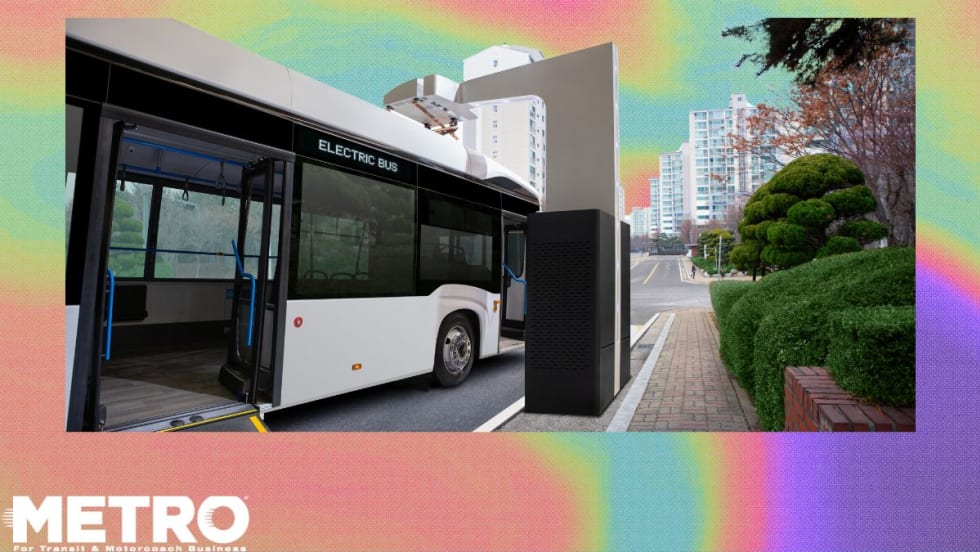
How Advances in Thermal Management Revolutionize Urban Mobility
In the daily hustle and bustle of city life, transit buses serve as the backbone of urban transportation, allowing millions of city dwellers to get from point A to point B each day reliably.
Read More →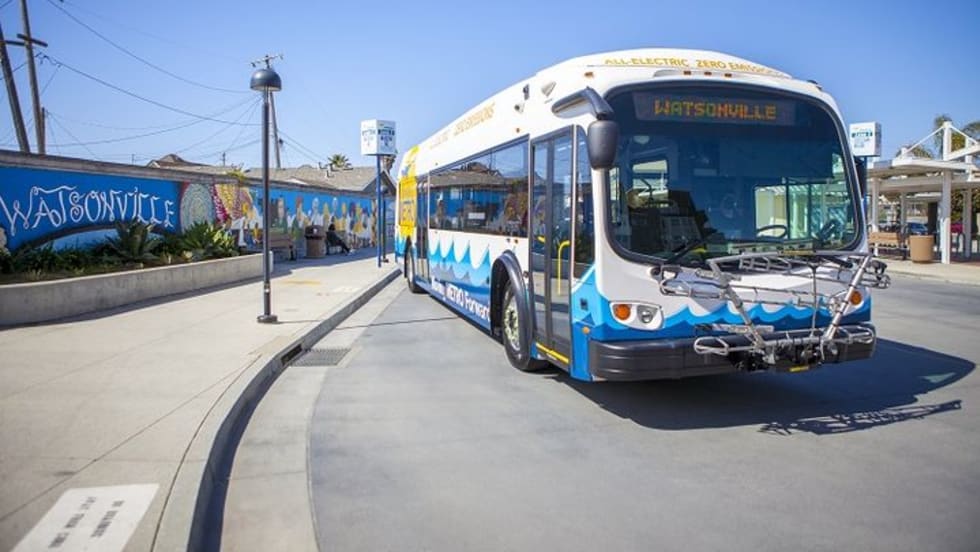
The Evolution of Bus Design
Thirty years ago, drivers not only had to drive the bus and navigate heavy traffic, but they were also responsible for tasks like supervising passenger loading and unloading, selling tickets, and providing passengers with various kinds of information, all while sitting in an often ill-fitting workstation.
Read More →
What 'Transit Safety 101' Really Means
Safety, Safety, Safety. This word is used repeatedly, and in many contexts, without most people understanding what it actually means.
Read More →