



Highway Trust Fund revenue falls $3B in single year
Americans drove 4.4 percent less, or 10.7 billion fewer vehicle miles traveled, in September 2008 than September 2007, the eleventh-straight month of declining driving.

The Highway Trust Fund, the federal government’s primary source for financing highway, bridge and transit projects, took in $3 billion fewer in Fiscal Year 2008 as Americans drove 90 billion miles less over 11 months of the same fiscal year, U.S. Secretary of Transportation Mary E. Peters announced Wednesday. The trend underscores the need to find a new way to finance transportation projects in America, she added.
“Our current approach has us encouraging Americans to change their driving habits and burn less fuel while secretly hoping they drive more so we can finance new bridges, repair interstates and expand transit systems,” said Secretary Peters. “We need a new approach that compliments, instead of contradicts, our energy policies and infrastructure needs.”
Peters noted that Americans drove 4.4 percent less, or 10.7 billion fewer vehicle miles traveled (VMT), in September 2008 than September 2007, the eleventh-straight month of declining driving. The trend is most evident in rural interstate travel, which fell by 8 percent that month, while urban interstate travel declined by 3.9 percent.
As a result of the continued decline in VMT, the Highway Trust Fund, which is primarily funded through federal gas tax receipts, collected $31 billion in revenue between October 2007 and September 2008 – $3 billion less than it collected the previous year, while federal transportation spending increased by $2 billion.
Peters also noted that, if VMT continues to decline, the Highway Trust Fund may experience another shortfall sooner than expected. For this reason, she again urged Congress to fundamentally change the nation’s approach to financing and managing transportation systems.
In addition to reversing the tremendous growth in wasteful spending, Peters also urged Congress to act on the Administration’s surface transportation reform proposal, “Refocus, Reform, Renew,” which would give state and local officials new sources of revenue and new flexibility to finance transportation projects that will improve commutes.
More Management
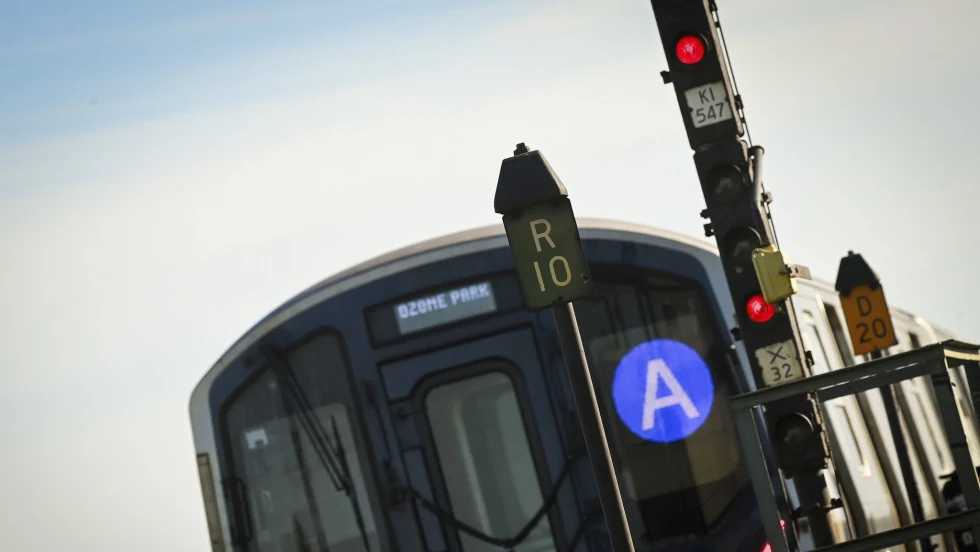
New York MTA Launches Historic $1.9B Signal, Track Modernization Project
Funded in part by congestion pricing revenue, the project will replace nearly century-old signals along the A and C lines in Brooklyn and Queens.
Read More →
Brian Dickson on Building Stronger, More Resilient Transportation Organizations
Bus Business Consultants Founder Brian Dickson discusses the leadership principles, operational discipline, and strategic planning that separate transportation companies positioned for long-term success from those stuck in survival mode.
Read More →
LA Metro Breaks Ground on Vermont BRT Project
The 12.4-mile corridor is projected to serve 66,200 daily riders, reduce travel times by up to 24%, and create the nation's busiest bus rapid transit corridor.
Read More →
Building Stronger Leaders, More Resilient Transit Teams
Dr. Carol Parker Walsh discusses leadership development, employee retention, workplace culture, and preparing transit’s workforce for AI and automation.
Read More →
Roman Cornell on ABC Companies’ Evolution and the Future of Passenger Transportation
The company’s CEO discusses carrying forward a third-generation family legacy, ABC’s continued evolution in passenger transportation, support for increasingly complex fleets, and how technology and continued investment could help operators improve uptime.
Read More →
CATS Launches West Charlotte Microtransit Zone, Expands Transit Services
The new microtransit zone connects residents to key destinations as Charlotte Area Transit System rolls out the first phase of its 2055 Transit System Plan.
Read More →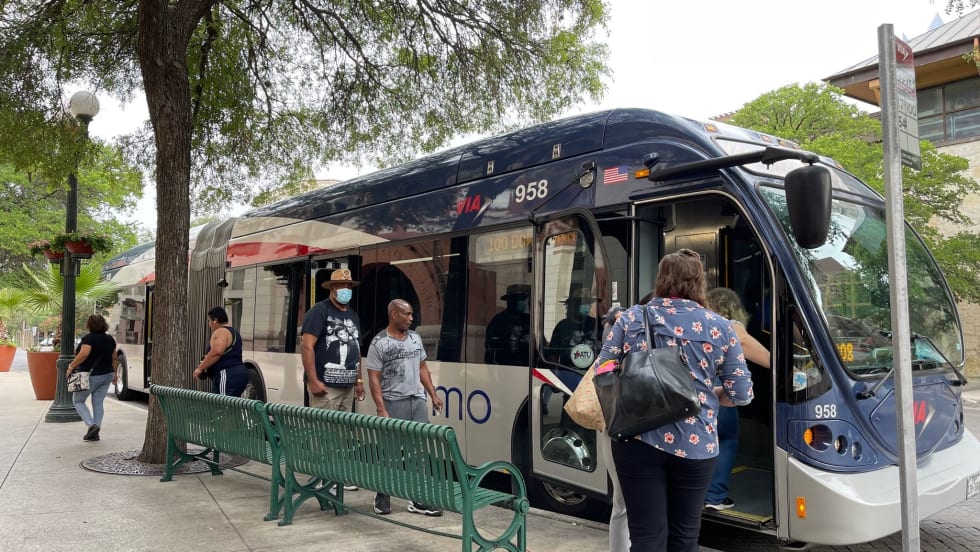
VIA Bus Ridership Grows 10.1% Through August 2026
San Antonio's VIA Metropolitan Transit reported the highest bus ridership growth among major Texas transit systems. Federal Transit Administration data ranked it second among the nation's 50 largest transit systems.
Read More →
CSA Group Releases Climate Resilience Standard for Transit, Passenger Rail
Developed with support from the Standards Council of Canada, CSA D700 guides assessing climate-related risks and planning adaptation measures for transit and passenger rail systems.
Read More →
ETA CEO John Maglio on Transit Technology, Innovation, and Building Agency Trust
ETA founder and CEO John Maglio explores the evolution of transit technology, the importance of reliable systems, and how stronger partnerships can help agencies improve operations and the passenger experience.
Read More →
COTA Launches First Customer Experience Action Plan to Improve Transit Service
The new plan outlines improvements to service reliability, accessibility, communication, and the overall rider experience across Central Ohio's transit system.
Read More →