



MIT to study environment, transportation challenge
Transportation@MIT will start as a two-year pilot program with initial support from all three participating schools. Plans are under way for the development of two labs, one in Cambridge and one outside the U.S., where researchers can apply and test new processes, technologies and policies.

The Massachusetts Institute of Technology (MIT) launched Transportation@MIT, a coordinated effort to address the environmental impact of the world's ever-increasing demand for transportation. The new initiative will knit together the wide-ranging research already under way at MIT and create new opportunities for education and innovation.
The program's creation comes as the global movement of people and things becomes increasingly unsustainable — a problem that cannot be pinned on any one mode of transport. Two-thirds of the world's petroleum consumption is taken up by transportation-related needs. Projections indicate that demand for petroleum, if unchecked, may outstrip supply within a few decades, while carbon dioxide output across the globe could triple by 2050.
"The global transportation challenge is as multi-faceted as a problem could be, and it is hard to think of an institution better equipped to tackle it than MIT," said Dean of Engineering Subra Suresh. "By coordinating our own efforts and leveraging connections among faculty across our schools — from researchers exploring efficient new fuels to those studying transportation as a system to those rethinking how our cities are organized — we can make important and innovative contributions and encourage the rapid development of new ideas in sustainability, technology, business practices and public policy related to all modes of transportation.
The coordinated initiative on transportation will be led by Associate Dean of Engineering for Academic Affairs Cynthia Barnhart and will draw on the strengths of three schools at MIT: the School of Engineering, the School of Architecture and Planning, and the MIT Sloan School of Management. The School of Engineering at MIT currently attracts over $20 million in transportation-related sponsored research every year.
Transportation@MIT will start as a two-year pilot program with initial support from all three participating schools. Plans are under way for the development of two labs, one in Cambridge and one outside the U.S., where researchers can apply and test new processes, technologies and policies.
More Bus
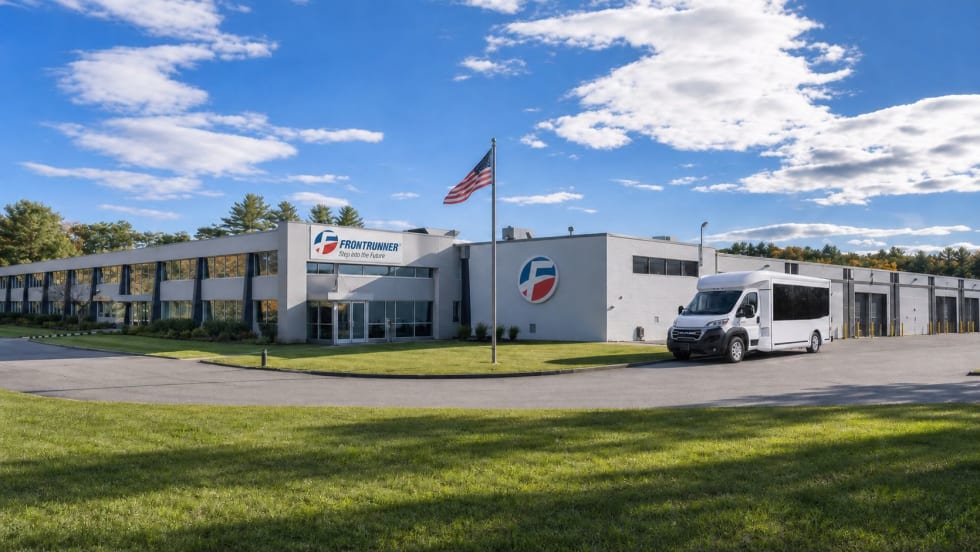
Frontrunner Bus Group Expands with New Massachusetts Headquarters
The significantly larger facility will provide the infrastructure needed to support the company’s growing workforce, advanced technologies, and expanding product line.
Read More →
Joshua Schank on Transportation Innovation, Risk, and the Future of Mobility
In this edition of METROspectives, Joshua Schank discusses lessons from launching LA Metro’s Office of Extraordinary Innovation, the challenges of advancing new mobility technologies, and much more.
Read More →
Reinventing Fleet Maintenance with Real-time Visibility and AI
Transit leaders need to know what needs fixing, where to look, who is responsible, when work is completed, and what it costs without having to chase information across disconnected systems.
Read More →
SamTrans Sets Priorities for Potential Connect Bay Area Revenue
The board-approved framework allocates future funding to maintaining service, rider improvements, equity initiatives, and infrastructure repairs.
Read More →
When Routine Fails: How Public Transit Must Adapt for the World Cup
The 2026 FIFA World Cup will test transit agencies’ ability to manage unpredictable travel patterns, making real-time data and operational flexibility critical to moving millions of visitors efficiently.
Read More →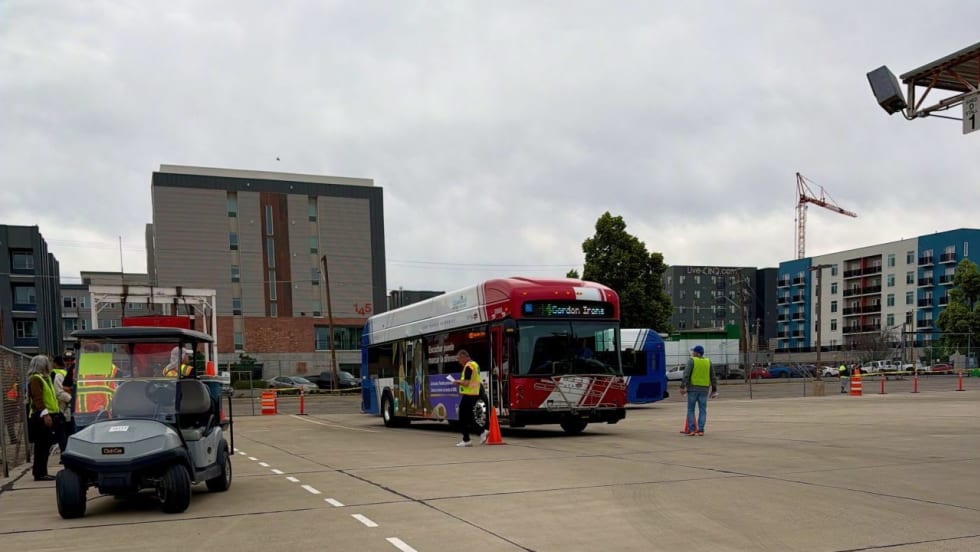
Photo Highlights from APTA's 2026 Mobility Conference
The photo gallery captures scenes from the conference, including the International Bus Roadeo, exhibit hall activities, the Bus Showcase, and much more.
Read More →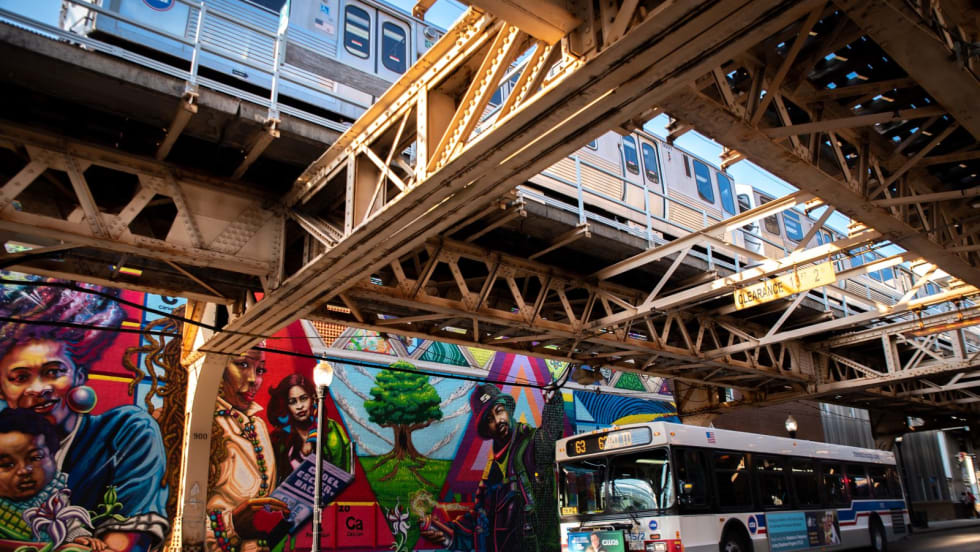
Chicago's NITA Act Moves Into Next Phase as Service Improvements Begin
Rider-focused improvements will begin rolling out across the system immediately as CTA, Metra, and Pace increase service this summer in the six-county region.
Read More →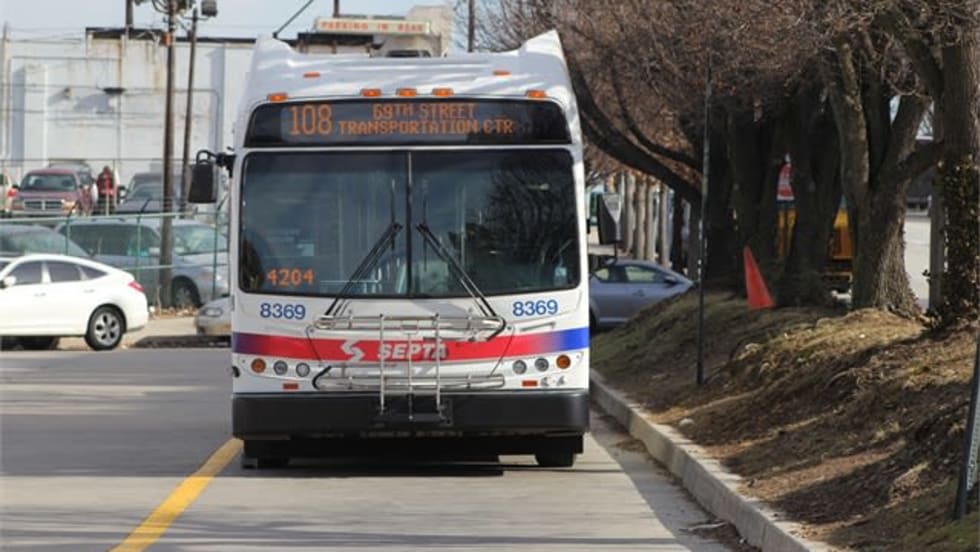
Philadelphia's SEPTA Approves Annual Transit Service Plan
Between 2021 and 2024, SEPTA held more than 200 public meetings — including 144 in-person sessions — throughout the SEPTA service region.
Read More →
A True Low-Floor Minibus Design Delivers Better Accessibility and Efficiency for Everyone
As transit demands evolve, so should your fleet. Download the whitepaper to see how the Low-Floor Frontrunner Minibus compares to traditional options.
Read More →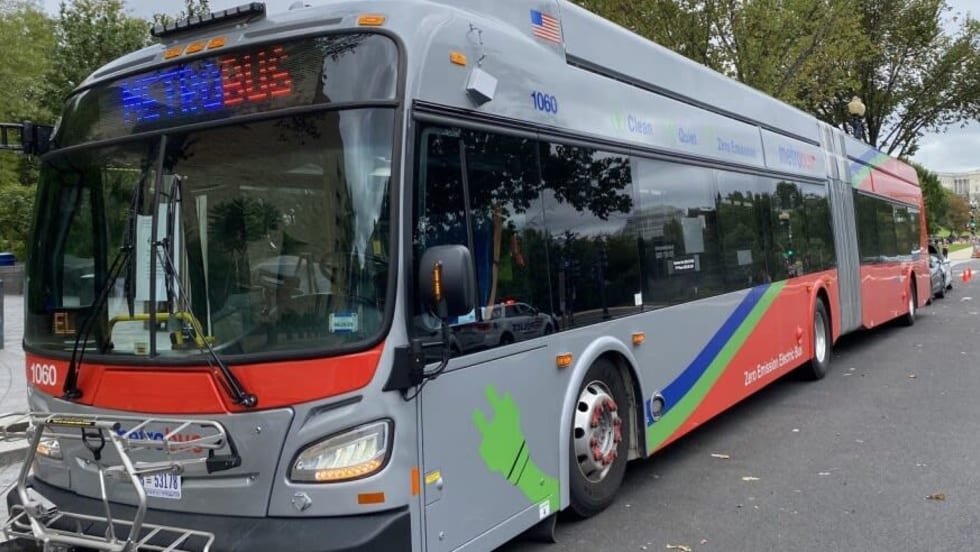
WMATA Debuts 'Fares Pay for Service' Awareness Campaign
The campaign was highlighted during a media event at the Paul S. Sarbanes Transit Center in Silver Spring, where WMATA’s GM/CEO Randy Clarke joined Metro Transit Police officers, WMATA management team, board members, and staff to expand fare enforcement and customer education efforts on Metro Bus routes throughout the region.
Read More →