



Study: 12 percent of San Diego adults use transit
Among all adults surveyed, approximately 48 percent reported that they had ridden some form of transit in the San Diego region during the 12 months prior to the study interview.

While solo driving remains the most popular way to get around in San Diego, 12 percent of adults report that transit is their primary method of traveling in the region, according to a public opinion study released Tuesday.
In order to better understand what motivates residents to use the various forms of transit in the region – and how best to improve service and increase ridership – SANDAG (San Diego Association of Governments) commissioned the San Diego Region Transit Public Opinion Study. (SANDAG conducts similar studies every four or five years.)
“The study not only took a snapshot of public perception of transit at a moment in time, it created a model that allows us to see what features on which modes are most important to riders and potential riders,” said SANDAG Executive Director Gary Gallegos. “We can now use this model to improve services and market transit to the public in order to increase ridership.”
A total of 3,670 adults, who reside in the San Diego region, were selected to participate in the random telephone survey, which was conducted by True North Research Inc. in the summer of 2008.
The findings included:
• When asked to identify the type of transportation they primarily use when traveling in the San Diego region, by far the most common response was solo driving (64 percent), followed by carpooling with one (12 percent) or two (8 percent) other people. Overall, 12 percent of adults indicated that they primarily use transit when traveling in the region, be it a local bus (6 percent), the Trolley (4 percent), the Coaster (1 percent), an express bus (0.5 percent), or the Sprinter (0.4 percent).
• Among all adults surveyed, approximately 48 percent reported that they had ridden some form of transit in the San Diego region during the 12 months prior to the interview.
• More than one-third (36 percent) of adults reported that they had ridden the Trolley at least once during the 12 months prior to the interview, 21 percent indicated that they had ridden the bus, 14 percent used the Coaster, and 9 percent had ridden the Sprinter.
• Overall, 14 percent of adults reported that they have used transit to commute to/from work, 7 percent indicated that they have used it to commute to/from school, and 14 percent stated they that have used transit for shopping trips.
• Approximately one-third of respondents indicated that they were either somewhat (16 percent) or very (14 percent) interested in increasing the frequency with which they ride the bus.
• Nearly half of those surveyed indicated that they would be somewhat (25 percent) or very (21 percent) interested in riding the Trolley more frequently. The corresponding figures for the Coaster were 21 percent and 16 percent.
• The most commonly mentioned obstacle preventing increased ridership among those who were interested was that the transit mode did not travel to the places they needed to go (20 percent), followed by the locations of transit stops being inconvenient (15 percent), a general reference to transit being inconvenient (14 percent), and that transit takes too much time (11 percent).
• More than half of respondents perceived that traffic congestion in the San Diego region increased a lot (25 percent) or somewhat (26 percent) during the prior 12 months, whereas 38 percent felt that it had stayed about the same. Approximately 10 percent of respondents perceived that congestion had improved (decreased) during this period, and 1 percent refused to offer an opinion.
The complete study may be viewed at this link: http://www.sandag.org/uploads/publicationid/publicationid_1428_9419.pdf
More Bus
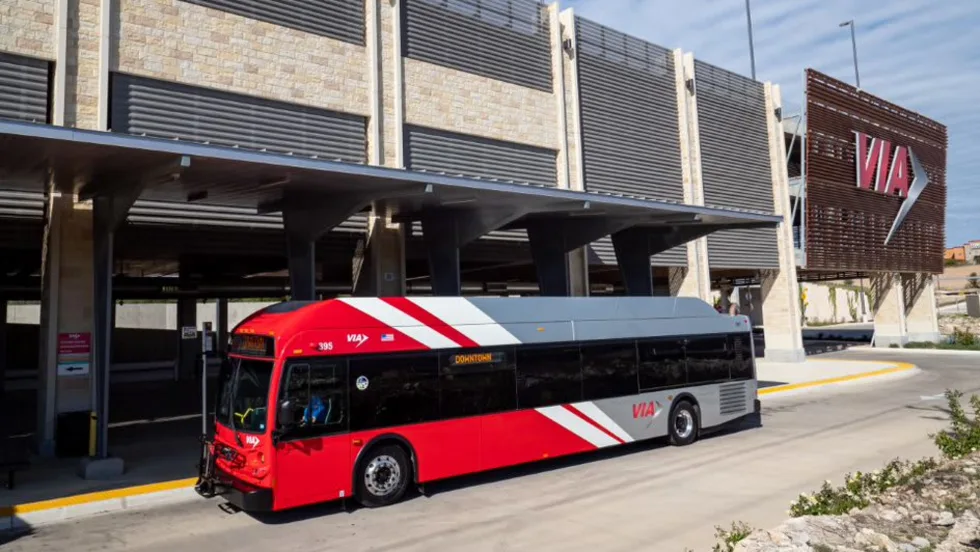
VIA, MBTA Reach Pre-Pandemic Ridership Milestones as Transit Use Climbs
VIA surpasses three million monthly trips for the first time since 2020, while the MBTA tops one million average weekday trips as both agencies report continued ridership growth.
What Transit Maintenance Facilities Should Know About Gas-Detection Placement
Proper gas-detector placement is critical to maintaining safety in transit maintenance facilities, requiring agencies to consider fleet fuel types, ventilation, shop operations, and ongoing equipment maintenance.

Improving Transit Safety and Reliability Through AI
Hayden AI’s Chief Growth Officer, Charley Territo, discusses how AI-powered camera enforcement is helping transit agencies keep bus lanes and stops clear, improve accessibility, and move from pilot programs to full-scale deployments.

Castro to Lead RTC of Southern Nevada and More in People Movement
In this edition, we also cover recent appointments and announcements at the STV, MCI, and more, showcasing the individuals helping to shape the future of transportation.

Study: Denver RTD Generates $2.1 Billion in Annual Economic Activity
An economic impact study finds the agency supports approximately 17,500 jobs, delivers $1.6 billion in annual community and mobility benefits, and generates $2.42 in economic value for every dollar invested.

Mark Aesch Nominated to Lead Federal Transit Administration
The former Rochester transit chief and TransPro founder, who has also contributed to METRO Magazine, brings decades of industry experience and a focus on performance, accountability, and financial sustainability to the nomination.

Pierce Transit Moves to Expand Fleet Following Proposition 1 Approval
The agency authorized the purchase or refurbishment of up to 60 buses to support a 47% service expansion, as voters nationwide approved billions in new transit funding.

Transit Expands Agency Partnerships, Reaching 200 Official App Partners
COO Jake Sion discusses Transit’s growth, the success of its Transit Royale program, and how technology is helping agencies improve the rider experience.
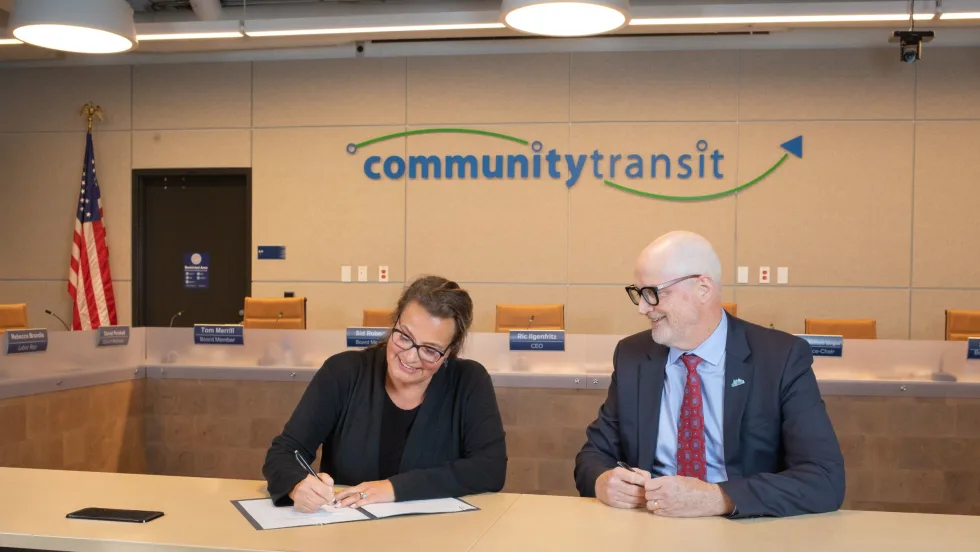
Everett Transit, Community Transit Approve Consolidation of Services
The agreement will bring Everett Transit into Community Transit’s network in April 2027, with plans to increase bus service by 50% by 2031 and expand regional connections.
Brian Dickson on Building Stronger, More Resilient Transportation Organizations
Bus Business Consultants Founder Brian Dickson discusses the leadership principles, operational discipline, and strategic planning that separate transportation companies positioned for long-term success from those stuck in survival mode.