



Chicago balances budget without cuts, increases
Strong performance in both ridership and revenue in the first half of the year, coupled with strict cost controls enabled the CTA to balance the budget without implementing service reductions.

For the second time this year, the Chicago Transit Board amended the CTA's operating budget due to reductions in public funding imposed by the Regional Transportation Authority (RTA).
The Board approved an amendment to the budget to incorporate a new reduction of $35.2 million in public funding, which is in addition to a reduction of $154.7 million that the RTA required earlier this year. Through very careful control of the budget, the CTA projected that it will be able manage through this additional loss in funding and is not recommending service cuts or a fare increase to balance the budget.
When it set the CTA's funding marks last year, the RTA advised the CTA that it was expected to receive $723.3 million in subsidies for 2009. The CTA developed its budget based on that anticipated revenue; however, its public funding has been reduced by 25 percent, to $541.4 million, from the marks originally set by the RTA.
"The loss of 25% of our public funding has left the CTA with a razor thin margin for the remainder of the year. Fortunately, the CTA initiated efficiencies and cost control steps early and that has resulted in savings each month. We will use those savings to help make up for the most recent cuts to our funding," said CTA President Richard Rodriguez. "But it means we have nothing to turn to if there are further hits to our budget. As it is, we have to aggressively manage to all our budget targets, for both costs and revenues, to get through the remainder of the year."
Rodriguez said that strong performance in both ridership and revenue in the first half of the year, coupled with strict cost controls enabled the CTA to balance the budget without implementing service reductions.
But with the continued weak economy, Rodriguez said the CTA cannot continue to expect ridership and revenue to perform better than budgeted, so the CTA has identified additional cost saving measures that include continued controls on labor costs, savings in materials and fuel, more efficient management of contracts, eliminating non essential travel and seminars, lower utility costs, and a reduction in the cost of equipment maintenance services due to the retirement of problematic buses and introduction of new buses.
More Bus
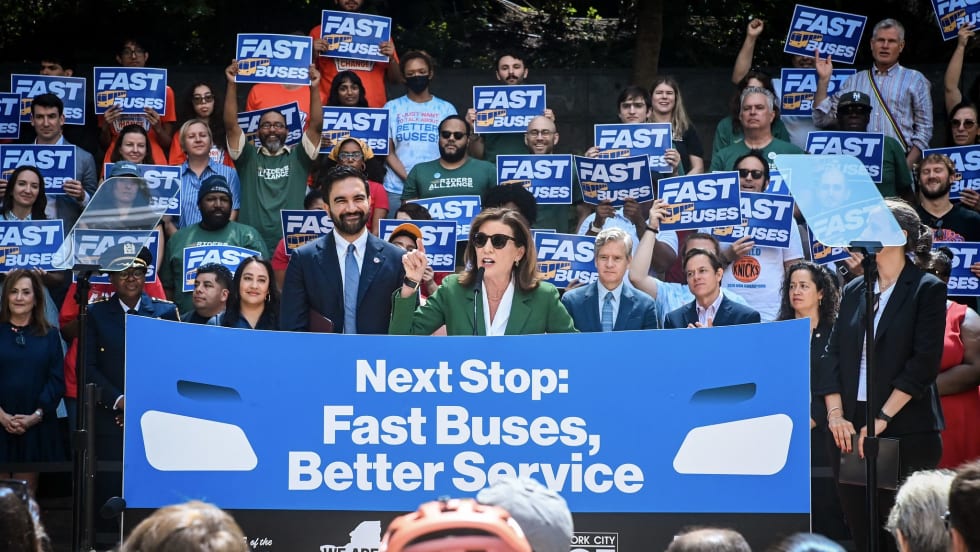
New York Unveils Sweeping Plan to Modernize City Bus Service
Next Stop: Fast Buses, Better Service identifies 50 priority bus corridors for improvements across the five boroughs and launches the City’s next generation of rapid bus service along five key routes.
Read More →
CTDOT Taps STV for Electric Bus Facility Design
The firm will work with CTDOT and RVT to define the facility layout, operational requirements, and long-term flexibility for RVT’s growing electric fleet.
Read More →
Ford to Leave JTA After More Than 10 Years as CEO
He plans to continue his work advancing innovative mobility solutions to improve the quality of life in communities across the nation. He did not announce specific plans.
Read More →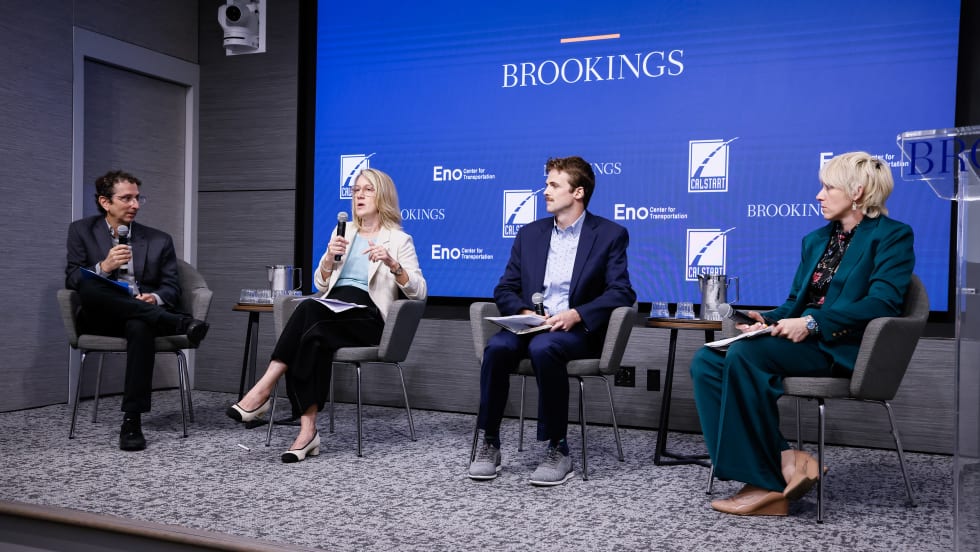
Transit Leaders Push for Bus Procurement Reforms to Reduce Costs
Industry experts said reducing unnecessary bus customization and modernizing purchasing practices could help transit agencies buy more vehicles, improve reliability, and make better use of limited funding.
Read More →
Executive Order Aims to Improve Transit Access Across California
The order directs state agencies to streamline transit project delivery, improve coordination, and expand access to bus and passenger rail services across California.
Read More →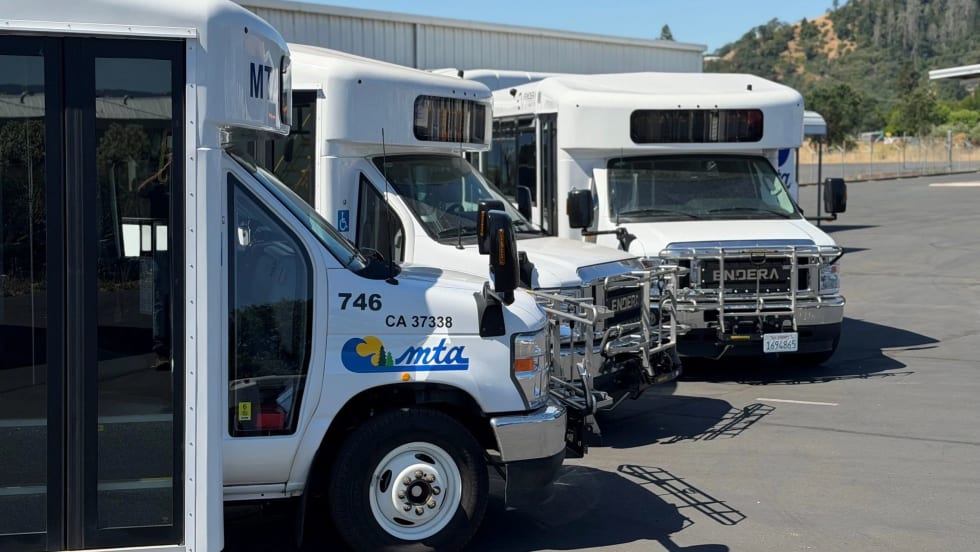
Biz Briefs: Endera Delivers to California, Safety Vision Teams with San Antonio's VIA, and More
From manufacturers and suppliers to transit agencies and motorcoach operators, these updates offer a snapshot of the projects, partnerships and business moves driving the industry forward.
Read More →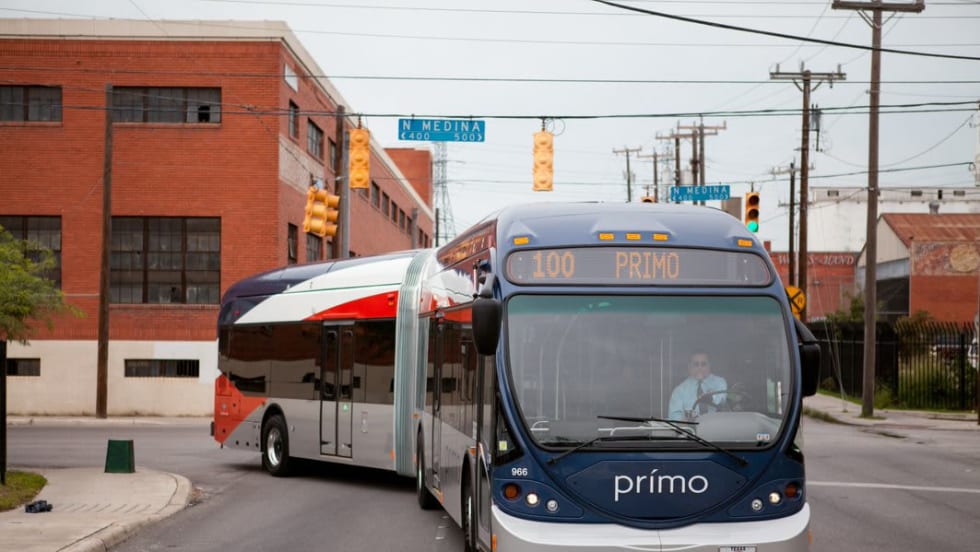
VIA's Silver Line Clears Environmental Review, Advances Toward Construction
The VIA Rapid Green Line is currently under construction, with service expected to begin in April 2028.
Read More →
Modernizing Mobility with CharterUP CEO Armir Harris
From digital transformation to evolving customer demands, CharterUP's Armir Harris offers his perspective on the transportation industry's next chapter.
Read More →
CTTC Enhances Transit Workforce Pipeline Through New Partnerships and Leadership
The group's latest initiatives focus on developing talent, expanding training opportunities and addressing workforce needs across the transit sector.
Read More →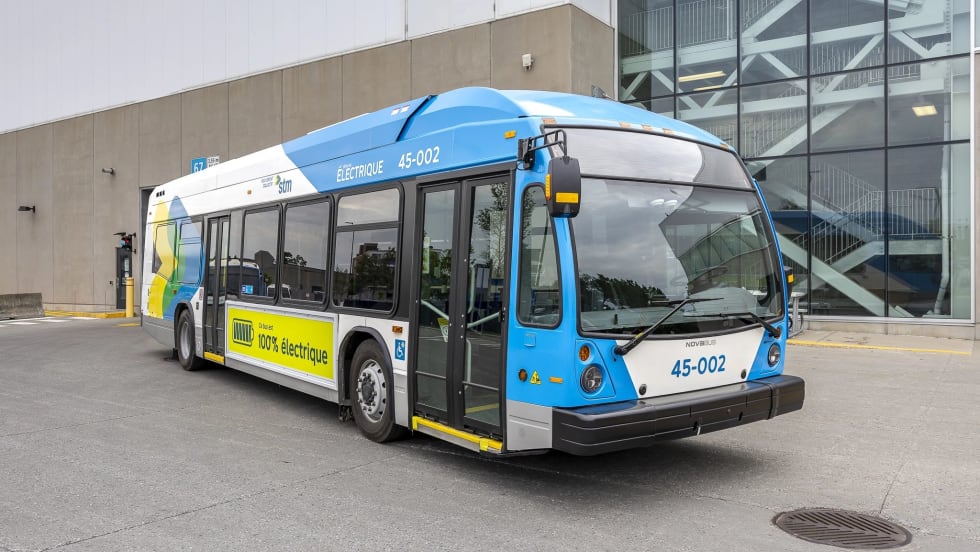
Biz Briefs: Montréal Debuts Nova Electric Buses and More
In this edition of Biz Briefs, we spotlight the latest developments shaping the future of mobility.
Read More →