



MTA releases key reports for public comment
Public input will be incorporated into a revised plan that will be formally presented to the MTA Board in September, before being submitted for final approval in Albany in October, as required by law. The MTA hopes to gain approval of the final plan by January 1, 2010, the effective date of the new five-year

On Monday, the New York Metropolitan Transportation Authority (MTA) released its "2010-2029 Twenty Year Needs" and "Preliminary 2010-2014 Capital Program" for public review and comment. Taken together, these documents identify the MTA's long-term infrastructure needs and a short-term plan to begin addressing them within current budget expectations. The documents are available at www.mta.info, where the public can also submit comments.
"The MTA's capital program is critical to maintaining the system that supports our economy, and we're pleased to be able to release the plan early to promote transparency and public input," said Helena E. Williams, the MTA's interim executive director. "We are ready to manage this capital program budget with new controls in place to mitigate risk, control costs and operate with full accountability."
Since 1982, the MTA has invested more than $75 billion in six successive programs that have restored the legacy of a system once on the brink of collapse. As a result, ridership levels are the highest since the 1950s, and infrastructure is more reliable than ever with the distance subway traveled between breakdowns increasing 1,800 percent for subway cars, 670 percent for buses and more than 500 percent for commuter railcars, according to the MTA.
The proposed 2010-2029 Twenty Year Needs and Preliminary 2010-2014 Capital Program are based on two guiding principles - rebuild the MTA's infrastructure and expand its system to accommodate growing demand. The $25.5 billion Proposed Draft 2010-2014 program focuses first and foremost on rebuilding the MTA's core infrastructure, which makes up 73 percent of the total program. Many of the proposed investments repair and replace fundamental components of the transit system:
* More than 500 new subway cars, 2,800 buses and 410 railcars;
* Signal improvements and upgrades for the commuter railroads and subways;
* Station renovations, including the introduction of a new program that targets necessary component improvements; and,
* Improved access for the disabled including audio-visual screens, low-floor buses, elevators, paratransit vehicles and ADA-compliant stations.
Wherever possible, obsolete or inefficient infrastructure will be replaced with smart investments, such as new technologies and innovative services including:
* A new contactless fare payment system to more fully integrate regional travel;
* Real time customer information to allow customers to optimize trip planning;
* Bus rapid transit initiatives, using low-floor buses, off-board fare collection, dedicated bus lanes and signal prioritization to speed bus service;
* New train control systems to increase capacity and safety on subways and commuter railroads; and,
* New subway transfers and strategic commuter rail investments to make the existing system work better for customers.
These rebuilding investments are complemented by investments to expand the system to meet growing regional demand. The MTA's expansion plan includes the completion of its three critical, ongoing projects and the analysis of a number of new initiatives:
* First phase of the Second Avenue Subway, which will relieve overcrowding on the Lexington Avenue subway lines and carry more than 200,000 customers;
* East Side Access, which will save 76,000 daily customers up to 40 minutes a day by bringing LIRR trains to Grand Central;
* Extension of the 7 subway line to 34th Street and 11th Avenue, which will support development of Manhattan's Far West Side;
* Study of Staten Island's North and West Shore travel corridors, which will identify ways to support faster and more reliable transit service on Staten Island;
* Queens Boulevard Corridor study, which will evaluate solutions for meeting today's high demand and serving projected population and employment growth as well;
* Regional bus analysis to learn about the opportunities and challenges of a more unified regional bus system; and,
* Continued study of Tappan Zee corridor, which will evaluate alternatives for the Bridge, including transit, to reduce congestion and improve mobility.
The $25.5 billion draft plan includes funding assumptions from local, state and federal partners, but requires an additional approximately $10 billion to implement the program as presented. Public input will be incorporated into a revised plan that will be formally presented to the MTA Board in September, before being submitted for final approval in Albany in October, as required by law. The MTA hopes to gain approval of the final plan by January 1, 2010, the effective date of the new five-year plan.
More Bus
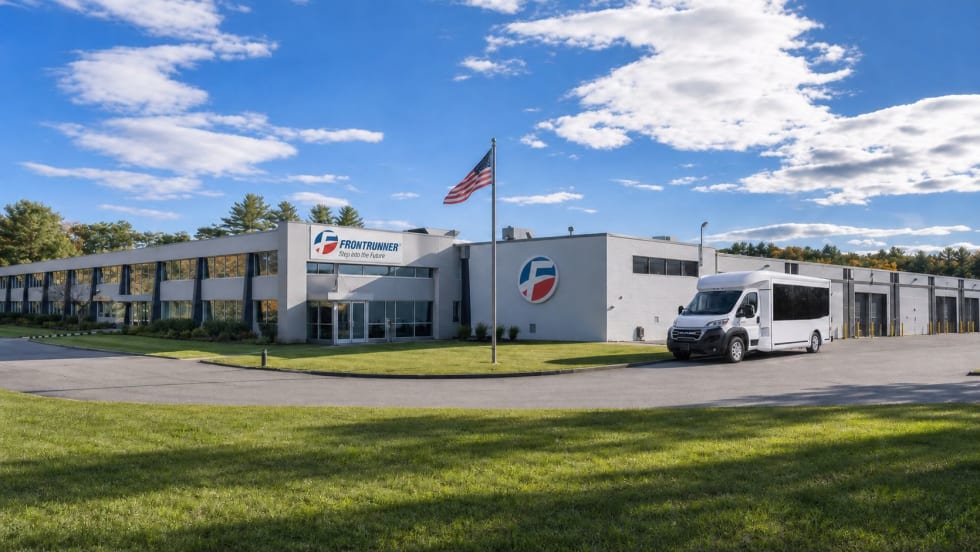
Frontrunner Bus Group Expands with New Massachusetts Headquarters
The significantly larger facility will provide the infrastructure needed to support the company’s growing workforce, advanced technologies, and expanding product line.
Read More →
Joshua Schank on Transportation Innovation, Risk, and the Future of Mobility
In this edition of METROspectives, Joshua Schank discusses lessons from launching LA Metro’s Office of Extraordinary Innovation, the challenges of advancing new mobility technologies, and much more.
Read More →
Reinventing Fleet Maintenance with Real-time Visibility and AI
Transit leaders need to know what needs fixing, where to look, who is responsible, when work is completed, and what it costs without having to chase information across disconnected systems.
Read More →
SamTrans Sets Priorities for Potential Connect Bay Area Revenue
The board-approved framework allocates future funding to maintaining service, rider improvements, equity initiatives, and infrastructure repairs.
Read More →
When Routine Fails: How Public Transit Must Adapt for the World Cup
The 2026 FIFA World Cup will test transit agencies’ ability to manage unpredictable travel patterns, making real-time data and operational flexibility critical to moving millions of visitors efficiently.
Read More →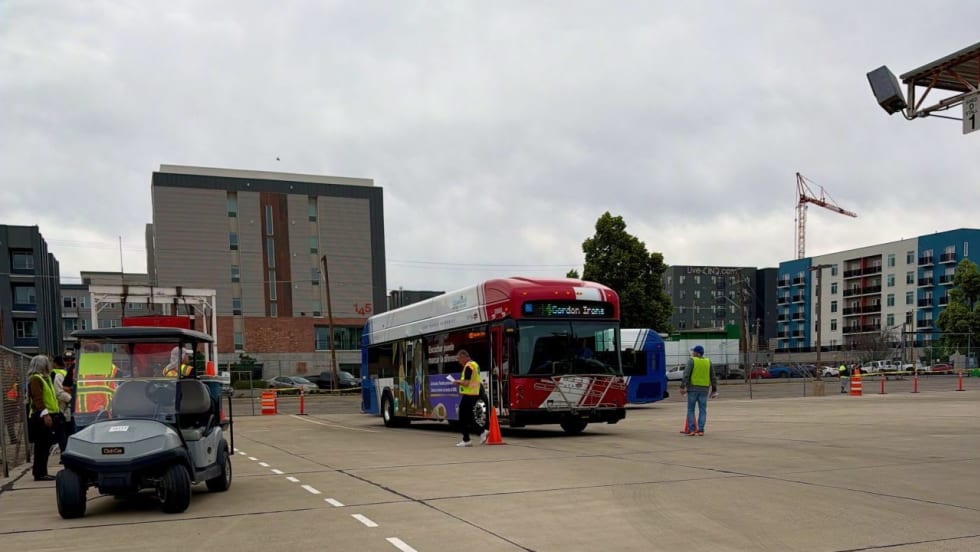
Photo Highlights from APTA's 2026 Mobility Conference
The photo gallery captures scenes from the conference, including the International Bus Roadeo, exhibit hall activities, the Bus Showcase, and much more.
Read More →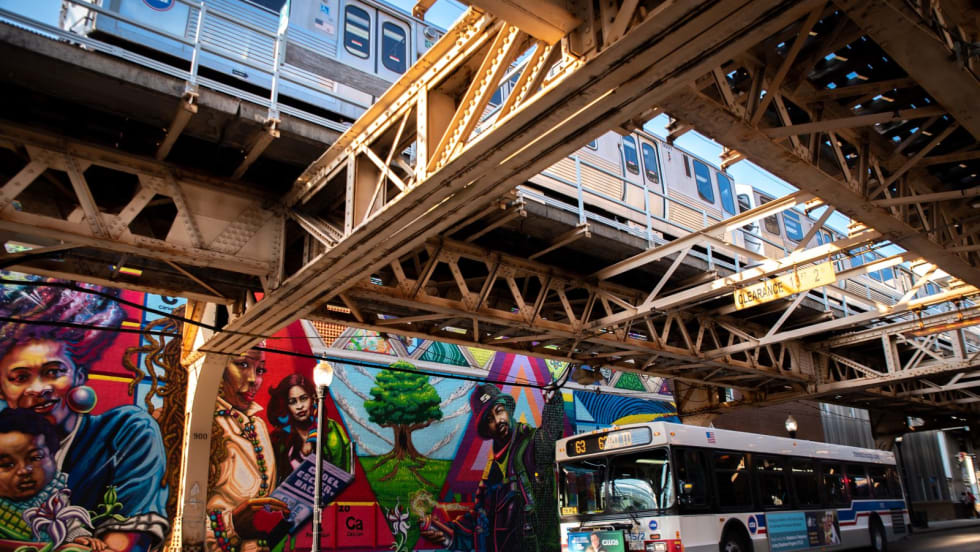
Chicago's NITA Act Moves Into Next Phase as Service Improvements Begin
Rider-focused improvements will begin rolling out across the system immediately as CTA, Metra, and Pace increase service this summer in the six-county region.
Read More →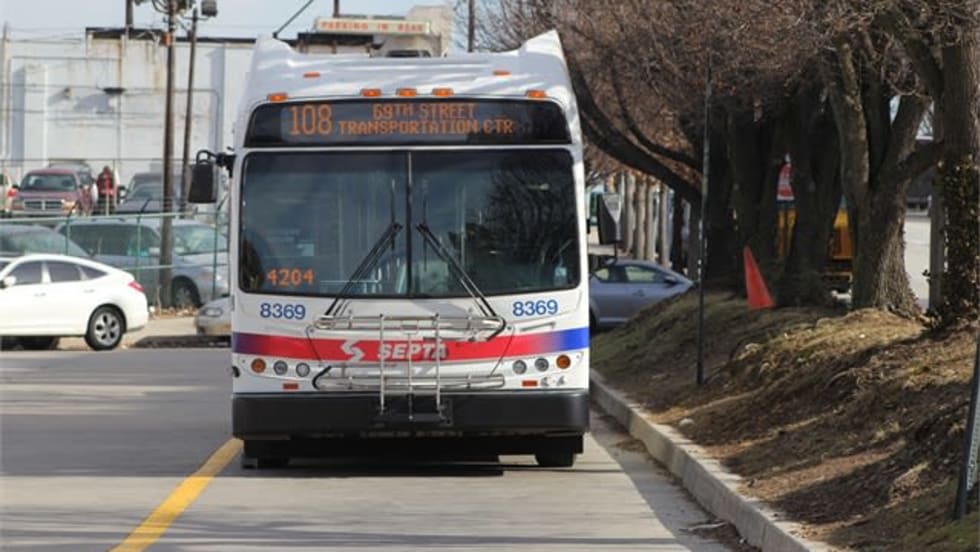
Philadelphia's SEPTA Approves Annual Transit Service Plan
Between 2021 and 2024, SEPTA held more than 200 public meetings — including 144 in-person sessions — throughout the SEPTA service region.
Read More →
A True Low-Floor Minibus Design Delivers Better Accessibility and Efficiency for Everyone
As transit demands evolve, so should your fleet. Download the whitepaper to see how the Low-Floor Frontrunner Minibus compares to traditional options.
Read More →
WMATA Debuts 'Fares Pay for Service' Awareness Campaign
The campaign was highlighted during a media event at the Paul S. Sarbanes Transit Center in Silver Spring, where WMATA’s GM/CEO Randy Clarke joined Metro Transit Police officers, WMATA management team, board members, and staff to expand fare enforcement and customer education efforts on Metro Bus routes throughout the region.
Read More →