



Safety Advocates file petition to curb cell use
Study found that texting increased the risk of a safety-critical driving event for truck drivers by 23.2 times. Another study conducted in 2006 found that drivers using cell phones failed to stop at stop signs 10 times more often than drivers not using cell phones.

Advocates for Highway and Auto Safety (Advocates) filed a petition, on Thursday, with the U.S. Department of Transportation (U.S. DOT) to initiate federal rulemaking to prohibit or restrict the use of unsafe electronic devices, for talking, texting and other purposes, by operators of commercial motor vehicles, such as motorcoach buses, tractor trailers and large vans.
Advocates (www.saferoads.org) filed the petition for rulemaking with the Federal Motor Carrier Safety Administration (FMCSA), calling on the agency to:
Immediately open a rulemaking proceeding to determine the safety of electronic devices used by drivers operating a CMV.
Evaluate all wireless electronic devices used for telecommunications, telematics, entertainment and driver assistance (regardless of whether they are mobile or installed into the vehicle electronics platform) that can be used by drivers while operating a CMV.
Determine which devices interfere with the safe operation of CMVs.
Permit exceptions only in emergency situations, and exempt law enforcement and emergency responders who operate CMVs in the conduct of their official duties.
Make the violation of using a prohibited or restricted device while operating a CMV a safety violation that automatically triggers the issuance of an Out-of-Service (OOS) order.
Apply the rule to all CMV drivers under FMCSA jurisdiction.
Issue a rule to prohibit or restrict the use of devices that interfere with the safe operation of CMVs, and explain the conditions under which devices that are restricted can be used.
A Virginia Tech study issued this year, which was the first to investigate the effects on crash risk of reading and sending text messages, found that texting increased the risk of a safety-critical driving event for truck drivers by 23.2 times. Another study conducted in 2006 found that drivers using cell phones failed to stop at stop signs 10 times more often than drivers not using cell phones.
In 2006, the National Transportation Safety Board issued a safety recommendation urging FMCSA to ban cell phone use by commercial drivers license (CDL) holders who operate motorcoaches or school buses.
In July of this year, the Washington Area Metropolitan Transit Authority (Metro) issued a zero-tolerance policy for Metro bus and rail operators using mobile devices while on the job, while one year ago the Federal Railroad Administration issued an Emergency Order restricting the use electronic devices by railroad employees after a commuter/freight train head-on collision.
According to the National Highway Traffic Safety Administration, at any given moment 11 percent of all motorists are using cell phones while driving, and 25 percent of all police-reported crashes may involve distracted driving.
Advocates for Highway and Auto Safety is an alliance of consumer, health, law enforcement and safety groups and insurance companies and agents working together to make America's roads safer.
For a copy of Advocates' "Distracted Driving Petition for Rulemaking," click here.
More Motorcoach

From Surviving to Thriving: Building Stronger Transportation Organizations
Bus Business Consultants founder Brian Dickson shares lessons on leadership, organizational health, and creating options for long-term success in a changing transportation industry.
Read More →
Report: Canadian Motorcoach Industry Generates $4.4B in Economic Impact
The 2025 Motorcoach Economic Impact Report finds motorcoach travel supported nearly 25,000 jobs and generated $980 million in federal, provincial, and local taxes.
Read More →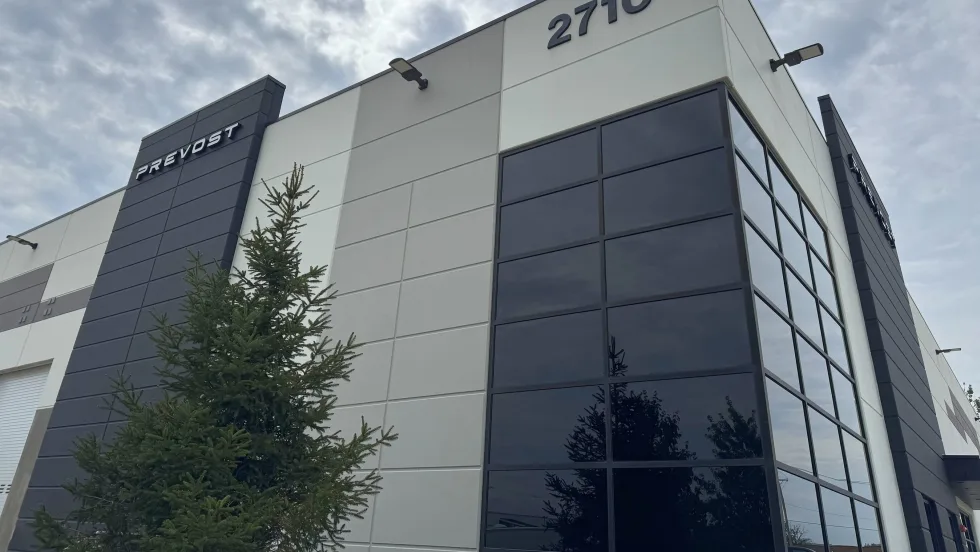
Prevost Opens Expanded Chicago-Area Service Center
The $8.1 million Elk Grove Village investment nearly triples facility space while adding service capacity, parts storage, and customer amenities.
Read More →
People Movement: Dan Dipert Coaches Adds Third-Generation Leader, Keolis Names New Valley Metro VP/GM, and More
In this edition, we also cover recent appointments and announcements at the Wabtec, SilverRide, HNTB, and more, showcasing the individuals helping to shape the future of transportation.
Read More →
METRO Opens Submissions for 2026 Motorcoach Awards
Nominations are now being accepted for METRO Magazine’s Operator of the Year and Innovative Operator of the Year awards.
Read More →
Biz Briefs: Alstom Lands Canadian Contract, LYT to Supply California TSP, and More
In METRO's latest installment, we take a look at recent news from Complete Coach Works, Beep, FlixBus, and more partnerships making headlines across the transportation sector.
Read More →
Biz Briefs: RIPTA Unveils New Frontrunners, Clevland RTA Adds New Siemens, and More
In METRO's latest installment, we take a look at recent news from Siemens, Prevost, Dodge, and more partnerships making headlines across the transportation sector.
Read More →
People Movement: Holly Arnold Joins Transdev and More
In this edition, we also cover recent appointments and announcements at Pace, CamTran, MCI, and more, showcasing the individuals helping to shape the future of transportation.
Read More →
ABA Report: Motorcoach Travel Generates $161.6B Economic Impact
The 2025 analysis finds motorcoach travel supported nearly 900,000 jobs and generated $28 billion in federal, state, and local taxes.
Read More →
CharterUP’s Armir Harris on Technology, AI, and the Future of Group Mobility
In a recent episode of METROspectives, CharterUP Founder/CEO Armir Harris discussed the company’s evolution from an online charter bus marketplace into a technology platform supporting public- and private-sector mobility and much more.
Read More →