



U. Nebraska to curb parking violations, collect fines
Parking Services began applying wheel locks to the vehicles of individuals who have unpaid citations. The wheel locks, commonly known as "boots," can be applied to any vehicle with any unpaid citation that is older than 30 days.

Parking and Transit Services at the University of Nebraska-Lincoln is offering two new programs aimed at helping occasional campus parkers and collecting outstanding fines.
On Oct. 1, Parking Services began applying wheel locks to the vehicles of individuals who have unpaid citations. The wheel locks, commonly known as "boots," can be applied to any vehicle with any unpaid citation that is older than 30 days.
"We will impound by wheel lock only for unpaid citations," said Dan Carpenter, director of Parking and Transit Services. "The application of the wheel lock is not determined by the number of unpaid citations. Any unpaid citation that is more than 30 days old will result in impoundment by wheel lock."
Two boots will be placed on each vehicle with unpaid citations. The boots will be applied from 7 a.m. to 6 p.m. Monday through Thursday, and 7 a.m. to 3 p.m. on Fridays. A special easy-to-remove information sticker will also be applied to booted vehicles. Boots won't be applied in inclement weather or if they don't fit the vehicle's wheels.
Vehicles that have been booted can be released by paying the outstanding citation balance. An additional boot and release fee of $35 will be charged. Individuals can pay fines online or at the Parking and Transit Services office. Individuals must contact the department to have wheel locks removed after payment is made.
Any vehicle that remains booted by 7:30 p.m. Monday through Thursday and 4:30 p.m. on Friday will be towed to the city of Lincoln impound lot.
Carpenter said UNL's use of the wheel locks saves money for people with unpaid citations. The boot release fee is $35 compared to the tow fee of $53. Keeping the vehicles on campus instead of in the city impound yard is also useful to parking users and acts as a deterrent for others considering breaking parking rules.
"If the vehicle remains on campus, individuals can get into their vehicle and retrieve the stuff they need to pay the fine," said Carpenter. "It will also reduce the number of people who think their vehicle has been stolen when it was really towed for unpaid citations."
Another new feature this fall for faculty, staff and students is an "occasional parking permit," intended for faculty, staff and students who do not regularly park on campus. The one-time use permits utilize scratch off areas that allow owners to show the day of use. The occasional permits are good for specific parking lots.
The permits are sold in packs of 10 for $40 or 20 for $80. Carpenter said the program is modeled after a program at the University of Virginia. He said a member of the Faculty Senate proposed the idea. The occasional permits are a discounted rate over the single-day permits offered by Parking Services.
Parking is also adopting Nebraska's escalating fines for illegal parking in handicapped areas. Carpenter said the first offense is a $150 fine, second offense is $300 and third is $500. The vehicle will be towed with each offense.
For more information on programs offered by Parking and Transit Services, go to http://parking.unl.edu.
More New Mobility
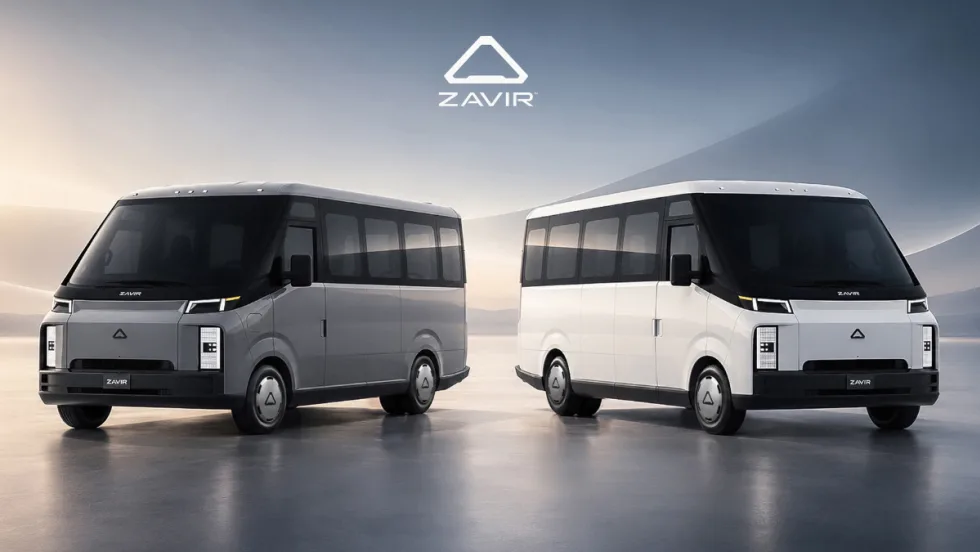
ENC Unveils ZAVIR Medium-Duty Electric Shuttle
The new ZAVIR brand targets shuttle and paratransit operations with battery-electric and range-extended electric vehicle options.
Read More →
Public Transit Conference Returning to GFX in 2027, Call for Papers Now Open
The Call for Papers is now open, allowing transit agency professionals and industry experts to help shape the PTC educational program by submitting session ideas for consideration.
Read More →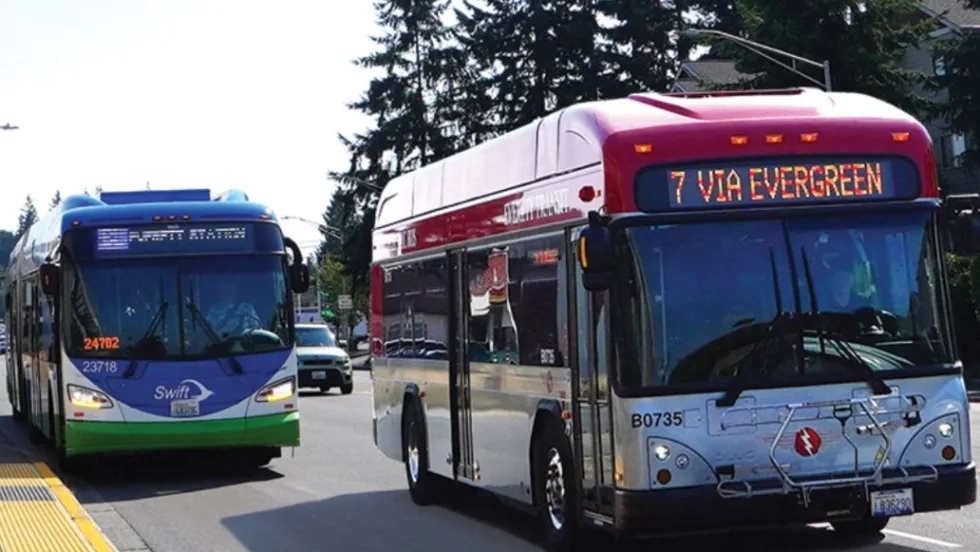
Everett Transit, Community Transit Outline Consolidation Agreement
The proposed agreement calls for a 50% increase in bus service in Everett, a new microtransit zone, continued paratransit service, and the transfer of Everett Transit operations to Community Transit.
Read More →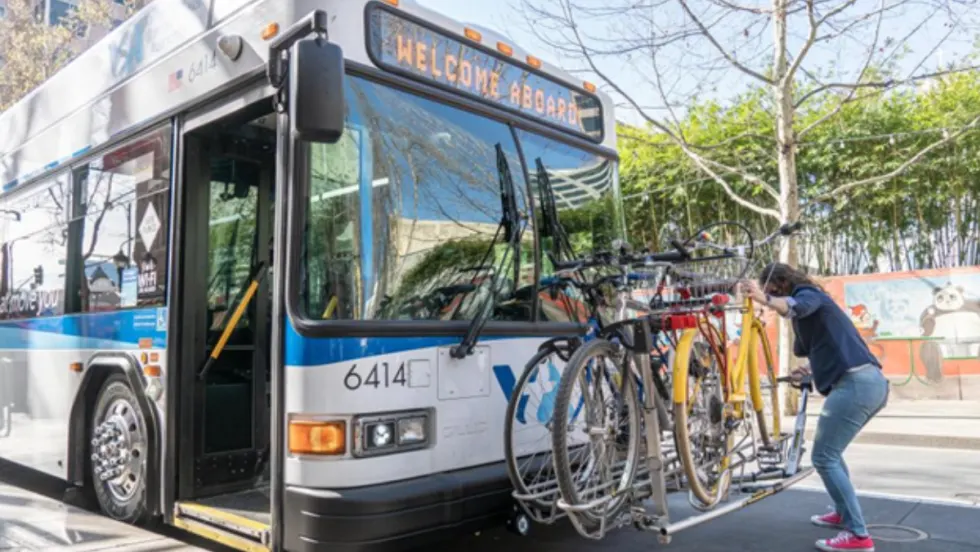
What Multimodal Data Can Tell Transit Agencies About Rider Demand
See how bike-on-bus data is giving transit agencies new insight into rider demand, capacity constraints, and gaps in first- and last-mile connections.
Read More →
From Hardware to Digital Partner: Luminator Charts Its Next Chapter
CEO Magnus Friberg discusses Luminator’s shift toward becoming a digital partner, the growing importance of software and interoperability, and how AI can help agencies improve operations and passenger experience.
Read More →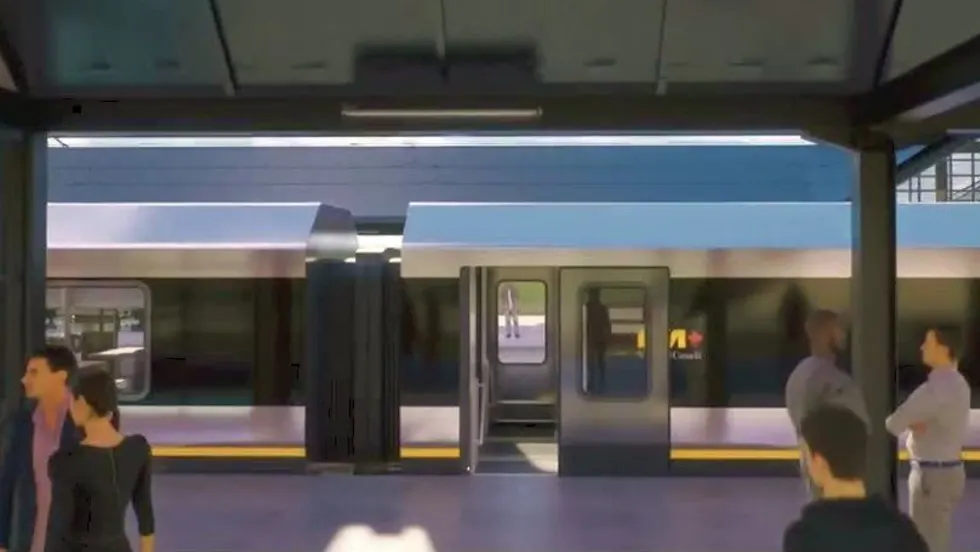
Biz Briefs: Alstom Lands Canadian Contract, LYT to Supply California TSP, and More
In METRO's latest installment, we take a look at recent news from Complete Coach Works, Beep, FlixBus, and more partnerships making headlines across the transportation sector.
Read More →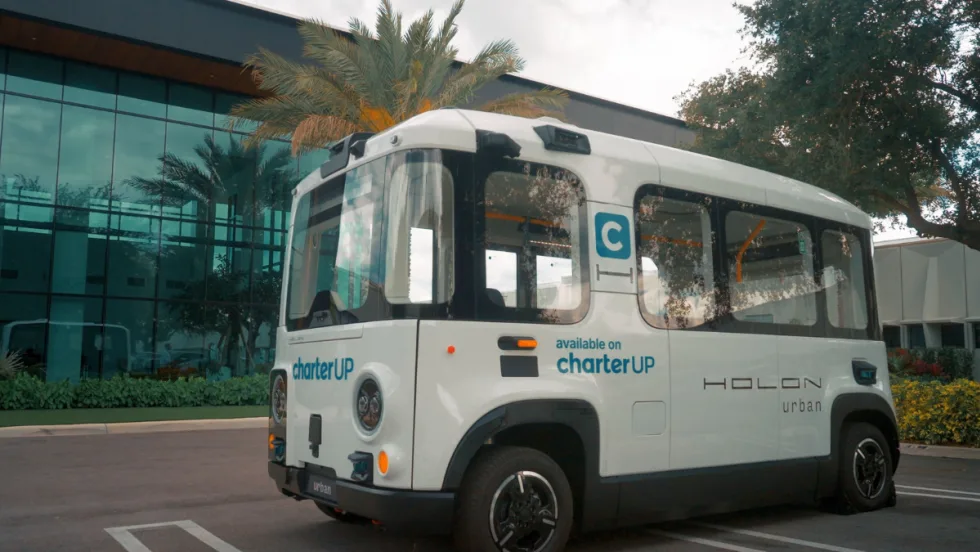
CharterUP’s Armir Harris on Technology, AI, and the Future of Group Mobility
In a recent episode of METROspectives, CharterUP Founder/CEO Armir Harris discussed the company’s evolution from an online charter bus marketplace into a technology platform supporting public- and private-sector mobility and much more.
Read More →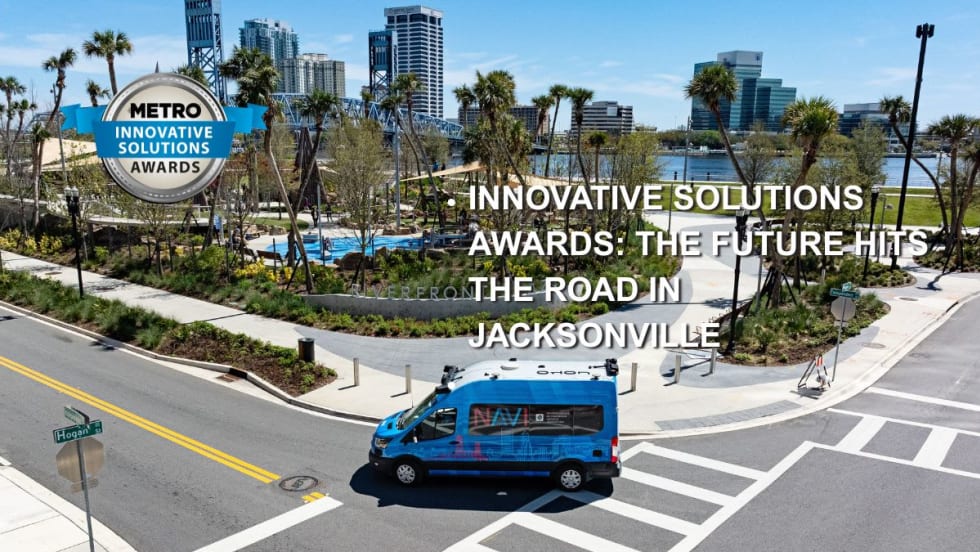
Jacksonville’s NAVI Project Charts a New Course for Autonomous Public Transportation
Through its NAVI program, JTA is showing how autonomous vehicles, intelligent infrastructure, and coordinated operations can work together to deliver everyday public transportation.
Read More →
Biz Briefs: Luminator Marks Milestone and More
From manufacturers and suppliers to transit agencies and motorcoach operators, these updates offer a snapshot of the projects, partnerships and business moves driving the industry forward.
Read More →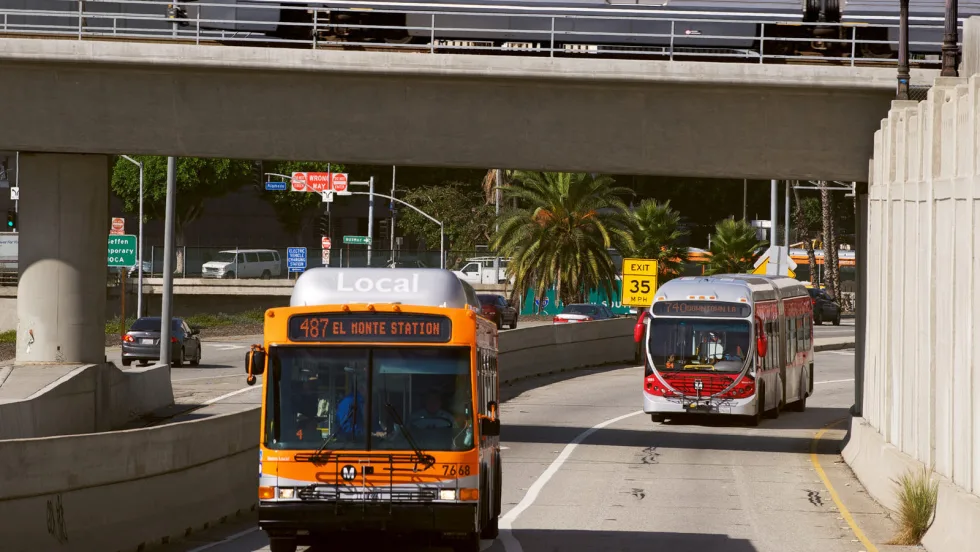
New Tricks for Old Bureaucracies: Joshua Schank on Making Transit Innovation Stick
Former LA Metro Chief Innovation Officer Joshua Schank discusses why good ideas aren't enough, how transit agencies can overcome resistance to change, and why today's challenges demand more innovation.
Read More →