



D.C. Metro to revamp bus stops
Proposed designs include designated locations for passengers to enter or exit the bus; accessible pathways for customers who use wheelchairs; new signs, maps and schedules; and seating and shelters.

Washington Metropolitan Area Transit Authority (Metro) planners are in the process of developing guidelines for Metrobus stop design and placement in an effort to improve the overall customer experience and ensure that common elements like accessibility, customer information and physical design are incorporated into all new or relocated bus stops.
Approximately 12,000 Metrobus stops are located throughout the Washington, D.C. region, and most of them are owned and maintained by the jurisdictions where they are located. There are 4,566 bus stops in Maryland, 3,488 in the District of Columbia and 3,329 in Virginia. Metro owns the remaining 412 bus stops, which are mostly located at Metrorail stations.
The guidelines are intended to provide Metro and its jurisdictional partners with specific physical design criteria to be integrated with local comprehensive plan policies, land use ordinances, pedestrian plans and street design guidelines. They are also meant to improve the information that is provided to bus riders so they can easily tell which bus routes serve the stop, bus scheduled departures, the availability of Next Bus information and maps that show where the bus routes go.
Some of the common design elements that are proposed for each bus stop include designated locations for passengers to enter or exit the bus; accessible pathways for customers who use wheelchairs; new signs, maps and schedules; and seating and shelters.
Metro planners also are reviewing bus stop spacing and the appropriate number of bus stops that should be located per mile. “Other transit systems have found that four or five stops per mile provide the best balance of customer access and operational efficiency,” said Jim Hamre, Metro’s acting director, bus planning.
More Bus
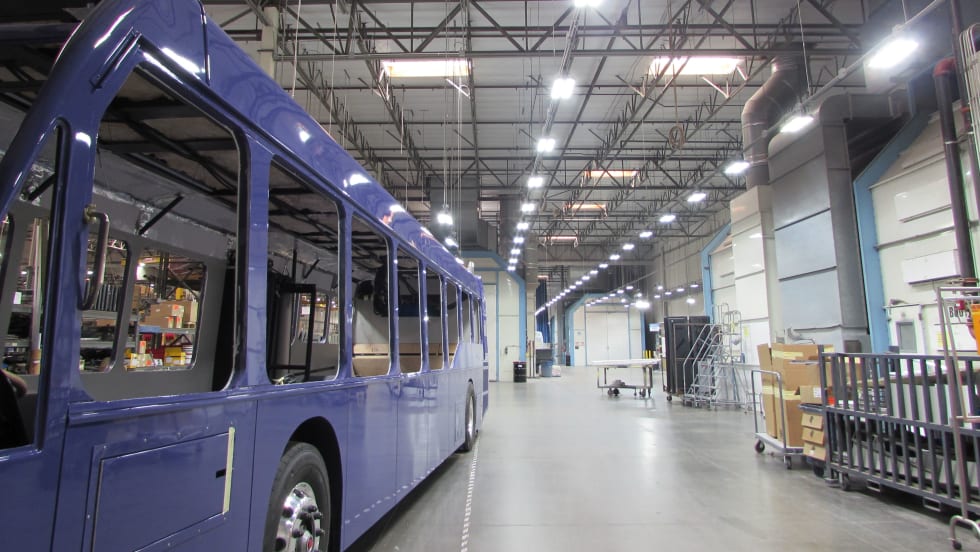
ENC to Deliver Three Clean Diesel Buses to Canada's York Region Transit
Since 2005, City View and ENC have supplied nearly 90 E-Z Rider II buses to YRT.
Read More →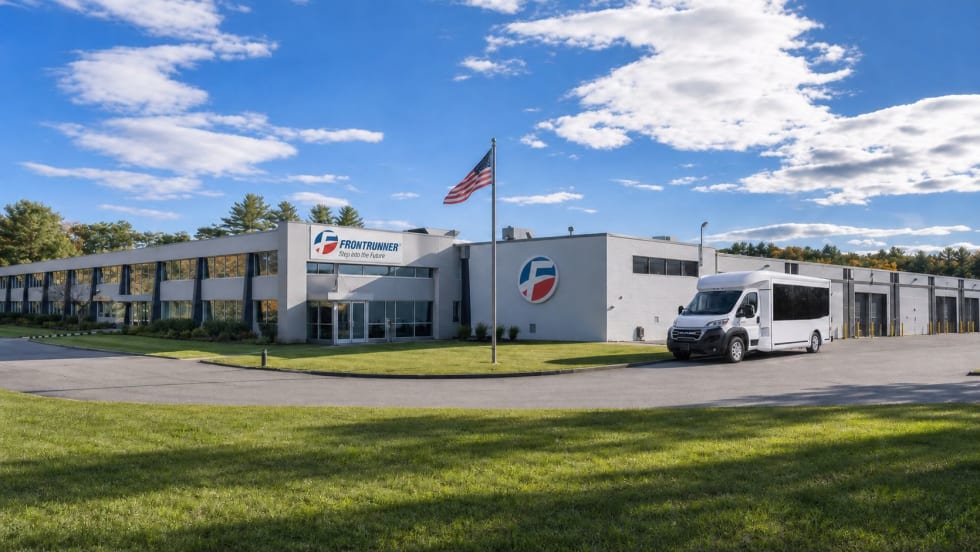
Frontrunner Bus Group Expands with New Massachusetts Headquarters
The significantly larger facility will provide the infrastructure needed to support the company’s growing workforce, advanced technologies, and expanding product line.
Read More →
Joshua Schank on Transportation Innovation, Risk, and the Future of Mobility
In this edition of METROspectives, Joshua Schank discusses lessons from launching LA Metro’s Office of Extraordinary Innovation, the challenges of advancing new mobility technologies, and much more.
Read More →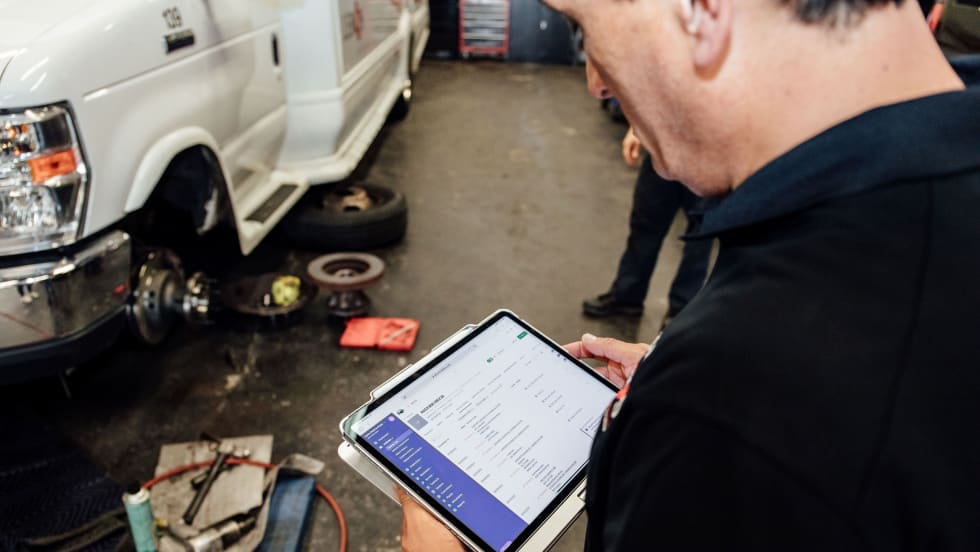
Reinventing Fleet Maintenance with Real-time Visibility and AI
Transit leaders need to know what needs fixing, where to look, who is responsible, when work is completed, and what it costs without having to chase information across disconnected systems.
Read More →
SamTrans Sets Priorities for Potential Connect Bay Area Revenue
The board-approved framework allocates future funding to maintaining service, rider improvements, equity initiatives, and infrastructure repairs.
Read More →
When Routine Fails: How Public Transit Must Adapt for the World Cup
The 2026 FIFA World Cup will test transit agencies’ ability to manage unpredictable travel patterns, making real-time data and operational flexibility critical to moving millions of visitors efficiently.
Read More →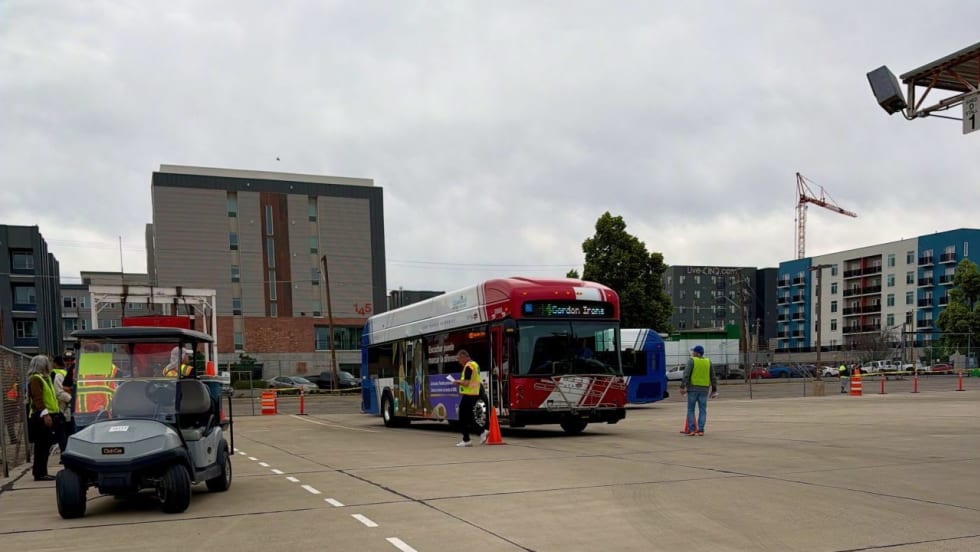
Photo Highlights from APTA's 2026 Mobility Conference
The photo gallery captures scenes from the conference, including the International Bus Roadeo, exhibit hall activities, the Bus Showcase, and much more.
Read More →
Chicago's NITA Act Moves Into Next Phase as Service Improvements Begin
Rider-focused improvements will begin rolling out across the system immediately as CTA, Metra, and Pace increase service this summer in the six-county region.
Read More →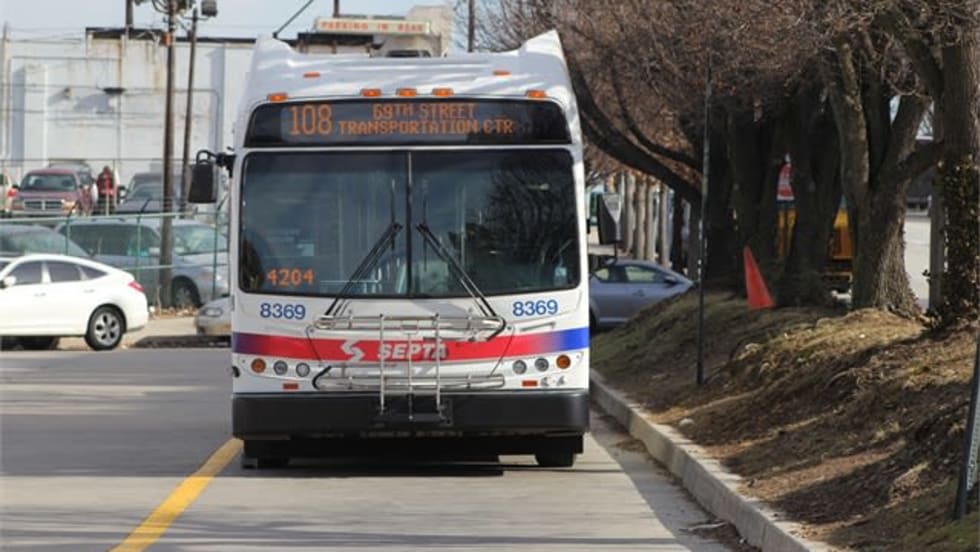
Philadelphia's SEPTA Approves Annual Transit Service Plan
Between 2021 and 2024, SEPTA held more than 200 public meetings — including 144 in-person sessions — throughout the SEPTA service region.
Read More →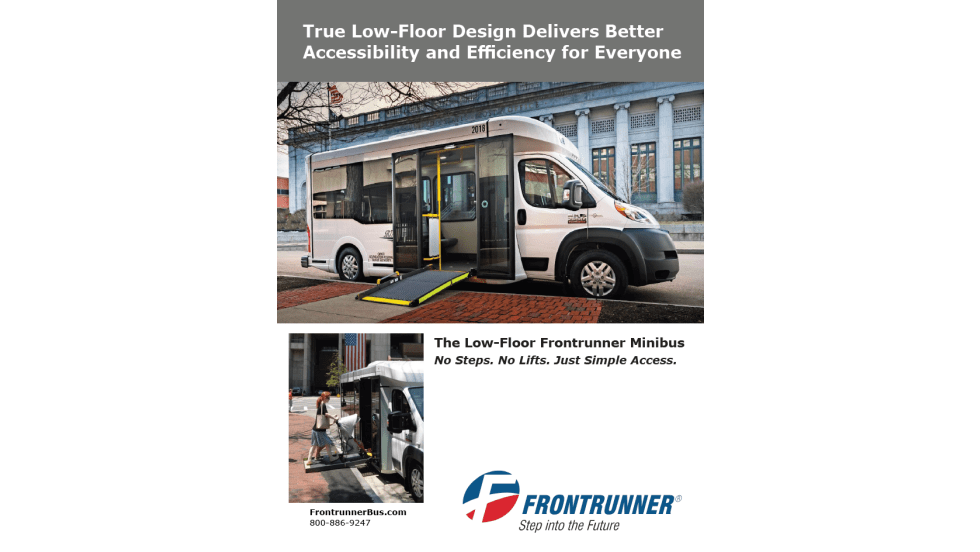
A True Low-Floor Minibus Design Delivers Better Accessibility and Efficiency for Everyone
As transit demands evolve, so should your fleet. Download the whitepaper to see how the Low-Floor Frontrunner Minibus compares to traditional options.
Read More →