



German rail to implement Bombardier energy storage system
Allows vehicles up to 30 percent energy use reduction and is capable of catenary-free operation. The RNV has ordered a total of 19 light rail vehicles with the energy storage system.

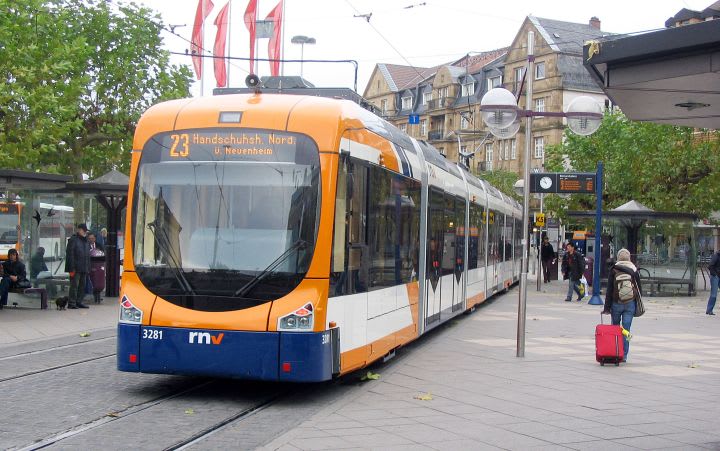
The RNV has ordered a total of 19 light rail vehicles with the MITRAC Energy Saver. They will enter service by the end of 2010.
[IMAGE]mitrac1.jpg[/IMAGE]Rhein-Neckar-Verkehr GmbH (RNV) is set to commission the first six new Variobahn type Bombardier trams at its Heidelberg site in Germany. These trams are the first to feature the commercial application of the Bombardier MITRAC Energy Saver, an energy storage system. Thanks to this system, vehicles require up to 30 percent less energy and are capable of catenary-free operation.
"The new system not only allows us to reduce energy costs — we are also the first operator in the world to use this technology in all new vehicles. It is, therefore, no surprise that we were awarded the innovation prize by the federal state of Baden-Wuerttemberg for the MITRAC Energy Saver at the beginning of the year," said Martin in der Beek, chief technical officer of Rhein-Neckar-Verkehr GmbH. "We will save about 93,000 kWh of electrical energy per vehicle each year. That also benefits our region due to lower emissions when generating electricity at the power station."
The MITRAC Energy Saver, part of the ECO4 portfolio of Bombardier Transportation, utilizes an energy recovery system: three roof-mounted energy storage units use their capacitors to store the energy generated during braking, ready to release it again when accelerating or during operation.
The high-performance double-layer capacitors of the system store up to 3 kWh per vehicle. When starting up and accelerating, vehicles require a particularly large amount of electricity and put a significant burden on the power supply network. This is reduced by about 40 percent with the Energy Saver.
Yet another advantage of the Bombardier energy storage is the catenary-free operation using the stored energy in sections without contact wires. The technology might also be used on two route sections planned at Neuenheimer Feld in Heidelberg, where the electrical fields of the contact wire could possibly interfere with the highly-sensitive measuring instruments of the University's Physical-Technical Institute and the German Cancer Research Centre.
Thirteen more vehicles will be supplied in 2010 for Line 5 and sections in Mannheim. The RNV has ordered a total of 19 light rail vehicles with the new energy storage system. They will enter service by the end of 2010.
More Rail
New York MTA Leverages Zoning Program to Advance Station Accessibility
Accessibility enhancements at Nevins St Station will be financed through a development agreement tied to the MTA's Zoning for Accessibility initiative.
Read More →
Virginia's $28.5B Transportation Plan Targets Transit and Rail
Approved by the Commonwealth Transportation Board, the program supports ongoing infrastructure projects while providing new investments in transit, state of good repair and transportation alternatives.
Read More →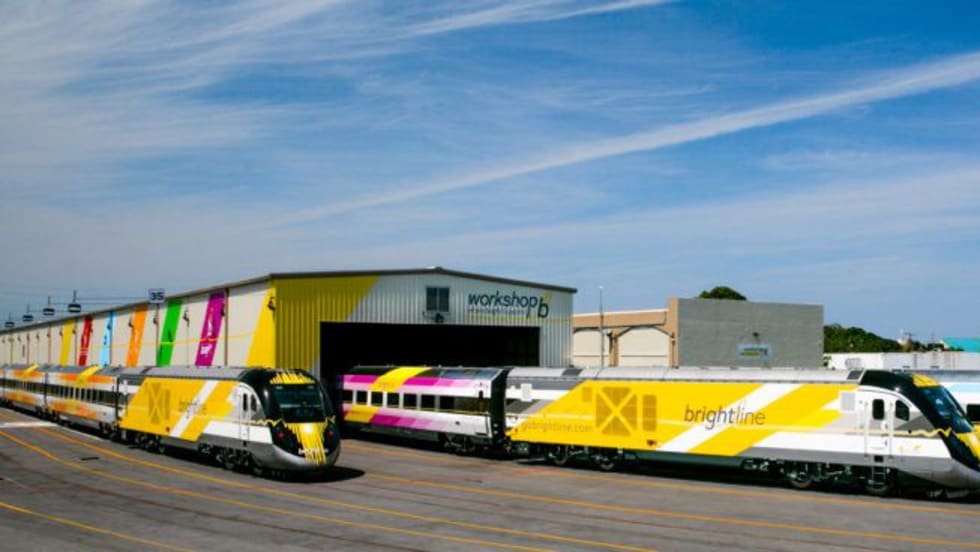
DOT: Brightline Corridor Incidents Fall 30% Following Federal Safety Upgrades
Safety improvements funded through a $25 million federal investment are credited with reducing trespassing and train-vehicle collisions along the Brightline Florida corridor.
Read More →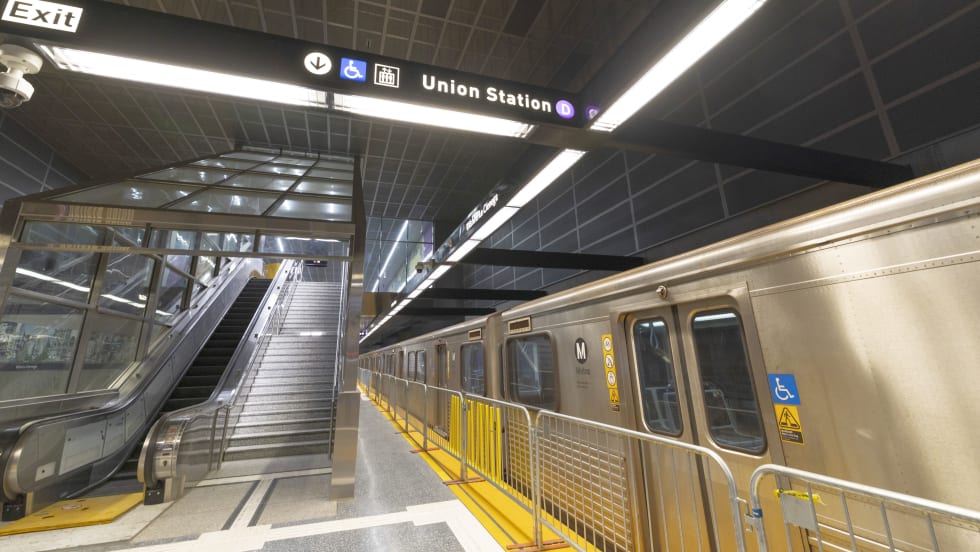
D Line Expansion Fuels Growth Across LA Metro's Rail System
Weekend rail ridership was especially strong, soaring 18% as riders embraced expanded access to jobs, entertainment, dining, and cultural destinations, said the agency. Total system ridership for May, including bus and rail, was 26,966,657.
Read More →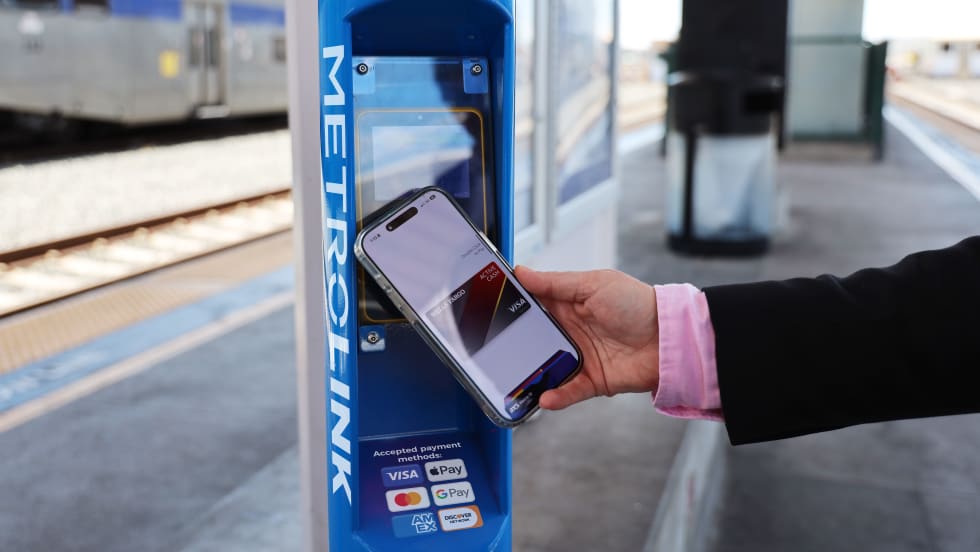
Southern California's Metrolink Debuts Contactless Fare Payment Pilot
Customers traveling between Redlands and Los Angeles can now tap their preferred payment method, including a credit or debit card, mobile wallet, or wearable device, at station validators before boarding and again while exiting.
Read More →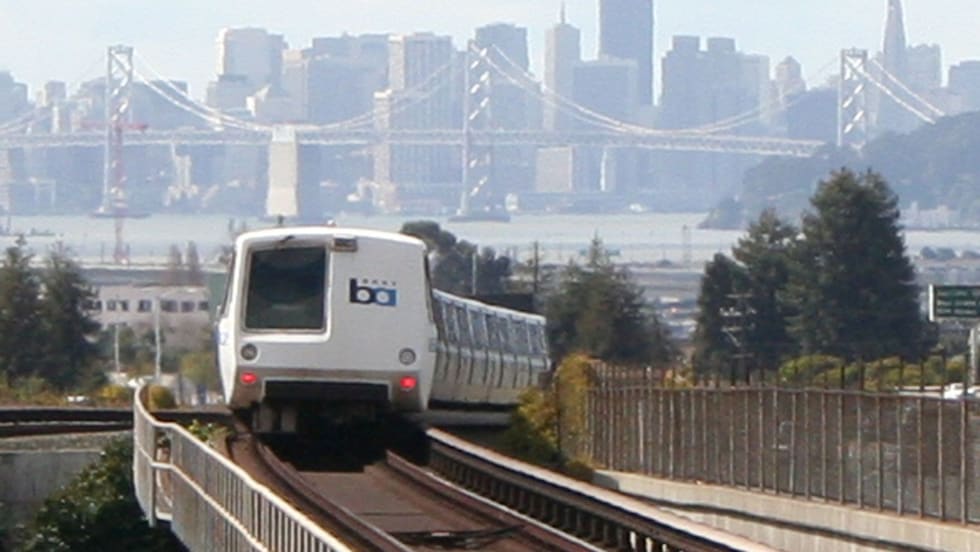
California's BART Approves FY27 Budget While Maintaining Service Levels
The budget covers July 1, 2026, through June 30, 2027, a period when pandemic emergency funds run out, the District faces a structural deficit of $375 million, and a regional transit funding measure may appear on the November ballot.
Read More →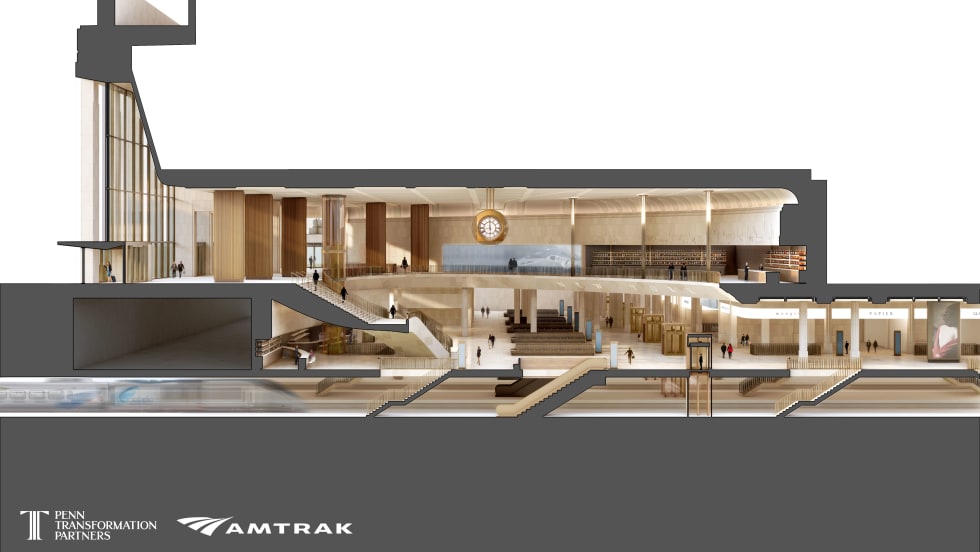
Penn Station Transformation Advances with Design Unveiling
The historic redesign will transform the busiest transit hub in the Western Hemisphere from the tracks to the street level, creating a more efficient, cleaner, and functional experience for more than 600,000 daily commuters and millions of visitors.
Read More →
Second Avenue Subway Phase 2 Advances into Major Construction Stage
New York Governor Kathy Hochul joined leadership from the MTA, elected officials, and Harlem community leaders to break ground on the major construction stage of the transformative Second Avenue Subway Phase 2 project.
Read More →
The Invisible Infrastructure of Passenger Flow
What a seat reservation system on Austria’s Railjet trains reveals about the future of rider experience, and why U.S. agencies should pay attention.
Read More →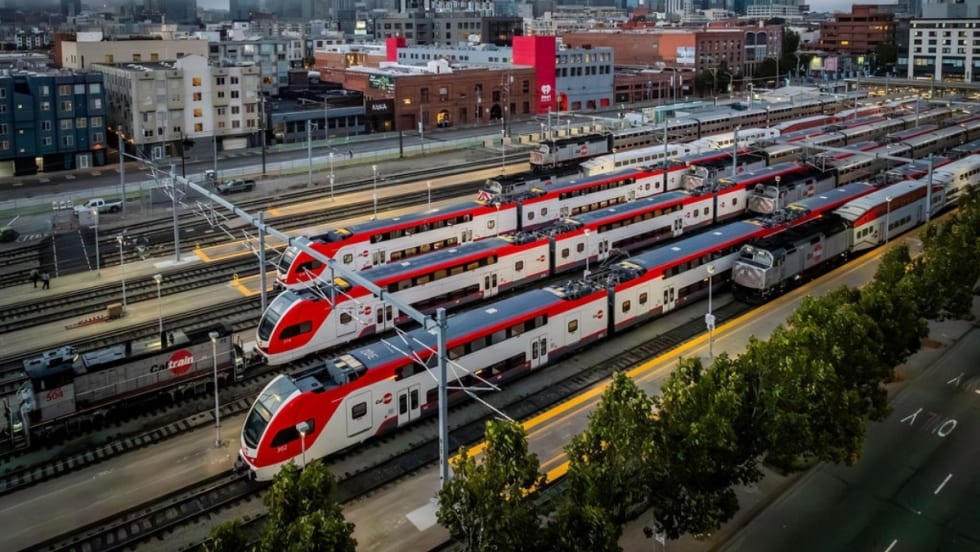
Caltrain Board Approves FY27 Budget, Endorses Efficiency Measures
The move ensures Caltrain service will continue operating as usual in the near term, but long-term financial challenges remain for the rail agency absent a new revenue source.
Read More →