



Guide helps colleges, universities reduce GHG emissions
Explores the challenges, both real and perceived, to significant reductions, and provides successful examples, and resources necessary to address the challenges.

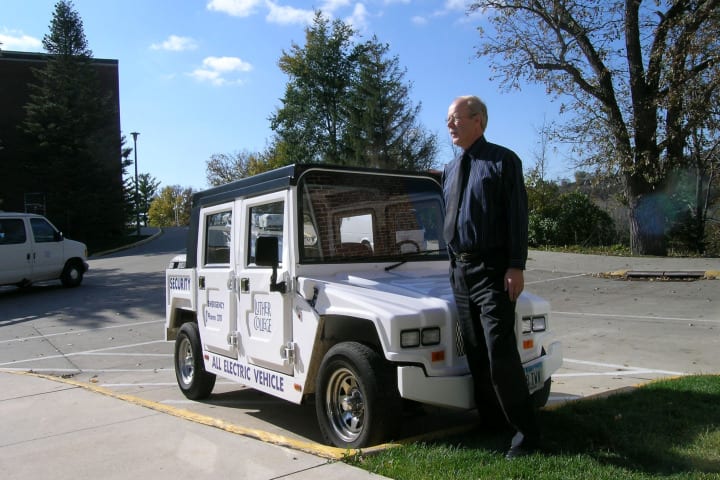
Decorah, Iowa-based Luther College employed electric vehicles in its energy saving program. Photo courtesy Rocky Mountain Institute.
[IMAGE]Luther-college-electric-vehicle-full.jpg[/IMAGE]A new book released by Snowmass, Colo.-based environmental nonprofit, Rocky Mountain Institute (RMI), offers practical tips for colleges and universities on how to reduce greenhouse gas emissions. It features examples of efforts from 12 campuses across the U.S.
The book titled Accelerating Campus Climate Initiatives: Breaking Through Barriers, covers five topics: Climate action planning; buildings and utilities; renewable energy; transportation; and carbon offsets. It is a practical guide for anyone working in a college or university setting to reduce greenhouse gas emissions on their campus.
It explores the challenges, both real and perceived, to significant reductions, and provides successful examples and resources necessary to address the challenges. The book is available as a free download at: http://www.rmi.org/rmi/.
According to RMI senior consultant Michael Kinsley who led the collaborative project, “people who commit to reducing greenhouse gas emissions want action on their campus, and soon. This book goes beyond a focus on best practices or individual projects to help readers solve problems based upon a different way of thinking about buildings, utilities, institutional programs and all the other components of a campus energy system.”
The new book was developed in collaboration with the Association for the Advancement of Sustainability in Higher Education (AASHE). AASHE’s deep experience with campus leadership complements RMI’s solutions orientation; whole-system analysis; and experience with communities, major corporations and campuses.
The book is the culmination of numerous RMI activities including staff visits where a team of three RMI staff members visited twelve campuses for two days each to directly and more fully understand specific campus climate initiatives and challenges, set the stage for the later workshop and offer campus officials informal feedback.
In August 2008, an RFP was issued through AASHE for campuses that might wish to participate in the RMI visits and workshop. Chosen for diversity of experience, the twelve were:
• Colorado State University, Fort Collins, Colo.
• Furman University, Greenville, S.C.
• Harford Community College, Bel Air, Md.
• Lakeshore Technical College, Cleveland
• Luther College, Decorah, Iowa
• Richland College, Dallas
• Tufts University, Medford, Mass.
• Unity College, Unity, Maine
• University of Minnesota at Morris, Morris, Minn.
• University of Missouri, Columbia, Mo.
• University of Vermont, Burlington, Vt.
• Yale University, New Haven, Conn.
Through an anonymous foundation, RMI also provided each of the participating campuses with a grant to execute carbon reduction programs tailored to that campus. For more information, please visit http://www.rmi.org/rmi/Campuses.
During an Innovation Workshop held last June in Denver, a team of eight RMI staff and colleagues convened three representatives each from the twelve campuses, plus AASHE, Second Nature and the National Wildlife Federation to help refine participants’ challenges and solutions and to develop greater clarity on how to overcome barriers.
This book complements climate-related work of several nonprofit organizations:
Association for the Advancement of Sustainability in Higher Education
Second Nature
American College & University Presidents Climate Commitment
National Wildlife Federation
Clean Air-Cool Planet
U.S. Green Building Council
National Association of College and University Business Officers
Campus Green Builder
RMI is a partner with Campus Green Builder, a part of Second Nature’s Advancing Green Building in higher education initiative.
More Technology
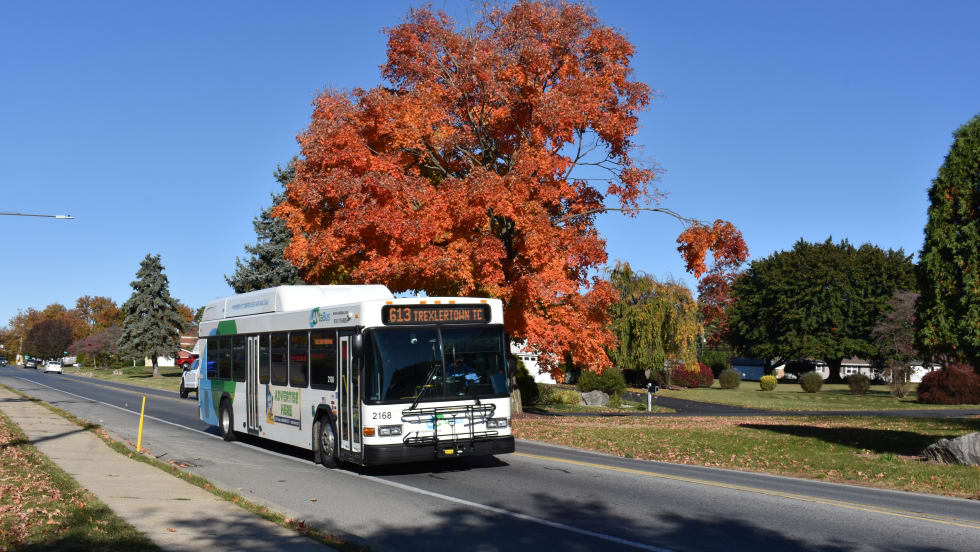
Biz Briefs: Masabi Partners with LANTA and More
In this edition, we spotlight the latest developments shaping the future of mobility.
Read More →
Joshua Schank on Transportation Innovation, Risk, and the Future of Mobility
In this edition of METROspectives, Joshua Schank discusses lessons from launching LA Metro’s Office of Extraordinary Innovation, the challenges of advancing new mobility technologies, and much more.
Read More →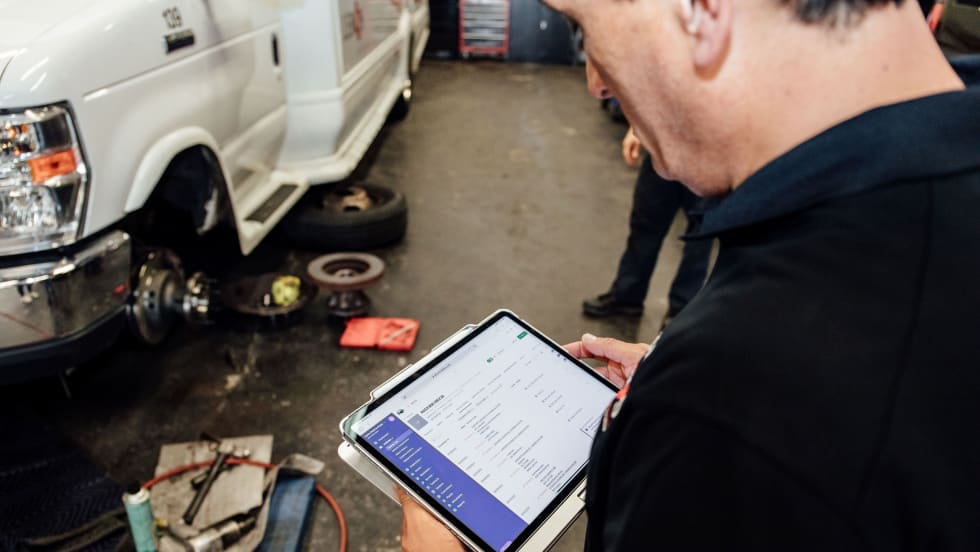
Reinventing Fleet Maintenance with Real-time Visibility and AI
Transit leaders need to know what needs fixing, where to look, who is responsible, when work is completed, and what it costs without having to chase information across disconnected systems.
Read More →
Alstom Acquires Delaware Site to Support Amtrak NextGen Acela Fleet
The company is investing more than $55 million to acquire and improve the property and will employ approximately 100 people at this site once it is operational.
Read More →
ABA's Ferguson Testifies in Support of BUS Act, National Standards for Bus Operators
The BUSES Act would create a nationwide framework preventing state and local governments from enforcing bus idling restrictions of less than 15 minutes, a threshold consistent with existing Environmental Protection Agency guidance.
Read More →
When Routine Fails: How Public Transit Must Adapt for the World Cup
The 2026 FIFA World Cup will test transit agencies’ ability to manage unpredictable travel patterns, making real-time data and operational flexibility critical to moving millions of visitors efficiently.
Read More →
California Selects Team for Nation’s First True High-Speed Rail Track and Systems Contract
The board action follows completion of track installation at the 150-acre southern railhead in Kern County, which will serve as the staging and distribution hub for high-speed track and systems installation.
Read More →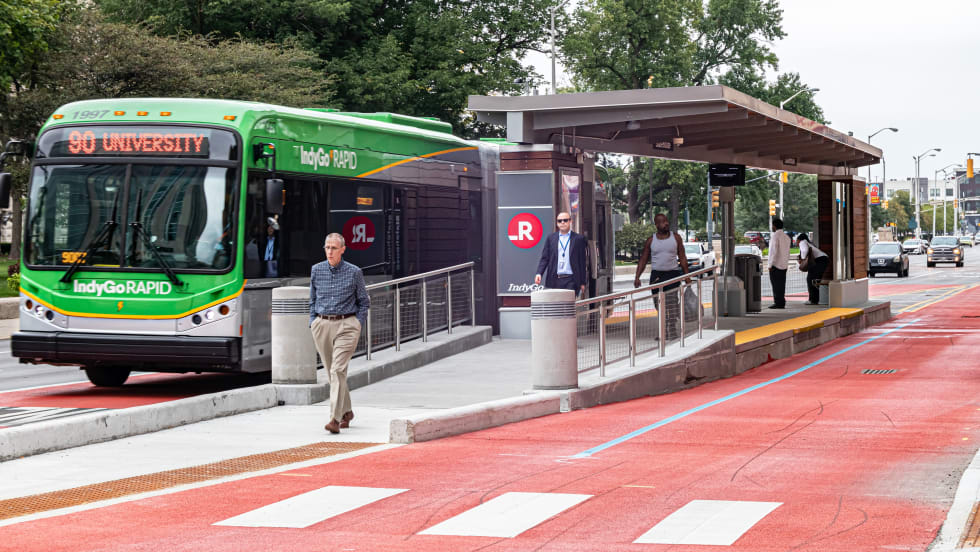
IndyGo, Cleveland RTA Expand Digital Fare Payment Options with Masabi
The new systems combine mobile apps, smart cards, and automatic fare capping to simplify payments, expand flexibility, and help riders access the lowest available fares.
Read More →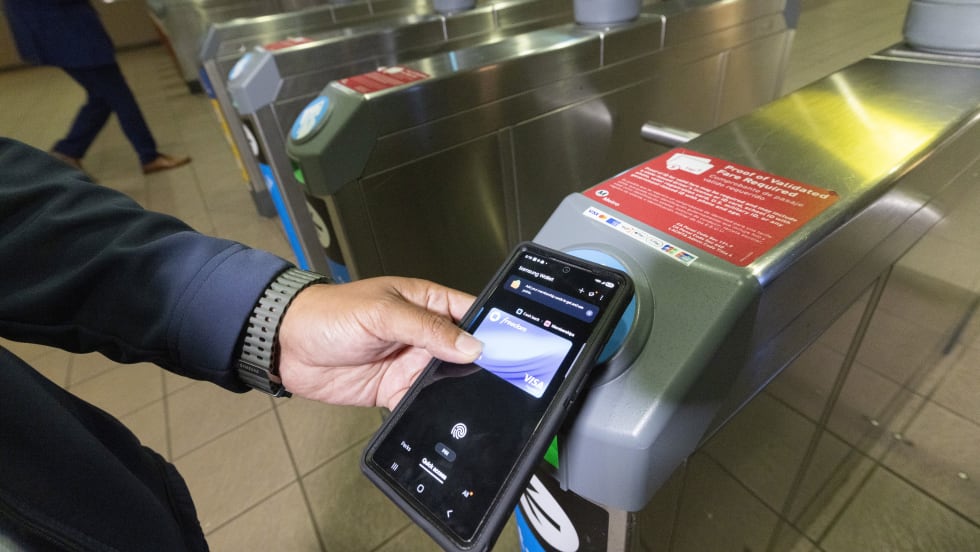
LA Metro Launches New Mobile App, Contactless Payment Options
Available on Metro and at 26 TAP-participating transit agencies, the system reduces waiting times, speeds boarding, and improves convenience systemwide, said the agency.
Read More →
Joshua Schank on Transportation Innovation, Risk, and the Future of Mobility
In this edition of METROspectives, the co-author of New Tricks for Old Bureaucracies, discusses lessons from launching LA Metro’s Office of Extraordinary Innovation, the challenges of advancing new mobility technologies, and much more.
Read More →