



TTC to enhance customer service
Improvements include the formation of an advisory panel, adding a trip planner and Metropass vending machines, and SMS capability at all streetcar stops.

On Wednesday, Toronto Transit Commission (TTC) Chair Adam Giambrone announced several new customer service measures.
Last week, the Commission approved the formation of an advisory panel. This panel will have representation from customers, the private sector, TTC employees and the public transit industry. The panel will review and approve a terms of reference then begin the work of assessing existing plans to improve customer service, advise on where the TTC should seek outside expertise to achieve its objective, conduct public consultations, and draft a customer charter or “bill of rights.” It is intended that the advisory panel will publicly report its recommendations by June 30.
Next week, the TTC will unveil the first phase of its trip planner. Customer feedback will be sought as the trip planner continues through development, including a mobile application. The TTC will make its data available to organizations, like Google — at no charge — so they can develop applications that may be useful to TTC customers.
This year the TTC will install up to an additional 50 pass vending machines across the system, allowing customers to purchase Metropasses. The TTC continues to work with the province of Ontario on a smart card and automatic fare payment system.
In July, all 800 streetcar stops will have SMS capability whereby customers can send a text message to the TTC and get an immediate response about when the next streetcar will arrive at that particular stop. Select shelters and subway stations serviced by streetcars will also have LED readouts with next vehicle arrival information bus stops will have the same capability in 2011 as the TTC upgrades the GPS units aboard all the buses in its fleet.
Other improvements include:
Installation of video screens at station entrances or at collector booths with system status information. As well, direct communication with collectors and supervisors from Transit Control will be implemented to ensure employees have the latest information to help them do their jobs effectively.
Updates to the TTC Website when a delay on the subway occurs that is greater than 15 minutes during rush hour periods and 30 minutes at all other times. E-alerts will also be issued and platform video screens will carry text advising customers of any delay.
A thorough and comprehensive review of its training curriculum – for new employees, as well as those going through recertification training. A renewed focus on customer service will be at the core of all training. To ensure service excellence is not only achieved, but sustained, quality assurance standards will be developed, as will the use of “secret shoppers” and comprehensive supervision.
Expanding its TTC Ambassadors Program to full-time, enabling customers to get information or assistance from an ambassador at its busiest subway stations, or during major disruptions. The TTC will also undertake a review of its uniforms and dress code for frontline workers.
Establishing a 24/7 hotline for TTC information or for filing a complaint.
More Bus
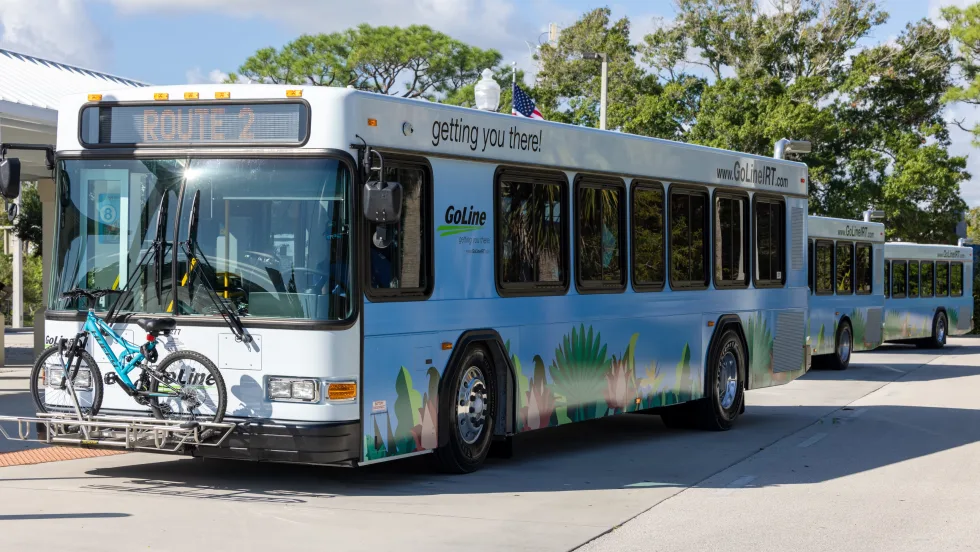
Indian River Transit’s Community-Focused Approach Earns National Recognition
Named APTA’s 2026 Outstanding Public Transportation System in its size category, Florida’s Indian River County transit system continues to grow ridership through fare-free service and a focus on evolving community needs.
Read More →
ENC Lands MATA Contract and More in Biz Briefs
In this edition of Biz Briefs, we spotlight the latest developments shaping the future of mobility.
Read More →
From Surviving to Thriving: Building Stronger Transportation Organizations
Bus Business Consultants founder Brian Dickson shares lessons on leadership, organizational health, and creating options for long-term success in a changing transportation industry.
Read More →
Everett Transit, Community Transit Outline Consolidation Agreement
The proposed agreement calls for a 50% increase in bus service in Everett, a new microtransit zone, continued paratransit service, and the transfer of Everett Transit operations to Community Transit.
Read More →
SEPTA Details Accelerate Vision for Transit System
The plan outlines investments in trolley modernization, new Metro and Regional Rail vehicles, accessible stations, and more frequent bus and rail service.
Read More →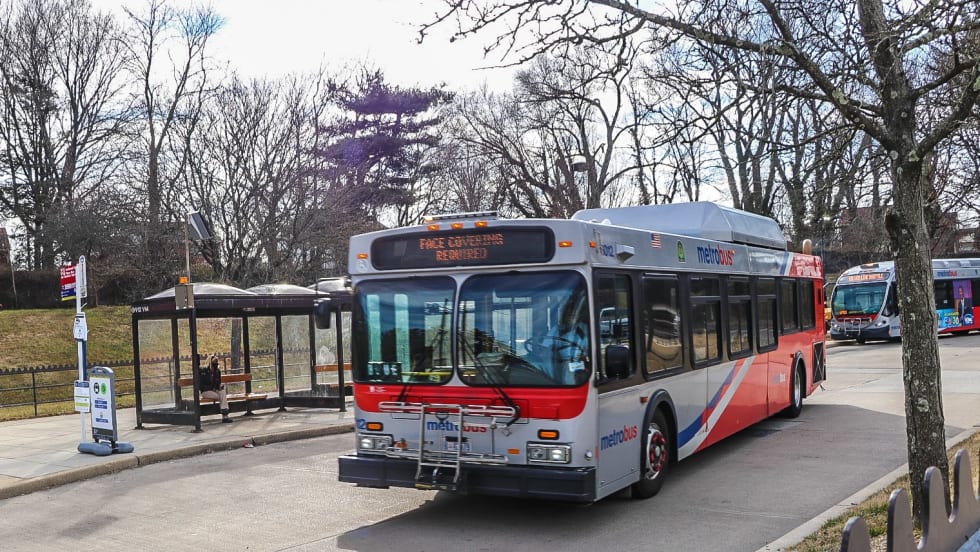
Report: Transit Bus Manufacturing Supports 34,100 Jobs, $5.1B in GDP
The “Buses Mean Business” report examines the transit bus manufacturing industry’s economic footprint, supply chain, and rising demand for vehicle replacements.
Read More →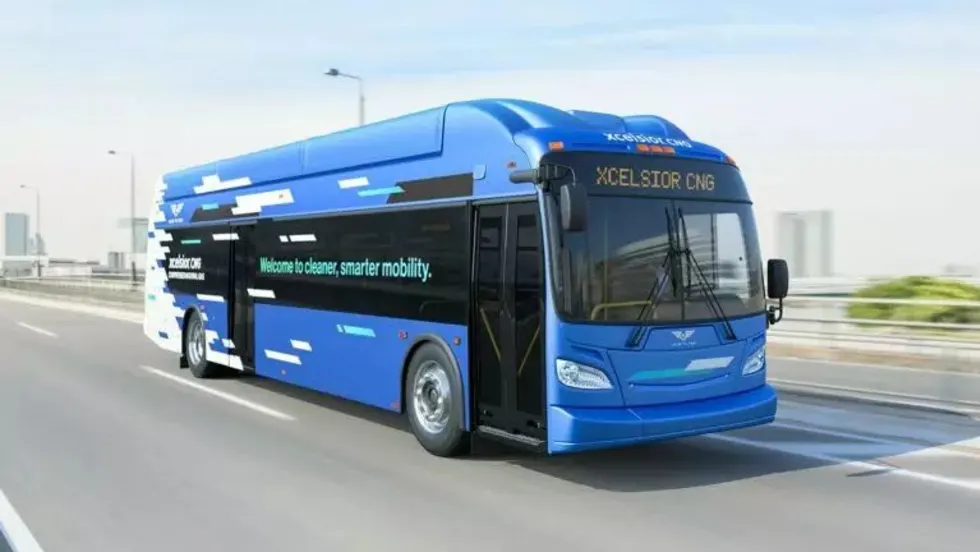
Biz Briefs: New Flyer Delivers in Columbus, Houston, Beep and Freebee Merge, and More
In this edition of Biz Briefs, we spotlight the latest developments shaping the future of mobility.
Read More →
People Movement: Dan Dipert Coaches Adds Third-Generation Leader, Keolis Names New Valley Metro VP/GM, and More
In this edition, we also cover recent appointments and announcements at the Wabtec, SilverRide, HNTB, and more, showcasing the individuals helping to shape the future of transportation.
Read More →
New York MTA Plans Largest Bus Fleet Upgrade in More Than a Decade
The agency is seeking manufacturers for 650 new CNG buses to replace aging vehicles, improve reliability, and advance its broader fleet modernization strategy.
Read More →
Building a Flexible Path to Transit Electrification
John Hroncich discusses BAE Systems’ modular and scalable approach, lessons learned from decades of real-world operations, and how agencies can identify electrification strategies that fit their fleets.
Read More →