



San Francisco Muni faces $12.1M deficit
Among other actions, the board approved requiring use of the $70 “A” Fast Pass on cable cars and express buses, increasing parking fines by $2 to cover a state courthouse fee and reducing Muni service by 10 percent.

Last week, the board of directors of the San Francisco Municipal Transportation Agency (SFMTA) took action to address a current year deficit of at least $12.1 million. The deficit could rise if budget solutions such as taxi medallion sales and overtime reductions are not realized.
Among other actions, the board approved requiring use of the $70 “A” Fast Pass on cable cars and express buses, increasing parking fines by $2 to cover a state courthouse fee and reducing Muni service by 10 percent by reducing the frequency on most Muni routes and lines and ending some service earlier.
“We deeply regret the need to move forward on these difficult actions,” said Nathaniel P. Ford Sr., SFMTA Executive Director/CEO. “The solutions are painful, but we are committed to working with our community partners to make the Agency stronger in the long run.”
In a pair of 4-3 votes the board approved a set of solutions totaling $14.4 million in revenue increases and expenditure reductions in recognition of the ongoing uncertainty around some budget line items. The 10 percent cut in Muni service will result in the agency eliminating about 230 positions, mostly through layoffs (including more than 175 Muni Operators). Muni service reductions and layoffs are expected to take effect on May 1.
In addition to the $2 citation increase, the board also approved an increase in some parking garage rates and an increase to the residential parking permit fee from $76 to $96 annually to fully recover the program’s costs. The board also approved measures to reduce and eliminate free city employee parking (including SFMTA employee parking) and free parking at city garages.
More Bus

Indian River Transit’s Community-Focused Approach Earns National Recognition
Named APTA’s 2026 Outstanding Public Transportation System in its size category, Florida’s Indian River County transit system continues to grow ridership through fare-free service and a focus on evolving community needs.
Read More →
ENC Lands MATA Contract and More in Biz Briefs
In this edition of Biz Briefs, we spotlight the latest developments shaping the future of mobility.
Read More →
From Surviving to Thriving: Building Stronger Transportation Organizations
Bus Business Consultants founder Brian Dickson shares lessons on leadership, organizational health, and creating options for long-term success in a changing transportation industry.
Read More →
Everett Transit, Community Transit Outline Consolidation Agreement
The proposed agreement calls for a 50% increase in bus service in Everett, a new microtransit zone, continued paratransit service, and the transfer of Everett Transit operations to Community Transit.
Read More →
SEPTA Details Accelerate Vision for Transit System
The plan outlines investments in trolley modernization, new Metro and Regional Rail vehicles, accessible stations, and more frequent bus and rail service.
Read More →
Report: Transit Bus Manufacturing Supports 34,100 Jobs, $5.1B in GDP
The “Buses Mean Business” report examines the transit bus manufacturing industry’s economic footprint, supply chain, and rising demand for vehicle replacements.
Read More →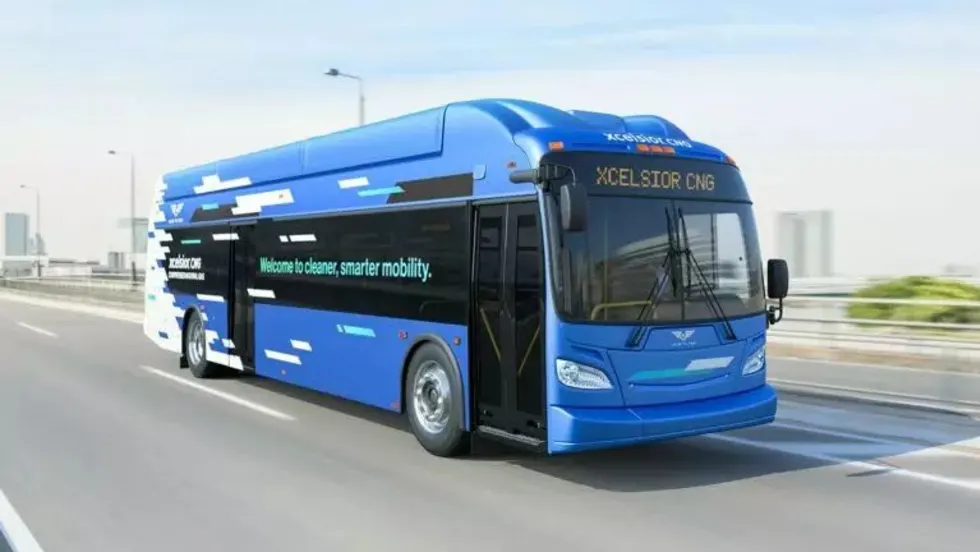
Biz Briefs: New Flyer Delivers in Columbus, Houston, Beep and Freebee Merge, and More
In this edition of Biz Briefs, we spotlight the latest developments shaping the future of mobility.
Read More →
People Movement: Dan Dipert Coaches Adds Third-Generation Leader, Keolis Names New Valley Metro VP/GM, and More
In this edition, we also cover recent appointments and announcements at the Wabtec, SilverRide, HNTB, and more, showcasing the individuals helping to shape the future of transportation.
Read More →
New York MTA Plans Largest Bus Fleet Upgrade in More Than a Decade
The agency is seeking manufacturers for 650 new CNG buses to replace aging vehicles, improve reliability, and advance its broader fleet modernization strategy.
Read More →
Building a Flexible Path to Transit Electrification
John Hroncich discusses BAE Systems’ modular and scalable approach, lessons learned from decades of real-world operations, and how agencies can identify electrification strategies that fit their fleets.
Read More →