



Ex-NJ Transit chief to serve as D.C. Metro's interim GM
As Executive Director of New Jersey Transit from 2007 to 2010, Richard Sarles opened the River LINE light rail service in southern New Jersey, and oversaw the extension of both the Newark Light Rail and Hudson Bergen Light Rail services.

Richard Sarles was appointed Interim general manager of the Washington Metropolitan Area Transit Authority (Metro) by the Metro Board of Directors today, and will begin his duties on March 29.
“The selection of Mr. Sarles is an important step in the Board’s efforts to address safety and other important Metro issues. We have searched for and found an experienced transit professional who will hit the ground running while we continue looking for the best permanent General Manager,” said Peter Benjamin, Chairman of the Metro Board of Directors. “We are fortunate to have a man of Mr. Sarles’ ability who understands the many challenges we face and can immediately begin to address the safety and financial issues that so deeply concern our riders and employees.”
Sarles, 65, has more than 25 years of experience in the transit industry with New Jersey Transit, Amtrak and the Port Authority of New York and New Jersey. He will begin his new duties following his retirement from New Jersey Transit, where he most recently served as Executive Director.
New Jersey Transit is comparable in size to Metro. New Jersey Transit has 11,000 employees and provides commuter rail, light rail, bus and paratransit services for more than 800,000 passenger trips daily. Metro has approximately 10,000 employees and provides approximately 1.2 million passenger trips daily on rail, bus and MetroAccess.
As Executive Director of New Jersey Transit from 2007 to 2010, Sarles opened River LINE light rail service in southern New Jersey, and oversaw the extension of both the Newark Light Rail and Hudson Bergen Light Rail services.
From 2002 to 2007, Sarles served as New Jersey Transit’s Assistant Executive Director for Capital Programs and Planning, managing the agency's $1.3 billion annual capital program as well as all three light rail operations in the state.
Sarles served at Amtrak from 1996 until 2002 as a Vice President leading the Northeast Corridor’s High-Speed Rail program. He directed Amtrak’s $2 billion high-speed rail project that brought 150-mph train service to the Northeast Corridor and electrified the railroad for the first time in history from New Haven, CT, to Boston, MA.
Sarles previously served for more than 20 years in construction, project management and project planning roles with the Port Authority of New York and New Jersey.
During his tenure with the Port Authority, Sarles led a successful effort to overhaul and manufacture new PATH cars at a major rail car manufacturer that set up a plant in the region, creating thousands of local jobs. He also oversaw the modernization of major trans-Hudson facilities, including vehicle tunnels, bridges and PATH.
“Metro must move forward to improve safety for our customers and our employees. The Board will give Mr. Sarles both the responsibility and the authority to take whatever measures are necessary to accomplish that goal,” Benjamin added. “Richard Sarles has a passion for transportation and the ability and know-how to help Metro regain the public trust and confidence in the system that serves the nation’s capital and passengers from across the region and around the world.”
Sarles earned his Masters of Business Administration degree from Rutgers University and a Bachelor of Engineering from The Cooper Union in New York.
He will earn $25,000 per month as Interim General Manager.
Metro General Manager John B. Catoe Jr.’s last day at Metro will be Friday, April 2.
More Rail
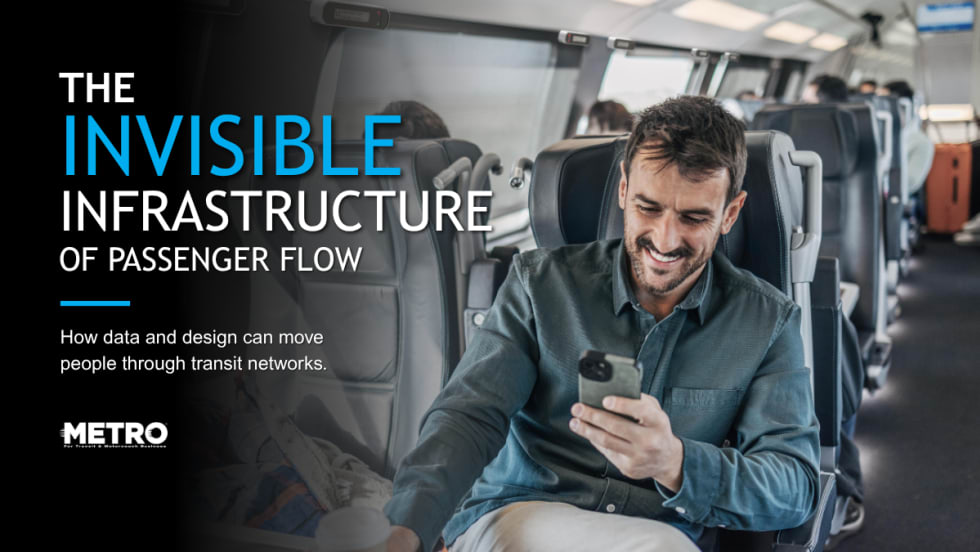
The Invisible Infrastructure of Passenger Flow
What a seat reservation system on Austria’s Railjet trains reveals about the future of rider experience, and why U.S. agencies should pay attention.
Read More →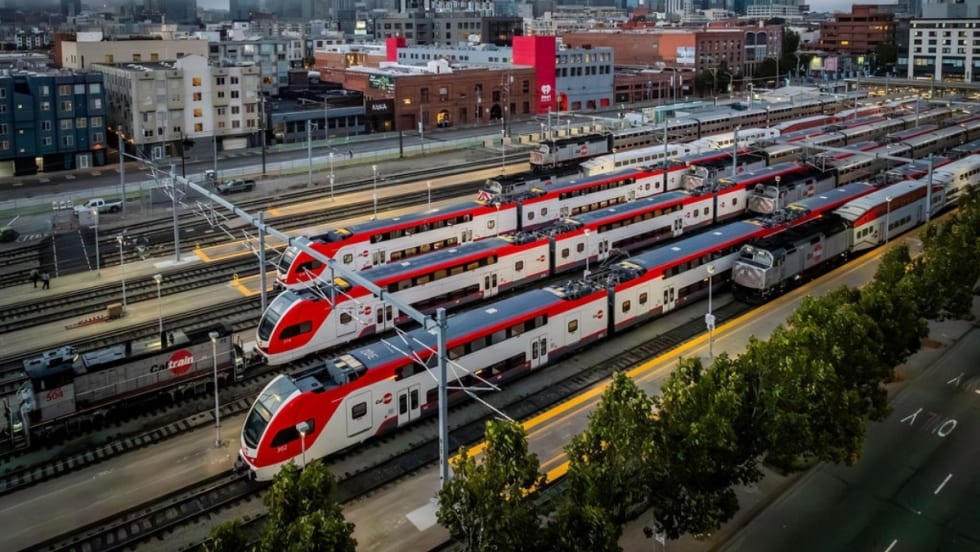
Caltrain Board Approves FY27 Budget, Endorses Efficiency Measures
The move ensures Caltrain service will continue operating as usual in the near term, but long-term financial challenges remain for the rail agency absent a new revenue source.
Read More →
Alstom Acquires Delaware Site to Support Amtrak NextGen Acela Fleet
The company is investing more than $55 million to acquire and improve the property and will employ approximately 100 people at this site once it is operational.
Read More →
When Routine Fails: How Public Transit Must Adapt for the World Cup
The 2026 FIFA World Cup will test transit agencies’ ability to manage unpredictable travel patterns, making real-time data and operational flexibility critical to moving millions of visitors efficiently.
Read More →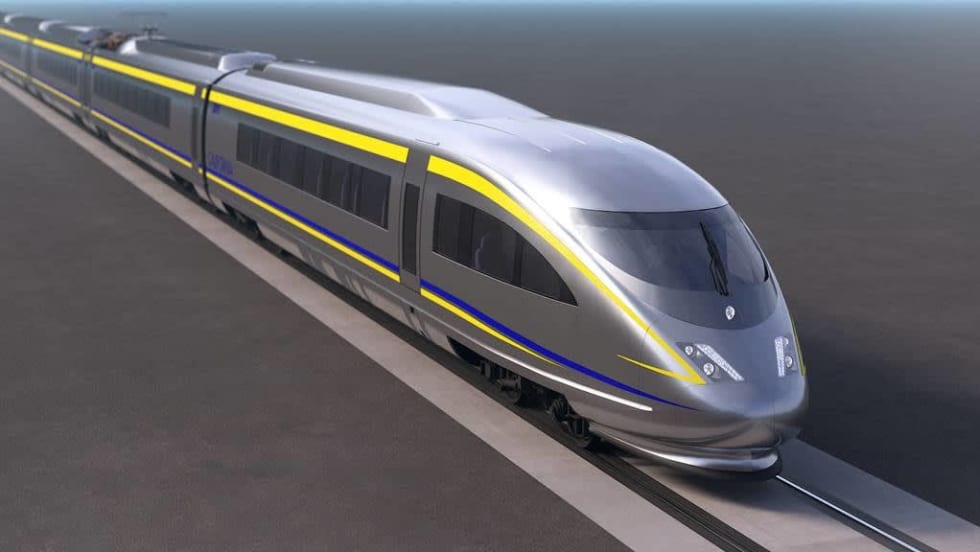
California Selects Team for Nation’s First True High-Speed Rail Track and Systems Contract
The board action follows completion of track installation at the 150-acre southern railhead in Kern County, which will serve as the staging and distribution hub for high-speed track and systems installation.
Read More →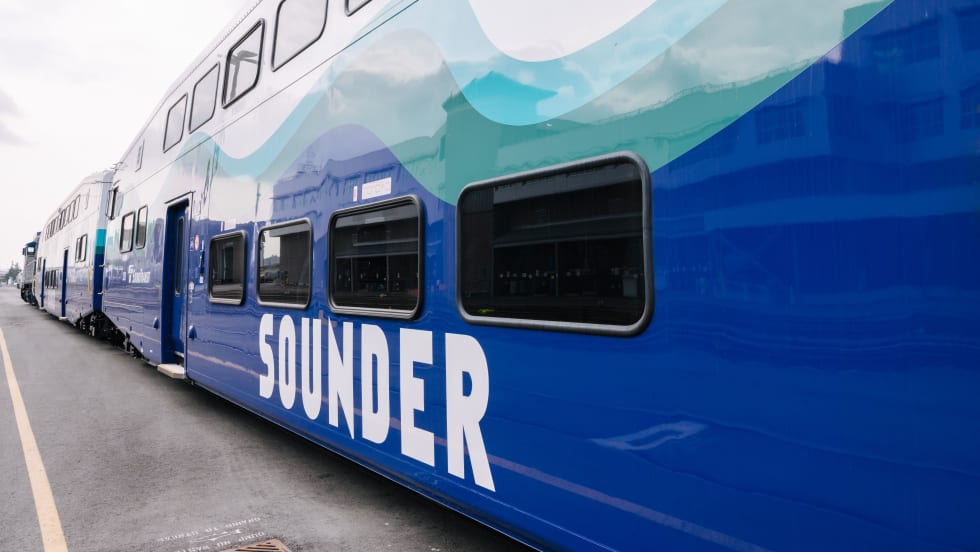
Seattle's Sound Transit Launches New Sounder Railcars into Service
Alstom manufactured all the cars under a $46.5 million contract and came into service in anticipation of summer crowds for soccer and baseball.
Read More →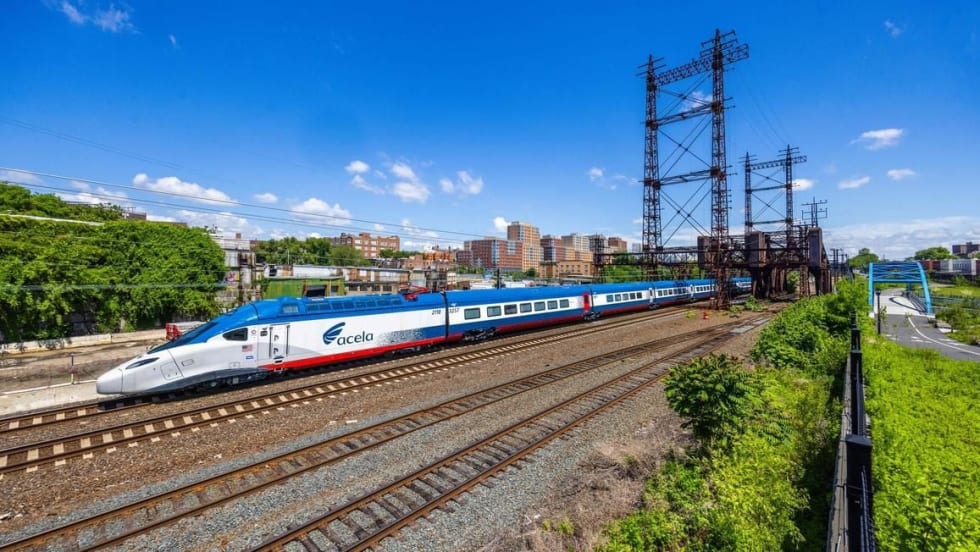
Alstom Partners With Universities to Build Rail Talent Pipeline
The partnerships include a new engineering scholarship fund at Alfred State College in Western New York and collaborations with transportation centers at the University of Pennsylvania and New York University.
Read More →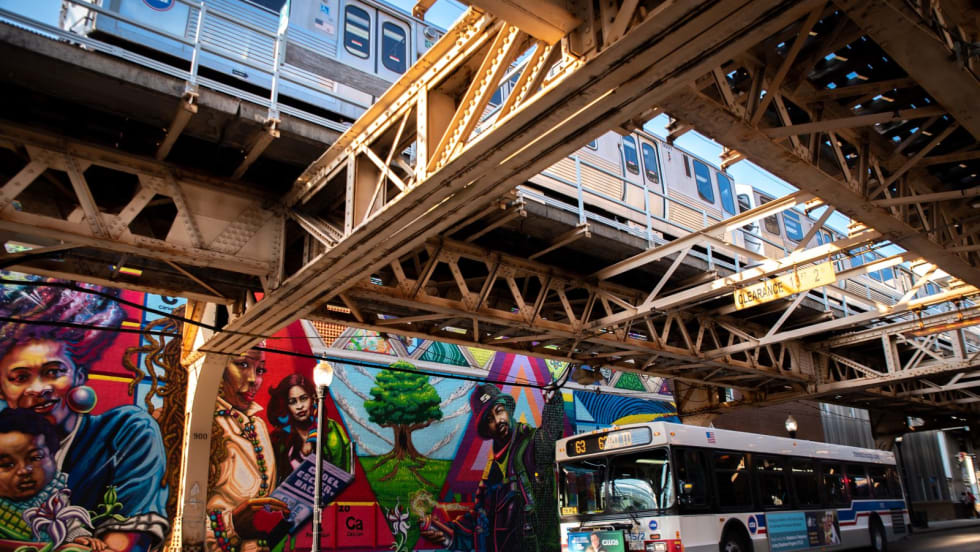
Chicago's NITA Act Moves Into Next Phase as Service Improvements Begin
Rider-focused improvements will begin rolling out across the system immediately as CTA, Metra, and Pace increase service this summer in the six-county region.
Read More →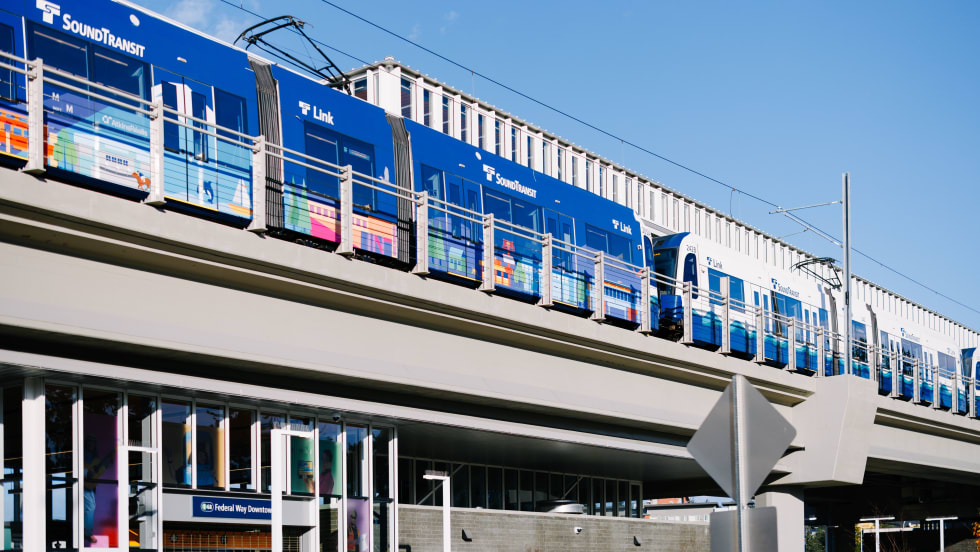
Seattle’s Sound Transit Adopts Updated ST3 System Plan
The updated system plan incorporates cost savings across the agency, including new revenue sources and financial policies, to set the agency on a sustainable path for the future.
Read More →
Inside Look: EMBARK Expands Fare-Free Transit Program Through New Public-Private Partnership
The OKC transit agency says sponsorship helps subsidize the Third Friday Free initiative while reducing barriers for first-time riders and boosting ridership across buses, streetcars, and river cruises.
Read More →