



New ped trail construction under way in Detroit
When completed, the linked trails will provide eight miles of continuous greenways, enabling people to walk from Wayne State University through the Eastern Market to the Detroit Riverfront.

Construction is under way on the Midtown Greenway, a four phase, two-mile greenway trail that will circle through Detroit's University Cultural Center, Wayne State University and Medical Center and Brush Park districts.
Earlier this month, organizers officially broke ground to signify the start of the first of four phases of construction. When completed, the linked trails will provide eight miles of continuous greenways, enabling people to go from Wayne State University through the Eastern Market to the Detroit Riverfront.
The Community Foundation for Southeast Michigan, through its GreenWays Initiative program, along with The Kresge Foundation, Michigan Department of Transportation (MDOT), The American Recovery and Reinvestment Act (stimulus funds), Michigan State University Land Policy Institute, First American Title Insurance Company, SAFETEA-LU and Woodward Avenue Action Association (WA3) are providing the funding for the Midtown Greenway.
"Today marks the start of another greenways project that will become another amazing addition to the city, said Mariam Noland, president of the Community Foundation for Southeast Michigan. "We look forward to the Midtown Greenway becoming a destination for families, outdoor enthusiasts and local residents to safely travel and enjoy what our city has to offer."
The greenway trail will have a colorful, patterned surface to increase visibility and to emphasize the creative character of the neighborhood, as well as improved ADA crosswalks at each corner.
Landscaping with three-season interest will be used as a buffer to separate vehicle traffic from the greenway, adding numerous new trees, shrubs and perennials to the trail, which will dramatically green the environment. New wayfinding signage also will direct visitors to the institutions and other points of interest located along the trail.
Amenities along the Loop include: LED pedestrian lights, light wands and bollards, as well as in-ground spotlights; dual drinking fountains for humans and dogs, and dog waste receptacles; bike rings and bike lockers; benches and trash receptacles; and public art at designated sites along the trail.
"One of our main goals with the development of the Midtown Greenway is to reclaim the rights-of-way for pedestrians by creating a widened walkway, improving ADA (Americans with Disabilities Act) crosswalks, and adding pedestrian traffic signals," said University Cultural Center Association President Susan Mosey. "By adding such amenities along the route as outdoor seating, pocket parks and pet-friendly features, this trail will contribute to the quality of life and the lifestyle of the community."
More Technology
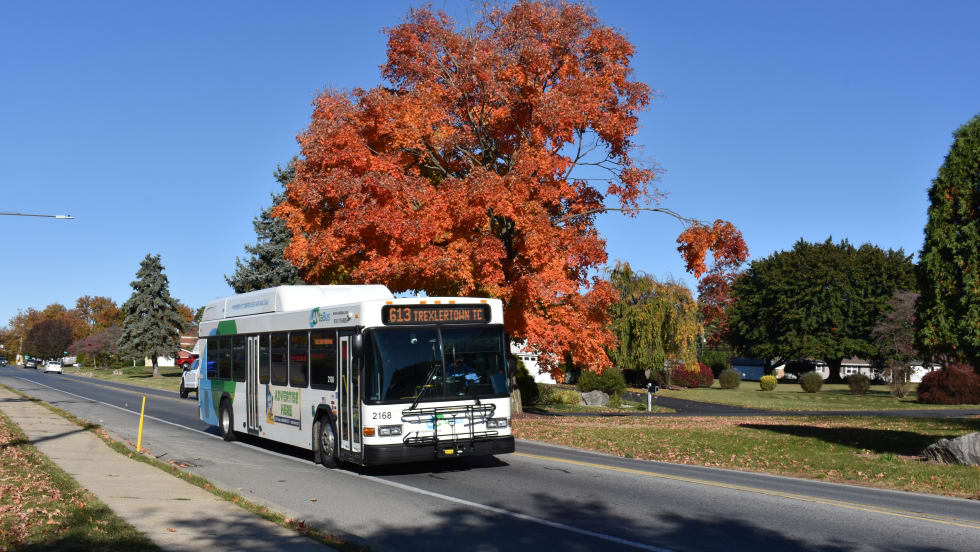
Biz Briefs: Masabi Partners with LANTA and More
In this edition, we spotlight the latest developments shaping the future of mobility.
Read More →
Joshua Schank on Transportation Innovation, Risk, and the Future of Mobility
In this edition of METROspectives, Joshua Schank discusses lessons from launching LA Metro’s Office of Extraordinary Innovation, the challenges of advancing new mobility technologies, and much more.
Read More →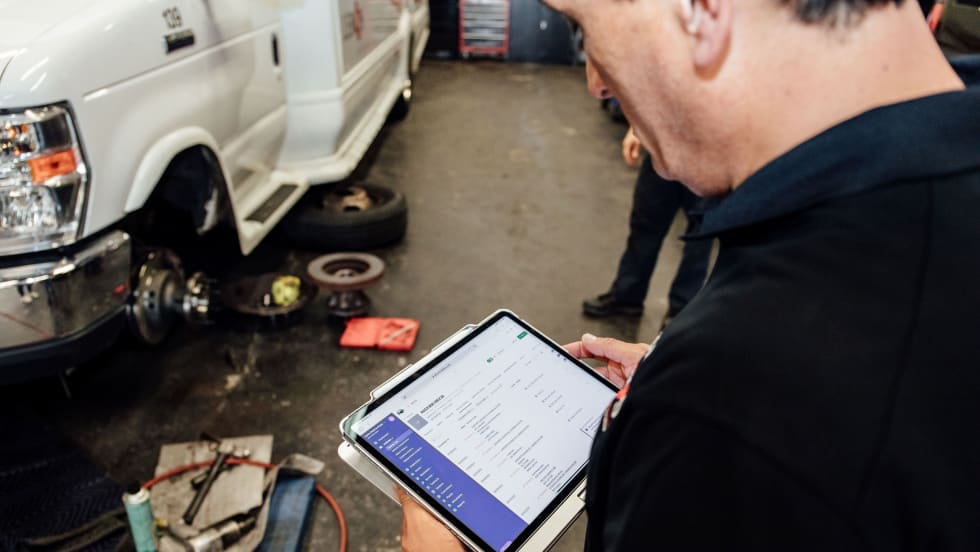
Reinventing Fleet Maintenance with Real-time Visibility and AI
Transit leaders need to know what needs fixing, where to look, who is responsible, when work is completed, and what it costs without having to chase information across disconnected systems.
Read More →
Alstom Acquires Delaware Site to Support Amtrak NextGen Acela Fleet
The company is investing more than $55 million to acquire and improve the property and will employ approximately 100 people at this site once it is operational.
Read More →
ABA's Ferguson Testifies in Support of BUS Act, National Standards for Bus Operators
The BUSES Act would create a nationwide framework preventing state and local governments from enforcing bus idling restrictions of less than 15 minutes, a threshold consistent with existing Environmental Protection Agency guidance.
Read More →
When Routine Fails: How Public Transit Must Adapt for the World Cup
The 2026 FIFA World Cup will test transit agencies’ ability to manage unpredictable travel patterns, making real-time data and operational flexibility critical to moving millions of visitors efficiently.
Read More →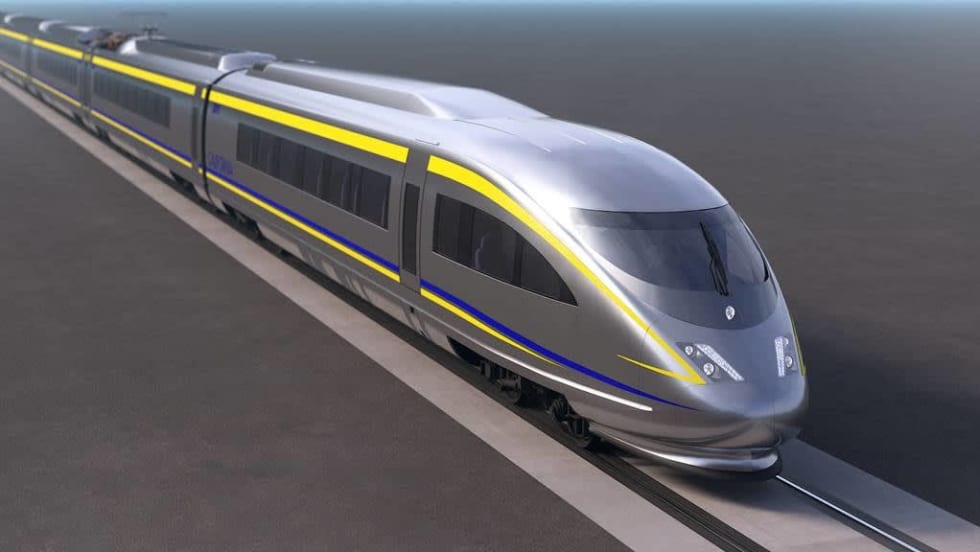
California Selects Team for Nation’s First True High-Speed Rail Track and Systems Contract
The board action follows completion of track installation at the 150-acre southern railhead in Kern County, which will serve as the staging and distribution hub for high-speed track and systems installation.
Read More →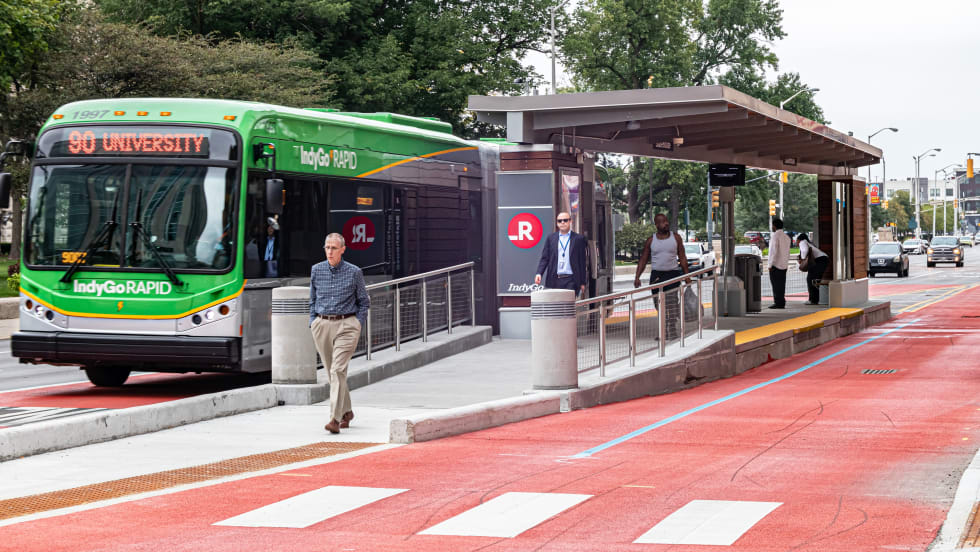
IndyGo, Cleveland RTA Expand Digital Fare Payment Options with Masabi
The new systems combine mobile apps, smart cards, and automatic fare capping to simplify payments, expand flexibility, and help riders access the lowest available fares.
Read More →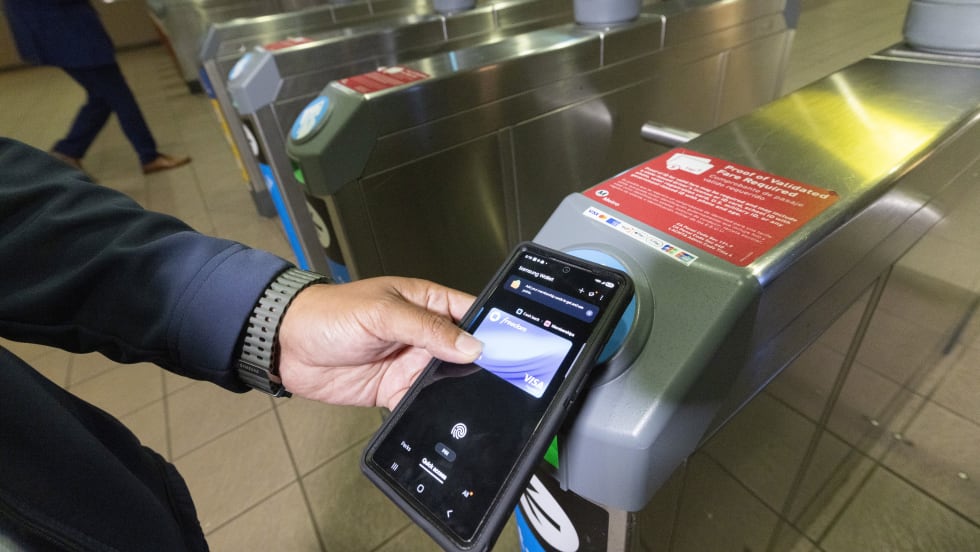
LA Metro Launches New Mobile App, Contactless Payment Options
Available on Metro and at 26 TAP-participating transit agencies, the system reduces waiting times, speeds boarding, and improves convenience systemwide, said the agency.
Read More →
Joshua Schank on Transportation Innovation, Risk, and the Future of Mobility
In this edition of METROspectives, the co-author of New Tricks for Old Bureaucracies, discusses lessons from launching LA Metro’s Office of Extraordinary Innovation, the challenges of advancing new mobility technologies, and much more.
Read More →