



Web Extra: Baylor U. adds new bus route linking campus, downtown
Shuttle operates on a flag stop system that has the ability to stop anywhere along the route as long as the driver considers the stop to be safe.

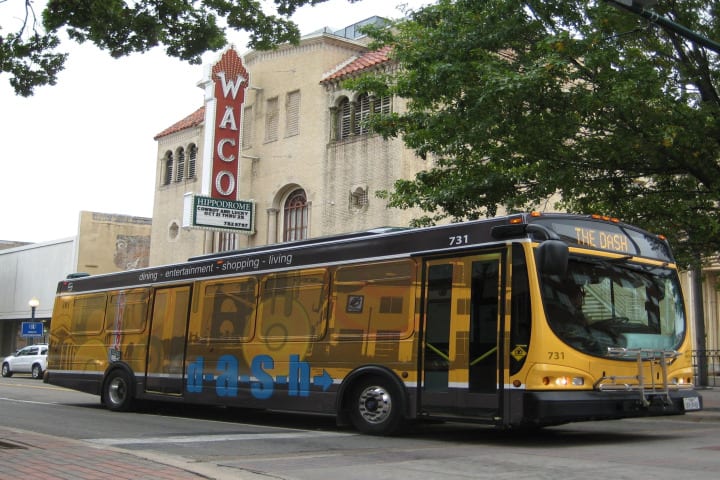
[IMAGE]BaylorUDASHbusFULL.jpg[/IMAGE] In August, 2009, Waco, Texas-based Baylor University partnered with the Downtown Merchants Association, Developers and Public Improvement District (PID) to launch a free downtown bus shuttle service from the Baylor campus to downtown Waco area restaurants and shops.
The Downtown Area Shuttle (DASH) travels daily from the campus to downtown Waco during the school year. The bus will pick up Baylor faculty, staff and students in front of Penland Residence Hall. The shuttle operates on a flag stop system that has the ability to stop anywhere along the route as long as the driver considers the stop to be safe. The service will be available from 7:30 a.m. to 5:30 p.m., Monday through Friday. The DASH is the only linkage shuttle service between downtown and the University.
The downtown area shuttle runs every 20 minutes from the Baylor campus to downtown Waco. The service is scheduled to operate in conjunction with the academic calendar offering service each day Baylor is in session. One vehicle, a North American Bus Industries Opus energy-efficient, low floor bus, runs on the route.
The shuttle service is available to anyone, from faculty and staff and students to the public. “It’s a flag-stop service. You just raise your hand. You don’t have to produce any form of identification or a token or pay,” said Chris Krause, assistant vice president for campus services, Baylor University.
The route is the fourth to be added to the Baylor University Shuttle (BUS), a fixed route transportation system operated by Waco Transit in cooperation with the Baylor Department of Campus Services.
According to Krause, the Downtown Waco Public Improvement District (PID) came up with the concept of connecting the university and downtown.
Downtown Waco and Baylor University have in the past partnered to find ways to connect the campus and downtown in meaningful ways, Krause explained. “A flurry of development activity downtown in the last several years, hundreds of millions of dollars in new construction and development due to housing by private companies more than likely helped spur that conversation along,” Krause noted.
The conversation started approximately one year ago, Krause said. Local builders of a student housing facility in the downtown area sit on the PID board of directors, a cross-section of downtown area merchants, the city of Waco and the University of Baylor. They initiated discussion with the PID. The board worked through the summer to create a public-private partnership linking downtown and the University with the shuttle service, coming up with a feasible route that everyone on the PID and all the merchants agreed on. There were also campus infrastructure issues that needed to be addressed to accommodate the route.
“It moved along pretty quickly. Dr. Reagan Ramsower, our vice president of finance and administration, is the University representative to the PID and was instrumental in those conversations with the downtown merchants, the city, and the developers,” said Krause.
“There’s been a significant amount of partnership between the University and downtown Waco, what we call town and gown in the last 20 months, and this was just further evidence of that,” added Krause.
From August through April, the route had 15,718 riders, with an average of approximately 103 riders a day. Since the University plans to relocate its School of Social Work to the same downtown area in spring of 2011, Krause anticipates increased ridership next year.
“As with anything, your first time out, some of it is just folks becoming familiar with it. We find in our area — Central Texas — that a lot of our students have not been introduced to or are not familiar with mass transit,” said Krause. Since students may not know how to tell the bus to stop, or how to flag it down, the University set up a bus the first week of class and invited students to come aboard. “They could see the buttons to press [for a stop request], pick up shuttle route maps, talk to the managers and just get a sense of what it’s all about. Demystify the whole thing.”
More Bus
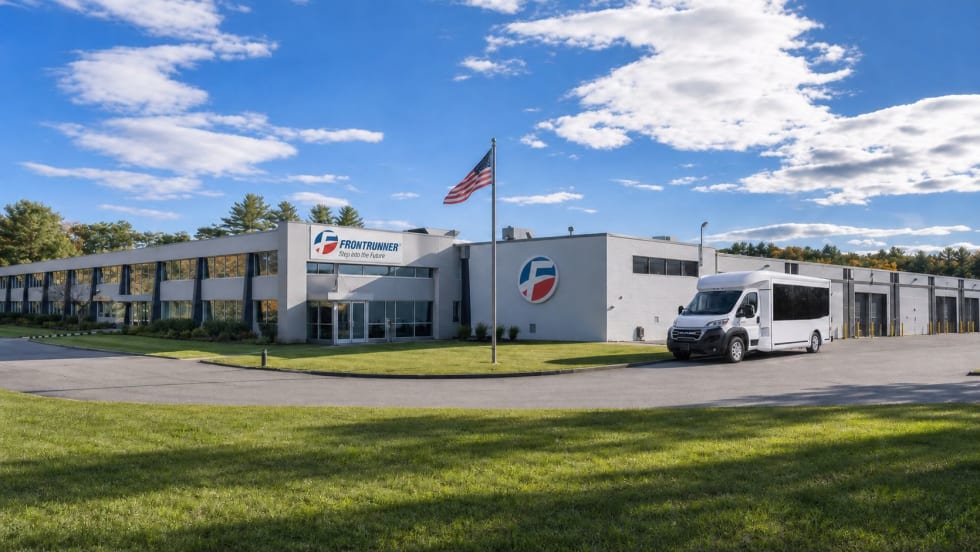
Frontrunner Bus Group Expands with New Massachusetts Headquarters
The significantly larger facility will provide the infrastructure needed to support the company’s growing workforce, advanced technologies, and expanding product line.
Read More →
Joshua Schank on Transportation Innovation, Risk, and the Future of Mobility
In this edition of METROspectives, Joshua Schank discusses lessons from launching LA Metro’s Office of Extraordinary Innovation, the challenges of advancing new mobility technologies, and much more.
Read More →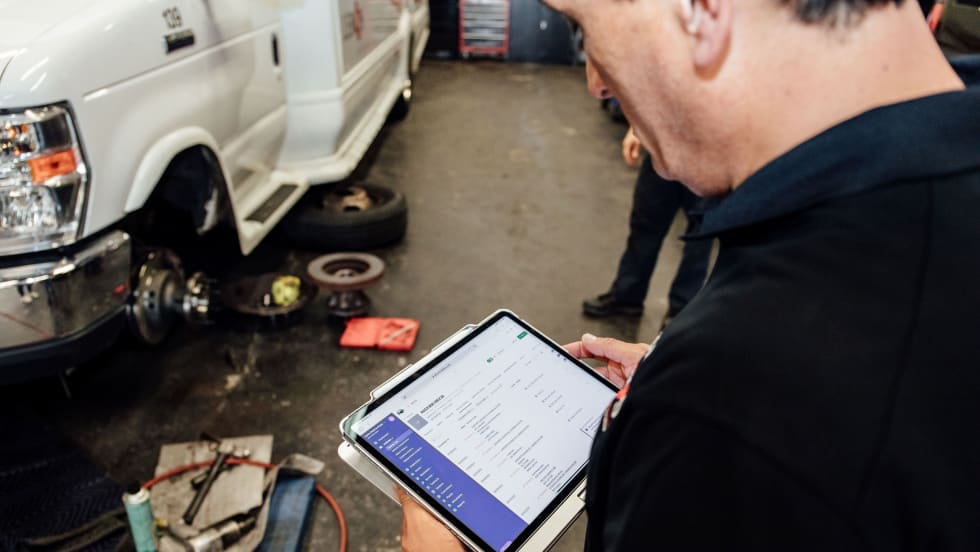
Reinventing Fleet Maintenance with Real-time Visibility and AI
Transit leaders need to know what needs fixing, where to look, who is responsible, when work is completed, and what it costs without having to chase information across disconnected systems.
Read More →
SamTrans Sets Priorities for Potential Connect Bay Area Revenue
The board-approved framework allocates future funding to maintaining service, rider improvements, equity initiatives, and infrastructure repairs.
Read More →
When Routine Fails: How Public Transit Must Adapt for the World Cup
The 2026 FIFA World Cup will test transit agencies’ ability to manage unpredictable travel patterns, making real-time data and operational flexibility critical to moving millions of visitors efficiently.
Read More →
Photo Highlights from APTA's 2026 Mobility Conference
The photo gallery captures scenes from the conference, including the International Bus Roadeo, exhibit hall activities, the Bus Showcase, and much more.
Read More →
Chicago's NITA Act Moves Into Next Phase as Service Improvements Begin
Rider-focused improvements will begin rolling out across the system immediately as CTA, Metra, and Pace increase service this summer in the six-county region.
Read More →
Philadelphia's SEPTA Approves Annual Transit Service Plan
Between 2021 and 2024, SEPTA held more than 200 public meetings — including 144 in-person sessions — throughout the SEPTA service region.
Read More →
A True Low-Floor Minibus Design Delivers Better Accessibility and Efficiency for Everyone
As transit demands evolve, so should your fleet. Download the whitepaper to see how the Low-Floor Frontrunner Minibus compares to traditional options.
Read More →
WMATA Debuts 'Fares Pay for Service' Awareness Campaign
The campaign was highlighted during a media event at the Paul S. Sarbanes Transit Center in Silver Spring, where WMATA’s GM/CEO Randy Clarke joined Metro Transit Police officers, WMATA management team, board members, and staff to expand fare enforcement and customer education efforts on Metro Bus routes throughout the region.
Read More →