



Committee passes Public Transportation Safety Act
Bipartisan bill will improve transit safety oversight and establish national safety standards for transit systems across the country.

On Tuesday, the Senate Banking Committee unanimously approved the Public Transportation Safety Act of 2010, which will improve transit safety oversight and establish national safety standards for transit systems across the country.
The bipartisan bill was authored by Chairman Chris Dodd (D-CT), Ranking Member Richard Shelby (R-AL), and Housing, Transportation, and Community Development Subcommittee Chairman Robert Menendez (D-NJ).
“No rider should ever wonder if they’re safe on our transit systems. This legislation will replace the current ad hoc approach to transit safety oversight with strong federal leadership, clear national transit safety standards, and improved state oversight of transit safety,” said Dodd. “Passage of this legislation will significantly enhance the safety of our transit systems, and the commuters who rely on them.”
“Although public transportation remains among the safest modes of transportation, recent incidents demonstrate that it can and must be safer,” said Shelby. “This legislation provides the Federal Transit Administration the authority to ensure that safety issues are identified and addressed beforehand in a comprehensive manner. This heightened focus on safety will go a long way towards addressing the deficiencies in our public transportation system and protecting passengers who use it.”
Senator Menendez said: “This was a big step toward ensuring that public transportation remains one of the safest ways to commute. The patchwork of often ineffective and unenforced safety regulations need to give way to strong national safety standards and enforcement. Mass transit allows commuters to save money, time and energy, and we need to bring its safety regulations in line with that of every other form of transportation.”
“I want to thank the Banking Committee for working together to move this historic legislation forward,” said Secretary LaHood. “Safety is the Department of Transportation’s number one priority and we look forward to working with the full Senate and House to get this bill passed and signed into law.”
“Today’s milestone is the first major step in untying the hands of the Federal Transit Administration and allowing us to implement national safety standards,” said Federal Transit Administrator Peter Rogoff. “While transit is a safe way to travel, we still see too many preventable accidents, including fatal accidents. We need these tools to ensure that transit remains safe as our systems age and experienced employees retire in increasing numbers.”
Said APTA president William Millar: "Safety is the number one priority for the public transportation industry and we welcome the effort to make one of the safest modes of transportation — rail transit — even safer. We are encouraged that the Senate Banking Committee worked closely with the public transit industry as it developed the bill. We look forward to continuing this dialogue as the legislation advances in the Senate."
The Public Transportation Safety Act will:
Improve safety by establishing a National Public Transportation Safety Plan.
Focus on safety by requiring public transportation agencies to establish comprehensive safety plans.
Improve the effectiveness of state safety oversight agencies and increase Federal funding.
Provide new enforcement authority over public transportation safety to the Secretary of Transportation.
Establish a system to monitor and manage transit infrastructure to improve overall safety.
Authorize appropriations of $66 million over three years for public transportation safety.
Below is a summary of the bill:
THE PUBLIC TRANSPORTATION SAFETY ACT OF 2010
Public Transportation Is One Of The Safest Ways To Travel But Current Public Transportation Safety Law Is Inadequate and Ineffective. More than 10 billion trips are taken on public transportation every year, and more than 14 million trips are taken on rail transit systems every weekday. Public transportation is one of the safest modes of transportation available; however, the number and severity of transit accidents in recent years has resulted in heightened scrutiny of the safety of public transportation.
Currently, the Federal Transit Administration lacks the authority to implement and enforce national public transportation safety standards. As a result, the responsibility for oversight of rail fixed guideway public transportation systems is left to a patchwork of 27 state agencies, receiving no Federal funds for their efforts, with inconsistent standards, inadequate authority, and insufficient resources.
The Public Transportation Safety Act of 2010 will address these deficiencies by implementing a comprehensive approach to public transportation safety, requiring a national transit safety plan, improving state and federal oversight, requiring local public transportation agency safety plans, empowering the Department of Transportation with new enforcement authority, and implementing a monitoring system for the safety and condition of the nation’s transit infrastructure and equipment.
THE PUBLIC TRANSPORTATION SAFETY ACT OF 2010 WILL:
Improve Safety By Establishing A National Public Transportation Safety Plan. The Act establishes a National Public Transportation Safety Plan to improve the safety of all public transportation systems that receive Federal funding. The Secretary will develop minimum performance standards for vehicles used in public transportation and establish a training program for Federal and State employees who conduct safety audits and examinations of public transportation systems.
Focus On Safety By Requiring Public Transportation Agencies To Establish Comprehensive Safety Plans. A focus on safety at public transportation agencies will encourage a “culture of safety” in which each employee completes a safety training program that includes continuing safety education and training. Public transportation agency safety plans will be approved by the agency’s board of directors, and reviewed and updated annually.
Improve The Effectiveness Of State Safety Oversight Agencies And Increase Federal Funding. States will submit proposals for state safety oversight programs for rail fixed guideway public transportation systems to the Secretary, and upon approval, receive funding at an 80 percent Federal share. The Act builds on the existence of State safety oversight agencies and requires them to be independent legal entities that have the authority, staff training and expertise to enforce Federal safety law.
Provide New Enforcement Authority Over Public Transportation Safety To The Secretary Of Transportation. In the event a public transportation agency is in violation of Federal safety law, the Secretary will have the authority to require more frequent oversight; impose more frequent reporting requirements; impose conditions on grants; withhold grant funds; and impose civil penalties. Public transportation agencies will be given the opportunity to address violations before these penalties are imposed, and Congress must be notified prior to the Secretary withholding grant funds or imposing civil penalties.
Establish A System To Monitor And Manage Transit Assets To Improve Overall Safety. As public transportation systems age, the likelihood of accidents increases. The Secretary of Transportation is required to define the term ‘state of good repair,’ including objective standards for measuring the condition of capital assets. Recipients are required to establish and use an asset management system to develop capital asset inventories and condition assessments, and report on the condition of their system as a whole, including a description of the change in overall condition since the last report.
Authorize Appropriations Of $66 Million Over Three Years For Public Transportation Safety.
More Paratransit

Driving Smarter Paratransit
John Hanlon shares how AlphaRoute is leveraging AI-powered technology to help paratransit providers optimize operations, support frontline staff, and enhance the rider experience.
Read More →
METRO Magazine Announces 2026 Innovative Solutions Awards Winners
Projects Recognized for Advancing Mobility Through Technology, Accessibility, Workforce Innovation, and Operational Excellence
Read More →
Biz Briefs: STV teams with Amtrak, Motorcoach Operators Boost Fleet and Land Contracts, and More
From manufacturers and suppliers to transit agencies and motorcoach operators, these updates offer a snapshot of the projects, partnerships and business moves driving the industry forward.
Read More →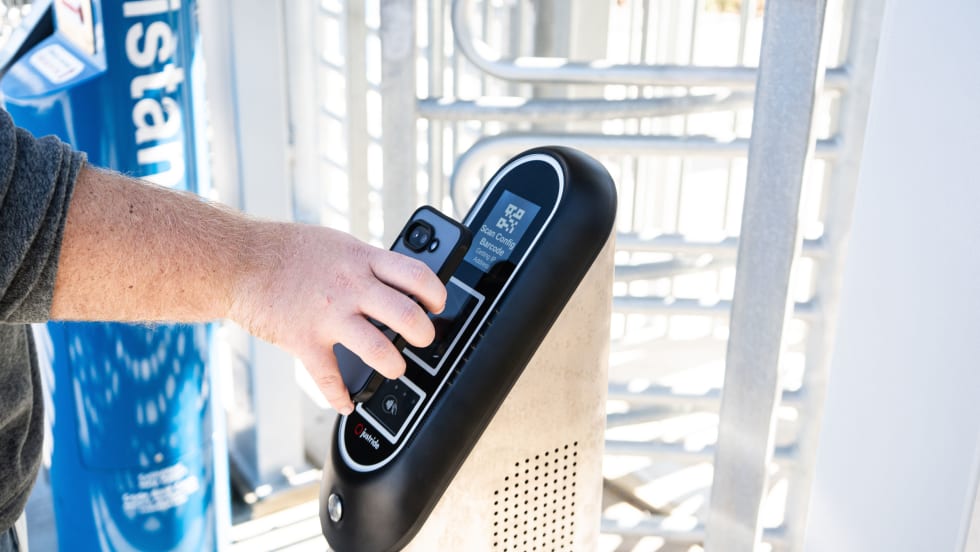
Biz Briefs: Masabi Teams with St. Louis Metro and More
In METRO's latest installment, we take a look at recent news from Transdev, Hitachi, and more partnerships making headlines across the transportation sector.
Read More →
New York MTA Leverages Zoning Program to Advance Station Accessibility
Accessibility enhancements at Nevins St Station will be financed through a development agreement tied to the MTA's Zoning for Accessibility initiative.
Read More →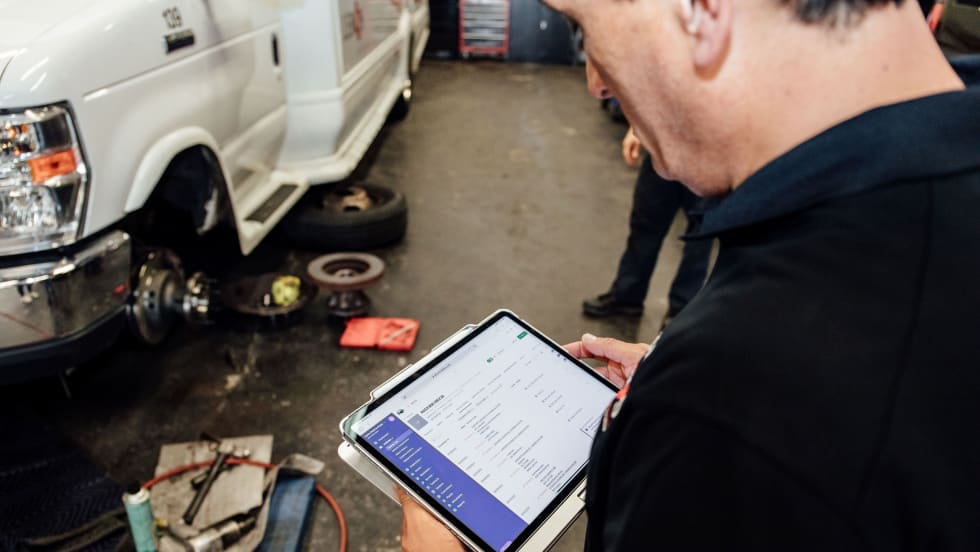
Reinventing Fleet Maintenance with Real-time Visibility and AI
Transit leaders need to know what needs fixing, where to look, who is responsible, when work is completed, and what it costs without having to chase information across disconnected systems.
Read More →
SamTrans Sets Priorities for Potential Connect Bay Area Revenue
The board-approved framework allocates future funding to maintaining service, rider improvements, equity initiatives, and infrastructure repairs.
Read More →
Chicago's NITA Act Moves Into Next Phase as Service Improvements Begin
Rider-focused improvements will begin rolling out across the system immediately as CTA, Metra, and Pace increase service this summer in the six-county region.
Read More →
2026 METRO Buyer’s Guide & Directory
Searching for the right vehicles, technology, equipment, or services for your public transit or motorcoach operation? This industry guide brings together manufacturers and suppliers from across the transportation market — all in one place. Download it to connect with the companies that help agencies and operators improve mobility, enhance operations, and move their organizations forward.
Read More →
Rays the Mark Foundation to Honor CDTA’s Emily DeVito at October Fundraiser
Event at Chicago-area Ravisloe Country Club will support DeVito, a transit employee and mother of twins battling kidney failure and awaiting a transplant.
Read More →