



Web Extra: New Monterey, Calif. route to connect University, community
Will provide a direct route to and from the city of Salinas — where 25 percent of registered students live — as well as shopping and other commercial locations. Vehicles are equipped with bike racks and wheelchair lifts to ensure more convenience for students.

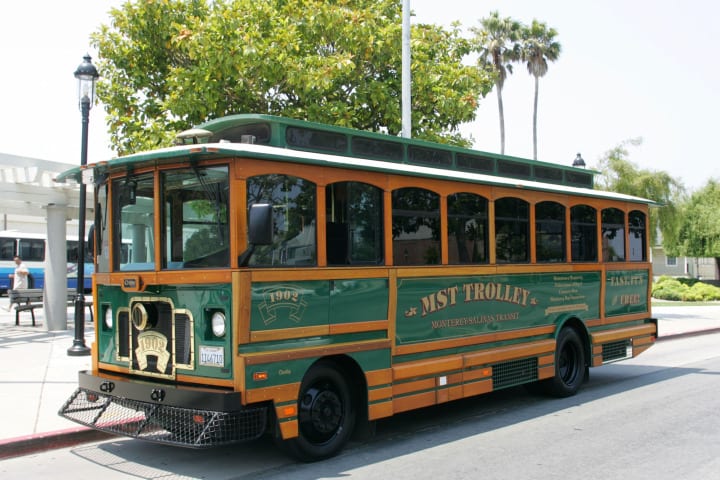
The Monterey Salinas Transit (MST) Trolley will travel from the Salinas Transit Center (pictured) to California State University, Monterey Bay.
[IMAGE]MST-TrolleyFULL.jpg[/IMAGE] Beginning in September, California State University Monterey Bay (CSUMB) students, faculty and staff will be able to commute more easily from their homes or jobs to campus. Monterey Salinas Transit (MST) will add a new bus line that will connect downtown Salinas, Hartnell College, CSUMB, the Dunes Shopping Center and other commercial locations in the city of Marina.
Carl Sedoryk, GM/CEO of the transit agency, said that last year, MST identified a large untapped market of CSUMB students, faculty and employees that were not being well-served by public transit. “There was an issue [with] getting the funding together to provide more regular service,” he explained.
Over the past several years, MST worked on small projects with the University, which was developed as part of a base re-use of the former Fort Ord. MST, in attempting to plan for the growth on the base, did a study to identify future markets. The largest and most immediate of those was CSUMB students, Sedoryk said. Twenty-five percent of registered students at CSUMB list the city of Salinas as their primary residence. MST does not currently have a direct route from Salinas to the University; several transfers are required.
“We saw this as an opportunity to provide a service to this very significant population. This is something that the University administration wanted to see happen as [it would] help them to mitigate traffic issues on the campus as well,” Sedoryk said.
Another joint project, a fare-free zone on campus, funded in part by CSUMB, was conducted over the course of a year. “There was a ten-fold ridership increase on the routes that were serving the campus. So, we knew there was a potential for more there,” Sedoryk said.
The total cost of the new bus line is $531,947. The Transportation Agency of Monterey County will provide $305,842. in funding, and the recovered fare total is anticipated to be approximately $118,978, said Megan Tolbert, campus transportation planner, CSUMB.
In addition, no new vehicles need to be purchased for the route. Sedoryk said that MST provides trolley service in Monterey and on the peninsula during the summer season, between Memorial Day and Labor Day, when school is not in session. The vehicles aren’t used much during the winter season, making them available for the school year. The agency also has been able to add some spare trolleys to their fleet to accommodate the new service. They purchased two of the same style trolley buses used from METRO Transit of Oklahoma City.
Tolbert added that the University is interested in using the trolleys because they are equipped with bike racks and wheelchair lifts, making them even more convenient for students than the current campus shuttle service, which the new bus line may eventually replace.
Sedoryk added that the benefit of the partnership with CSUMB is that it has helped the agency keep a balanced budget without cutting service or raising fares while offering more service to the University. “That’s a rare position these days…I think it’s great that we’ve been able to work with CSUMB to provide mobility and opportunities to explore the community and have access to jobs. I think it will be good for the students and the local economy. And we’re happy to be a part of that.”
More Bus
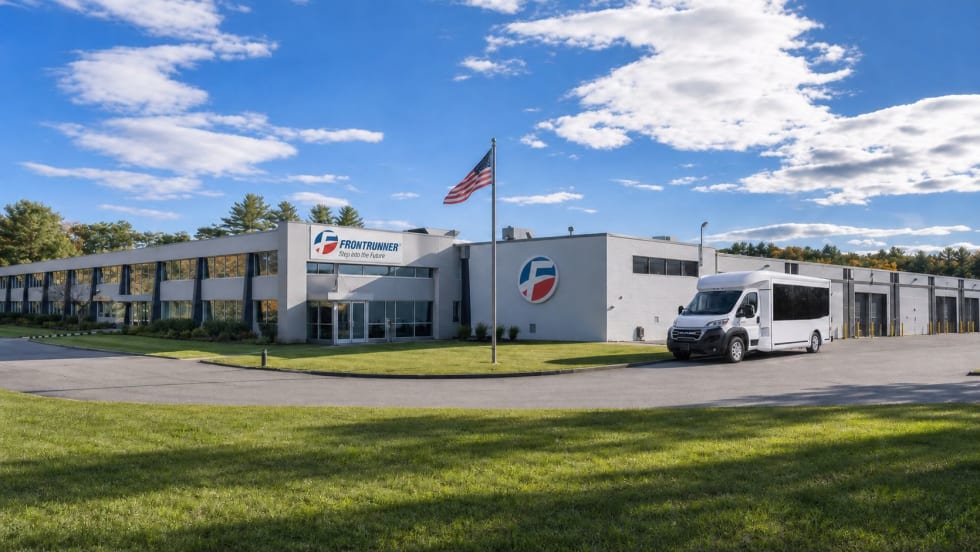
Frontrunner Bus Group Expands with New Massachusetts Headquarters
The significantly larger facility will provide the infrastructure needed to support the company’s growing workforce, advanced technologies, and expanding product line.
Read More →
Joshua Schank on Transportation Innovation, Risk, and the Future of Mobility
In this edition of METROspectives, Joshua Schank discusses lessons from launching LA Metro’s Office of Extraordinary Innovation, the challenges of advancing new mobility technologies, and much more.
Read More →
Reinventing Fleet Maintenance with Real-time Visibility and AI
Transit leaders need to know what needs fixing, where to look, who is responsible, when work is completed, and what it costs without having to chase information across disconnected systems.
Read More →
SamTrans Sets Priorities for Potential Connect Bay Area Revenue
The board-approved framework allocates future funding to maintaining service, rider improvements, equity initiatives, and infrastructure repairs.
Read More →
When Routine Fails: How Public Transit Must Adapt for the World Cup
The 2026 FIFA World Cup will test transit agencies’ ability to manage unpredictable travel patterns, making real-time data and operational flexibility critical to moving millions of visitors efficiently.
Read More →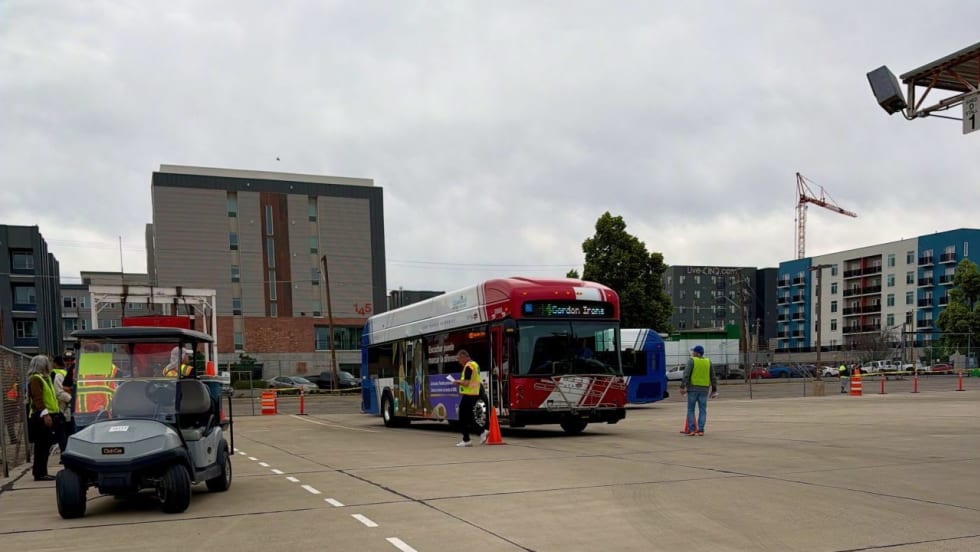
Photo Highlights from APTA's 2026 Mobility Conference
The photo gallery captures scenes from the conference, including the International Bus Roadeo, exhibit hall activities, the Bus Showcase, and much more.
Read More →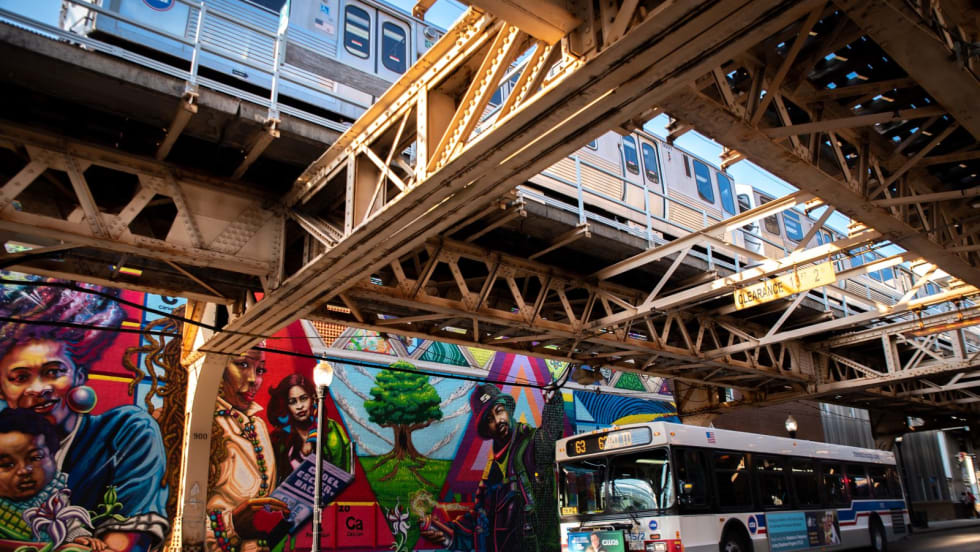
Chicago's NITA Act Moves Into Next Phase as Service Improvements Begin
Rider-focused improvements will begin rolling out across the system immediately as CTA, Metra, and Pace increase service this summer in the six-county region.
Read More →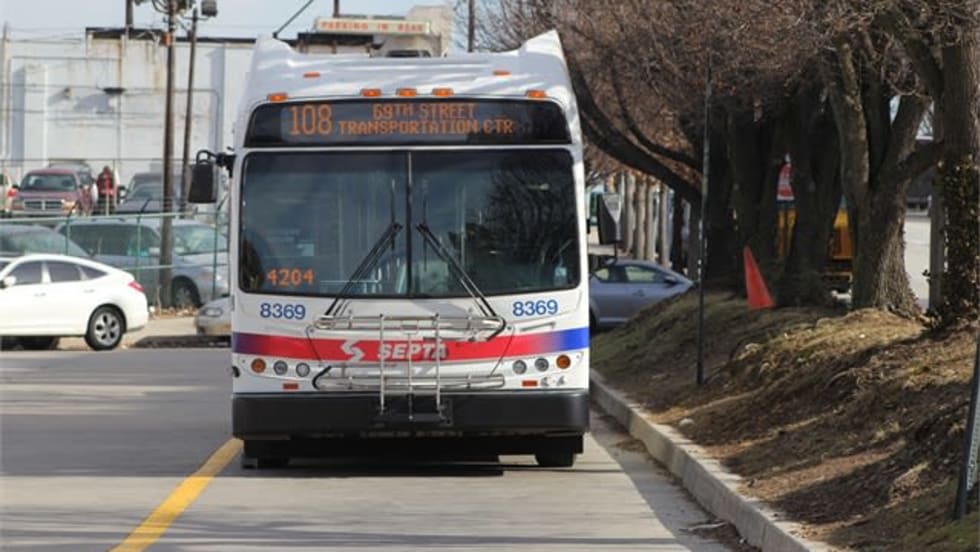
Philadelphia's SEPTA Approves Annual Transit Service Plan
Between 2021 and 2024, SEPTA held more than 200 public meetings — including 144 in-person sessions — throughout the SEPTA service region.
Read More →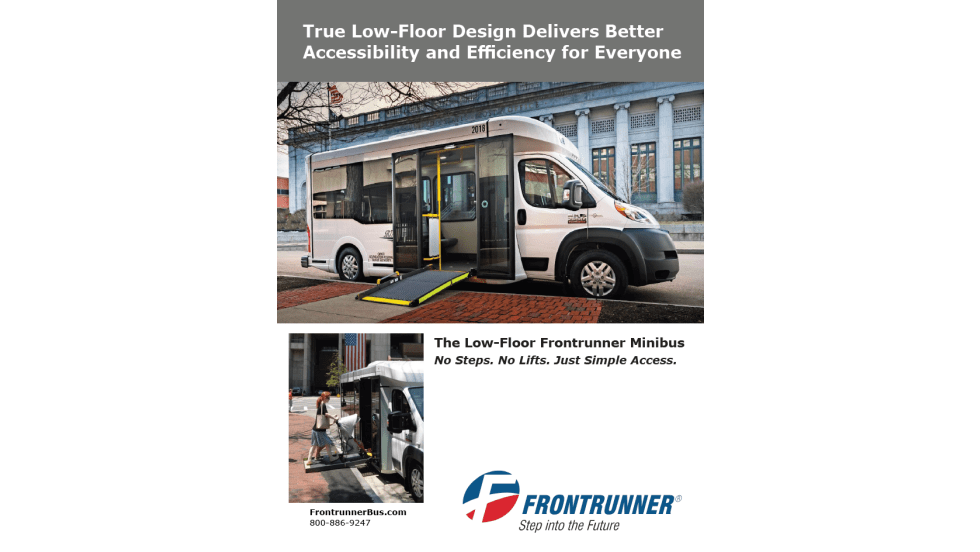
A True Low-Floor Minibus Design Delivers Better Accessibility and Efficiency for Everyone
As transit demands evolve, so should your fleet. Download the whitepaper to see how the Low-Floor Frontrunner Minibus compares to traditional options.
Read More →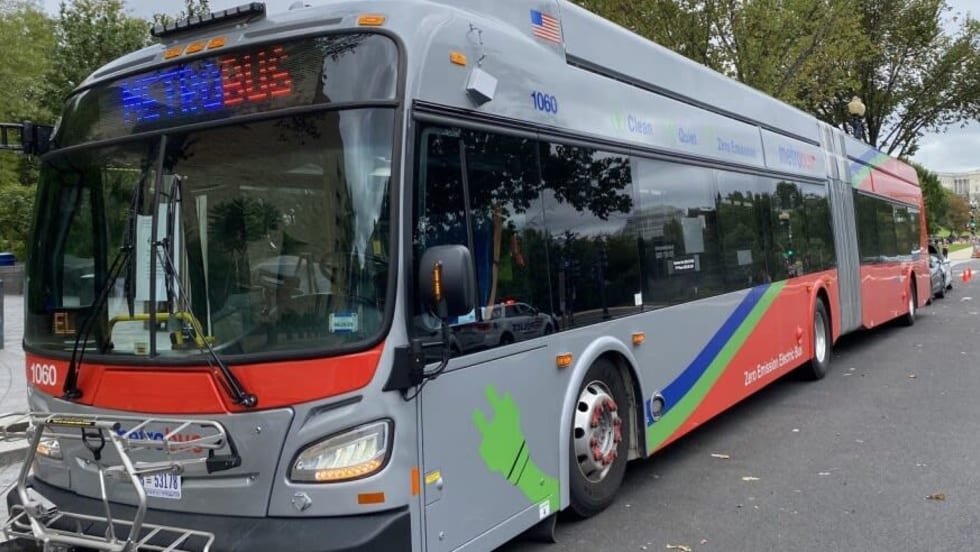
WMATA Debuts 'Fares Pay for Service' Awareness Campaign
The campaign was highlighted during a media event at the Paul S. Sarbanes Transit Center in Silver Spring, where WMATA’s GM/CEO Randy Clarke joined Metro Transit Police officers, WMATA management team, board members, and staff to expand fare enforcement and customer education efforts on Metro Bus routes throughout the region.
Read More →