



Web Extra: Transit commuter benefit in danger of being slashed Dec. 31
The American Recovery and Reinvestment Act (ARRA) included a provision to raise the monthly limit commuters can deduct from their paycheck on a pre-tax basis from $120 to $230 to pay for their commute and accrue savings. However, the additional savings will disappear if the law is allowed to sunset on Dec. 31, 2010, reverting to the $120 level unless Congress acts to extend it.

If a congressional initiative that provides commuter benefits is not renewed by the end of this year, millions of public transportation commuters across the country will be affected.
The American Recovery and Reinvestment Act (ARRA), passed in February 2009, included a provision to raise the monthly limit a commuter can deduct from their paycheck on a pre-tax basis from $120 to $230 to pay for their commute and accrue savings. The increase of the monthly limit brought the total potential savings for commuters enrolled in a commuter benefits program to approximately $1,100 annually. However, the additional savings related to the cap increase will disappear if the law is allowed to sunset on December 31, 2010, reverting to the $120 level unless Congress acts to extend it.
The New York City-based TransitCenter a not-for-profit that evolved from a relationship with several New York transit operators, including the Port Authority of Allegheny County and MTA New York City Transit, providescommuter benefit programs, andis working to keep the provision in place.
Dan Neuburger, president and CEO, explained that TransitCenter has been working for close to seven years on the commuter benefit. Last year, the organization achieved parity with the parking benefit, which allows commuters $230 per month of pre-tax dollars for parking.
According to Neuburger, for every employee that takes advantage of the benefit, the employer saves approximately $211 per year per employee, lowering their payroll taxes.
“This is one of those odd instances where not only the employee benefits, but the employer who offers [it] also benefits,” said Neuburger.
The TransitCenter’s most recent Commuter Impact Survey results show that one-third of all employers currently offer the tax-free commuter benefit program. In addition, eight months after the stimulus bill was signed, TransitCenter saw a 35-percent rise in the number of new companies adding the benefit in its own customer base, and 46 percent of companies in central business districts now offer this benefit to their employees.
For example, the city of San Francisco has an ordinance in place requiring employers with more than 20 employees to offer the benefit by law. Other jurisdictions are contemplating passing a similar ordinance, according to Neuburger.
TransitCenter has found that members of Congress support maintaining the current $230 level, Neuburger added. The organization helped to craft a letter that was sent to Rep. Nancy Pelosi and Sen. Harry Reid, signed by 29 members of Congress, asking for the benefit to be extended.
Currently, there are two bills in Congress that support the initiative: S322, introduced by Sen. Chuck Schumer (D-N.Y.) and HR891, introduced by Rep. Jim McGovern (D-Mass.).
One difficulty with the provision is that an answer is needed in October, since employees sign up for payroll deductions months in advance.
The current economic situation adds to that urgency, as it is forcing transit agencies across the country not only to reduce service but also to increase fares. “New York has been hit hard because of the second major fare increase in the last two years…and then [in May], NJ Transit raised fares by approximately 25 percent,” Neuburger noted.
Neuburger added that TransitCenter can help agencies that have to resort to fare increases as they figure out ways to reduce their expenses and drive up revenue, and suggested that letting riders know about the benefit could take the sting out of the announcement to raise fares.
If Congress fails to extend the benefit or make it permanent at the current $230 level, and it returns to the $120 level, it’s going to cost the commuting public and employers a lot of money, Neuburger said. “In the New York Metro area alone, that would mean a loss in savings for commuters of about $37.5 million, and for their employers, a little bit more than $16 billion in payroll taxes each year.”
Transit agencies, Neuburger stressed, need to make sure that they’re letting members of Congress know the provision is important to their survival. “There’s a lot of other things happening in the world of transit, related to safety and high-speed rail that get a lot of press, but the reality is that they need to put riders in the seats, and one of the best ways to do that is to minimize cost increases or lower the cost of commuting relative to other options,” Neuburger said.
“With the parking benefit at $230, and given all of the climate issues and the economic situation of operators around the country it certainly would not be a good thing to have a parking benefit that [encourages] people to drive, as opposed to using mass transit, by having a disparity between the two numbers,” he added.
More Bus
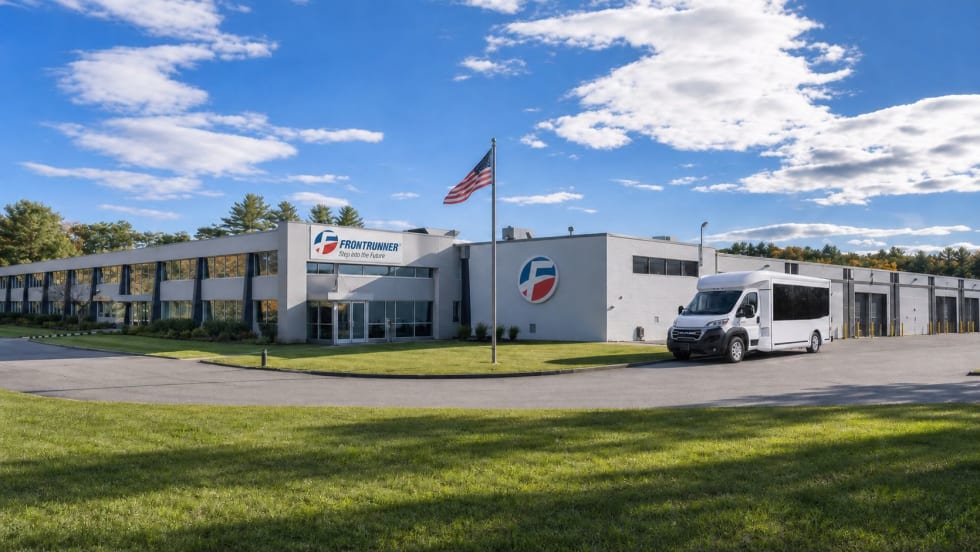
Frontrunner Bus Group Expands with New Massachusetts Headquarters
The significantly larger facility will provide the infrastructure needed to support the company’s growing workforce, advanced technologies, and expanding product line.
Read More →
Joshua Schank on Transportation Innovation, Risk, and the Future of Mobility
In this edition of METROspectives, Joshua Schank discusses lessons from launching LA Metro’s Office of Extraordinary Innovation, the challenges of advancing new mobility technologies, and much more.
Read More →
Reinventing Fleet Maintenance with Real-time Visibility and AI
Transit leaders need to know what needs fixing, where to look, who is responsible, when work is completed, and what it costs without having to chase information across disconnected systems.
Read More →
SamTrans Sets Priorities for Potential Connect Bay Area Revenue
The board-approved framework allocates future funding to maintaining service, rider improvements, equity initiatives, and infrastructure repairs.
Read More →
When Routine Fails: How Public Transit Must Adapt for the World Cup
The 2026 FIFA World Cup will test transit agencies’ ability to manage unpredictable travel patterns, making real-time data and operational flexibility critical to moving millions of visitors efficiently.
Read More →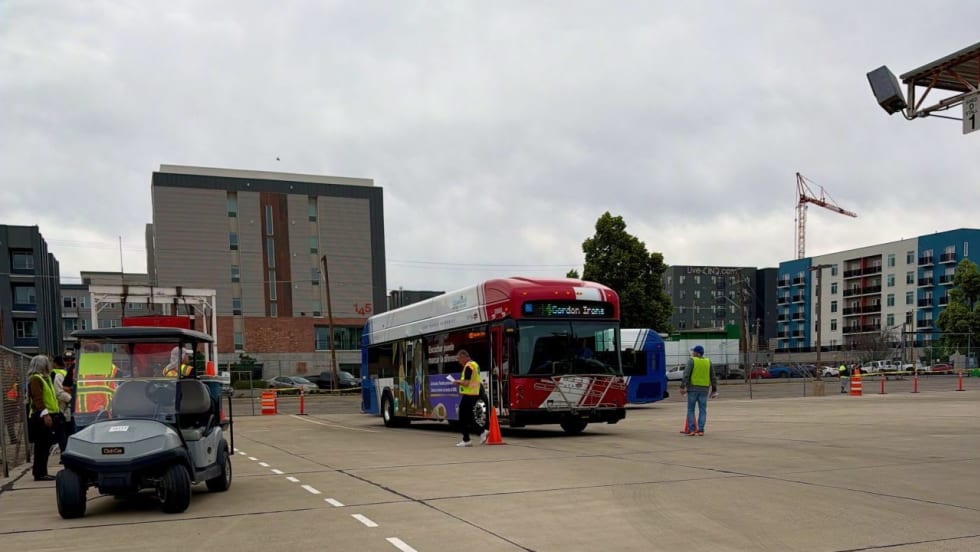
Photo Highlights from APTA's 2026 Mobility Conference
The photo gallery captures scenes from the conference, including the International Bus Roadeo, exhibit hall activities, the Bus Showcase, and much more.
Read More →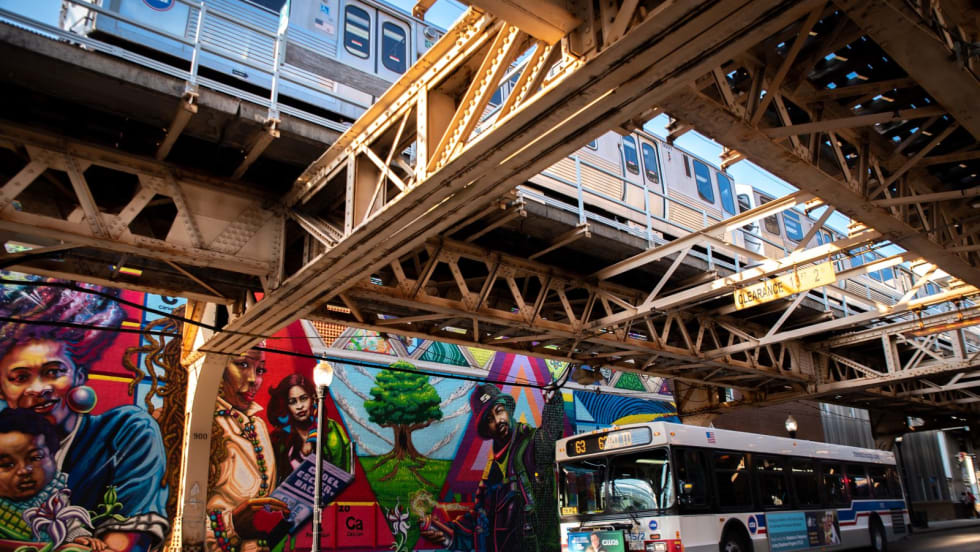
Chicago's NITA Act Moves Into Next Phase as Service Improvements Begin
Rider-focused improvements will begin rolling out across the system immediately as CTA, Metra, and Pace increase service this summer in the six-county region.
Read More →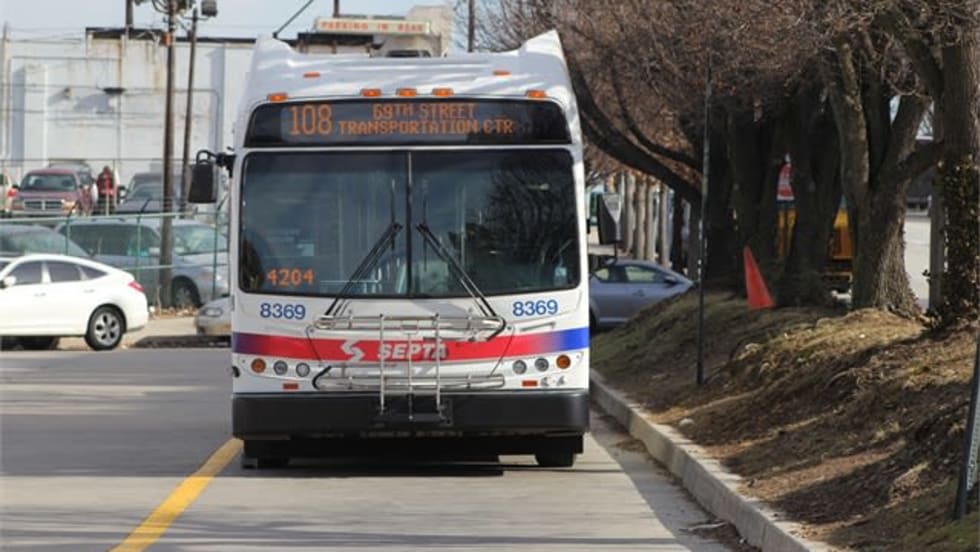
Philadelphia's SEPTA Approves Annual Transit Service Plan
Between 2021 and 2024, SEPTA held more than 200 public meetings — including 144 in-person sessions — throughout the SEPTA service region.
Read More →
A True Low-Floor Minibus Design Delivers Better Accessibility and Efficiency for Everyone
As transit demands evolve, so should your fleet. Download the whitepaper to see how the Low-Floor Frontrunner Minibus compares to traditional options.
Read More →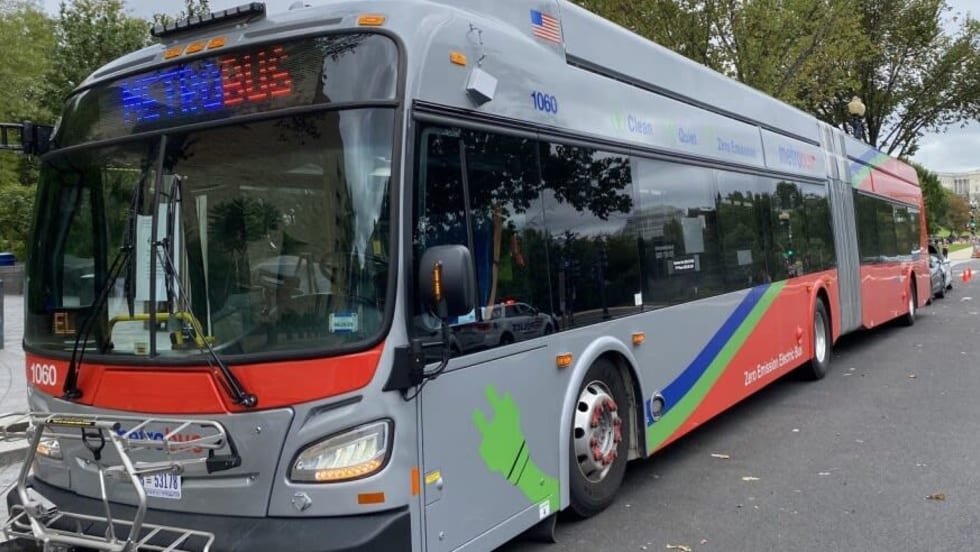
WMATA Debuts 'Fares Pay for Service' Awareness Campaign
The campaign was highlighted during a media event at the Paul S. Sarbanes Transit Center in Silver Spring, where WMATA’s GM/CEO Randy Clarke joined Metro Transit Police officers, WMATA management team, board members, and staff to expand fare enforcement and customer education efforts on Metro Bus routes throughout the region.
Read More →