



Kawasaki to supply D.C. Metro with 428 railcars
Agency received $150M in federal funds for the procurement of the new generation railcars. Of the 428 new cars, 128 will enable the expansion of Metro service on the Dulles rail corridor and 300 will be used to replace the 1000 series cars.

On Monday, Washington Metropolitan Area Transit Authority (Metro) awarded a contract to Kawasaki to manufacture the new 7000 series railcars, which will replace the 1000 series cars, fulfilling Metro’s top safety priority.
Metro received a formal pre-award approval letter on Monday from the Federal Transit Administration (FTA) for the procurement of the new generation railcars using Passenger Rail Investment and Improvement Act of 2008 (PRIIA) funds.
The FTA’s pre-award authority for the PRIIA funds totals $150 million for this year, which will be matched by another $150 million by the jurisdictions. Of those funds, $80 million will be used for a milestone payment for the 7000 series cars, which is due this year.
The procurement of the new railcars complies with a National Transportation Safety Board (NTSB) recommendation to replace the oldest cars in Metro’s fleet.
Of the 428 new cars, 128 of them will enable the expansion of Metro service on the Dulles rail corridor and 300 of the cars will be used to replace the 1000 series cars. The new cars are equipped with advanced crash worthiness systems.
Metro has conducted a top-to-bottom overhaul of its safety program and taken dozens of actions to build a strong safety culture at the transit agency and improve safety, including implementing NTSB recommendations in advance of the July 27 NTSB Board meeting on the June 22, 2009 train collision at Fort Totten.
Over the last year, Metro has taken proactive steps to replace and improve its equipment; make changes to its train control system; upgrade its infrastructure; expand safety training; rebuild its safety department and make extensive changes internally to change the Metro safety culture.
More Rail
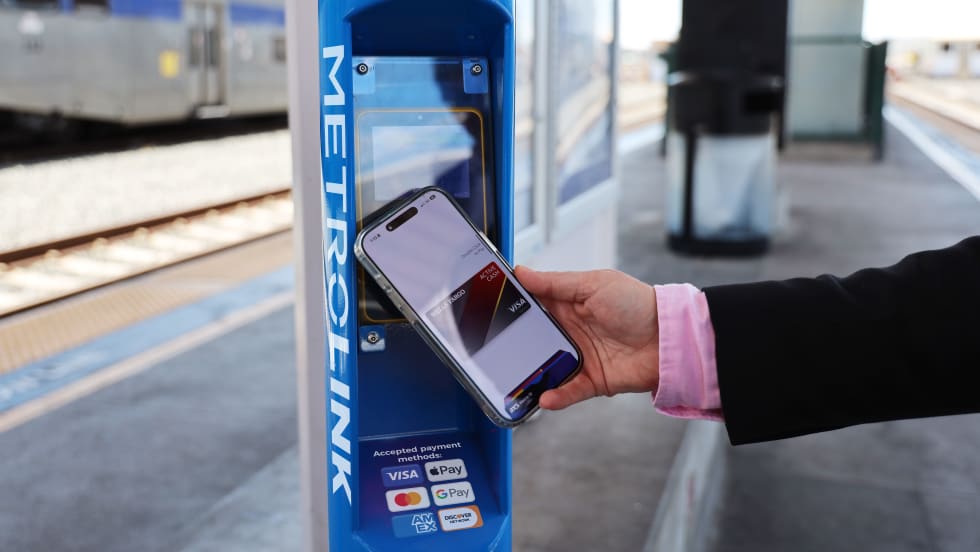
Southern California's Metrolink Debuts Contactless Fare Payment Pilot
Customers traveling between Redlands and Los Angeles can now tap their preferred payment method, including a credit or debit card, mobile wallet, or wearable device, at station validators before boarding and again while exiting.
Read More →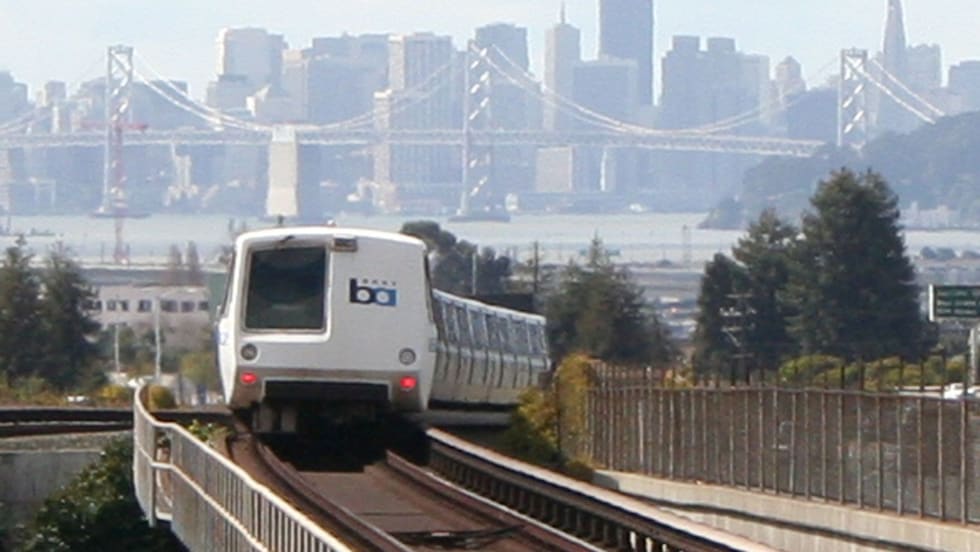
California's BART Approves FY27 Budget While Maintaining Service Levels
The budget covers July 1, 2026, through June 30, 2027, a period when pandemic emergency funds run out, the District faces a structural deficit of $375 million, and a regional transit funding measure may appear on the November ballot.
Read More →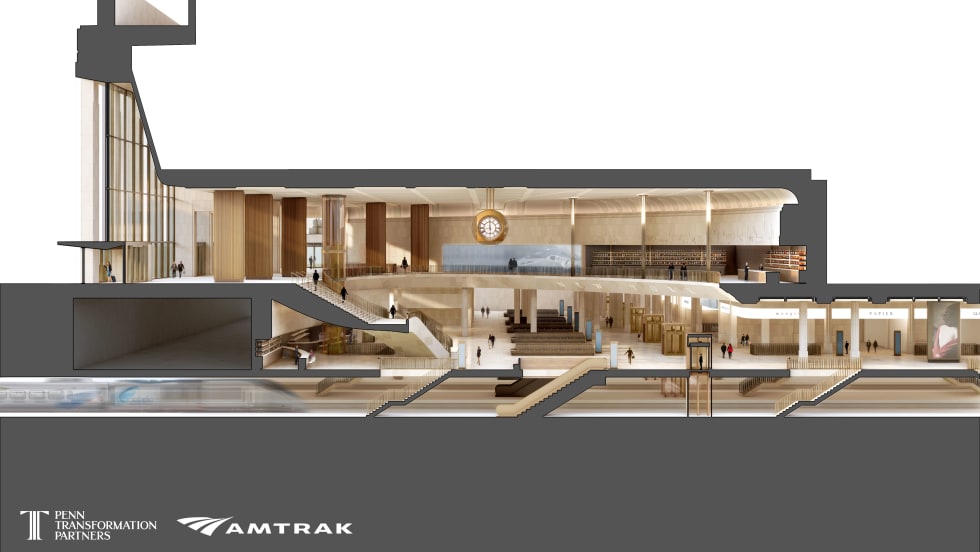
Penn Station Transformation Advances with Design Unveiling
The historic redesign will transform the busiest transit hub in the Western Hemisphere from the tracks to the street level, creating a more efficient, cleaner, and functional experience for more than 600,000 daily commuters and millions of visitors.
Read More →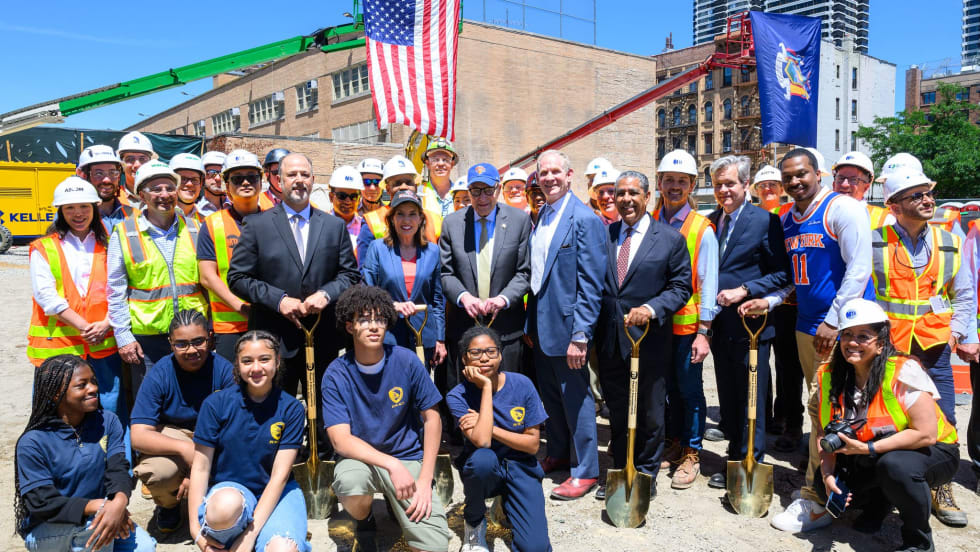
Second Avenue Subway Phase 2 Advances into Major Construction Stage
New York Governor Kathy Hochul joined leadership from the MTA, elected officials, and Harlem community leaders to break ground on the major construction stage of the transformative Second Avenue Subway Phase 2 project.
Read More →
The Invisible Infrastructure of Passenger Flow
What a seat reservation system on Austria’s Railjet trains reveals about the future of rider experience, and why U.S. agencies should pay attention.
Read More →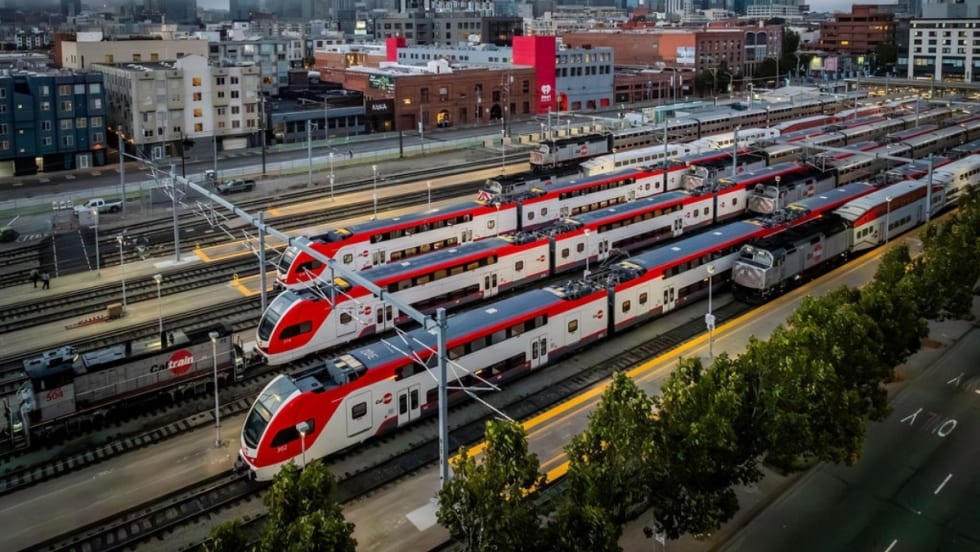
Caltrain Board Approves FY27 Budget, Endorses Efficiency Measures
The move ensures Caltrain service will continue operating as usual in the near term, but long-term financial challenges remain for the rail agency absent a new revenue source.
Read More →
Alstom Acquires Delaware Site to Support Amtrak NextGen Acela Fleet
The company is investing more than $55 million to acquire and improve the property and will employ approximately 100 people at this site once it is operational.
Read More →
When Routine Fails: How Public Transit Must Adapt for the World Cup
The 2026 FIFA World Cup will test transit agencies’ ability to manage unpredictable travel patterns, making real-time data and operational flexibility critical to moving millions of visitors efficiently.
Read More →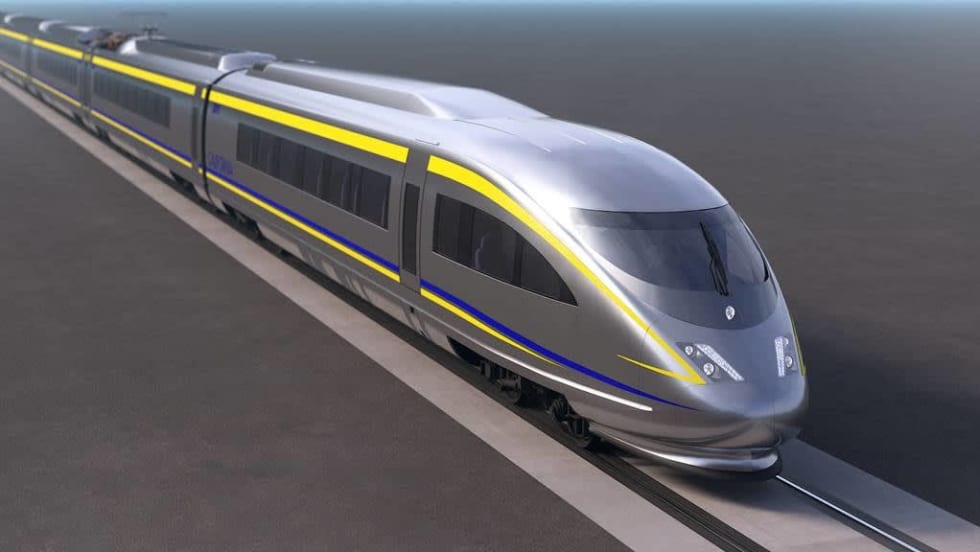
California Selects Team for Nation’s First True High-Speed Rail Track and Systems Contract
The board action follows completion of track installation at the 150-acre southern railhead in Kern County, which will serve as the staging and distribution hub for high-speed track and systems installation.
Read More →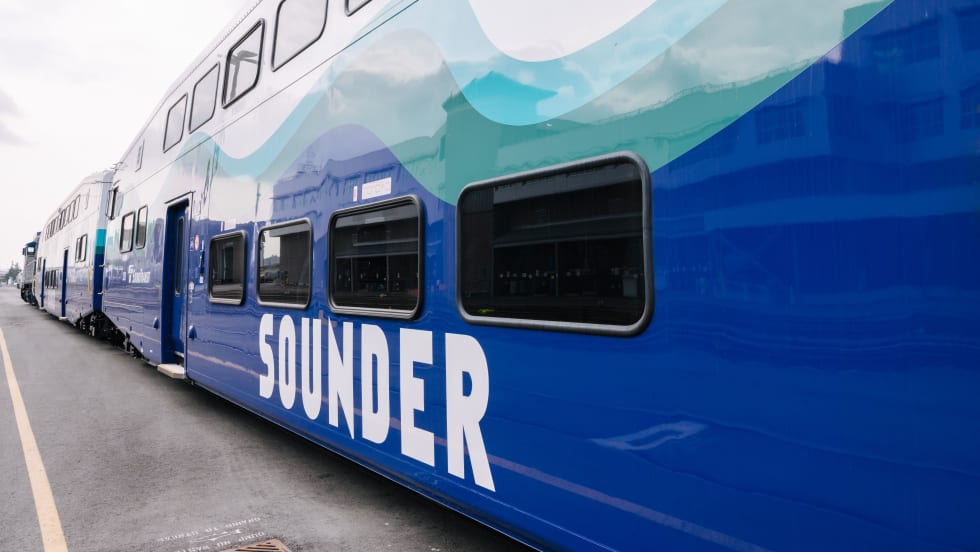
Seattle's Sound Transit Launches New Sounder Railcars into Service
Alstom manufactured all the cars under a $46.5 million contract and came into service in anticipation of summer crowds for soccer and baseball.
Read More →