



San Francisco breaks ground on $4.2B Transbay Transit Center
Will serve as the northern terminus for the California High-Speed Rail system and a multi-modal facility that will accommodate 11 transit operators and serve more than 45 million passengers a year. Project is estimated to create more than 48,000 jobs in its first phase of construction, which will last seven years.

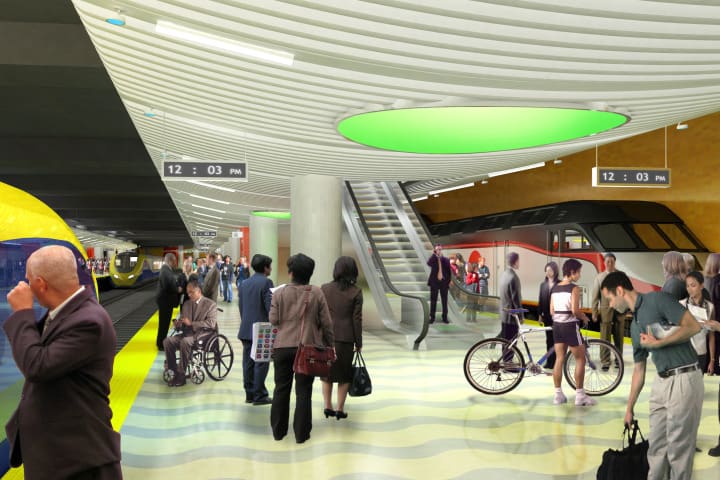
Project Architect: Pelli Clarke Pelli. Renderings courtesy of the Transbay Joint Powers Authority.
[IMAGE]TransbayRenderingPlatformFULL.jpg[/IMAGE] On Wednesday, federal, state and local officials joined together with the Transbay Joint Powers Authority (TJPA) to officially break ground on the Transbay Transit Center — the northern terminus for the California high-speed rail system and a multi-modal facility that will accommodate 11 transit operators and serve more than 45 million passengers a year.
“Today, in breaking ground on the Transbay Transit Center, we are opening a new chapter in that history of progress,” Speaker Nancy Pelosi said. “We are coming together to create jobs and revitalize our economy, and we are laying the first building blocks of a new ‘Grand Central Station of the West.’”
The project is estimated to create more than 48,000 jobs in its first phase of construction, which will last seven years. These jobs include the people who will design, build and operate the facility, the manufacturing jobs created by the materials being utilized in the facility and the businesses providing consumer goods and services to workers and the passengers utilizing the Transit Center.
"This is one of the most important and transformational public transportation projects in America. Once the dust has settled, San Francisco’s skyline will be transformed – as will transportation, housing, and employment choices for people across the Bay area and beyond,” said United States Secretary of Transportation Ray LaHood. "The U.S. Department of Transportation and the Federal Railroad Administration are proud to contribute to the first phase of this effort."
The full Phase 1 (Transit Center) and Phase 2 (Downtown Rail Extension) project and build out of the Redevelopment Plan will also increase the gross regional product in the Bay Area by $80 billion.
"This is a historic day for San Francisco and for the entire state," said Mayor Newsom. "History will write that high-speed rail and a new engine for job creation and economic growth in California began today, with the groundbreaking of this project. It is a culmination of decades of planning to fulfill our city's vision of leading the nation as a transit-first city and a hub of a modern high-speed rail system."
For more than 40 years, San Francisco has been planning for the replacement of the outdated and seismically deficient Transbay Terminal at First and Mission streets. The new one million square foot Transbay Transit Center will serve as San Francisco’s next landmark and will feature a 5.4-acre public park on the roof of the Transit Center.
The five-story Transit Center includes: one above-grade bus level, a ground floor entrance on Mission Street, concourse level, and two below-grade rail levels serving Caltrain and future California High-Speed Rail.
The $4.2 billion Transbay Transit Center Project is funded by various funding partners, including the Federal Government, the State of California, the Metropolitan Transportation Commission, the San Francisco County and San Mateo County Transportation Authorities and AC Transit, among others. The first phase of the program, which includes constructing the new Transit Center, is fully funded.
The new Transbay Transit Center is scheduled to open in August 2017.
More Rail
FTA Advances $164M Broward County Commuter Rail Project
The proposed 10.5-mile commuter rail extension would connect Fort Lauderdale and Aventura, expanding passenger rail options in South Florida.
Read More →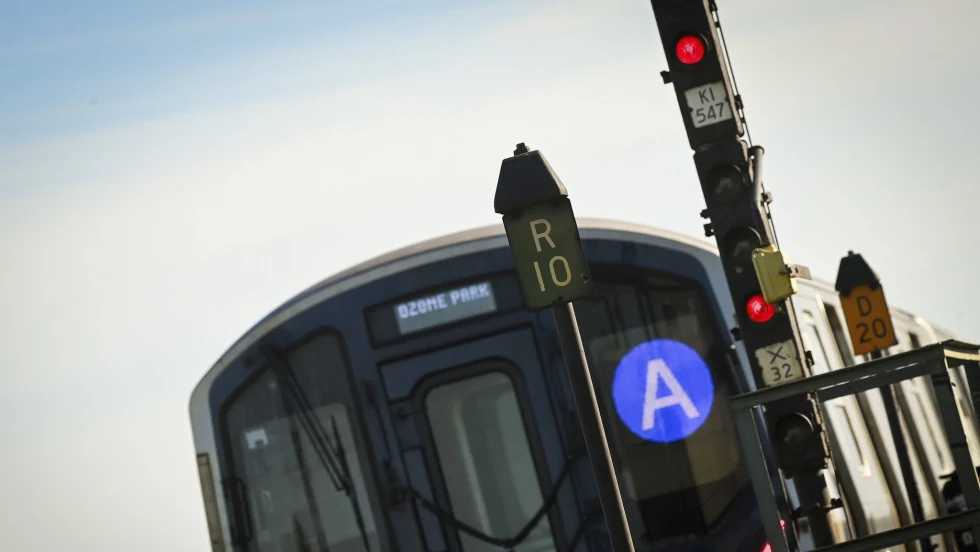
New York MTA Launches Historic $1.9B Signal, Track Modernization Project
Funded in part by congestion pricing revenue, the project will replace nearly century-old signals along the A and C lines in Brooklyn and Queens.
Read More →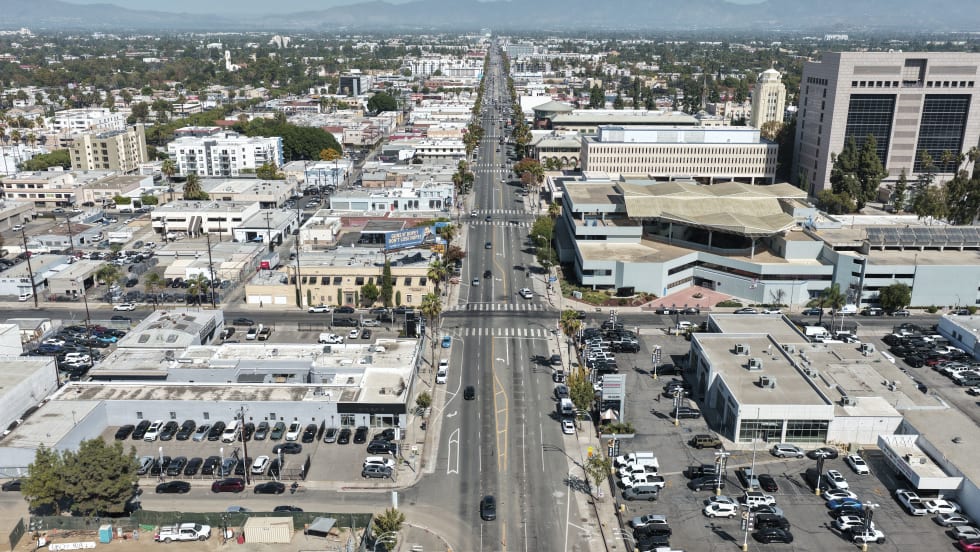
LA Metro Breaks Ground on East San Fernando Valley Light Rail Project
The 6.7-mile line will add 11 stations along Van Nuys Boulevard, expand access to jobs and regional transit connections, and support Metro’s broader efforts to improve mobility as rail ridership grows.
Read More →
CSA Group Releases Climate Resilience Standard for Transit, Passenger Rail
Developed with support from the Standards Council of Canada, CSA D700 guides assessing climate-related risks and planning adaptation measures for transit and passenger rail systems.
Read More →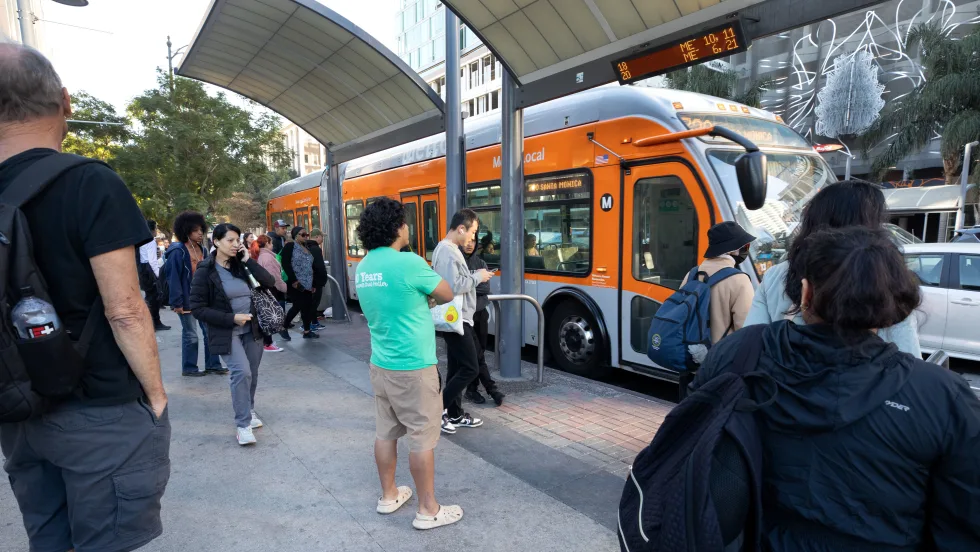
LA Metro September Ridership Climbs 3.9%, Led by Rail Growth
The agency recorded more than 27.2 million boardings, with rail ridership increasing 12.4% year over year and the D Line posting the largest gains.
Read More →
First Full MetroLink Rail Expansion Completed in 20 Years with $192M Airport Project
The project links two St. Louis-area airports by light rail while adding roadway and bike trail connections to improve regional access and mobility.
Read More →
Utilimarc Launches SmartReplace to Optimize Fleet Replacement Decisions
AI-powered SmartReplace helps fleets prioritize vehicle replacements, model budget scenarios, and build more defensible long-term strategies.
Read More →
Scenes from APTA TRANSform & EXPO 2026
Transit leaders, manufacturers, and industry professionals gathered in Chicago to explore new technologies, share ideas, and discuss the future of public transportation.
Read More →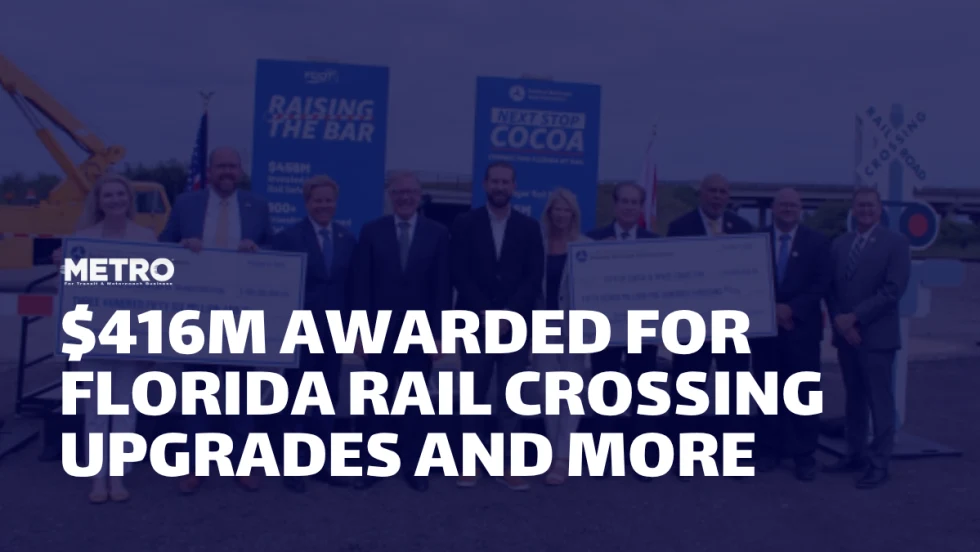
USDOT Awards $416 Million for Florida Rail Crossing Safety Upgrades, New Brightline Station
The projects aim to reduce risks for motorists and pedestrians at rail crossings while expanding passenger rail access along Florida’s Space Coast.
Read More →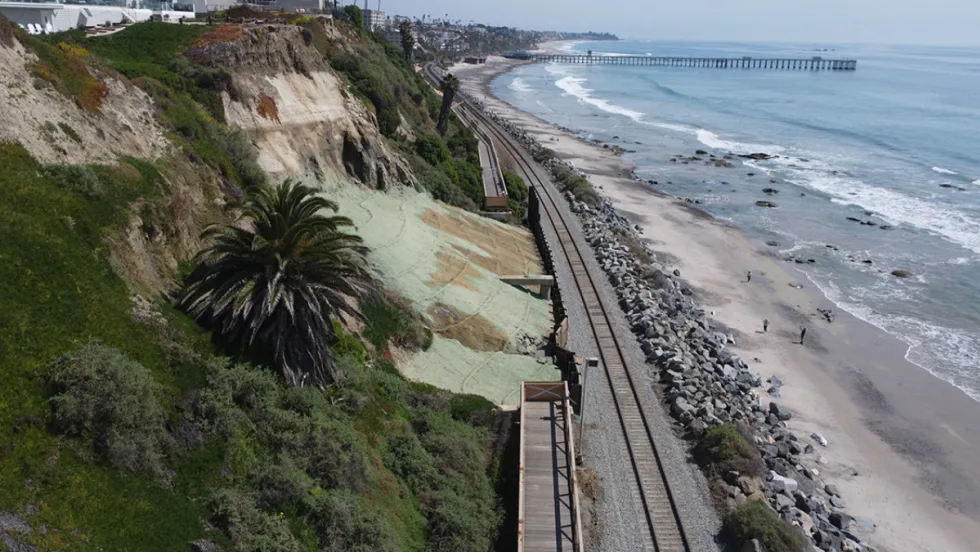
OCTA Declares Emergency to Protect Rail Corridor From Coastal Erosion
The California agency is accelerating shoreline protection and plans to place approximately 690,000 cubic yards of sand along the San Clemente coast to protect a key passenger and freight rail link.
Read More →