



Web Extra: Virginia Tech teams with transit to launch VT Bus Tracker
Blacksburg, Va.-based Blacksburg Transit worked with a team of students at the Virginia Tech Computer Science Department to unveil the system, which provides smartphone apps and text versions that deliver bus locations, speeds and the number of passengers on each bus.

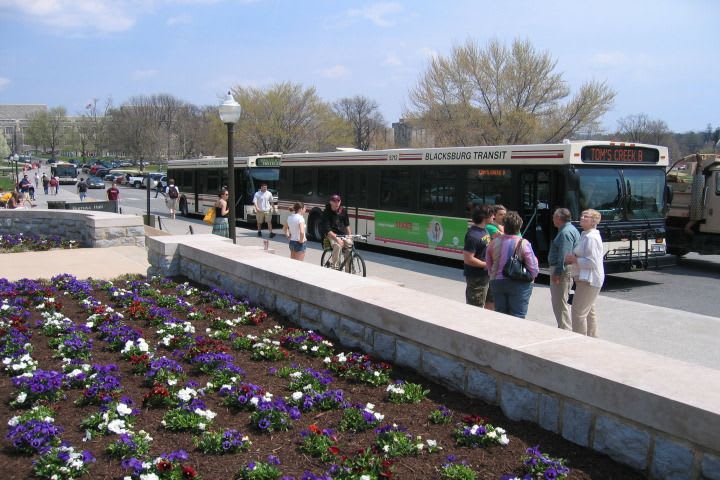
[IMAGE]BlacksburgTransitVTBusTrackerFULL-2.jpg[/IMAGE] Last week, a group of Virginia Tech computer science students unveiled the VT Bus Tracker, with app and text versions that deliver bus locations, speeds and the number of passengers on each Blacksburg, Va.-based Blacksburg Transit bus.
Users can access the app on a Blackberry, an iPhone or an Android. There is also a text message system for riders who do not have smartphones.
The idea for the bus tracking system was developed about two years ago. The Student Government Association (SGA) funded a student team in the computer science department to develop the project. Blacksburg Transit worked with the team, contributing the bus data that it already collects for federal, state and local reporting.
The Virginia Tech Computer Science Department is hosting the bus tracking system and taking care of ongoing costs. Blacksburg meets with them weekly to keep up communication on data feed issues. The agency also handles the cost of the hardware, including ITS equipment on the buses, and the data transmission.
“I need that equipment anyway to collect data to be able to track my buses and this is a value-added feature that I am not paying for," said Timothy Witten, ITS/special projects manager, Blacksburg Transit. "Someone else is going out and helping us have better transit ridership, helping people understand the system better, through means that don’t come directly out of my budget. The cost for me to provide data to them, in the grand scheme of things it’s not that much.”
One unique piece of data that Blacksburg Transit is able to provide to the Virginia Tech team is the current number of passengers on some of the buses. This information is provided by the automatic passenger counters (APCs) that the agency installs on every bus.
“We’ve done some work with an application in-house that will tell you when the bus is full, and we can text that out,” Witten said. “We want [riders] to have as much information as possible, and one of the things our ridership wants to know is ‘How full are the buses?’”
The anticipated time frame to have all the buses in the fleet equipped with APCs, Witten said, is mid-November. “We’ll work with New Flyer to get more of the ITS equipment placed on the bus before it comes in now that we finally have a much better handle on what we want to see on every bus.”
The next step, Witten explained, will be to model a developers’ page after some of the bigger systems, such as the Bay Area Rapid Transit Authority and the Chicago Transit Authority, to provide open access to data.
University-based systems are seeing developments with open source data before the more traditional transit systems, Witten noted. To make transit an easy and valued form of transportation to this new group of consumers, Witten said, providing open source data for these tracking systems is crucial. The student riders in Blacksburg are going to be the users of public transit systems across the U.S. in another five years, he added, and they already expect to be able to access this data from their smart phones.
“Five years ago people came to me and said, ‘It’d be nice if I could access the schedule on the Internet,’ and now my passengers say, ‘Why can’t I access the schedule on my smart phone?’” Witten recalled.
More Bus
Indian River Transit’s Community-Focused Approach Earns National Recognition
Named APTA’s 2026 Outstanding Public Transportation System in its size category, Florida’s Indian River County transit system continues to grow ridership through fare-free service and a focus on evolving community needs.
Read More →
ENC Lands MATA Contract and More in Biz Briefs
In this edition of Biz Briefs, we spotlight the latest developments shaping the future of mobility.
Read More →
From Surviving to Thriving: Building Stronger Transportation Organizations
Bus Business Consultants founder Brian Dickson shares lessons on leadership, organizational health, and creating options for long-term success in a changing transportation industry.
Read More →
Everett Transit, Community Transit Outline Consolidation Agreement
The proposed agreement calls for a 50% increase in bus service in Everett, a new microtransit zone, continued paratransit service, and the transfer of Everett Transit operations to Community Transit.
Read More →
SEPTA Details Accelerate Vision for Transit System
The plan outlines investments in trolley modernization, new Metro and Regional Rail vehicles, accessible stations, and more frequent bus and rail service.
Read More →
Report: Transit Bus Manufacturing Supports 34,100 Jobs, $5.1B in GDP
The “Buses Mean Business” report examines the transit bus manufacturing industry’s economic footprint, supply chain, and rising demand for vehicle replacements.
Read More →
Biz Briefs: New Flyer Delivers in Columbus, Houston, Beep and Freebee Merge, and More
In this edition of Biz Briefs, we spotlight the latest developments shaping the future of mobility.
Read More →
People Movement: Dan Dipert Coaches Adds Third-Generation Leader, Keolis Names New Valley Metro VP/GM, and More
In this edition, we also cover recent appointments and announcements at the Wabtec, SilverRide, HNTB, and more, showcasing the individuals helping to shape the future of transportation.
Read More →
New York MTA Plans Largest Bus Fleet Upgrade in More Than a Decade
The agency is seeking manufacturers for 650 new CNG buses to replace aging vehicles, improve reliability, and advance its broader fleet modernization strategy.
Read More →
Building a Flexible Path to Transit Electrification
John Hroncich discusses BAE Systems’ modular and scalable approach, lessons learned from decades of real-world operations, and how agencies can identify electrification strategies that fit their fleets.
Read More →