



Amtrak's 30-year HSR plan would slash Northeast travel times
Trips between Washington and Boston would take three hours, about half the length of the current trip time. At speeds of 148 mph, trips between New York and Boston would take 84 minutes.

In a plan released today, Amtrak says a Next-Generation High-Speed Rail service could be successfully developed in the Northeast with trains operating up to 220 mph on a new two-track corridor. Trip times would be cut in half, according to the plan, to about three hours between Washington and Boston.
At an average speed of 137 mph, a trip between Washington and New York would take just 96 minutes, about one hour faster than today. For the trip between New York and Boston, the average speed would be 148 mph and take just 84 minutes, or a time savings of more than two hours.
The Amtrak concept plan, "A Vision for High-Speed Rail in the Northeast Corridor (NEC)," shows a financially viable route could be developed, according to the agency. Upon its full build-out in 2040, high-speed train ridership would approach 18 million passengers with room to accommodate up to 80 million annually as demand increases in the years and decades that follow. Departures of high-speed trains would expand from an average of one to four per hour in each direction, with additional service in the peak periods, and total daily high-speed rail departures would increase from 42 today to as many as 148 in 2040.
The service would generate an annual operating surplus of approximately $900 million and its construction would create more than 40,000 full-time jobs annually over a 25-year construction period to build the new track, tunnels, bridges, stations, and other infrastructure. More than 120,000 permanent jobs in improved economic productivity along the corridor and in rail operations are predicted by 2040.
In addition to significant travel time savings between major cities, tremendous mobility improvements would come with environmental, energy and congestion mitigation benefits. The new transportation capacity obtained with this investment will allow a larger share of the intercity travel market to be via high-speed rail, strengthening sustainable, energy-efficient development in the corridor's metropolitan areas.
With an investment of $4.7 billion annually over 25 years, a major national transportation asset would be built to support the growth and competitive position of the Northeast region. Its population, economic densities and growing intercity travel demand make it one of the premier "mega-regions" of the world, and an ideal market for world-class high-speed passenger rail service.
The specific high-speed alignment, stations, maintenance yards and other facilities that were analyzed in the report represent only one of a wide range of possible network and service configurations that could be developed. The analyzed concepts reflect the study's underlying goals (i.e., aggressive travel time savings, station locations in downtown areas) and detailed preliminary planning and engineering assessments. These concepts would undergo numerous revisions, refinements and changes under more detailed study, and other concepts with different alignments would likely be further reviewed at that time.
An NEC Infrastructure Master Plan issued earlier this year predicted that the capacity gains achieved within the current NEC "footprint" would be maxed out by 2030. The Next-Generation High-Speed Rail system will provide the necessary new capacity to meet growing demand well beyond 2030. By operating the highest-speed trains on the new infrastructure, capacity on the existing NEC would become available for additional commuter and conventional intercity passenger trains as well as for freight operations.
A copy of the report is available on Amtrak.com.
More Rail
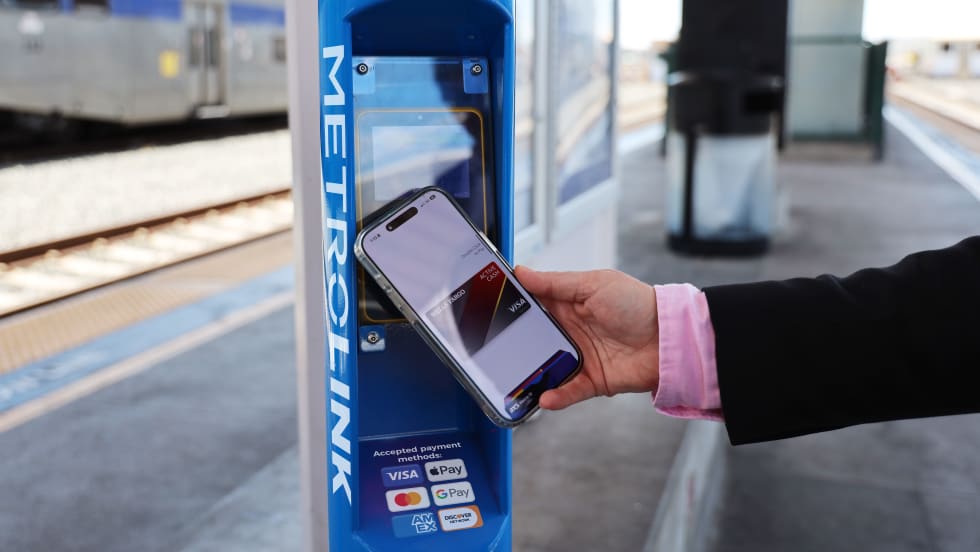
Southern California's Metrolink Debuts Contactless Fare Payment Pilot
Customers traveling between Redlands and Los Angeles can now tap their preferred payment method, including a credit or debit card, mobile wallet, or wearable device, at station validators before boarding and again while exiting.
Read More →
California's BART Approves FY27 Budget While Maintaining Service Levels
The budget covers July 1, 2026, through June 30, 2027, a period when pandemic emergency funds run out, the District faces a structural deficit of $375 million, and a regional transit funding measure may appear on the November ballot.
Read More →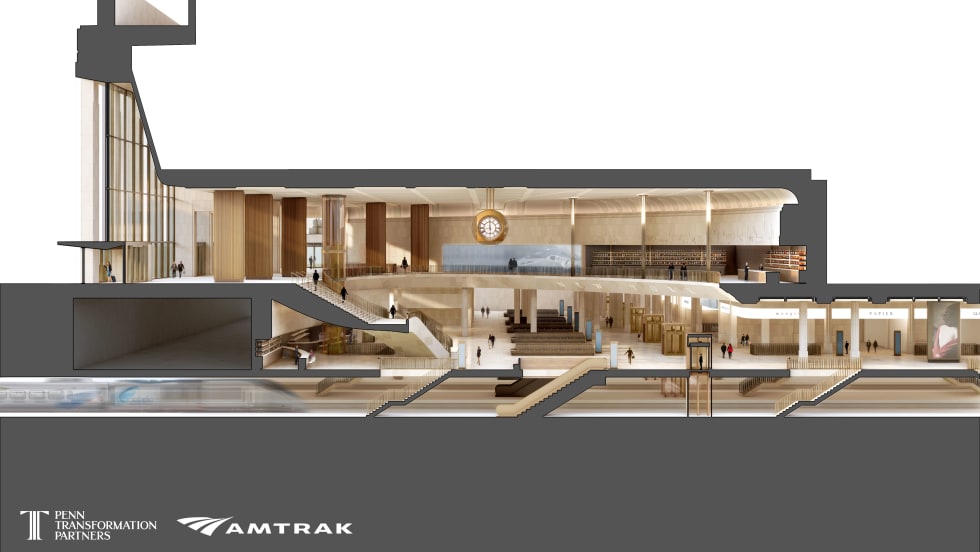
Penn Station Transformation Advances with Design Unveiling
The historic redesign will transform the busiest transit hub in the Western Hemisphere from the tracks to the street level, creating a more efficient, cleaner, and functional experience for more than 600,000 daily commuters and millions of visitors.
Read More →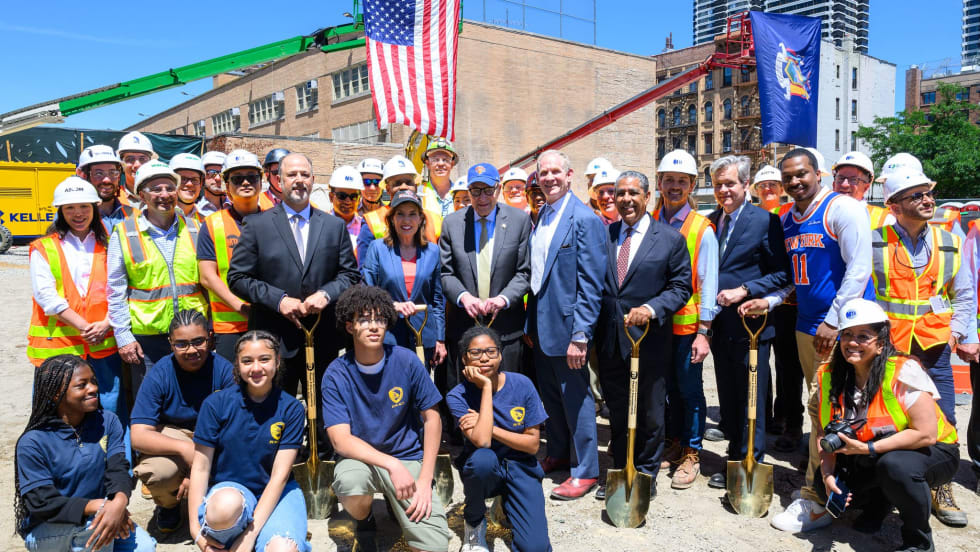
Second Avenue Subway Phase 2 Advances into Major Construction Stage
New York Governor Kathy Hochul joined leadership from the MTA, elected officials, and Harlem community leaders to break ground on the major construction stage of the transformative Second Avenue Subway Phase 2 project.
Read More →
The Invisible Infrastructure of Passenger Flow
What a seat reservation system on Austria’s Railjet trains reveals about the future of rider experience, and why U.S. agencies should pay attention.
Read More →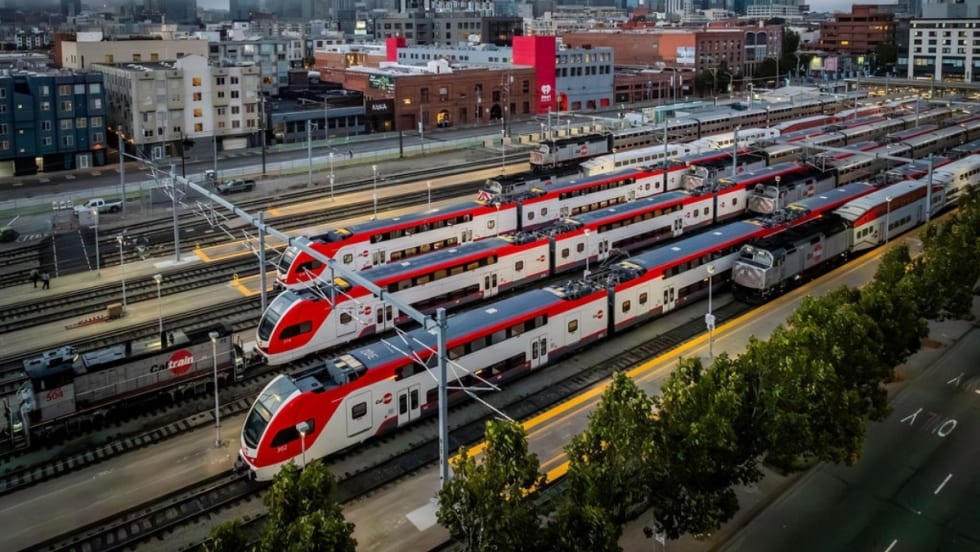
Caltrain Board Approves FY27 Budget, Endorses Efficiency Measures
The move ensures Caltrain service will continue operating as usual in the near term, but long-term financial challenges remain for the rail agency absent a new revenue source.
Read More →
Alstom Acquires Delaware Site to Support Amtrak NextGen Acela Fleet
The company is investing more than $55 million to acquire and improve the property and will employ approximately 100 people at this site once it is operational.
Read More →
When Routine Fails: How Public Transit Must Adapt for the World Cup
The 2026 FIFA World Cup will test transit agencies’ ability to manage unpredictable travel patterns, making real-time data and operational flexibility critical to moving millions of visitors efficiently.
Read More →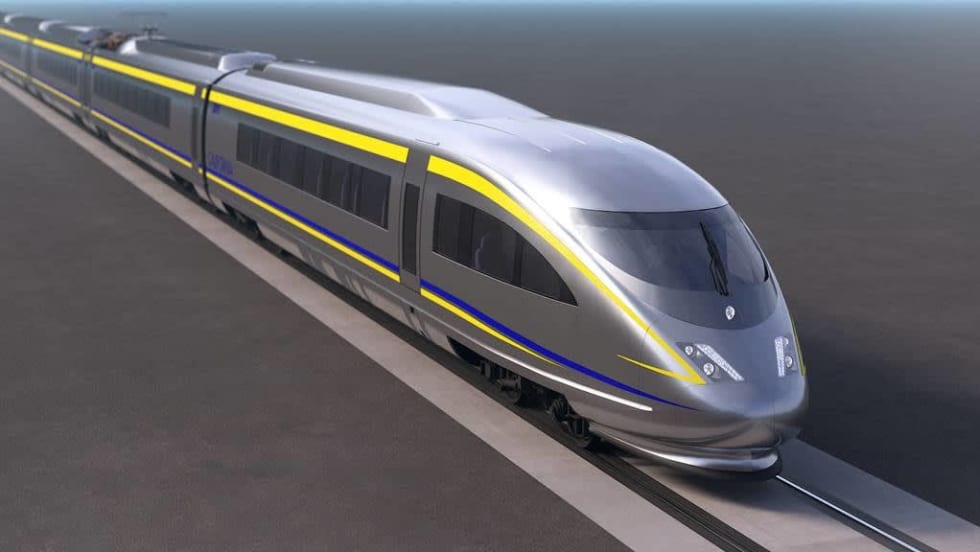
California Selects Team for Nation’s First True High-Speed Rail Track and Systems Contract
The board action follows completion of track installation at the 150-acre southern railhead in Kern County, which will serve as the staging and distribution hub for high-speed track and systems installation.
Read More →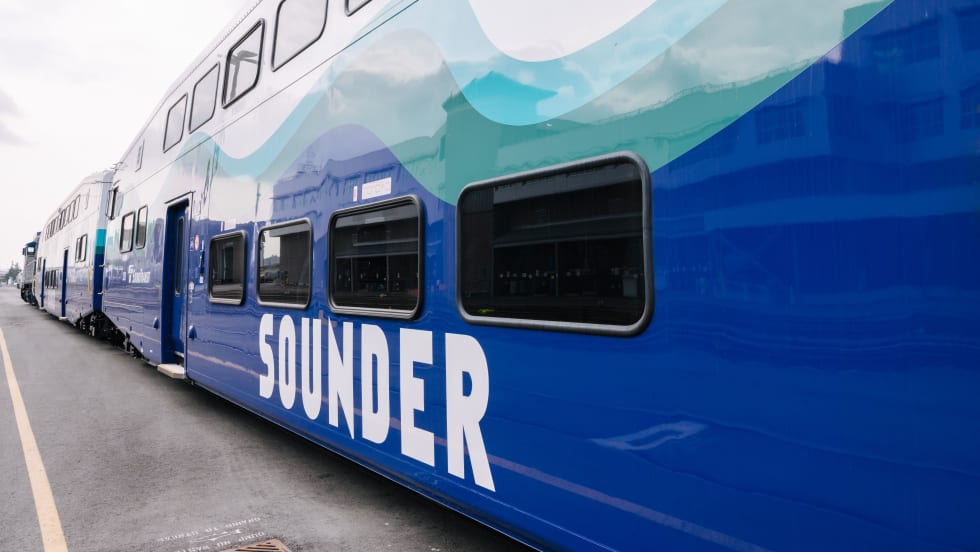
Seattle's Sound Transit Launches New Sounder Railcars into Service
Alstom manufactured all the cars under a $46.5 million contract and came into service in anticipation of summer crowds for soccer and baseball.
Read More →