



CTTransit unveils 4 new fuel cell hybrid-electric buses
The new model 40-foot Van Hool transit buses are lighter than the earlier generation fuel cell bus, which rolled out in 2007 and continues to operate on various routes in Greater Hartford, including the free downtown Star Shuttle route. Advanced lithium-ion battery systems and a more durable fuel cell powerplant are key features of the new buses.

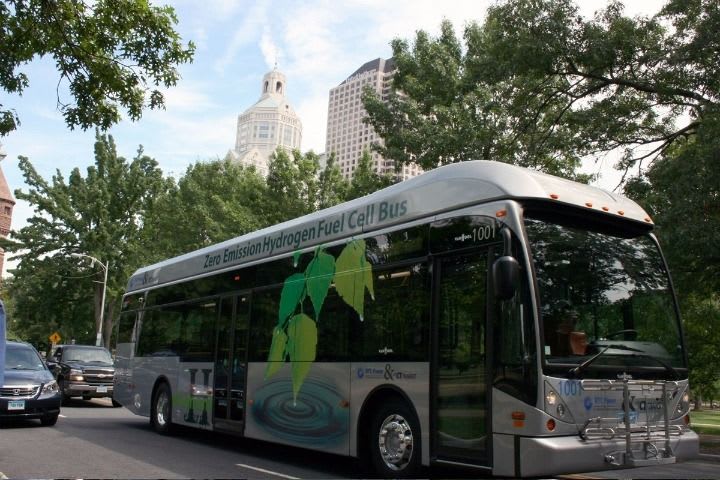
[IMAGE]CT-2.jpg[/IMAGE]Four next-generation fuel cell-powered hybrid-electric transit buses were introduced in Hartford, Conn., joining an earlier generation bus that began service in 2007. The new buses will be operated by Connecticut Transit (CTTransit) and are equipped with UTC Power fuel cell systems. UTC Power is a United Technologies Corp. company.
The new buses, part of the Federal Transit Administration's national Fuel Cell Bus Program, establish Hartford as a leader in adopting fuel cell technology to power transit buses. Only the Greater Oakland/San Francisco, Calif., area will have a larger fuel cell bus fleet in the U.S., also equipped with UTC Power fuel cell systems.
The new model 40-foot Van Hool transit buses are lighter than the earlier generation fuel cell bus, which rolled out in 2007 and continues to operate on various routes in Greater Hartford, including the free downtown Star Shuttle route. Advanced lithium-ion battery systems and a more durable fuel cell powerplant are key features of the new buses.
The buses also will be instrumental in capturing real-time information, which will be used in developing more commercially viable fuel cells in the future.
Fuel cell buses run on hydrogen and produce no harmful tailpipe emissions; they emit only water vapor. Their clean operation can have an immediate positive impact on street-level emissions.
CTTransit is building a new garage to store up to six fuel cell buses, and the agency also plans to install a hydrogen fueling station on-site. Some of the buses will continue to refuel at a hydrogen station at UTC Power's headquarters in South Windsor, Conn.
More Bus
ENC to Deliver Three Clean Diesel Buses to Canada's York Region Transit
Since 2005, City View and ENC have supplied nearly 90 E-Z Rider II buses to YRT.
Read More →
Frontrunner Bus Group Expands with New Massachusetts Headquarters
The significantly larger facility will provide the infrastructure needed to support the company’s growing workforce, advanced technologies, and expanding product line.
Read More →
Joshua Schank on Transportation Innovation, Risk, and the Future of Mobility
In this edition of METROspectives, Joshua Schank discusses lessons from launching LA Metro’s Office of Extraordinary Innovation, the challenges of advancing new mobility technologies, and much more.
Read More →
Reinventing Fleet Maintenance with Real-time Visibility and AI
Transit leaders need to know what needs fixing, where to look, who is responsible, when work is completed, and what it costs without having to chase information across disconnected systems.
Read More →
SamTrans Sets Priorities for Potential Connect Bay Area Revenue
The board-approved framework allocates future funding to maintaining service, rider improvements, equity initiatives, and infrastructure repairs.
Read More →
When Routine Fails: How Public Transit Must Adapt for the World Cup
The 2026 FIFA World Cup will test transit agencies’ ability to manage unpredictable travel patterns, making real-time data and operational flexibility critical to moving millions of visitors efficiently.
Read More →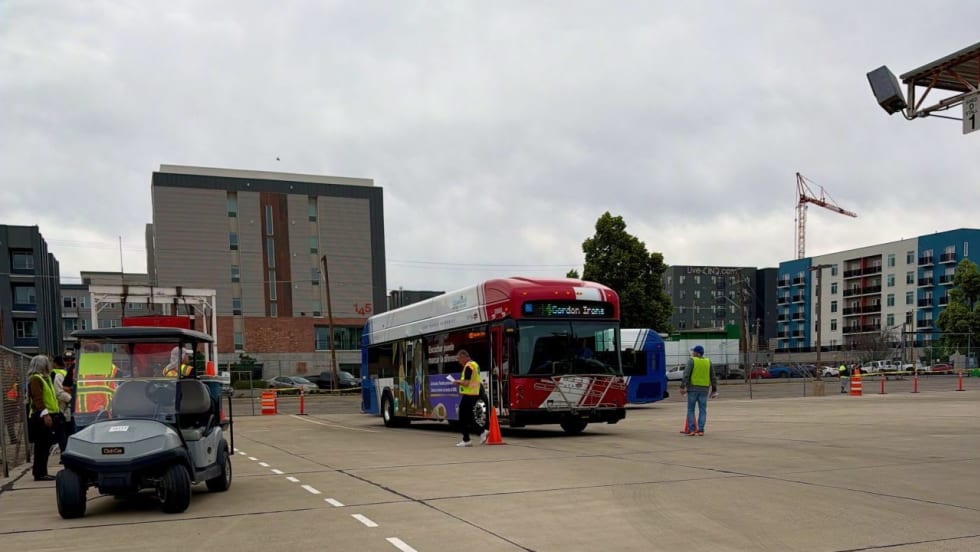
Photo Highlights from APTA's 2026 Mobility Conference
The photo gallery captures scenes from the conference, including the International Bus Roadeo, exhibit hall activities, the Bus Showcase, and much more.
Read More →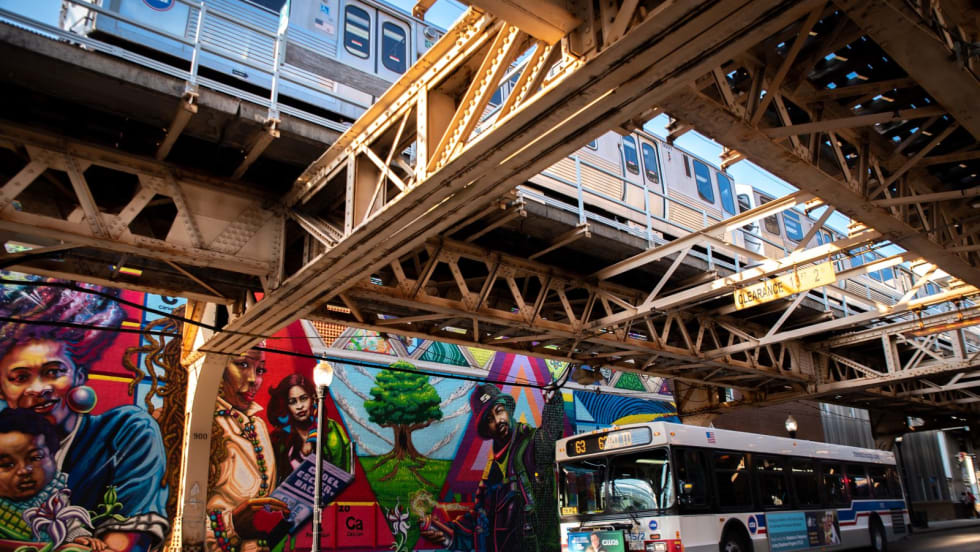
Chicago's NITA Act Moves Into Next Phase as Service Improvements Begin
Rider-focused improvements will begin rolling out across the system immediately as CTA, Metra, and Pace increase service this summer in the six-county region.
Read More →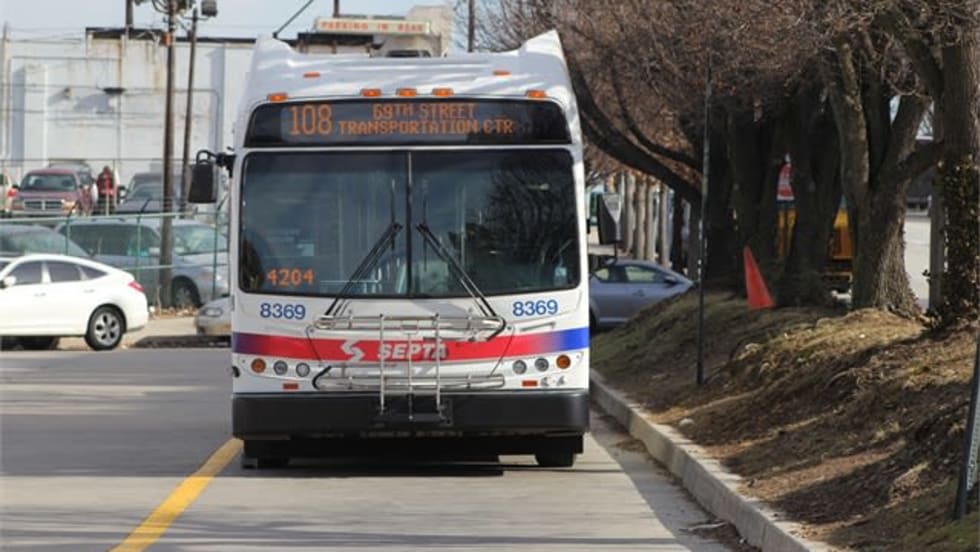
Philadelphia's SEPTA Approves Annual Transit Service Plan
Between 2021 and 2024, SEPTA held more than 200 public meetings — including 144 in-person sessions — throughout the SEPTA service region.
Read More →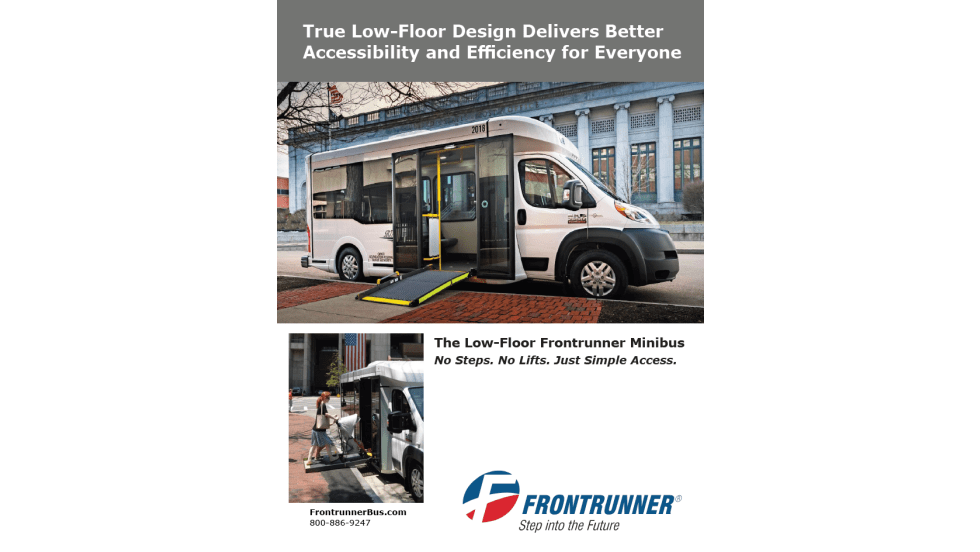
A True Low-Floor Minibus Design Delivers Better Accessibility and Efficiency for Everyone
As transit demands evolve, so should your fleet. Download the whitepaper to see how the Low-Floor Frontrunner Minibus compares to traditional options.
Read More →