



SORTA opposes city's use of dedicated transit funding
The city's action violates the 38-year funding contract with SORTA. Multiple legal opinions from the city's attorneys since 1973 have protected the transit fund from the city's attempts to use the tax revenue for non-transit purposes.

Cincinnati's Southwest Ohio Regional Transit Authority (SORTA) is taking steps to protect public transit interests, in response to the City of Cincinnati's decision to take more than $2.4 million from an account intended for transit funding only.
SORTA opposes the city's plans to use transit funding to pay utility costs for street lights, a non-transit expense. The city's action violates the 38-year funding contract with SORTA. Multiple legal opinions from the city's attorneys since 1973 have protected the transit fund from the city's attempts to use the tax revenue for non-transit purposes.
The $2.4 million reduction comes on the heels of a 2009 budget shortfall that forced SORTA to reduce Metro service by 12 percent, make changes in Access service for people with disabilities, increase fares, and layoff employees to balance its budget due to a severe reduction in the city earnings tax collections.
The net reduction to SORTA's 2011 budget is estimated to be about $1 million, assuming the city's increased earnings tax projections are correct. The impact could be higher, if projected earnings tax revenue does not materialize.
SORTA's loss of revenue could affect access to employment; health care; and education for thousands of commuters, people with disabilities, and low-income residents who depend on Metro and Access service for people with disabilities.
The SORTA board directed Metro staff to evaluate all options, both legal and operational, to address this fiscal crisis that threatens SORTA's ability to maintain current service on behalf of the citizens that rely on Metro and Access for 19 million rides per year.
The board also sent a letter to Cincinnati Mayor Mark Mallory and City Council outlining the SORTA board's position:
Using transit funds for non-transit purposes violates the contract between SORTA and the city and runs counter to 38 years of past practice.
Using the transit fund for non-transit purposes ignores the will of the voters that passed the transit tax levy in 1972.
The transit fund was never intended to and cannot be used to offset City budget shortfalls.
SORTA depends on the transit fund for almost half of its operating revenue, for bus purchases, and to secure federal grants.The city's actions jeopardize transit service to the community and threaten Metro service levels and fares.
More Paratransit

Biz Briefs: RIPTA Unveils New Frontrunners, Clevland RTA Adds New Siemens, and More
In METRO's latest installment, we take a look at recent news from Siemens, Prevost, Dodge, and more partnerships making headlines across the transportation sector.
Read More →
King County Metro Makes ADA Paratransit Easier to Navigate
METRO's Innovative Solutions Award winner replaces complex service-area descriptions with an accessible, interactive map that puts paratransit information directly in customers’ hands.
Read More →
Jacksonville’s NAVI Project Charts a New Course for Autonomous Public Transportation
Through its NAVI program, JTA is showing how autonomous vehicles, intelligent infrastructure, and coordinated operations can work together to deliver everyday public transportation.
Read More →
Driving Smarter Paratransit
John Hanlon shares how AlphaRoute is leveraging AI-powered technology to help paratransit providers optimize operations, support frontline staff, and enhance the rider experience.
Read More →
METRO Magazine Announces 2026 Innovative Solutions Awards Winners
Projects Recognized for Advancing Mobility Through Technology, Accessibility, Workforce Innovation, and Operational Excellence
Read More →
Biz Briefs: STV teams with Amtrak, Motorcoach Operators Boost Fleet and Land Contracts, and More
From manufacturers and suppliers to transit agencies and motorcoach operators, these updates offer a snapshot of the projects, partnerships and business moves driving the industry forward.
Read More →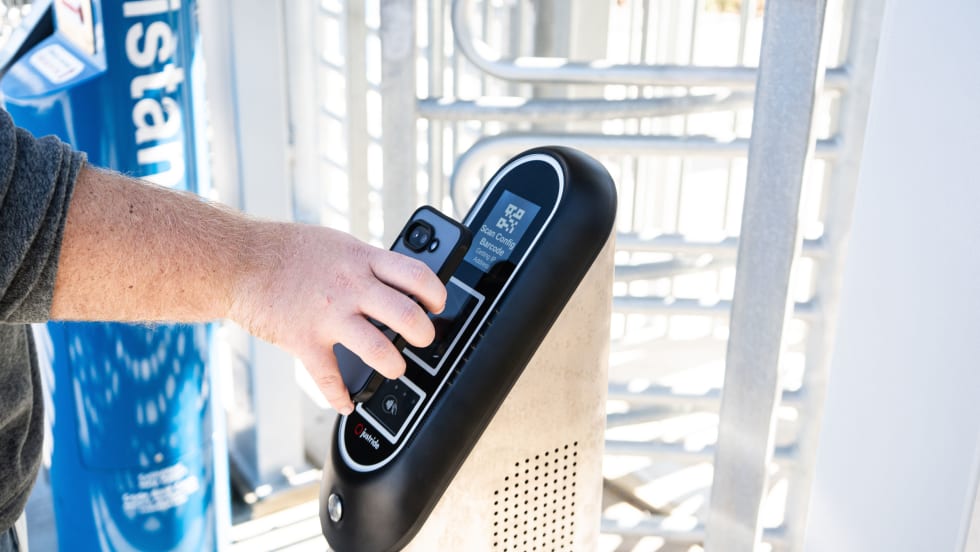
Biz Briefs: Masabi Teams with St. Louis Metro and More
In METRO's latest installment, we take a look at recent news from Transdev, Hitachi, and more partnerships making headlines across the transportation sector.
Read More →
New York MTA Leverages Zoning Program to Advance Station Accessibility
Accessibility enhancements at Nevins St Station will be financed through a development agreement tied to the MTA's Zoning for Accessibility initiative.
Read More →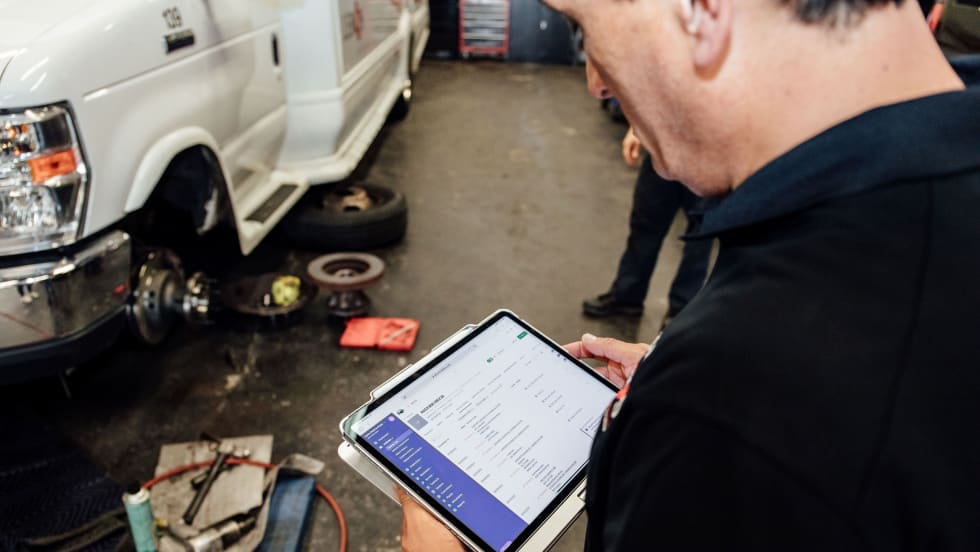
Reinventing Fleet Maintenance with Real-time Visibility and AI
Transit leaders need to know what needs fixing, where to look, who is responsible, when work is completed, and what it costs without having to chase information across disconnected systems.
Read More →
SamTrans Sets Priorities for Potential Connect Bay Area Revenue
The board-approved framework allocates future funding to maintaining service, rider improvements, equity initiatives, and infrastructure repairs.
Read More →