



N.Y. MTA continues efforts to reduce carbon footprint
By reducing paper consumption, switching to alternative fuels, recycling, installing energy-saving LED lights and buying certified “green” cleaning agents, B&T has reduced the amount of greenhouse gases released into the air by nearly 1.6 million pounds, or 19 percent since 2006.


B&T Maintainer Jeff Calichio installs new energy-efficient LED light atop RFK Bridge. LED lights help cut the amount of electricity needed to power the necklace lights by 73 percent.
[IMAGE]N-Y-MTA-bridges-tunnels-LED-lights-2.jpg[/IMAGE]MTA Bridges and Tunnels is a cleaner, greener and brighter agency thanks to continuing efforts to reduce its carbon footprint. By reducing paper consumption, switching to alternative fuels, recycling, installing energy-saving LED lights and buying certified “green” cleaning agents, B&T has reduced the amount of greenhouse gases released into the air by nearly 1.6 million pounds, or 19 percent since 2006.
Among the agency’s initiatives is buying green cleaning products that have the EcoLogo or Green Seal of approval, which means it has little or no impact on the environment.
“One of our larger maintenance cleaning tasks is tunnel washing and because of the large amounts of soap and water used for the task, it seemed like an obvious choice for evaluating a green product,” said Patrick Parisi, Bridges and Tunnels chief maintenance officer and head of the agency’s sustainability efforts.
In the past, the agency had used one product to wash tunnel walls at and another to clean toll booths and toll booth lanes on the plazas but the new “green” cleaner can remove grime, soot and grease away from both the tunnels, toll booths and pavement in toll lanes.
The agency is also participating in New York City’s Million Trees campaign to plant and care for new trees. Since 2009, Bridges and Tunnels has planted 76 new trees, including ginko, tupelo, redbud, zelkova, linden, planetree and oak trees, at the Throgs Neck and Robert F. Kennedy Bridges, and the Queens Midtown Tunnel.
Another 24 trees are scheduled to be planted in 2011 at the Bronx-Whitestone, Verrazano-Narrows, Marine Parkway-Gil Hodges Memorial, Cross Bay Veterans Bridges and the Brooklyn-Battery Tunnel.
Here’s a look at some other notable B&T reductions:
Paper
Using network sharing for printers, electronic distribution of reports, double-sided printing and other measures, Bridges and Tunnels has reduced paper consumption at the agency by more than 4.25 million sheets since 2006. To visualize: if all the saved paper were stacked in a pile it would be twice the height of the 693-foot tall Verrazano-Narrows Bridge towers.
LED Necklace Light Replacement
The process of replacing old 100-watt mercury vapor lights on our necklace-lit bridges with high-efficiency, light-emitting diode, or LED fixtures, continued at the Robert F. Kennedy Bridge. Crews finished replacing 190 mercury vapor lights to LED lighting on April 18th, just in time for Earth Day. The energy-saving LED lights help reduce the amount of electricity needed to power the decorative, necklace lights by approximately 73 percent.
The Verrazano was the first to get 262 new LED lights in a project completed in April 2009. The Throgs Neck Bridge is next up. Some 104 lights will be changed beginning this summer. The Bronx-Whitestone Bridge is slated to have its 190 mercury fixtures changed beginning in 2013.
[IMAGE]N-Y-MTA-bridges-tunnels-LED-lights2-2.jpg[/IMAGE]
Alternative Fuel
The alternative fuel program has grown since it began in 2005 when the agency began using E-85 fuel, which is a mixture of 15 percent gasoline and 85 percent ethanol, and purchasing flex-fueled vehicles. In 2006, its first full year of use, B&T had 43 flex-fuel vehicles using 6,405 gallons of E-85. By 2010, the flex-fuel fleet had grown to 150 vehicles using nearly 79,000 gallons of E-85. B&T also has a total of 30 Hybrid/Electric vehicles in its fleet.
Recycling
Efforts to recycle everything from fluorescent light bulbs to batteries and tires also continued in 2010, with Bridges and Tunnels recycling 418.5 tons of mixed paper, 209 tons of plastic and nearly 84 tons of metal.
“We are committed to doing all we can as an agency to promote new ways to conserve and recycle resources while continuing to reduce our impact to the region’s ecological carbon footprint,” Parisi said.
More Technology

Cummins Introduces Phased Model Year 2027 Launch Strategy
According to officials, the approach is designed to maintain regulatory compliance, support customer production schedules, and provide additional time to ramp production in a disciplined manner that helps ensure a successful transition for the industry.
Read More →
Biz Briefs: STV teams with Amtrak, Motorcoach Operators Boost Fleet and Land Contracts, and More
From manufacturers and suppliers to transit agencies and motorcoach operators, these updates offer a snapshot of the projects, partnerships and business moves driving the industry forward.
Read More →
DART Taps Nathaniel P. Ford Sr. as Next President/CEO
Since 2012, Ford has served as the CEO of the Jacksonville Transportation Authority
Read More →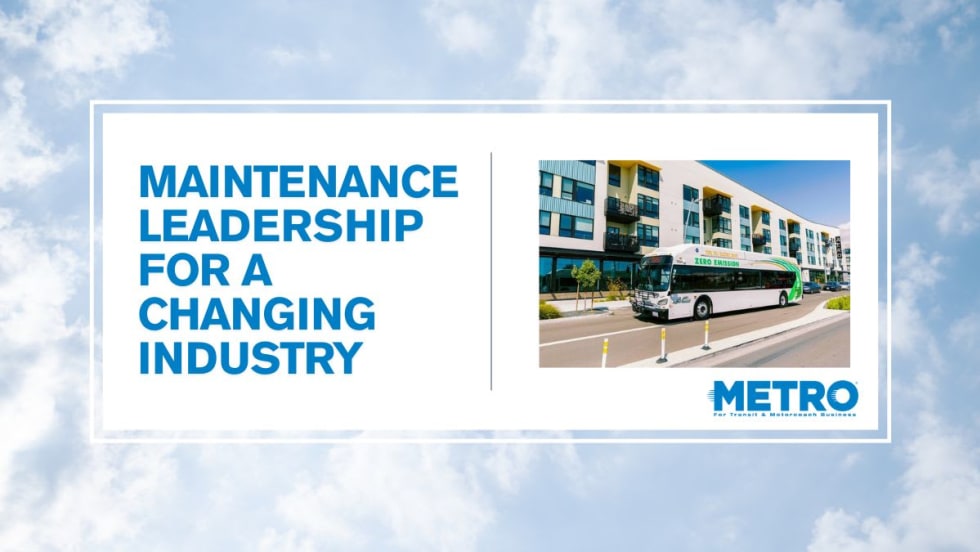
AC Transit’s Cecil Blandon on Building the Next Generation of Transit Maintenance Leaders
The agency’s maintenance chief discusses leadership, workforce development, zero-emission technology, and preparing technicians for the future of public transportation.
Read More →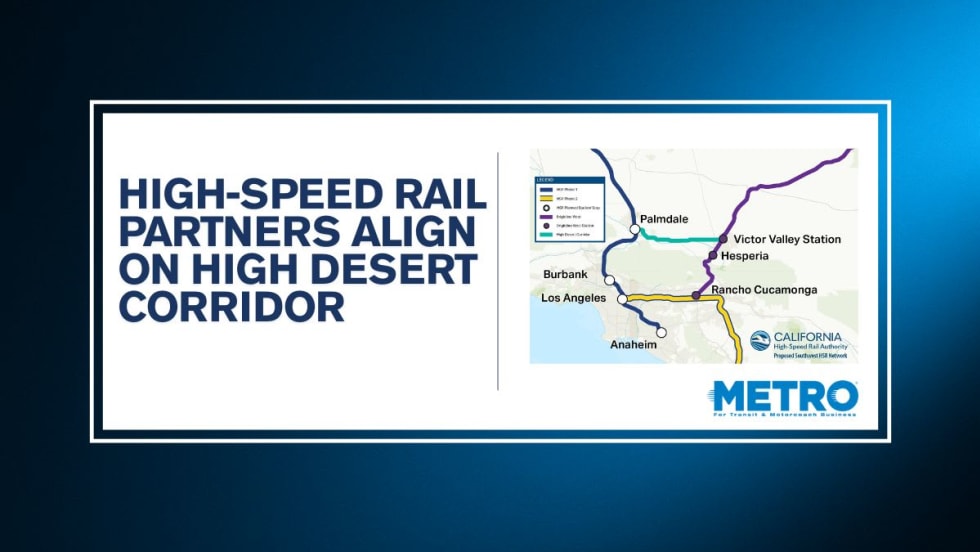
California High-Speed Rail Authority Signs MOU to Advance High Desert Corridor
The agreement deepens collaboration between the California High-Speed Rail Authority and the High Desert Corridor Joint Powers Agency, supporting design integration, cost savings, and faster delivery of a key Southern California rail link.
Read More →
Building the Next Generation of Transit Technology
In this edition of METROspectives, Luminator CEO Magnus Friberg discusses the company's transformation, the growing role of AI and software, and what's next for transit technology.
Read More →
How Data, Strategy, and Community Engagement Are Reshaping Transit
In this edition of METROspectives, strada360 CEO Steve Lassey discusses how transit agencies can better align planning with operations, leverage data to improve decision-making, and build public trust as they prepare for the future of mobility.
Read More →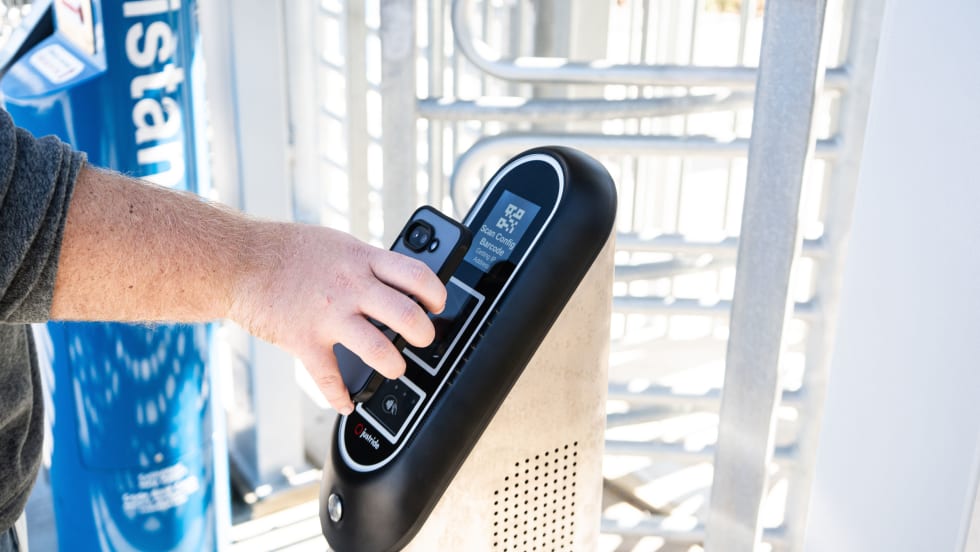
Biz Briefs: Masabi Teams with St. Louis Metro and More
In METRO's latest installment, we take a look at recent news from Transdev, Hitachi, and more partnerships making headlines across the transportation sector.
Read More →
Metra Begins Drone Pilot Project to Boost Safety and Security
The project is funded through a $620,000 grant from FEMA’s Transit Security Grant Program, which provides transit agencies with funding for projects intended to protect critical transportation infrastructure and the traveling public.
Read More →
Austin Transit Partnership Selects Stadler to Manufacture Light Rail Vehicles
The award marks the conclusion of a series of major procurements over 18 months, as outlined in ATP’s delivery plan, and keeps Austin Light Rail on track.
Read More →