



Privatization of Northeast Corridor proposed
Committee Chairman John L. Mica (R-FL) and Rail Subcommittee Chairman Bill Shuster (R-PA) announced at a Congressional hearing that they are preparing legislation to significantly speed up development of high-speed rail and reduce high taxpayer subsidization of the project.

House Transportation Committee leaders outlined a dramatic change in direction to develop true high-speed passenger rail service in the Northeast Corridor (NEC). Their proposal would transfer development of the nation's most congested corridor from Amtrak to private sector competition.
Committee Chairman John L. Mica (R-FL) and Rail Subcommittee Chairman Bill Shuster (R-PA) announced at a Congressional hearing that they are preparing legislation to significantly speed up development of high-speed rail and reduce high taxpayer subsidization of the project.
"We plan introduce legislation to separate the Northeast Corridor from Amtrak; transfer it to a separate entity; and begin a competitive bidding process that would allow for a public-private partnership to design, build, operate, maintain and finance high-speed service. Our plan would do so in a dramatically shorter time, in closer to 10 rather than 30 years, and at a fraction of the $117 billion cost proposed by Amtrak, while creating new jobs," Mica said.
Last week's hearing revealed that despite the tremendous potential of the corridor, Amtrak's ridership in the NEC has actually decreased since 1977. In fact, Amtrak had 10.5 million NEC riders in 2010, down from 10.6 million in 1977.
The 437-mile Northeast Corridor is the only rail corridor owned, almost in its entirety, by Amtrak. The NEC is one of the most valuable transportation assets in the nation and its population density and other existing transportation connections make it the most viable location for successful U.S. high-speed rail.
At the hearing, Mica highlighted an example of profitable private sector rail operations in Great Britain's Virgin Rail, which doubled its ridership in six years, saw employment increase from 2,800 to 3,500, and has returned to the government an annual payment of $244 million in addition to $81 million in company profit. Witnesses provided additional examples of successful public-private partnerships in other countries.
Witnesses also discussed how to tap the vast potential for development in and around high-speed rail stations.
More Rail

New York MTA Launches Historic $1.9B Signal, Track Modernization Project
Funded in part by congestion pricing revenue, the project will replace nearly century-old signals along the A and C lines in Brooklyn and Queens.
Read More →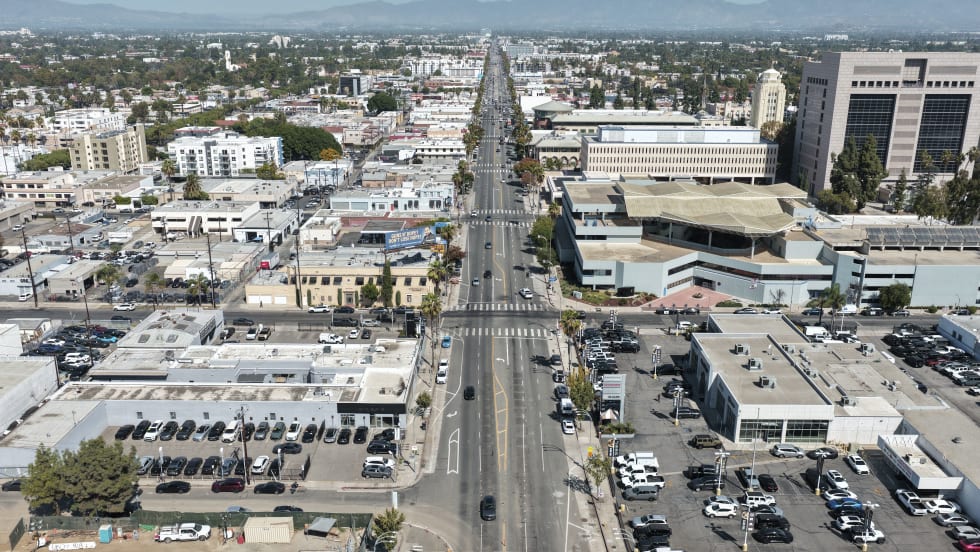
LA Metro Breaks Ground on East San Fernando Valley Light Rail Project
The 6.7-mile line will add 11 stations along Van Nuys Boulevard, expand access to jobs and regional transit connections, and support Metro’s broader efforts to improve mobility as rail ridership grows.
Read More →
CSA Group Releases Climate Resilience Standard for Transit, Passenger Rail
Developed with support from the Standards Council of Canada, CSA D700 guides assessing climate-related risks and planning adaptation measures for transit and passenger rail systems.
Read More →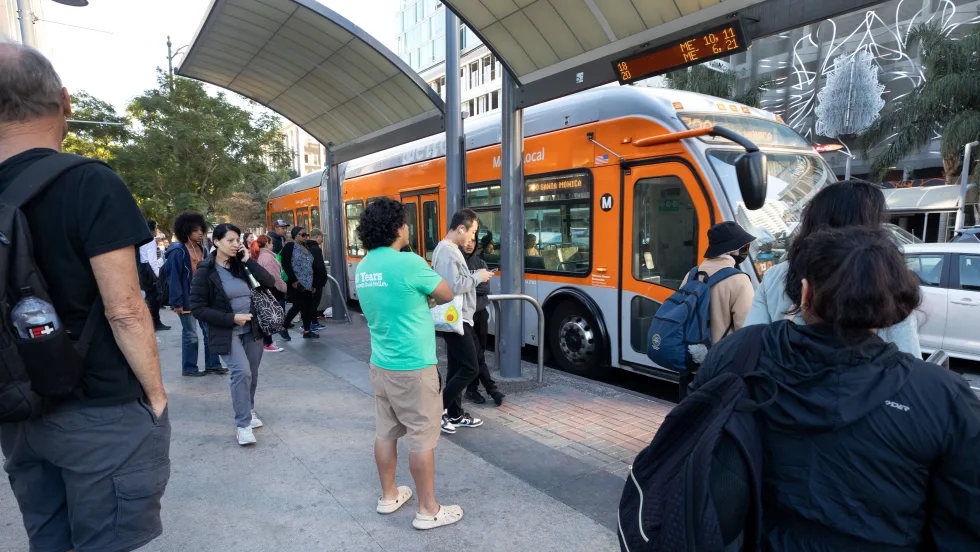
LA Metro September Ridership Climbs 3.9%, Led by Rail Growth
The agency recorded more than 27.2 million boardings, with rail ridership increasing 12.4% year over year and the D Line posting the largest gains.
Read More →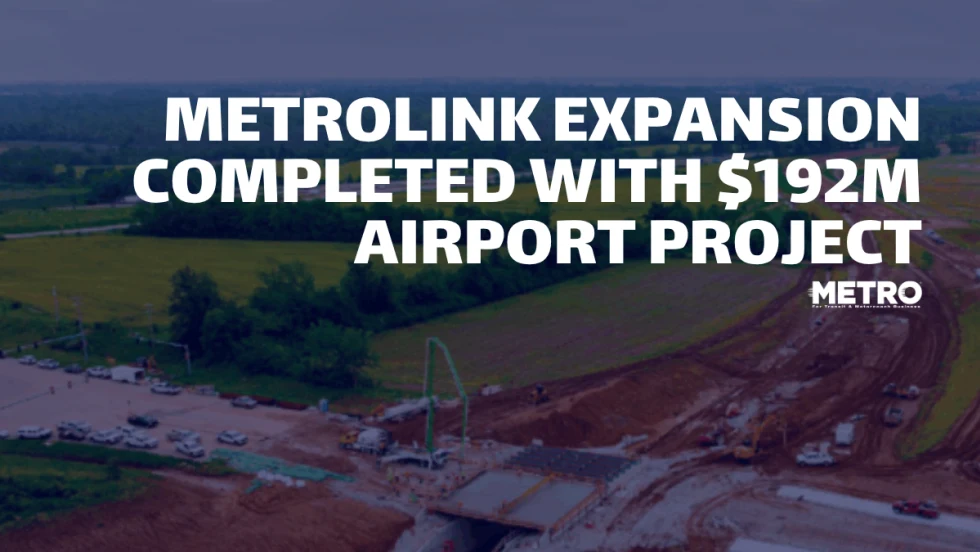
First Full MetroLink Rail Expansion Completed in 20 Years with $192M Airport Project
The project links two St. Louis-area airports by light rail while adding roadway and bike trail connections to improve regional access and mobility.
Read More →
Utilimarc Launches SmartReplace to Optimize Fleet Replacement Decisions
AI-powered SmartReplace helps fleets prioritize vehicle replacements, model budget scenarios, and build more defensible long-term strategies.
Read More →
Scenes from APTA TRANSform & EXPO 2026
Transit leaders, manufacturers, and industry professionals gathered in Chicago to explore new technologies, share ideas, and discuss the future of public transportation.
Read More →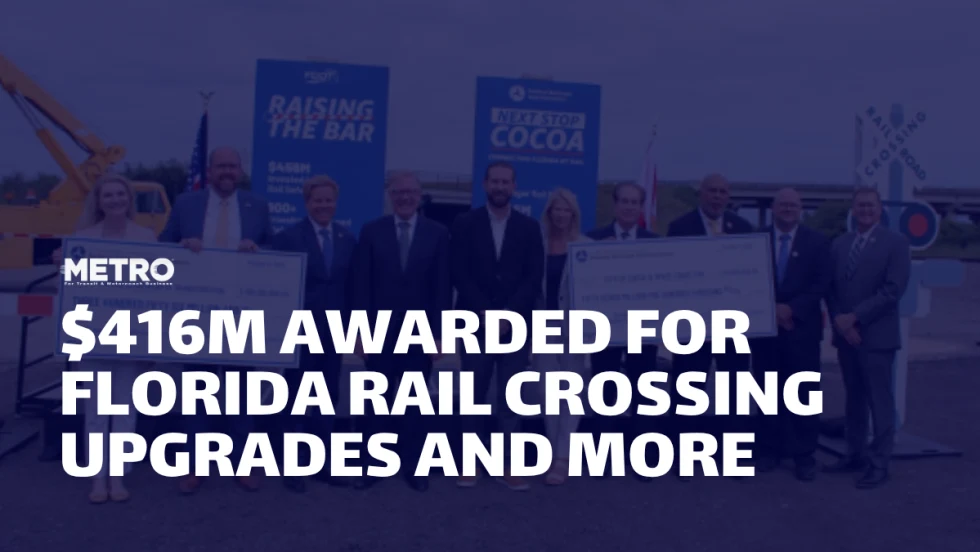
USDOT Awards $416 Million for Florida Rail Crossing Safety Upgrades, New Brightline Station
The projects aim to reduce risks for motorists and pedestrians at rail crossings while expanding passenger rail access along Florida’s Space Coast.
Read More →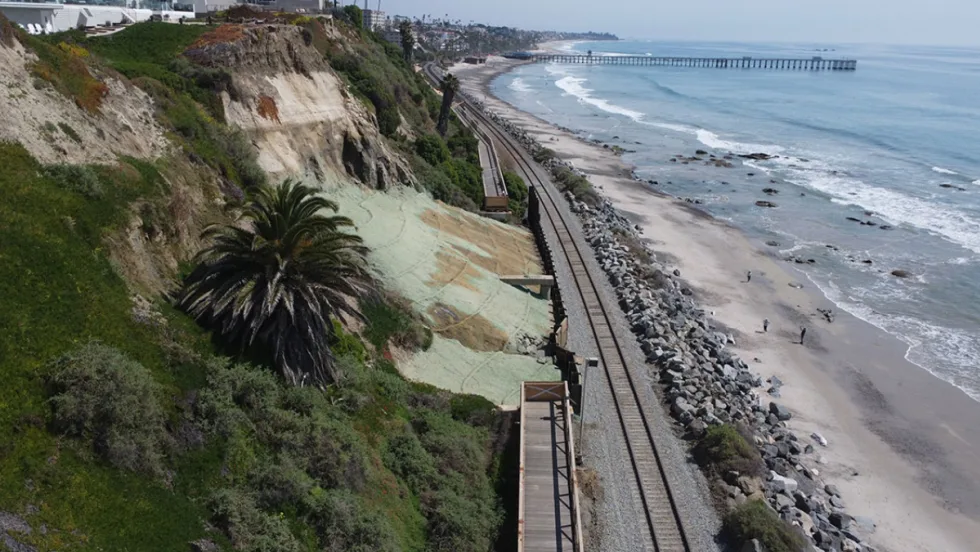
OCTA Declares Emergency to Protect Rail Corridor From Coastal Erosion
The California agency is accelerating shoreline protection and plans to place approximately 690,000 cubic yards of sand along the San Clemente coast to protect a key passenger and freight rail link.
Read More →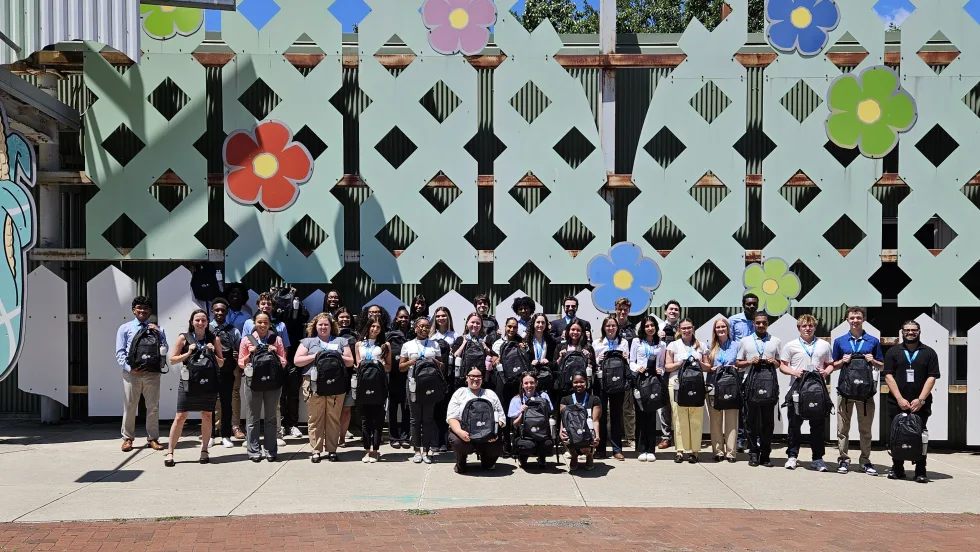
More Than a Summer Job: Building the Next Generation of Transit Talent
The Delaware River Port Authority and PATCO have transformed their internship program into a hands-on professional development experience that introduces students to the breadth of transportation careers — and creates a pipeline for future employees.
Read More →