



Kentucky's Lextran unveils new hybrid, diesel Gillig buses
The new buses feature a redesigned logo as well as a new blue and green color scheme. Along with a new website revealed last week, this is the first of many steps toward rebranding the entire Lextran system.

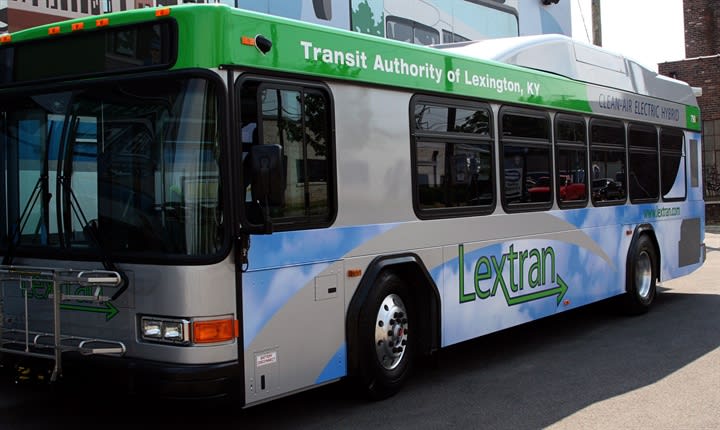
[IMAGE]MET8Biz-Lextran-2.jpg[/IMAGE]Lexington, Ky.-based transit authority Lextran unveiled the seven latest additions to its bus fleet. Two of the new buses from Gillig Corp. are 35-foot models featuring hybrid-electric technology. The remaining five Gillig vehicles are 29-foot models, with diesel engines that adhere to the 2010 Clean Air Act standards.
The new buses feature a redesigned logo as well as a new blue and green color scheme. Along with a new website revealed last week, this is the first of many steps toward rebranding the entire Lextran system, according to transit agency officials.
"We've taken a progressive step with the purchase of additional hybrid technology, and hope people see our new look as progressive, also," said Rocky Burke, Lextran GM. "We're fortunate to have had the opportunity to purchase new buses, including smaller vehicles that the community has requested many times. It just seemed like the perfect time to do some really innovative things."
The new buses were purchased with funds from a 2009 earmark from Sen. Mitch McConnell (R-Ky) in the amount of $2.945 million. Mixing smaller buses with larger buses, as well as hybrid and diesel technology, allows Lextran to maximize resources and diversify the fleet for efficiency.
More Bus
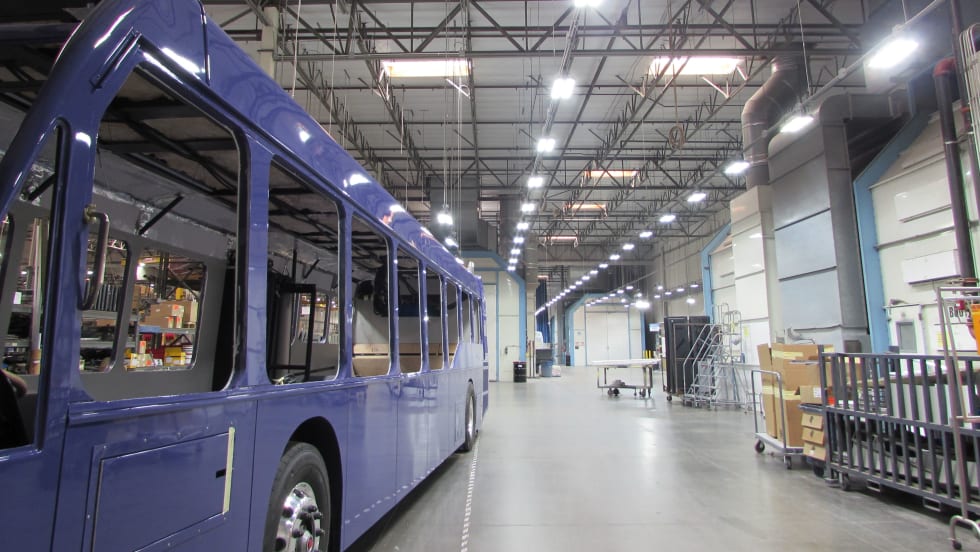
ENC to Deliver Three Clean Diesel Buses to Canada's York Region Transit
Since 2005, City View and ENC have supplied nearly 90 E-Z Rider II buses to YRT.
Read More →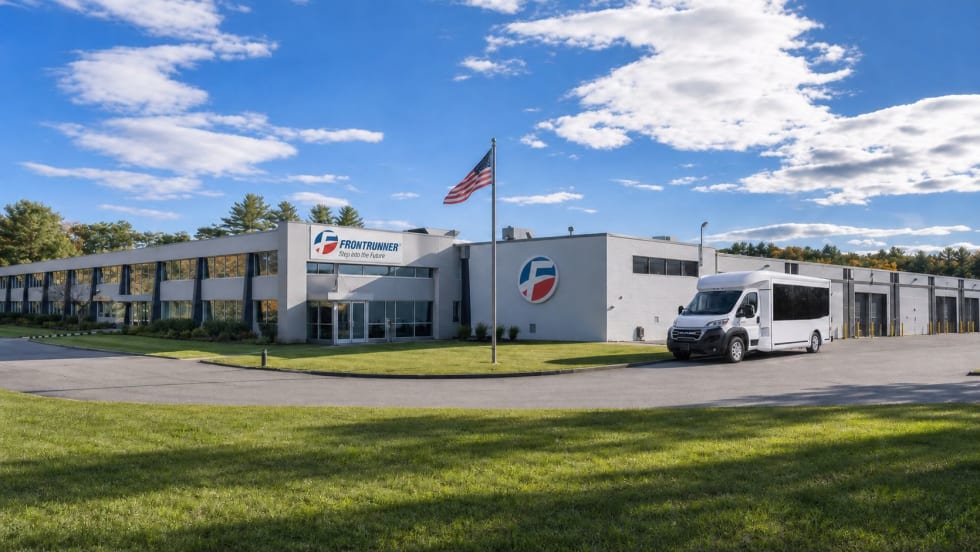
Frontrunner Bus Group Expands with New Massachusetts Headquarters
The significantly larger facility will provide the infrastructure needed to support the company’s growing workforce, advanced technologies, and expanding product line.
Read More →
Joshua Schank on Transportation Innovation, Risk, and the Future of Mobility
In this edition of METROspectives, Joshua Schank discusses lessons from launching LA Metro’s Office of Extraordinary Innovation, the challenges of advancing new mobility technologies, and much more.
Read More →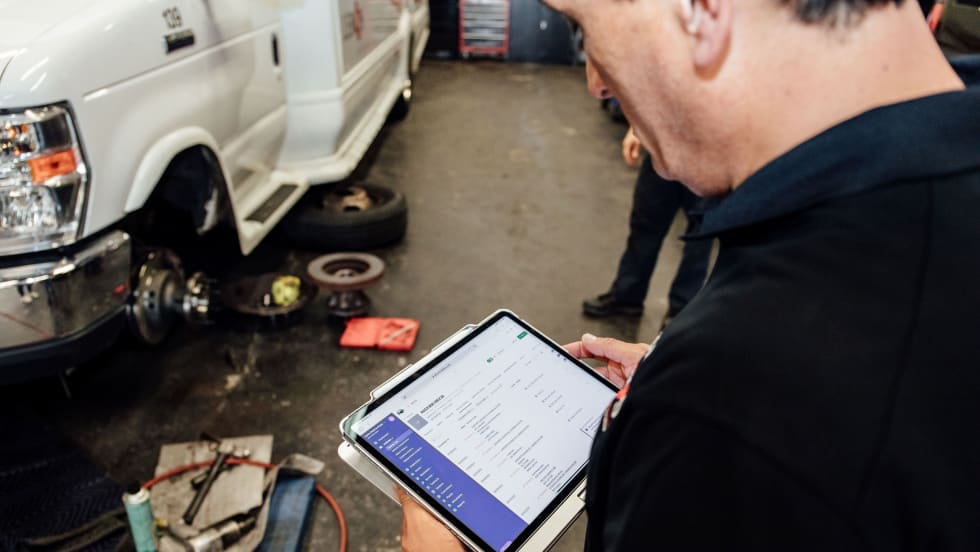
Reinventing Fleet Maintenance with Real-time Visibility and AI
Transit leaders need to know what needs fixing, where to look, who is responsible, when work is completed, and what it costs without having to chase information across disconnected systems.
Read More →
SamTrans Sets Priorities for Potential Connect Bay Area Revenue
The board-approved framework allocates future funding to maintaining service, rider improvements, equity initiatives, and infrastructure repairs.
Read More →
When Routine Fails: How Public Transit Must Adapt for the World Cup
The 2026 FIFA World Cup will test transit agencies’ ability to manage unpredictable travel patterns, making real-time data and operational flexibility critical to moving millions of visitors efficiently.
Read More →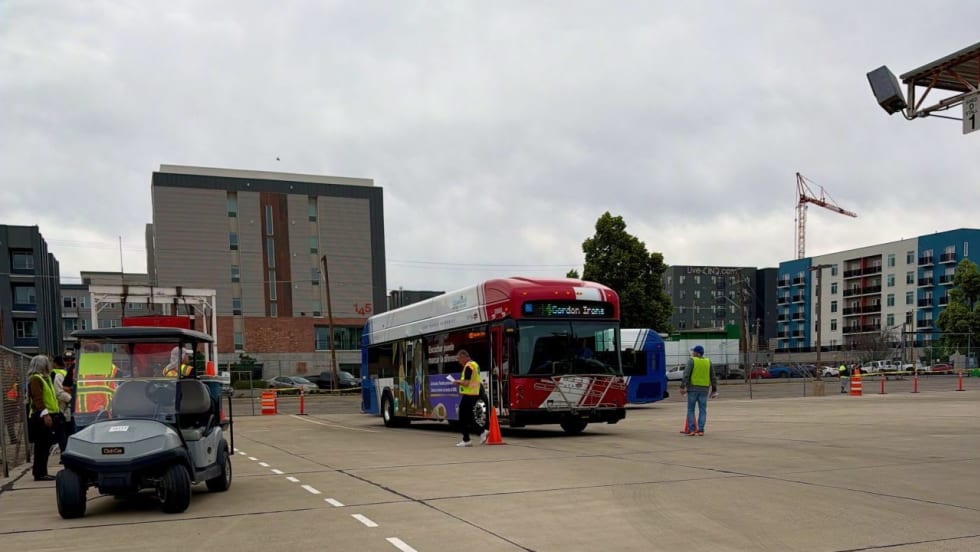
Photo Highlights from APTA's 2026 Mobility Conference
The photo gallery captures scenes from the conference, including the International Bus Roadeo, exhibit hall activities, the Bus Showcase, and much more.
Read More →
Chicago's NITA Act Moves Into Next Phase as Service Improvements Begin
Rider-focused improvements will begin rolling out across the system immediately as CTA, Metra, and Pace increase service this summer in the six-county region.
Read More →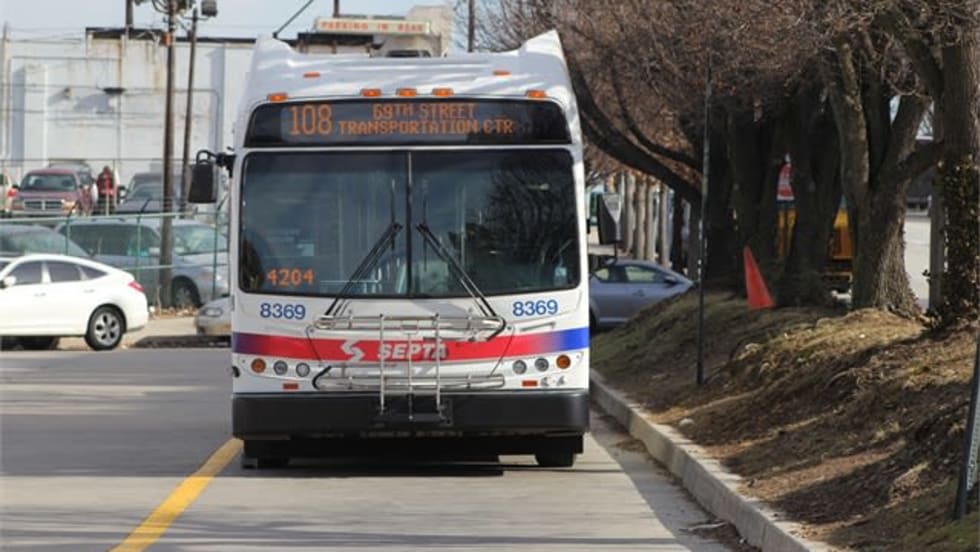
Philadelphia's SEPTA Approves Annual Transit Service Plan
Between 2021 and 2024, SEPTA held more than 200 public meetings — including 144 in-person sessions — throughout the SEPTA service region.
Read More →
A True Low-Floor Minibus Design Delivers Better Accessibility and Efficiency for Everyone
As transit demands evolve, so should your fleet. Download the whitepaper to see how the Low-Floor Frontrunner Minibus compares to traditional options.
Read More →