



D.C. Metro unveils design of new Kawasaki railcars
The 364 7000-series cars include a customer-preferred blue and gray interior color scheme; a stainless steel exterior with 64 vinyl padded seats and seat-back grab handles; two dynamic LCD route maps and four video screens in each car; and a “quad-unit configuration” of the cars.

Washington Metropolitan Area Transit Authority (Metro) is advancing its next generation of railcars, known as the 7000-series, with a final design that reflects extensive input from customers, rider advocates and employees.
“Our customers will benefit from an improved design that accommodates many of their preferences and ultimately delivers a more reliable and more comfortable rider experience,” said Richard Sarles, Metro’s General Manager/CEO. “The attention to detail of these cars will be evident to the customers, employees and stakeholders who invested their time to help us get this right.” Sarles said.
The new Kawasaki railcars were ordered to replace the 1000-series cars — the oldest in Metro’s fleet — and to comply with recommendations from the National Transportation Safety Board.
After years of gathering rider input, with more extensive outreach to customers, employees and stakeholder groups over the last several months, Metro presented the final design to its Board’s Customers Service and Operations Committee.
According to Assistant General Manager for Customer Service, Communications and Marketing Barbara J. Richardson, customers describe the new car features as safe, comfortable, spacious, forward looking, modern and customer focused.
The new railcars include a customer-preferred blue and gray interior color scheme. Features include a stainless steel exterior with 64 vinyl padded seats and seat-back grab handles; added handholds in the door area and vertical poles added at each seat – for a total of 25 percent more linear feet of bars than in the most recently built cars; and two dynamic LCD route maps and four video screens in each car, allowing customers to easily track train locations and station names.
Masamichi Udagawa, an industrial designer representing Antenna design who helped design the New York Metropolitan Transportation Authority railcars, was hired by Metro to help incorporate the ideas and preferences of riders and employees into the final design that was presented to the board.
The Series 7000 railcars will also feature technical improvements, many of which were influenced by input from operations and safety personnel. These include a “quad-unit configuration” of the cars; vertically oriented touch screen controls for train operators and better diagnostics for easier evaluation and troubleshooting if there are mechanical problems; placement of certain gauges and relocation of the master controller; and exterior emergency door activation.
Metro has authorized the purchase of 364 railcars from Kawasaki Rail Car Inc., which will manufacture the new cars in Lincoln, Neb. Of that total number, 300 will be used to replace Metro’s oldest railcars, the Series 1000 rail cars, and the remaining 64 cars are slated to support the expansion of Metro service on phase I of the Dulles rail corridor and run throughout the system.
The delivery schedule calls for the cars to start arriving on Metro property in 2013, and undergo a rigorous, months-long inspection process.
Metro currently has a fleet of 1,142 railcars ranging from the Series 1000 to 6000.
More Rail
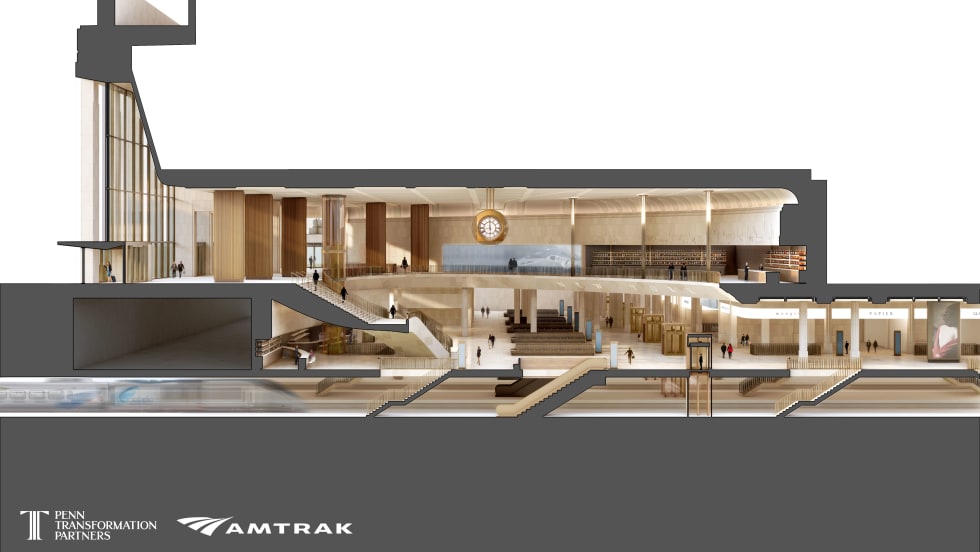
Penn Station Transformation Advances with Design Unveiling
The historic redesign will transform the busiest transit hub in the Western Hemisphere from the tracks to the street level, creating a more efficient, cleaner, and functional experience for more than 600,000 daily commuters and millions of visitors.
Read More →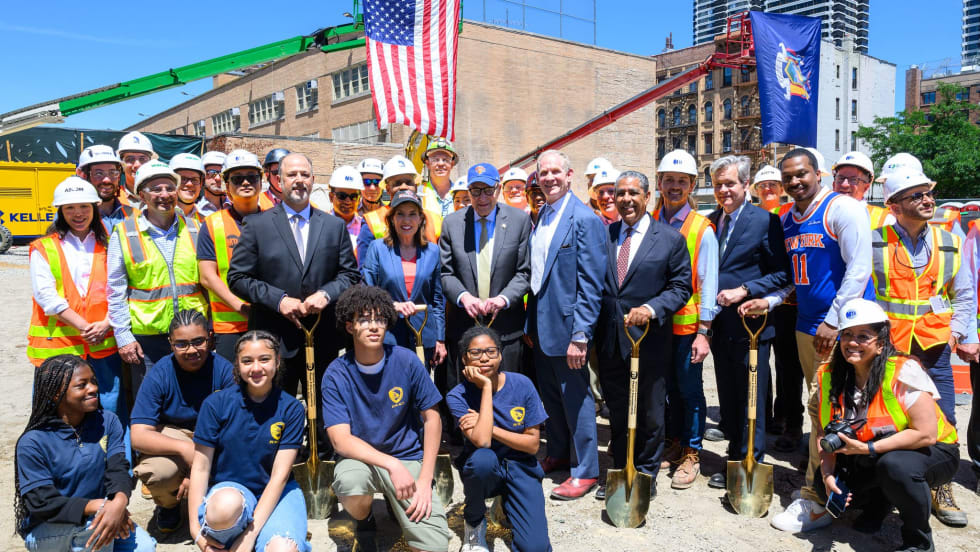
Second Avenue Subway Phase 2 Advances into Major Construction Stage
New York Governor Kathy Hochul joined leadership from the MTA, elected officials, and Harlem community leaders to break ground on the major construction stage of the transformative Second Avenue Subway Phase 2 project.
Read More →
The Invisible Infrastructure of Passenger Flow
What a seat reservation system on Austria’s Railjet trains reveals about the future of rider experience, and why U.S. agencies should pay attention.
Read More →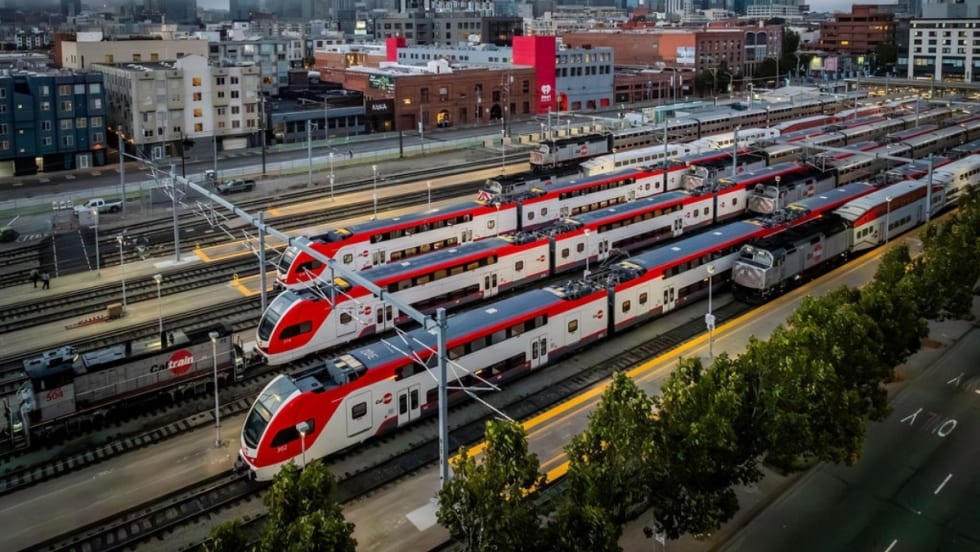
Caltrain Board Approves FY27 Budget, Endorses Efficiency Measures
The move ensures Caltrain service will continue operating as usual in the near term, but long-term financial challenges remain for the rail agency absent a new revenue source.
Read More →
Alstom Acquires Delaware Site to Support Amtrak NextGen Acela Fleet
The company is investing more than $55 million to acquire and improve the property and will employ approximately 100 people at this site once it is operational.
Read More →
When Routine Fails: How Public Transit Must Adapt for the World Cup
The 2026 FIFA World Cup will test transit agencies’ ability to manage unpredictable travel patterns, making real-time data and operational flexibility critical to moving millions of visitors efficiently.
Read More →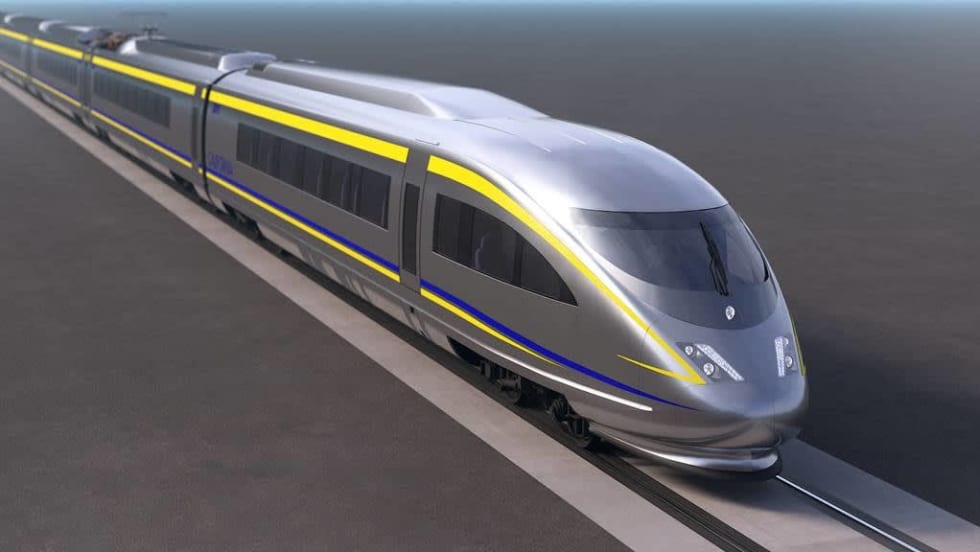
California Selects Team for Nation’s First True High-Speed Rail Track and Systems Contract
The board action follows completion of track installation at the 150-acre southern railhead in Kern County, which will serve as the staging and distribution hub for high-speed track and systems installation.
Read More →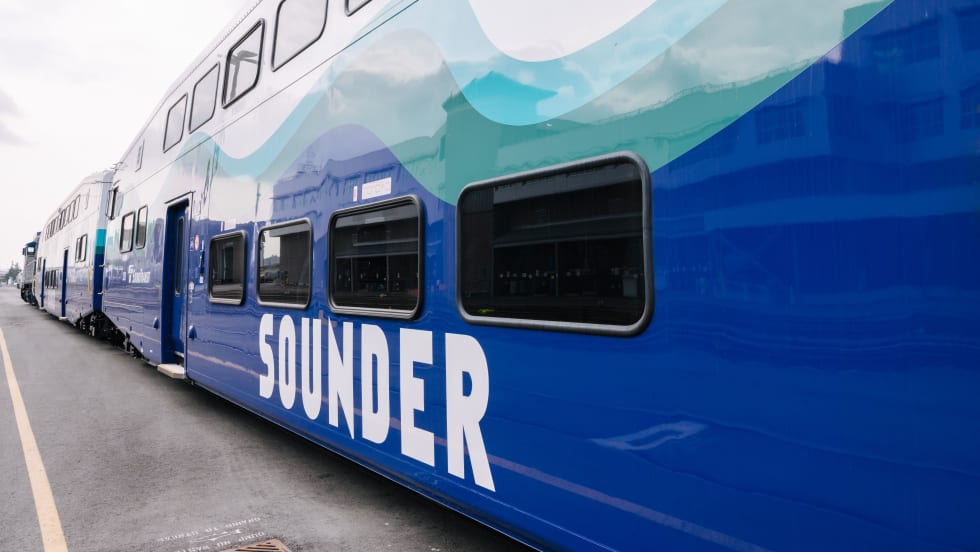
Seattle's Sound Transit Launches New Sounder Railcars into Service
Alstom manufactured all the cars under a $46.5 million contract and came into service in anticipation of summer crowds for soccer and baseball.
Read More →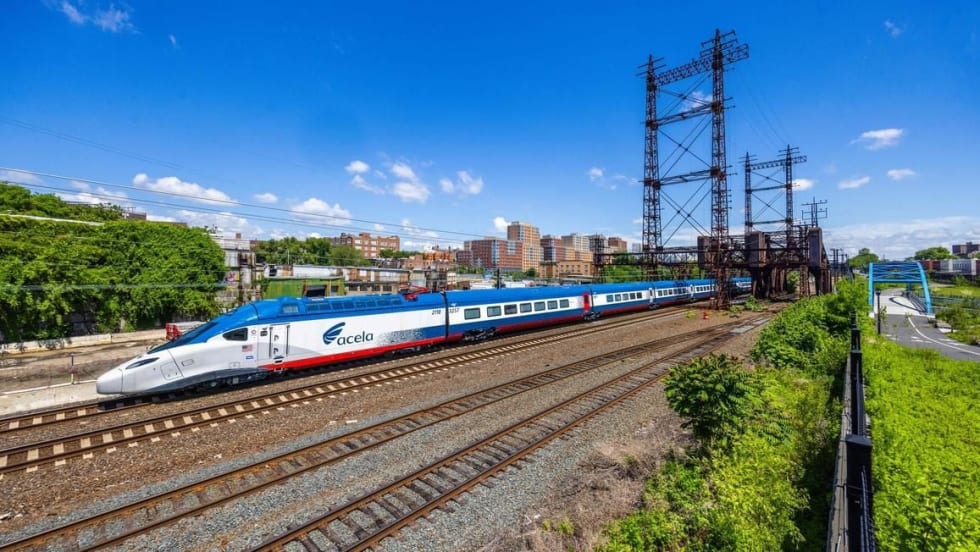
Alstom Partners With Universities to Build Rail Talent Pipeline
The partnerships include a new engineering scholarship fund at Alfred State College in Western New York and collaborations with transportation centers at the University of Pennsylvania and New York University.
Read More →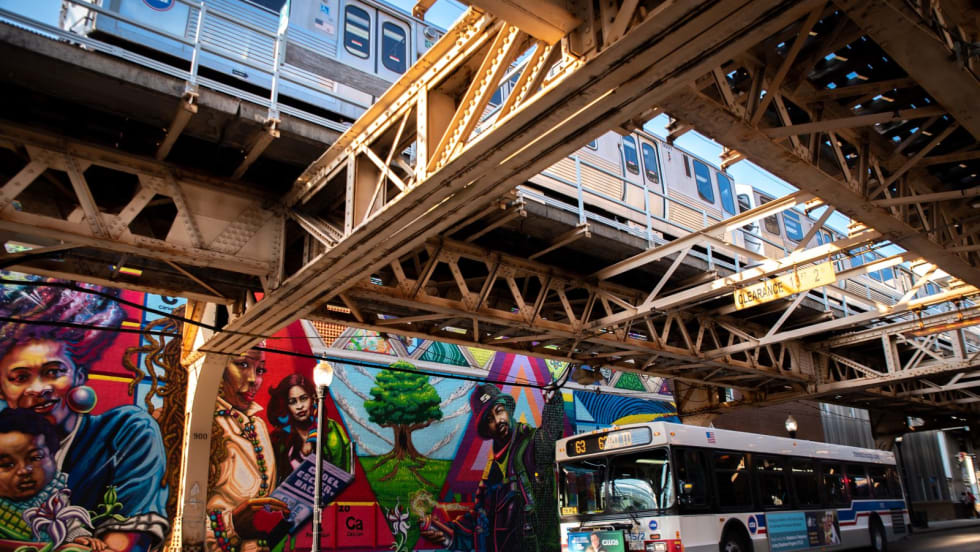
Chicago's NITA Act Moves Into Next Phase as Service Improvements Begin
Rider-focused improvements will begin rolling out across the system immediately as CTA, Metra, and Pace increase service this summer in the six-county region.
Read More →