



Report: More transportation upgrades needed for economic recovery
The economic recession has only provided a temporary respite from the growing congestion problem, according to a new study. When the economic growth returns, the average commuter is estimated to see an additional three hours of delay by 2015 and 7 hours by 2020.

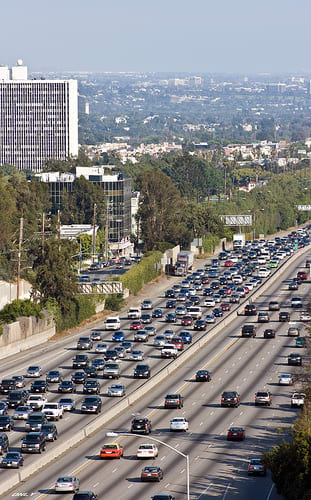
Los Angeles traffic on I405. Photo credit H4NUM4N via Flickr.
While traffic problems have stagnated along with the economy, an annual study suggests that too little progress is being made toward ensuring that the nation's transportation system will be able to keep up with job growth when the economy does return.
The 2011 Urban Mobility Report, published by the Texas Transportation Institute at Texas A&M University, illustrates congested conditions in 2010 on a number of levels:
The amount of delay endured by the average commuter was 34 hours, up from 14 hours in 1982.
The cost of congestion is more than $100 billion, nearly $750 for every commuter in the U.S.
“Rush hour” is six hours of not rushing anywhere.
Congestion is becoming a bigger problem outside of “rush hour,” with about 40 percent of the delay occurring in the mid-day and overnight hours, creating an increasingly serious problem for businesses that rely on efficient production and deliveries.
The economic recession has only provided a temporary respite from the growing congestion problem. When the economic growth returns, the average commuter is estimated to see an additional three hours of delay by 2015 and 7 hours by 2020. By 2015, the cost of gridlock will rise from $101 billion to $133 billion — more than $900 for every commuter, and the amount of wasted fuel will jump from 1.9 billion gallons to 2.5 billion gallons — enough to fill more than 275,000 gasoline tanker trucks.
“If you invest in roads and transit, you get better service and access to more jobs,” says Tim Lomax, one of the study's authors. “Traffic management and demand management should be part of the mix, too. Generally speaking, mobility investments in congested areas have a high return rate.”
That connection was well illustrated in the 1960s, when the nation experienced its longest uninterrupted expansion in history, fueled in part by federal investment in the Interstate Highway System.
The interstate highway system grew rapidly from the late 1950s to the mid-1980s and the U.S. economy grew along with it. Since then, growth in the interstate system has virtually stopped.
“The only way U.S. companies have been able to keep their products competitive in the face of increasing traffic congestion and rising transportation costs is to squeeze every ounce of efficiency they can out of their supply chain, says TTI Research Scientist David Ellis. “But there is a limit to efficiency and without additional transportation capacity, transportation costs will increase significantly. The result will be higher prices and lost jobs.”
The UMR uses traffic volume data from the states and traffic speed data from INRIX, a leading private-sector provider of travel time information. The combination produces a thorough and detailed illustration of traffic problems in 439 U.S. urban areas.
The report underscores the traffic-economy connection that was outlined in another study published in June by the Texas 2030 Committee – It's About Time: Investing in Transportation to Keep Texas Economically Competitive. Although the study focused on Texas, the implications are the same in every state. The typical commuter feels the impact of congestion in the form of stress and wasted time. But for manufacturers and shippers that wasted time has a direct bottom line impact. Efficiency suffers, prices go up, and employment weakens.
“Congestion does more than choke our highways, it chokes our economy, making it harder to buy what we need and harder to keep or find a job,” Lomax says. “That's a bad thing – especially when our economic recovery is so fragile.”
The most economical and effective congestion solutions involve traditional road building and transit use, combined with traffic management strategies such as signal coordination and rapid crash removal, and demand management strategies like telecommuting and flexible work hours. Land use and development patterns can play a positive role, as well.
The researchers stress that there is no single best way to fix the problems. The best solutions, they say, will come from efforts that have meaningful involvement from everyone concerned – agencies, businesses and travelers.
A copy of the full report, along with data tables and other supporting materials, can be found here.
The Texas Transportation Institute, headquartered in College Station, Texas, is an agency of The Texas A&M University System.
More Bus
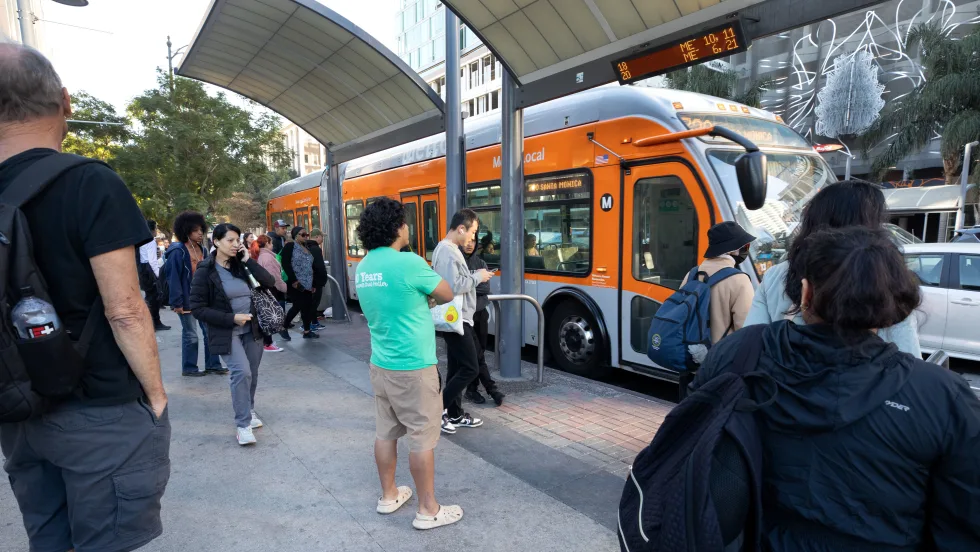
LA Metro September Ridership Climbs 3.9%, Led by Rail Growth
The agency recorded more than 27.2 million boardings, with rail ridership increasing 12.4% year over year and the D Line posting the largest gains.
Read More →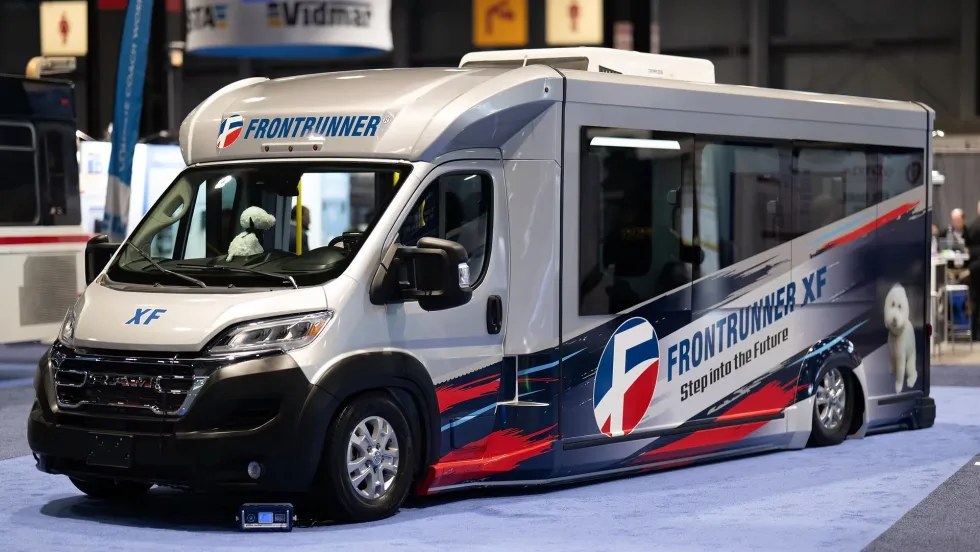
Frontrunner Bus Group Introduces XF Low-Floor Bus with Enhanced Accessibility
The new mid-sized bus features a full flat-floor design, eight-inch curbside step-in height, and zero-entry rear ramp to improve passenger access and operational flexibility.
Read More →
Scenes from APTA TRANSform & EXPO 2026
Transit leaders, manufacturers, and industry professionals gathered in Chicago to explore new technologies, share ideas, and discuss the future of public transportation.
Read More →
More Than a Summer Job: Building the Next Generation of Transit Talent
The Delaware River Port Authority and PATCO have transformed their internship program into a hands-on professional development experience that introduces students to the breadth of transportation careers — and creates a pipeline for future employees.
Read More →
LA Metro Board Awards 220 Battery-Electric Bus Contract to ENC
The contract, which is the largest base award of battery-electric buses by a U.S. transit agency, will be built in Southern California, sustaining good jobs as LA prepares to welcome the world in 2028
Read More →
Public Transit Conference Returning to GFX in 2027, Call for Papers Now Open
The Call for Papers is now open, allowing transit agency professionals and industry experts to help shape the PTC educational program by submitting session ideas for consideration.
Read More →
Indian River Transit’s Community-Focused Approach Earns National Recognition
Named APTA’s 2026 Outstanding Public Transportation System in its size category, Florida’s Indian River County transit system continues to grow ridership through fare-free service and a focus on evolving community needs.
Read More →
ENC Lands MATA Contract and More in Biz Briefs
In this edition of Biz Briefs, we spotlight the latest developments shaping the future of mobility.
Read More →
From Surviving to Thriving: Building Stronger Transportation Organizations
Bus Business Consultants founder Brian Dickson shares lessons on leadership, organizational health, and creating options for long-term success in a changing transportation industry.
Read More →
Everett Transit, Community Transit Outline Consolidation Agreement
The proposed agreement calls for a 50% increase in bus service in Everett, a new microtransit zone, continued paratransit service, and the transfer of Everett Transit operations to Community Transit.
Read More →