



APTA honors transit industry stars
Winners included MBTA, for its Open Data Initiative, and the Regional Transit Authority of New Orleans, for its comeback after Hurricane Katrina.

Public transportation systems based in Ithaca, N.Y., El Paso, Texas and Santa Monica, Calif., were among those receiving honors at Tuesday morning’s 2011 APTA Awards ceremony, which was sponsored by GFI Genfare.
New Orleans native Margaret Dubuisson introduced the presenters and announced the winners. “Public transportation supports 1.9 million jobs in the public and private sector,” she said. “Your work vitalizes the nation’s economy and improves its quality of life.”
Michael Melaniphy, APTA’s new President and CEO, thanked the winners for their hard work. “It’s an honor to be here, among the best in the industry,” he said. “You are stellar examples of public excellence.”
After each award winner was announced, a video highlighting their accomplishments was shown.
Winning the Innovation award for “demonstrating innovative concepts in the provision of public transportation services” was Massachusetts Bay Transportation Authority (MBTA), for its Open Data Initiative. The agency opened its real-time schedules and alert information to third parties in November, 2009. Since then, more than 30 apps have been launched at no cost to MBTA, allowing it to focus on releasing new data.
Taking the honors for Outstanding Public Transportation Systems were:
• Providing 4 million or fewer annual passenger trips: Ithaca, N.Y.-based Tompkins Consolidated Area Transit (TCAT). The agency accommodated a 7.8 percent ridership spike from 2008 to 2010 by streamlining its system and seeking public feedback online.
• Providing more than 4 million but fewer than 20 million annual passenger trips: El Paso, Texas’ Sun Metro, which constructed four new transit centers and partnered with Google Transit.
• Providing 20 million or more annual passenger trips: Santa Monica, Calif.’s Big Blue Bus, which significantly reduced preventable accidents.
APTA introduced a new award this year, “Special Recognition for Extraordinary Recovery.” The Regional Transit Authority of New Orleans (RTA) was recognized for its “tremendous comeback after Hurricane Katrina.” Despite losing most of its vehicles, facilities, and technology systems after the natural disaster, the agency managed to implement partial bus service within 60 days of the hurricane, and partial streetcar service six months later. The RTA now has completely new fleets for both its bus and paratransit operations, and has managed to hold its operations costs flat for the past three years.
In the “Local Distinguished Service” category, Cameron (Cam) Beach was honored posthumously for his “significant contributions at the local level to public transportation through policy, legislative initiative and leadership.” Beach’s wife, Carmen Clark, and son, Timothy Beach, accepted the award.
The "Outstanding Public Transportation Board Member" award went to Corpus Christi Regional Transportation Board member Crystal Fortune Lyons. Lyons was recognized for the "extraordinary amount of volunteer time" she dedicated to riders' environmental and transportation needs, and educating community leaders and transit professionals about Americans with Disabilities Act requirements.
Sharon Greene, president of Laguna Beach, Calif.-based Sharon Greene + Associates received the "Outstanding Public Transportation Business Member" award for her expertise in financial analysis and transportation capital investments, and service on the APTA Executive Committee.
Stephanie Negriff, director of Santa Monica, Calif.'s Big Blue Bus, was recognized with the "Outstanding Public Transportation Manager" award for her successful oversight of a transit system that serves over 22 million customers a year and has reached new and diverse markets and achieved greater community involvement.
Roger Snoble was inducted into the APTA Hall of Fame for his numerous contributions to the industry over the past four-and-a-half decades, including leading three large transit agencies and opening the Los Angeles County Metropolitan Transportation Authority Gold Line to Pasadena in 2003.
More Bus
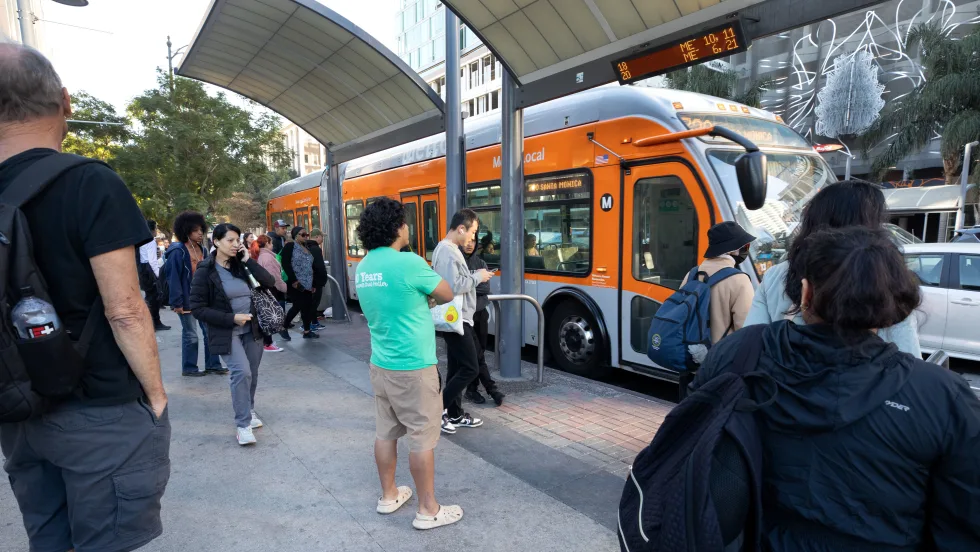
LA Metro September Ridership Climbs 3.9%, Led by Rail Growth
The agency recorded more than 27.2 million boardings, with rail ridership increasing 12.4% year over year and the D Line posting the largest gains.
Read More →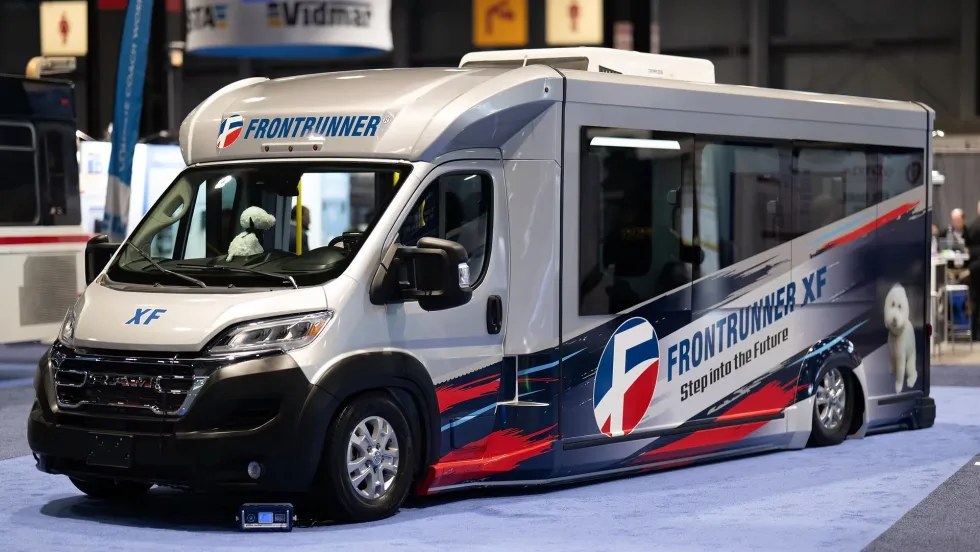
Frontrunner Bus Group Introduces XF Low-Floor Bus with Enhanced Accessibility
The new mid-sized bus features a full flat-floor design, eight-inch curbside step-in height, and zero-entry rear ramp to improve passenger access and operational flexibility.
Read More →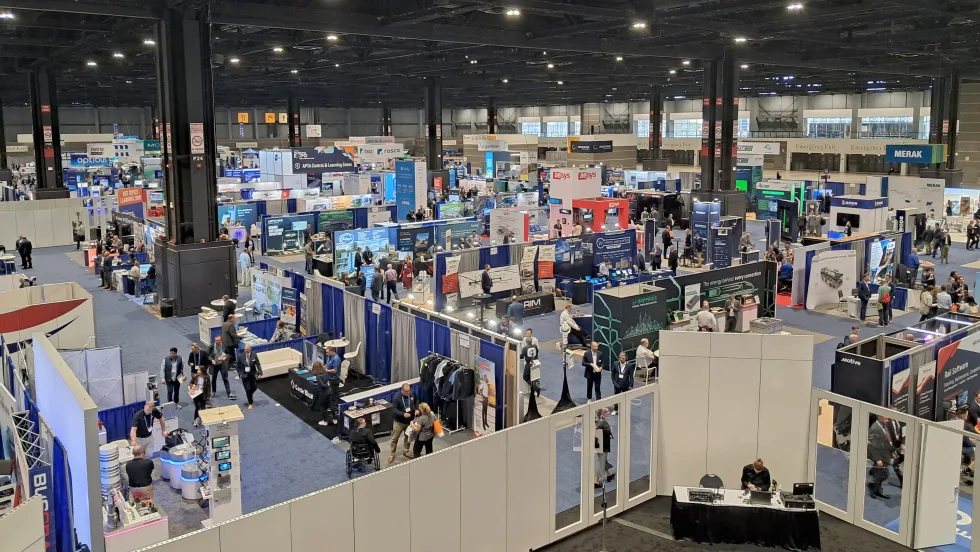
Scenes from APTA TRANSform & EXPO 2026
Transit leaders, manufacturers, and industry professionals gathered in Chicago to explore new technologies, share ideas, and discuss the future of public transportation.
Read More →
More Than a Summer Job: Building the Next Generation of Transit Talent
The Delaware River Port Authority and PATCO have transformed their internship program into a hands-on professional development experience that introduces students to the breadth of transportation careers — and creates a pipeline for future employees.
Read More →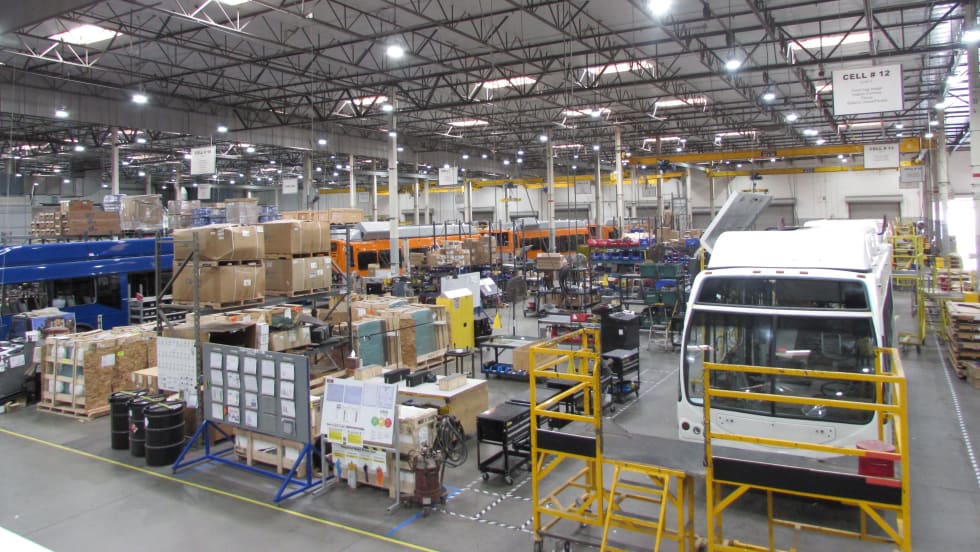
LA Metro Board Awards 220 Battery-Electric Bus Contract to ENC
The contract, which is the largest base award of battery-electric buses by a U.S. transit agency, will be built in Southern California, sustaining good jobs as LA prepares to welcome the world in 2028
Read More →
Public Transit Conference Returning to GFX in 2027, Call for Papers Now Open
The Call for Papers is now open, allowing transit agency professionals and industry experts to help shape the PTC educational program by submitting session ideas for consideration.
Read More →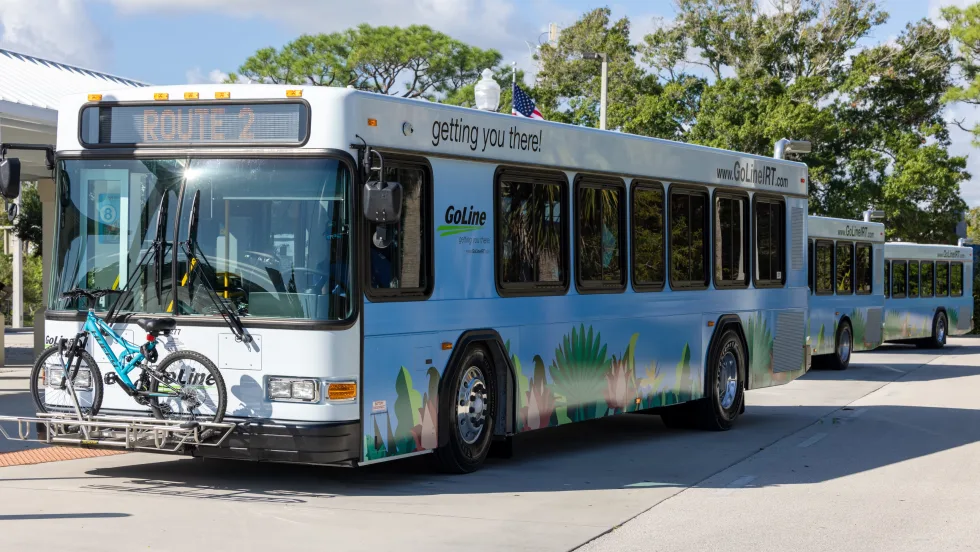
Indian River Transit’s Community-Focused Approach Earns National Recognition
Named APTA’s 2026 Outstanding Public Transportation System in its size category, Florida’s Indian River County transit system continues to grow ridership through fare-free service and a focus on evolving community needs.
Read More →
ENC Lands MATA Contract and More in Biz Briefs
In this edition of Biz Briefs, we spotlight the latest developments shaping the future of mobility.
Read More →
From Surviving to Thriving: Building Stronger Transportation Organizations
Bus Business Consultants founder Brian Dickson shares lessons on leadership, organizational health, and creating options for long-term success in a changing transportation industry.
Read More →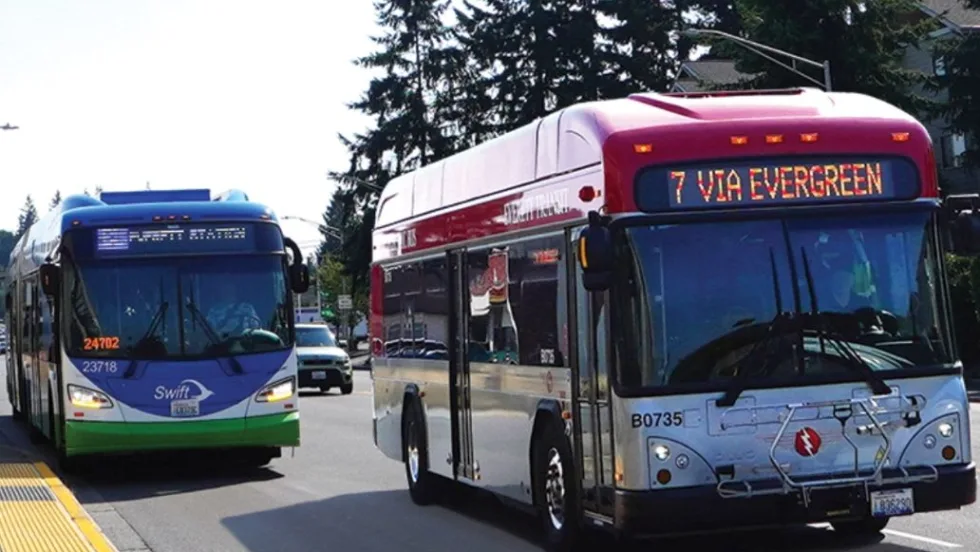
Everett Transit, Community Transit Outline Consolidation Agreement
The proposed agreement calls for a 50% increase in bus service in Everett, a new microtransit zone, continued paratransit service, and the transfer of Everett Transit operations to Community Transit.
Read More →