



MARTA unveils solar canopy installation
The solar panels generate enough electricity to offset a significant portion of this facility's annual electricity consumption and have the same environmental benefit as planting more than 285 acres of trees a year.

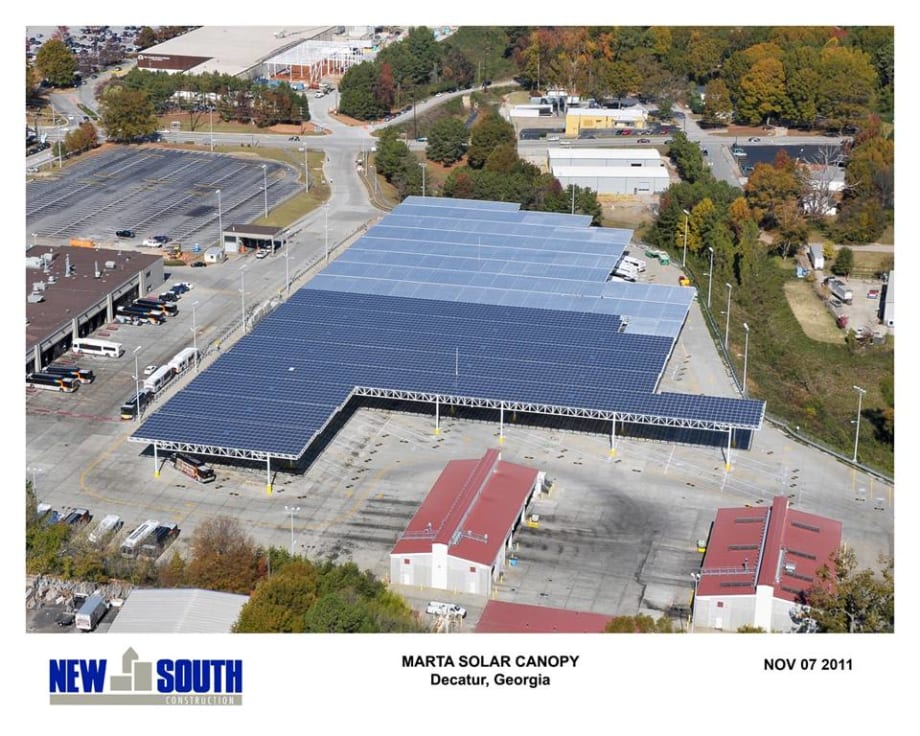
The Metropolitan Atlanta Rapid Transit Authority (MARTA) unveiled its solar canopy installation project at the Laredo Bus Facility. The federally funded project, finished on time and within budget, is the largest solar canopy in Georgia and the second largest structure of its kind at a public transportation system.
In 2009 MARTA received a $10.8 million federal grant under the American Recovery and Reinvestment Act's Transit Investments for Greenhouse Gas and Energy Reduction (TIGGER) Program. Thanks to this funding, the project has created new "green-collar" jobs in metro Atlanta and is harnessing clean, renewable solar power to operate the Laredo Bus Facility in a significantly more energy-efficient and cost-effective way.
The solar panels generate enough electricity to offset a significant portion of this facility's annual electricity consumption and have the same environmental benefit as planting more than 285 acres of trees a year.
The turnkey project includes photovoltaic (PV) cells that cover 220 bus parking stalls and feature perforated panels to filter sunlight. The canopies are equipped with light-emitting diodes (LEDs) light fixtures to provide ample lighting for safety and maintenance activities at night.
In addition to producing power, the shade structures will reduce summertime temperatures between 20 and 30 degrees underneath the canopies, lower bus fuel consumption, reduce the need for air-conditioning and enhance the general work environment for MARTA operators, maintenance and facilities personnel.
The Laredo Bus Facility Solar Canopy joins MARTA's growing sustainability program which includes a fleet of clean-fuel buses, water reclamation and harvesting operations, the installation of LED lighting and a waste recycling program.
More Technology

ETA CEO John Maglio on Transit Technology, Innovation, and Building Agency Trust
ETA founder and CEO John Maglio explores the evolution of transit technology, the importance of reliable systems, and how stronger partnerships can help agencies improve operations and the passenger experience.
Read More →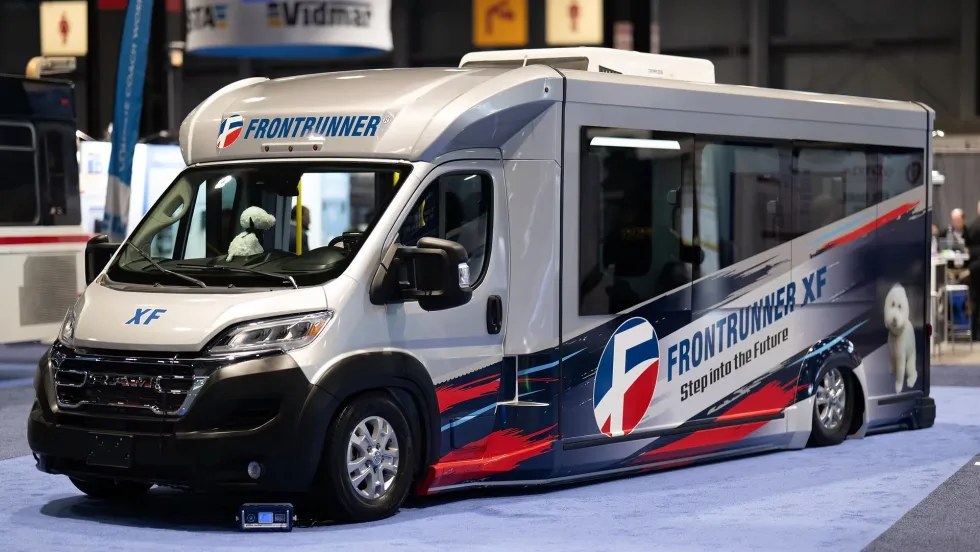
Frontrunner Bus Group Introduces XF Low-Floor Bus with Enhanced Accessibility
The new mid-sized bus features a full flat-floor design, eight-inch curbside step-in height, and zero-entry rear ramp to improve passenger access and operational flexibility.
Read More →
Building a Flexible Path to Transit Electrification with BAE's John Hroncich
John Hroncich discusses BAE Systems’ modular and scalable approach, lessons learned from decades of real-world operations, and how agencies can identify electrification strategies that fit their fleets.
Read More →
Scenes from APTA TRANSform & EXPO 2026
Transit leaders, manufacturers, and industry professionals gathered in Chicago to explore new technologies, share ideas, and discuss the future of public transportation.
Read More →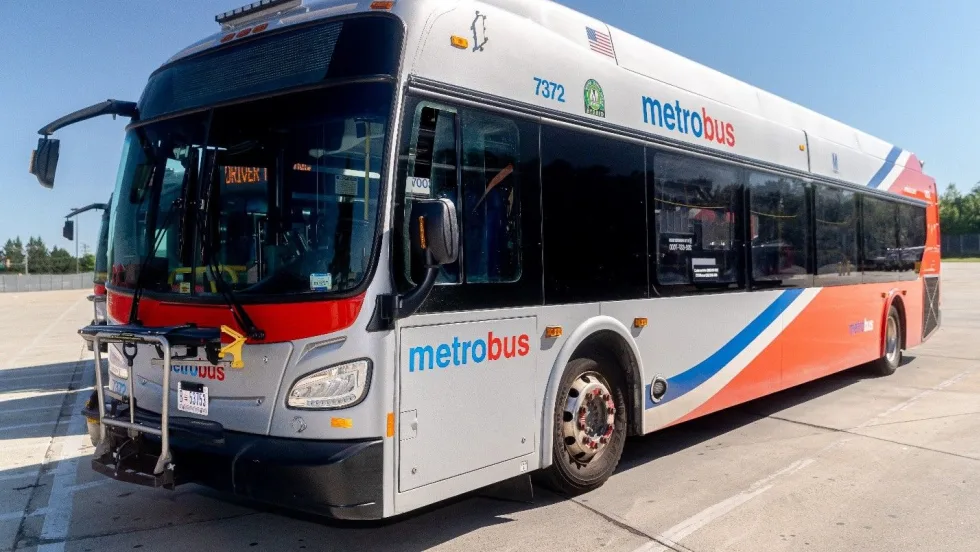
Biz Briefs: New Flyer Secures Additional 100-Bus Order from WMATA and More
In METRO's latest installment, we also take a look at recent news from Masabi, MCI, Samsara, and more partnerships making headlines across the transportation sector.
Read More →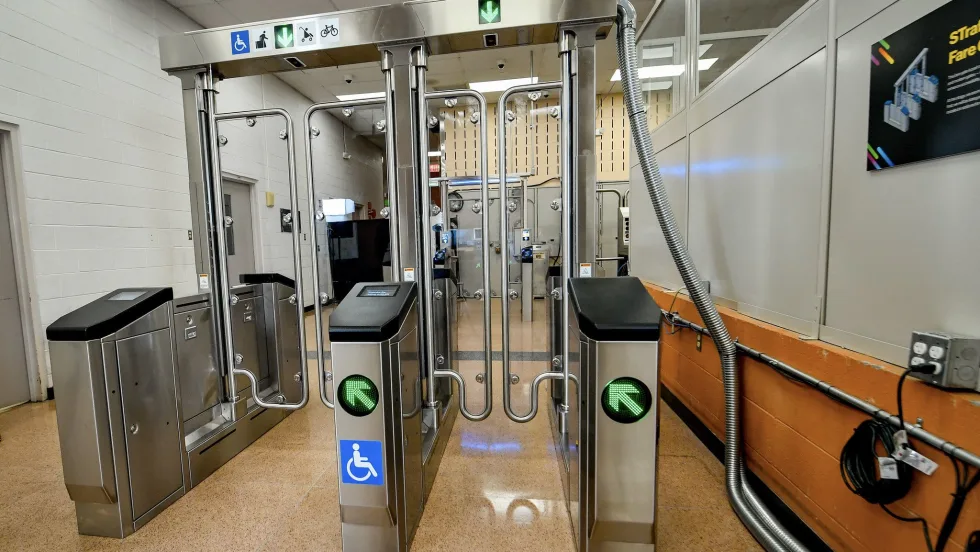
MTA Fare Gate Pilot Reduces Fare Evasion by 35%
Following a 20-station pilot, the agency plans to install new fare gates at 20 additional subway stations as part of a $1.1 billion modernization initiative.
Read More →
California Law Extends AC Transit’s Bus Lane Camera Enforcement
The new law allows AC Transit to continue using forward-facing bus cameras to enforce parking violations in bus-only lanes and at bus stops.
Read More →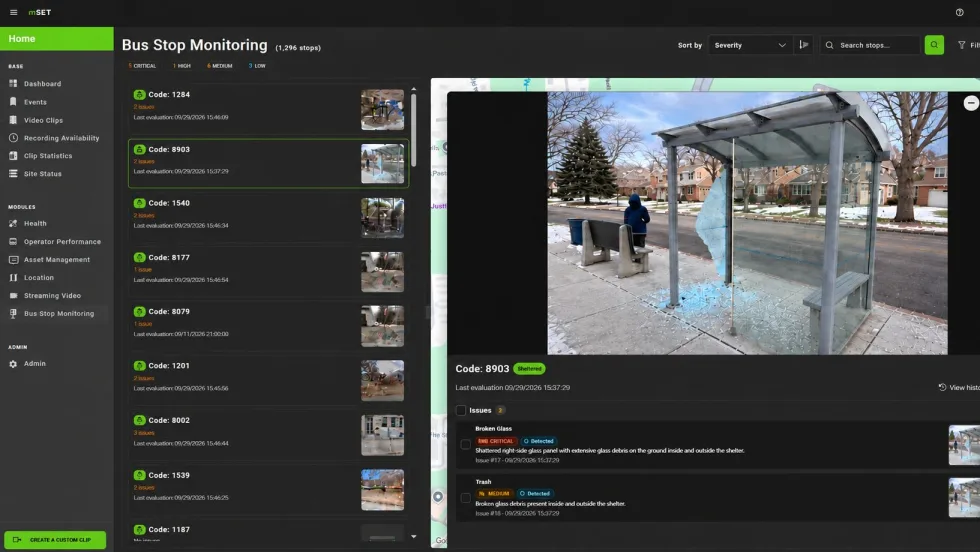
Biz Briefs: Luminator Launches AI Technology to Monitor Bus Stop Conditions and More
In METRO's latest installment, we also take a look at recent news from Masabi, Troman Industries, ioki, CCW, and more partnerships making headlines across the transportation sector.
Read More →
Public Transit Conference Returning to GFX in 2027, Call for Papers Now Open
The Call for Papers is now open, allowing transit agency professionals and industry experts to help shape the PTC educational program by submitting session ideas for consideration.
Read More →
ENC Lands MATA Contract and More in Biz Briefs
In this edition of Biz Briefs, we spotlight the latest developments shaping the future of mobility.
Read More →