



Bombardier project focuses on 'green train of the future'
The Gröna Tåget ("Green Train") research project is a collection of ideas, proposals and technical solutions aimed at making long distance and fast regional services more attractive to travellers and operators.

New generation trains running on existing track can easily combine higher speeds, lower energy consumption, reduced noise and lower costs. These are the findings reported by Swedish researchers in Stockholm after concluding a four-year project, with Bombardier Transportation as one of three major partners.
The Gröna Tåget ("Green Train") research project is a collection of ideas, proposals and technical solutions aimed at making long distance and fast regional services more attractive to travellers and operators. Gröna Tåget is a fast electric tilting train - based on the Bombardier Regina vehicle - that not only maintains higher-speeds than conventional trains on sections with curves but also 186 miles per hour, or more, on dedicated high-speed lines.
The project was conducted in close cooperation between the Swedish Transport Administration, Bombardier, the Royal Institute of Technology in Stockholm and several other partners. In the report, the project team noted that the concept train had set a Swedish speed record, but emphasized that the development program was not a finished train model but should rather be seen as a smorgasbord of proposals and technical innovations adapted to Nordic conditions.
The concept offers operators and infrastructure managers advantages such as flexible train length, reliability and accessibility even in the demanding Nordic climate. It also reduces costs to ensure profitability in competitive markets, increases track-friendliness with less wear to track and wheels, enables high speeds on standard tracks and lowers noise levels compared to the current generation of trains.
Aerodynamic design and more efficient motors, which generate electricity when braking, enable the Green Train to reduce power consumption by 30% to 35%. Thanks to the Nordic track profiles, trains can be designed with greater width than existing trains, enabling more passenger space while maintaining comfort which means higher operational economy and, potentially, lower ticket prices.
The Gröna Tåget technology has been tested in trial runs in all weather conditions since 2005. Its development has involved a large part of the Swedish rail sector, including manufacturers, infrastructure companies, universities, train operators and research institutes. The findings will be made available to all rail industry companies and train manufacturers.
More Rail
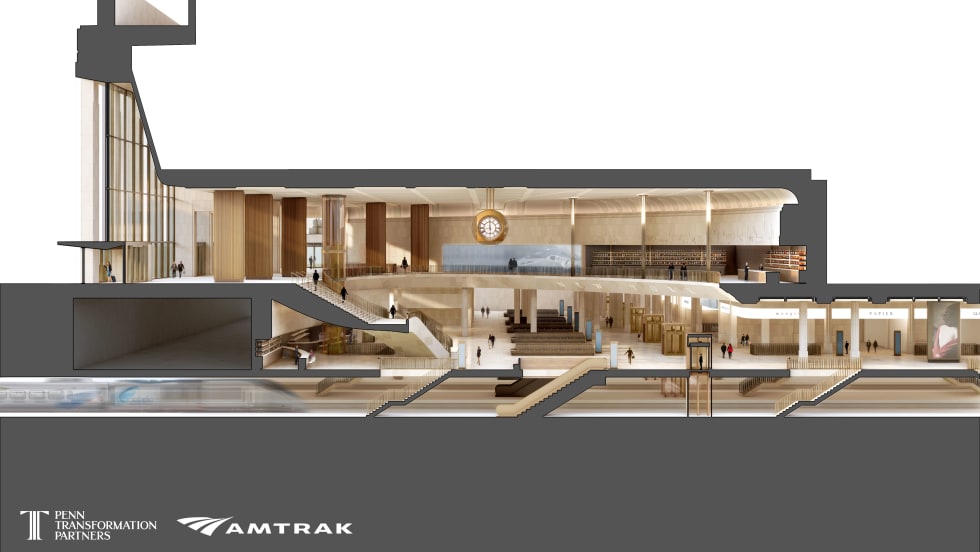
Penn Station Transformation Advances with Design Unveiling
The historic redesign will transform the busiest transit hub in the Western Hemisphere from the tracks to the street level, creating a more efficient, cleaner, and functional experience for more than 600,000 daily commuters and millions of visitors.
Read More →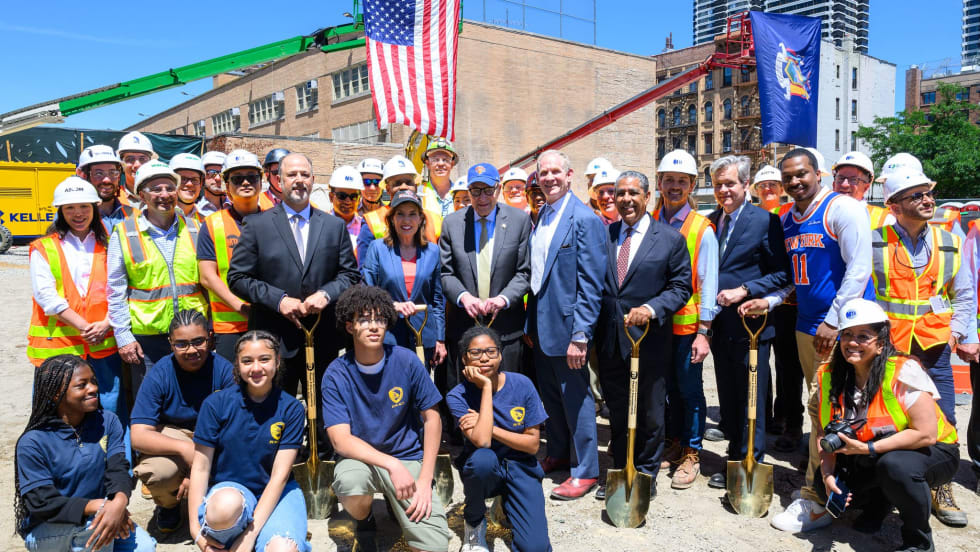
Second Avenue Subway Phase 2 Advances into Major Construction Stage
New York Governor Kathy Hochul joined leadership from the MTA, elected officials, and Harlem community leaders to break ground on the major construction stage of the transformative Second Avenue Subway Phase 2 project.
Read More →
The Invisible Infrastructure of Passenger Flow
What a seat reservation system on Austria’s Railjet trains reveals about the future of rider experience, and why U.S. agencies should pay attention.
Read More →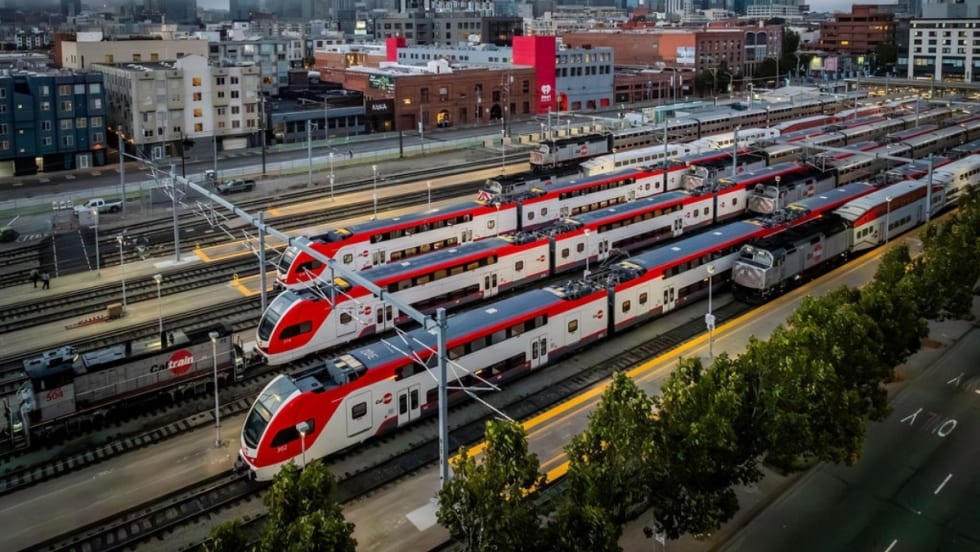
Caltrain Board Approves FY27 Budget, Endorses Efficiency Measures
The move ensures Caltrain service will continue operating as usual in the near term, but long-term financial challenges remain for the rail agency absent a new revenue source.
Read More →
Alstom Acquires Delaware Site to Support Amtrak NextGen Acela Fleet
The company is investing more than $55 million to acquire and improve the property and will employ approximately 100 people at this site once it is operational.
Read More →
When Routine Fails: How Public Transit Must Adapt for the World Cup
The 2026 FIFA World Cup will test transit agencies’ ability to manage unpredictable travel patterns, making real-time data and operational flexibility critical to moving millions of visitors efficiently.
Read More →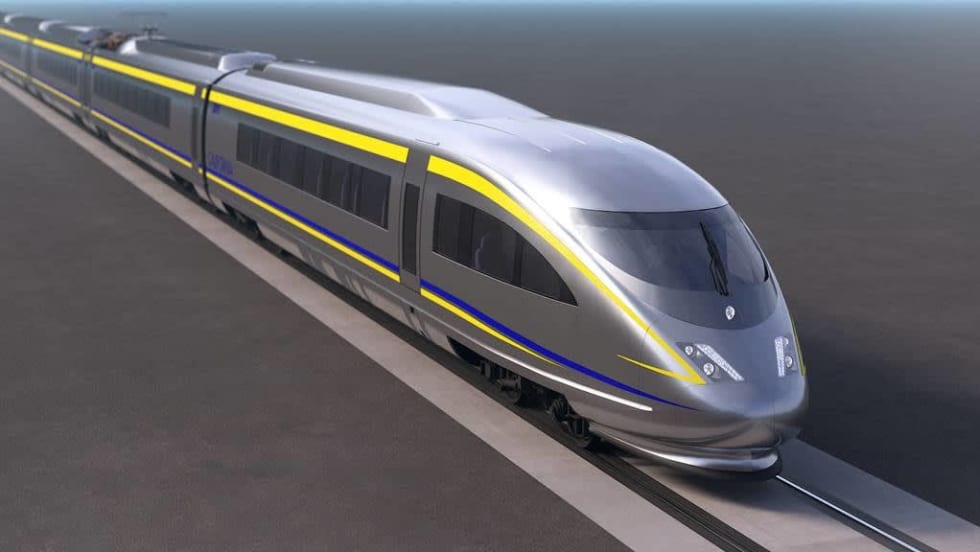
California Selects Team for Nation’s First True High-Speed Rail Track and Systems Contract
The board action follows completion of track installation at the 150-acre southern railhead in Kern County, which will serve as the staging and distribution hub for high-speed track and systems installation.
Read More →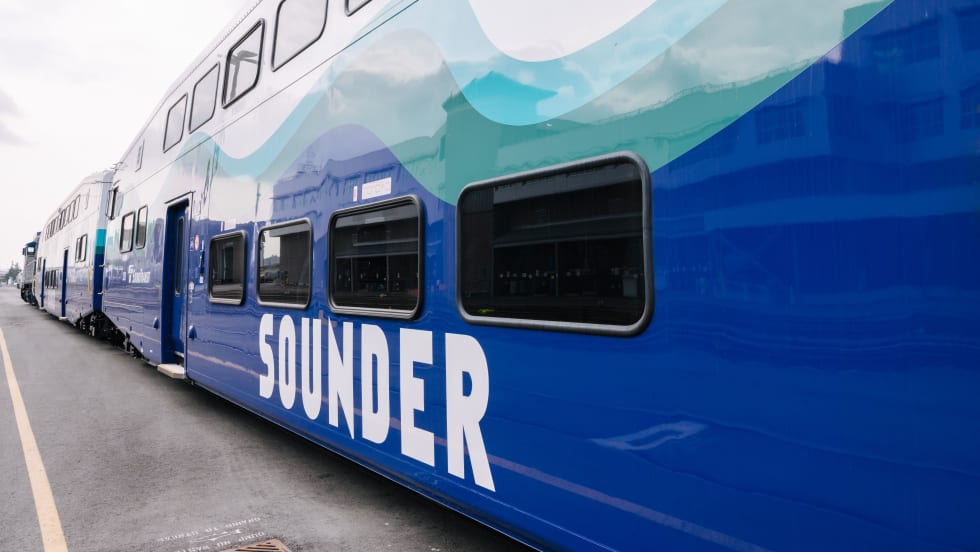
Seattle's Sound Transit Launches New Sounder Railcars into Service
Alstom manufactured all the cars under a $46.5 million contract and came into service in anticipation of summer crowds for soccer and baseball.
Read More →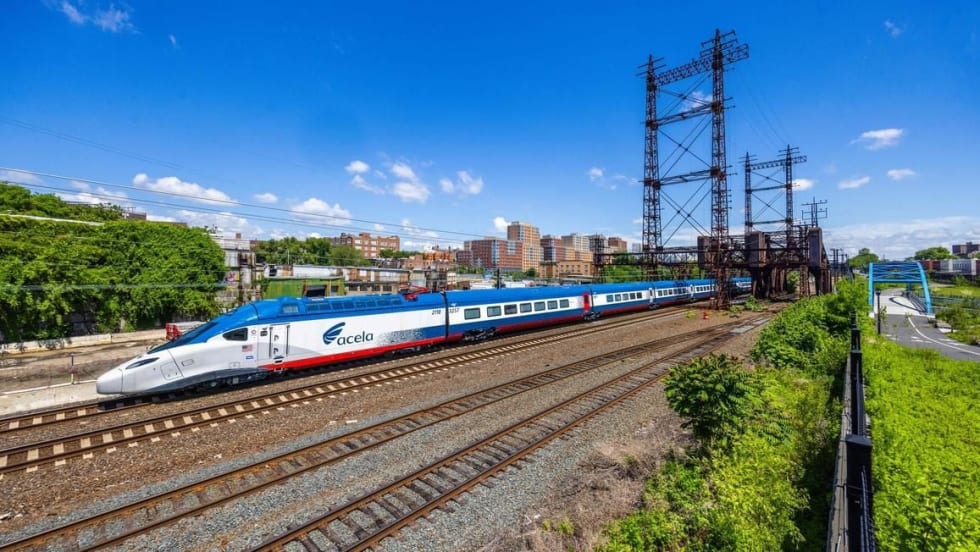
Alstom Partners With Universities to Build Rail Talent Pipeline
The partnerships include a new engineering scholarship fund at Alfred State College in Western New York and collaborations with transportation centers at the University of Pennsylvania and New York University.
Read More →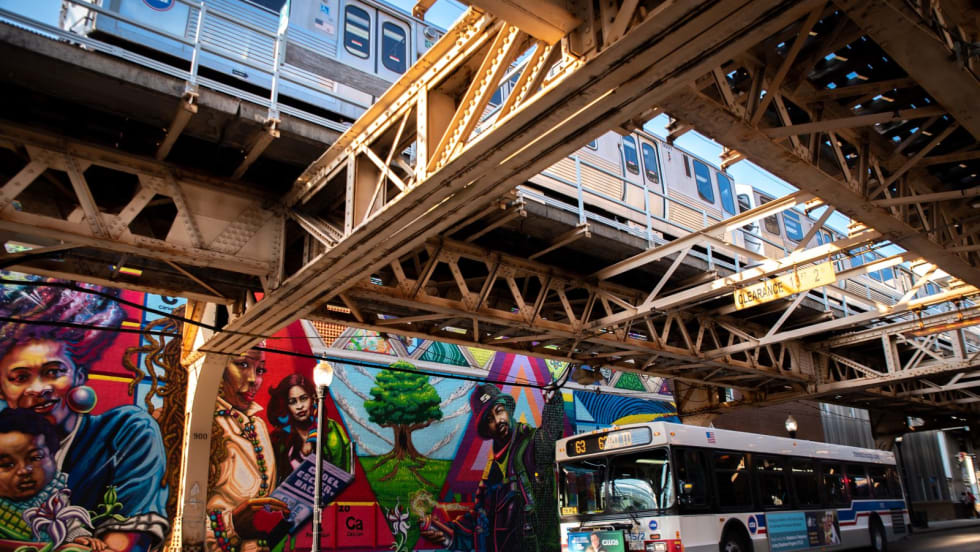
Chicago's NITA Act Moves Into Next Phase as Service Improvements Begin
Rider-focused improvements will begin rolling out across the system immediately as CTA, Metra, and Pace increase service this summer in the six-county region.
Read More →