Web Extra: U. of Alabama transit agency celebrates 5 years
Before instituting the system in 2007, the university held approximately 80 town hall meetings to inform the community of parking changes that were set to be made and receive feedback for the transit system.
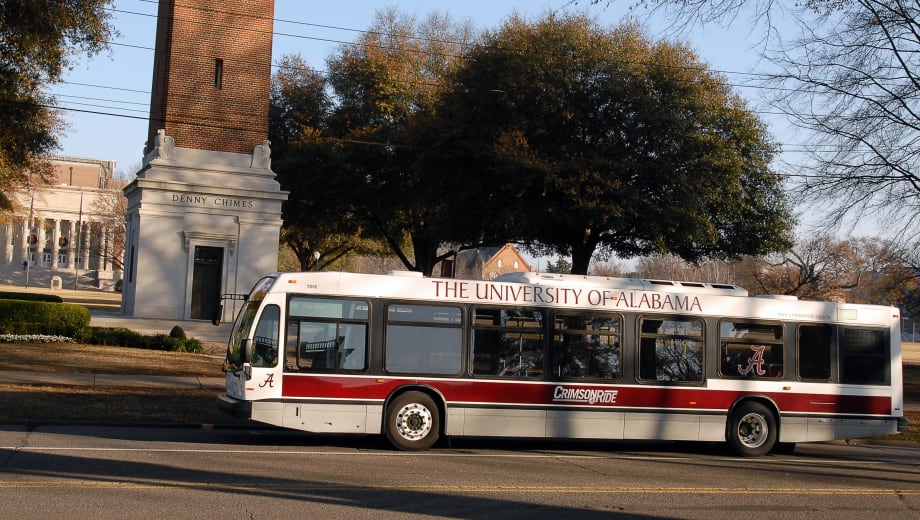
In 2007, the University of Alabama launched its Crimson Ride transit service with 17 full-size Nova buses to help fulfill its goals to grow its population and become more pedestrian friendly.
"At the time, the student population was a little under 20,000 students, and since that time, the population is now more than 31,000, so you can see the dramatic increase in population," explained Ralph Clayton, assistant director of transportation services. "To grow the campus like that, we had to get the infrastructure in place, and part of that was adding the transit system to bring the students to campus."
Ad Loading...
Today, the transit service boasts 23 vehicles and provides more than two million rides a year.
"One thing that changed tremendously after we got the transit system on campus was traffic reduction," explained Ronnie Robertson, director of transportation services.
Before instituting the system in 2007, the university held approximately 80 town hall meetings to inform the community of parking changes that were set to be made and receive feedback for the transit system.
"We got the faculty, staff and students involved on the bus selection; the type of bus they wanted; the routes and what they expected out of a transit system," said Ronnie Robertson, director of transportation services. "It really was a learning curve for everybody, because we had never had a workable transit system on this campus before."
Today's challenge for the transit system is keeping up with the changing infrastructure and growing population on campus, explained Clayton.
Ad Loading...
"We constantly monitor the system and adapt, but we learn from trial and error and don't change routes or stops without really considering the consequences," he said. "We have new buildings and residence halls set to open that will impact our existing infrastructure, and we really have to be nimble, agile and plan to maintain the level of service that is needed to grow along with the university."
Added Robertson: "At peak times, we serve 12,000 riders a day. When the students come to expect the buses to be at particular stops at particular times, it's difficult with the growth we've seen to meet those expectations. So far, because of the administrative support we've had, we've been able to keep up with the growth."
Continuing its successful partnership, University of Alabama Transportation Department ordered clean-diesel, 40-foot LFS smart buses, featuring a new interior design, from Nova Bus for its Crimson Ride transit service. The contract will see the university receive two new buses each year for five years to help keep up with both the university's and agency's growth.
"We truly have a partnership with Nova," he explained. "But, it's been more than just a business partnership, they feel invested in our community, and the buses have really become part of the fabric of our campus."
In Part 1, Blandon shares his journey from the U.S. Marines to a leadership role in public transit, along with insights on mentorship and professional growth within the industry.
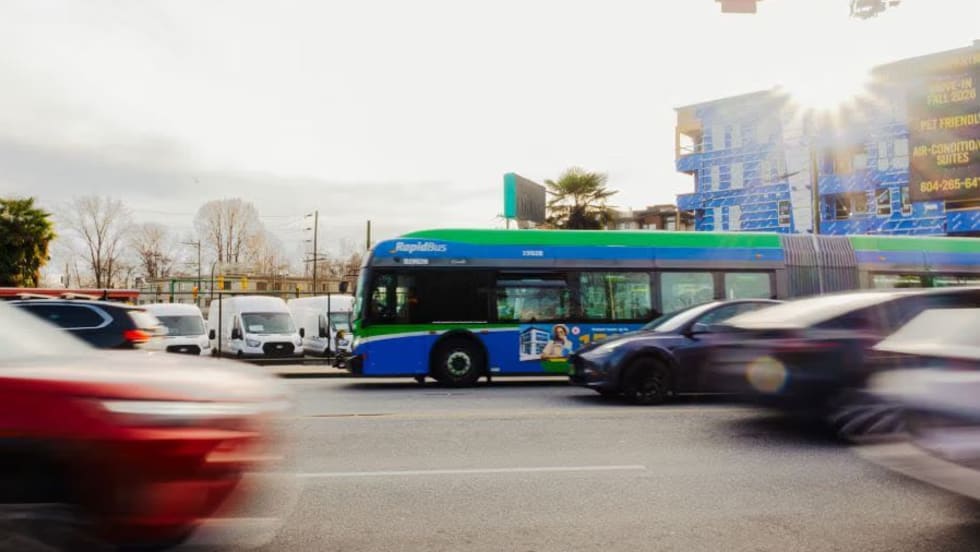
Funded through the 2025 Investment Plan, the new R2 Marine–Willingdon RapidBus is expected to begin service in September, more than three months ahead of schedule.
Complete Parts features new branding with a new logo, a new contact telephone number, a dedicated order desk, enhanced processes and inventory, all designed to provide the parts bus operations need.
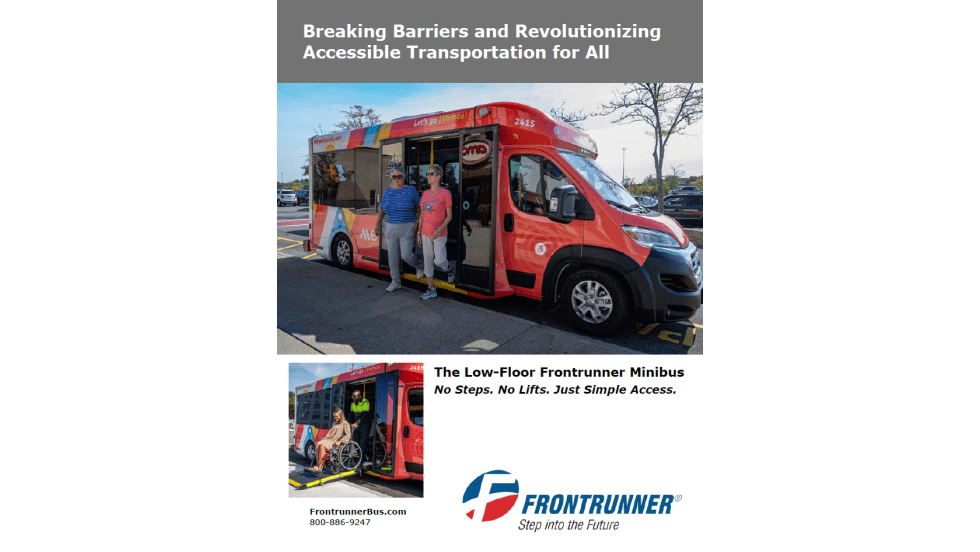
Accessible transit isn’t a feature—it’s a responsibility. This whitepaper explores how the Low-Floor Frontrunner is redefining mobility with a breakthrough design that removes barriers, empowers riders, and delivers measurable operational advantages for agencies. Discover why this next generation minibus is setting a new standard for inclusive transportation.
SEPTA was awarded $43 million in competitive grant funding from the FTA's FY25 Low and No Emission and Bus and Bus Facilities grant programs to support this procurement.
In part 1 of a two-part conversation, AC Transit’s director of maintenance joins co-hosts Alex Roman and Mark Hollenbeck to discuss his journey from the U.S. Marines to public transit and the role mentorship plays in developing the next generation of industry leaders.
When construction is complete, battery-electric buses will operate from the Arborway facility on Day One, providing cleaner, quieter, and more reliable service for riders, the MBTA said. After completion, the old facility will be demolished, and the land will be made available for redevelopment.
Nadine S. Lee, who has served as president/CEO since July 2021, said the decision comes after careful reflection on the agency’s progress and its path forward.