



FTA's Rogoff tours DART Green Line
Under the President's proposed FY 2013 budget, Dallas area residents could see more than a 6% increase in federal transit funding compared to FY 2012 estimates.

Under the President's proposed FY 2013 budget, Dallas area residents could see more than a 6% increase in federal transit funding compared to FY 2012 estimates.
One of the significant construction projects under way, a $3 billion undertaking, involves Parkland Memorial Hospital relocating to be closer to the Green Line's Medical District/Parkland station. Parkland Memorial Hospital is the primary hospital for the county and the training/teaching facility for the University of Texas Southwestern Medical Center.
"The economic development along the Green Line is remarkable and it's happening in other cities across the country where local officials have embraced transit choice," said Administrator Rogoff. "Better access to jobs and state-of-the-art medical facilities at Baylor University and Parkland Memorial really mean a better quality of life for Dallas residents."
The Green Line project is expected to provide $5.6 billion in economic impact and help create 48,000 long-term jobs in the North Texas region, according to DART. To date, DART has received $700 million from the federal government, including a $78 million payment that was made ahead of schedule under a provision in the Recovery Act.
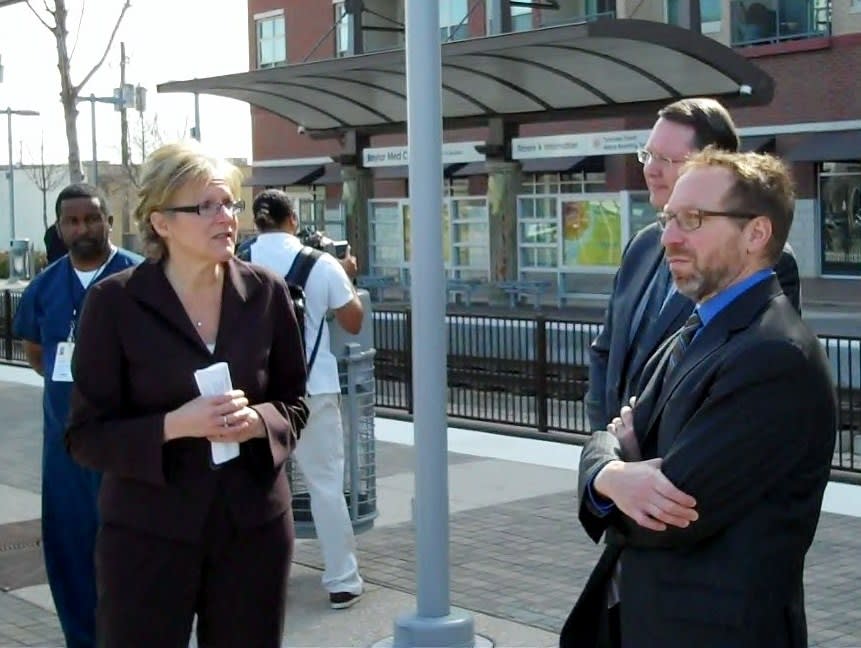
Administrator Rogoff kicked off the tour at Hatcher Station, Baylor University Medical Center Station and Southwest Medical District/Parkland Station with DART President/Executive Director Gary Thomas. Others on the tour included community leader Willie Mae Coleman, Ruben Esquivel of Southwestern Medical District, Tim Glass and Sue Hounsel representing the City of Dallas Economic Development.
More Rail
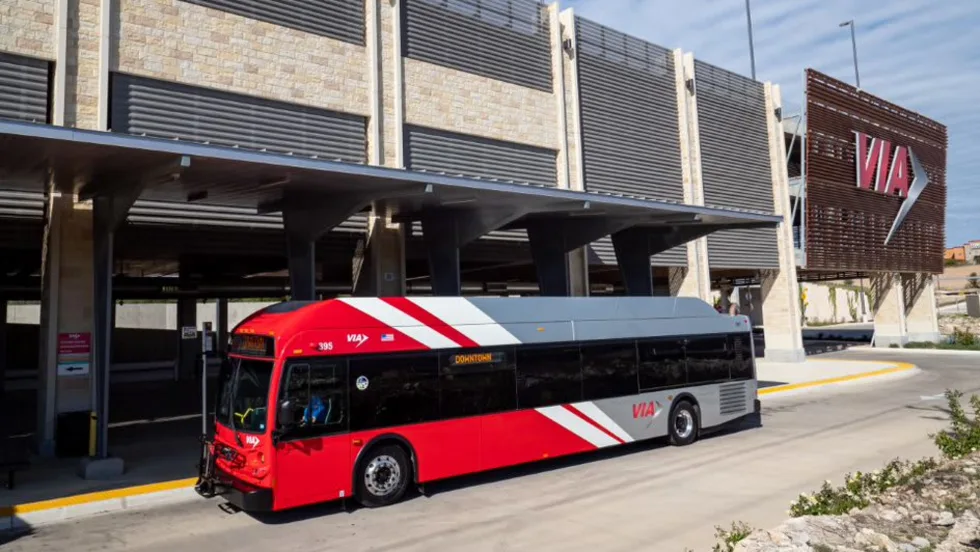
VIA, MBTA Reach Pre-Pandemic Ridership Milestones as Transit Use Climbs
VIA surpasses three million monthly trips for the first time since 2020, while the MBTA tops one million average weekday trips as both agencies report continued ridership growth.
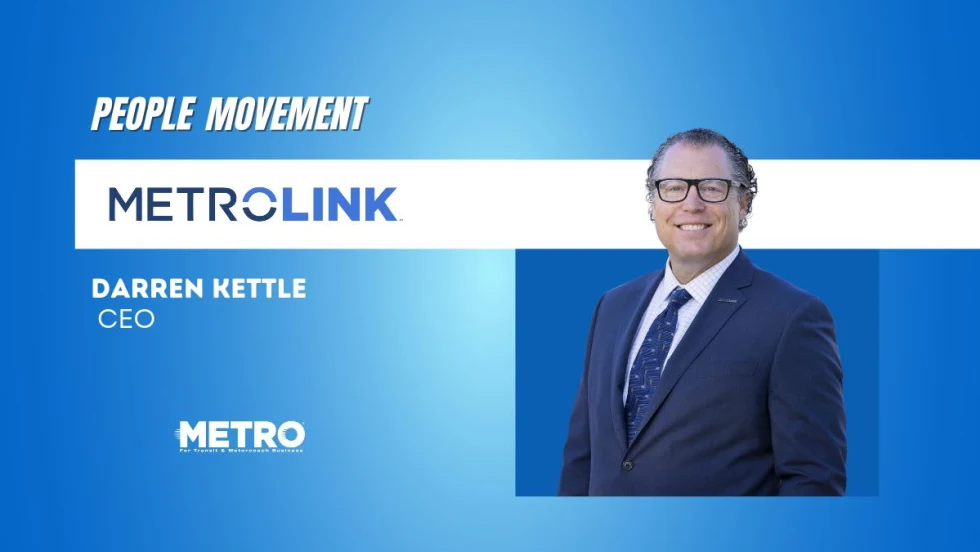
People Movement: Metrolink's Kettle Announces Retirement, Feakins to CEO at UZURV, and More
In this edition, we also cover recent appointments and announcements at King County Metro, SilverRide, and more, showcasing the individuals helping to shape the future of transportation.
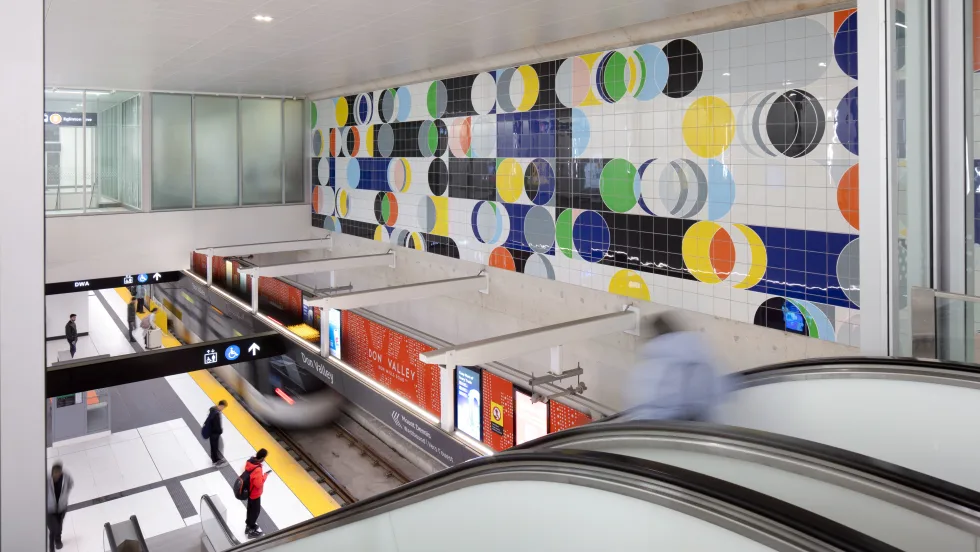
How Gen Z's Changing Mobility Habits Are Reshaping Public Transit
As younger generations embrace multimodal mobility over private vehicles, transit agencies can rethink station design, the passenger experience, and public transportation's role in building connected communities.
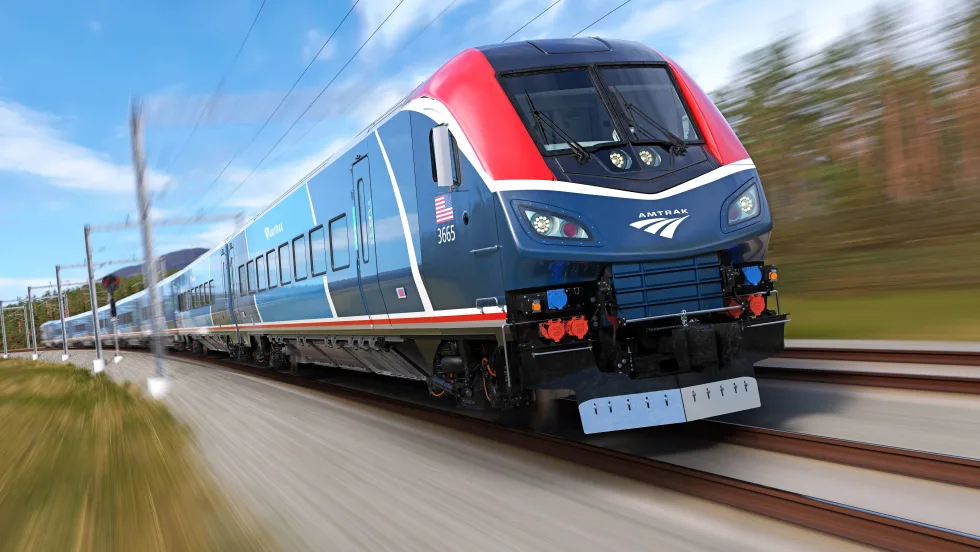
Amtrak Expands Airo Fleet with Eight Higher-Capacity Trainsets
The new 10-car trains, expected to enter service in 2031, will provide about 34% more seating capacity to meet growing demand on the Northeast Corridor.

APTA Urges FTA to Withdraw Proposed Capital Investment Grants Guidance
The association warns that proposed changes could delay transit projects, reduce federal funding, and create new hurdles for 47 projects currently in the CIG pipeline.
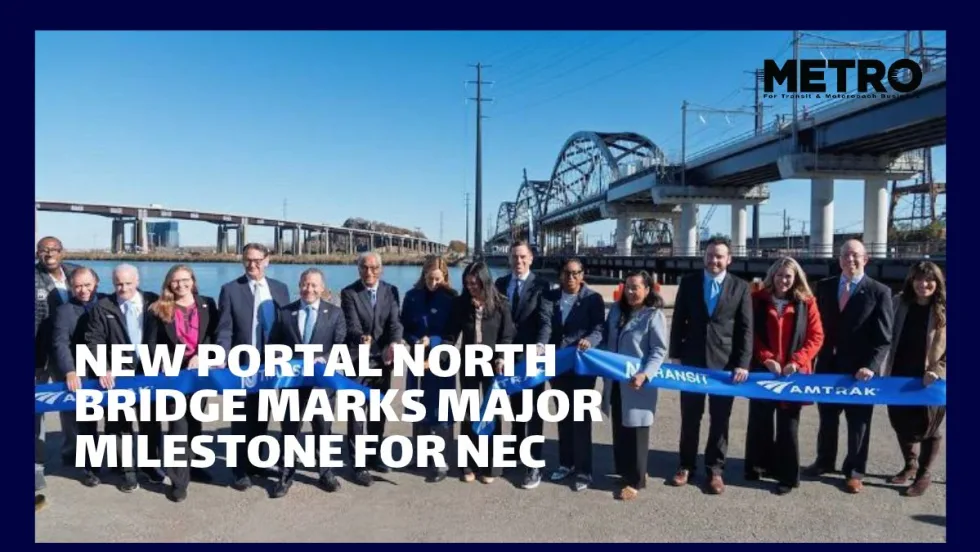
Amtrak, NJ TRANSIT Launch Full Service on New Portal North Bridge
The completion of the two-track bridge over the Hackensack River eliminates a longstanding source of delays for NJ TRANSIT and Amtrak customers. It marks a major milestone for the Gateway Program.
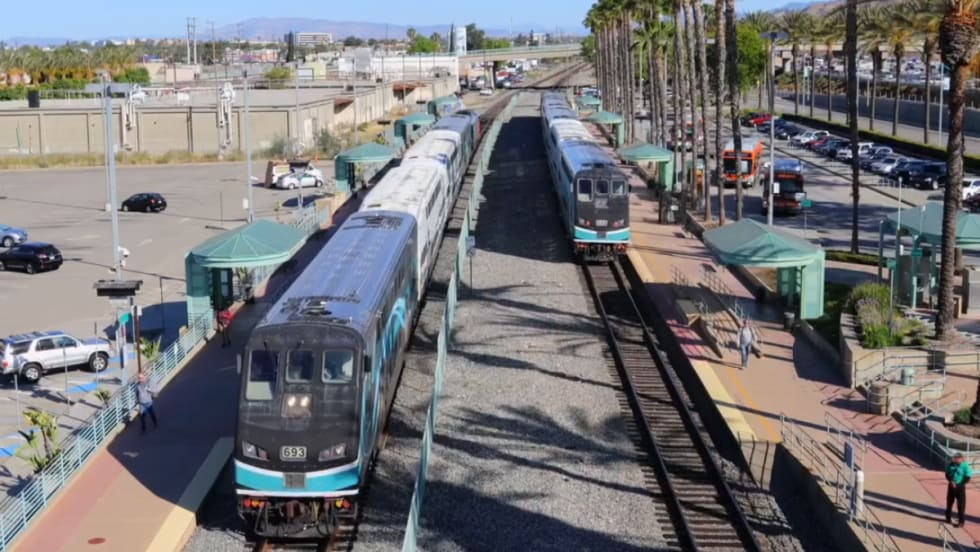
Southern California’s Metrolink Approves $508.8M Budget, Avoids Service Cuts
A $20 million state allocation allows the regional rail agency to maintain existing weekday and weekend service through fiscal year 2028, although longer-term funding challenges remain.
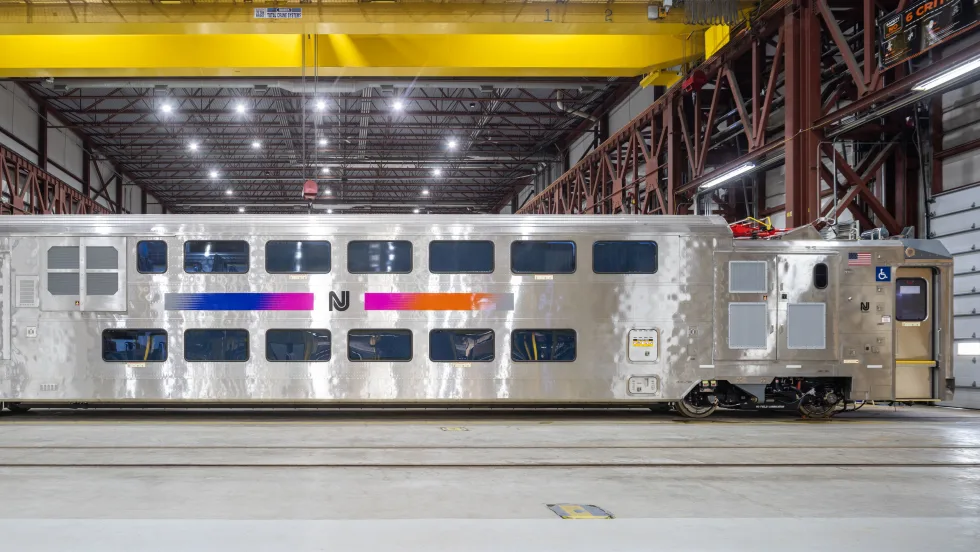
NJ TRANSIT Approves $65.6M for Hudson-Bergen Light Rail Improvements
The funding marks the first phase of a planned $250 million investment over five years to modernize stations, overhaul vehicles, and improve system reliability and passenger safety.

STraffic Expands North American Presence with Fare Collection Technology
John Moon, Associate Director, Product Strategy at STraffic, discusses the company's growth in North America, its efforts to reduce fare evasion, and more.

Study: Denver RTD Generates $2.1 Billion in Annual Economic Activity
An economic impact study finds the agency supports approximately 17,500 jobs, delivers $1.6 billion in annual community and mobility benefits, and generates $2.42 in economic value for every dollar invested.