



NJ Transit unveils rail safety blueprint
Announcement caps three months of work by a oversight committee formed in wake of two incidents in October 2011, which claimed the lives of three teenagers and injured a fourth.

New Jersey Department of Transportation (NJDOT) officials announced a range of initiatives designed for quick implementation to promote safety and reduce accidental deaths along the state’s busy railroad tracks.
The announcement caps three months of work by a Safety Along Railroads Leadership Oversight Committee and its three subcommittees that were formed in the wake of two incidents in October, 2011. Those incidents, in Wayne on October 2 and in Garfield on October 3, claimed the lives of three teenagers and injured a fourth.
The report released today, which builds on a solid foundation of existing New Jersey Transit (NJ Transit) safety programs, represents the work of dozens of federal and state officials and other stakeholders. They explored options and developed an action plan that has been endorsed by NJDOT and NJ Transit.
Recommendations contained in the report primarily revolve around three complimentary safety spheres: engineering, education and enforcement. Twelve high-priority action items are proposed to be carried out or at least started within a year or, in some cases, much sooner.
The report also lists a dozen safety efforts that NJ Transit has started or committed to since the formation of the oversight committee in November.
Engineering action items
Among engineering action items is a commitment to launch a pilot program to evaluate the effectiveness of gate skirts and “Second Train Coming” warning signs.
Gate skirts create a barrier below an activated grade-crossing gate to deter pedestrians from ducking under. “Second Train Coming” signs are designed to provide an additional warning to pedestrians to remain behind gates even after the one train they may be aware of has left the station. This pilot program will be carried out by the Volpe National Transportation Systems Center under an agreement with the Federal Railroad Administration.
NJDOT and NJ Transit will deploy Dynamic Message Signs, rotating them among high-risk grade-crossing locations, to remind pedestrians of the importance of obeying warning and safety devices.
The two agencies will also expand the Diagnostic Team program to proactively assess conditions at crossings and stations, in addition to responding to crash incidents.
Education action items
NJ Transit has already begun to re-tool its Rail School Safety Program that it presents to schools and community groups. The new age-appropriate programs now include compelling accounts from police officers and train engineers who have been involved in or have responded to trespasser-related incidents on the NJ Transit railway system.
To expand the reach of this program and complement the efforts of NJ Transit staff, members of statewide Transportation Management Associations will be trained as presenters of the safety message to school and community groups.
The report also calls for the development and implementation of a public education campaign that includes new Public Service Announcements, the increased use of social media and other virtual and physical formats designed to spread essential safety information to targeted audiences.
NJ Transit will also work with the Motor Vehicle Commission to insert rail and grade-crossing safety information in the driver’s manual and to include at least one rail safety question on driver’s license written tests.
Additional educational and safety signs will be installed at targeted rail stations to provide basic information about laws that prohibit trespassing or ignoring warning devices.
Enforcement action items
NJ Transit police will conduct high-profile enforcement actions at targeted high-risk locations, to enforce the laws that prohibit ducking under crossing gates or other acts to disregard warning devices. Efforts will be made to time these enforcement actions to coincide with Public Service Announcements as a way to amplify the safety message.
The oversight committee consisted of NJDOT Commissioner James Simpson, NJ Transit Executive Director James Weinstein and officials from the Federal Highway Administration, the FRA, NHTSA, New Jersey State Police, New Jersey Department of Education, the New Jersey Motor Vehicles Commission, the New Jersey Division of Highway Traffic Safety, and the NJ Transit Police Department. Approximately 30 transportation and safety professionals comprised the three subcommittees.
More Rail
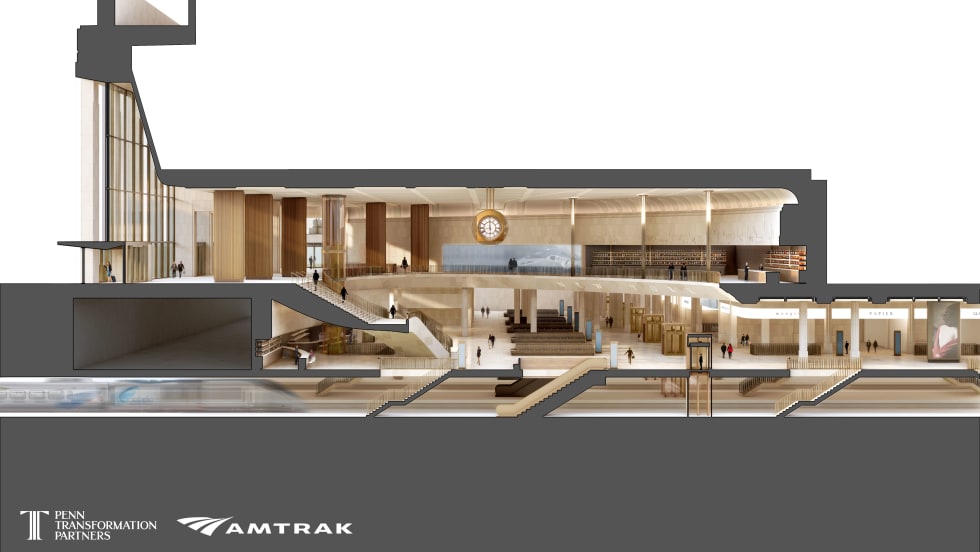
Penn Station Transformation Advances with Design Unveiling
The historic redesign will transform the busiest transit hub in the Western Hemisphere from the tracks to the street level, creating a more efficient, cleaner, and functional experience for more than 600,000 daily commuters and millions of visitors.
Read More →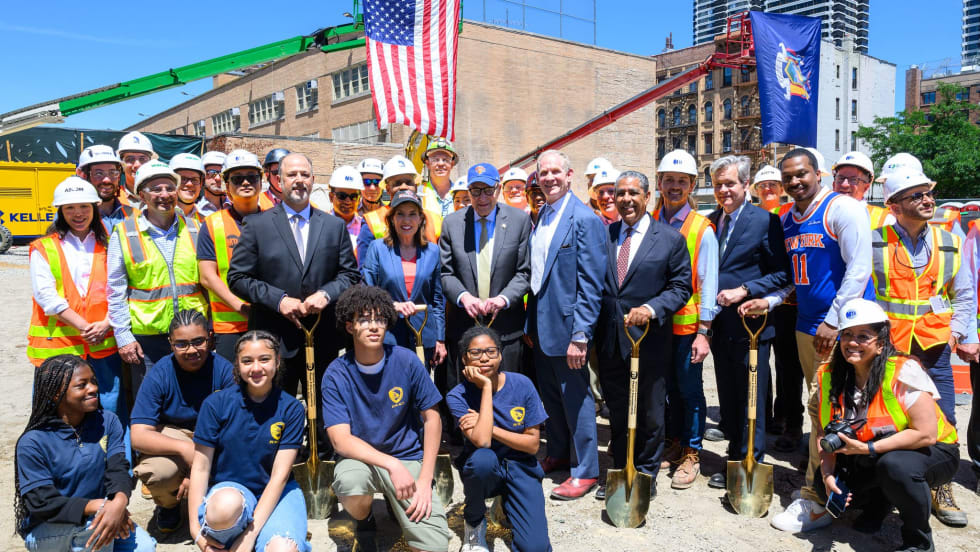
Second Avenue Subway Phase 2 Advances into Major Construction Stage
New York Governor Kathy Hochul joined leadership from the MTA, elected officials, and Harlem community leaders to break ground on the major construction stage of the transformative Second Avenue Subway Phase 2 project.
Read More →
The Invisible Infrastructure of Passenger Flow
What a seat reservation system on Austria’s Railjet trains reveals about the future of rider experience, and why U.S. agencies should pay attention.
Read More →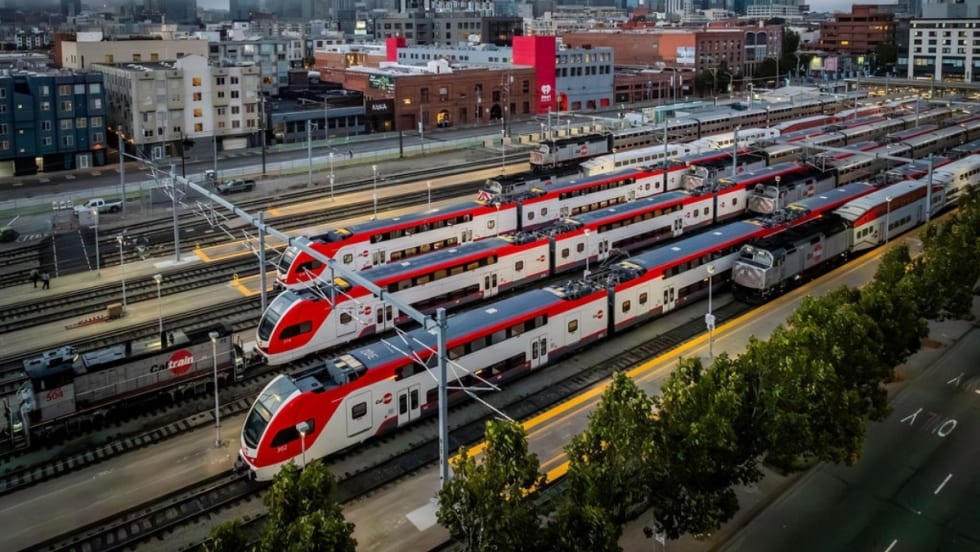
Caltrain Board Approves FY27 Budget, Endorses Efficiency Measures
The move ensures Caltrain service will continue operating as usual in the near term, but long-term financial challenges remain for the rail agency absent a new revenue source.
Read More →
Alstom Acquires Delaware Site to Support Amtrak NextGen Acela Fleet
The company is investing more than $55 million to acquire and improve the property and will employ approximately 100 people at this site once it is operational.
Read More →
When Routine Fails: How Public Transit Must Adapt for the World Cup
The 2026 FIFA World Cup will test transit agencies’ ability to manage unpredictable travel patterns, making real-time data and operational flexibility critical to moving millions of visitors efficiently.
Read More →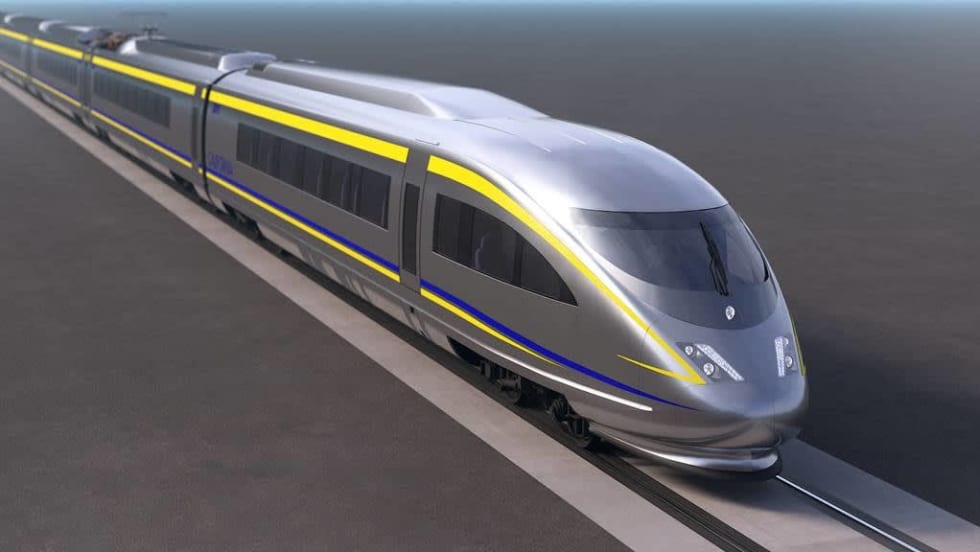
California Selects Team for Nation’s First True High-Speed Rail Track and Systems Contract
The board action follows completion of track installation at the 150-acre southern railhead in Kern County, which will serve as the staging and distribution hub for high-speed track and systems installation.
Read More →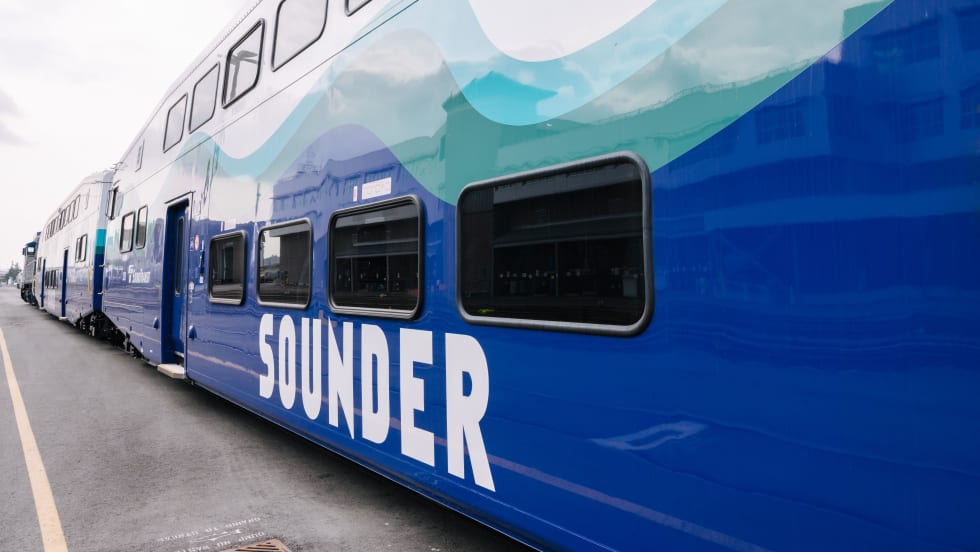
Seattle's Sound Transit Launches New Sounder Railcars into Service
Alstom manufactured all the cars under a $46.5 million contract and came into service in anticipation of summer crowds for soccer and baseball.
Read More →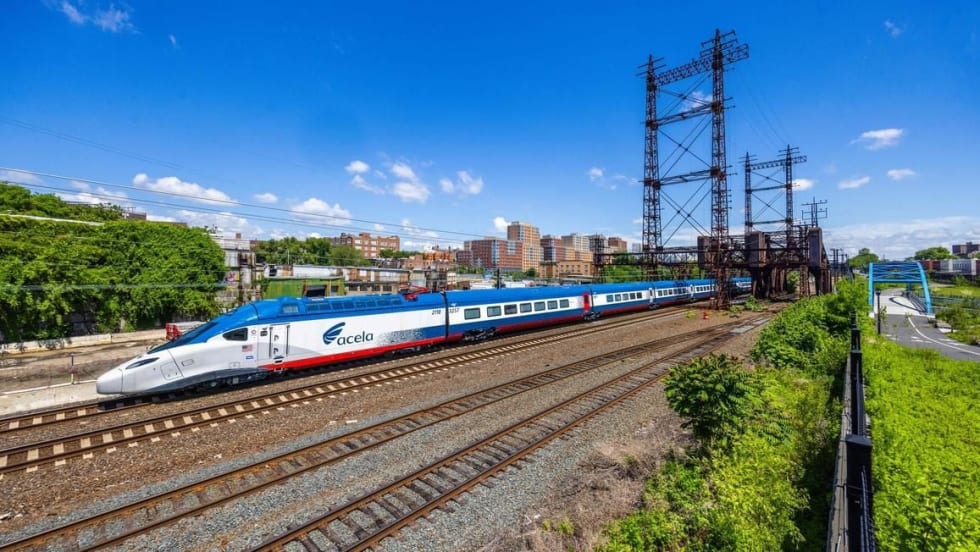
Alstom Partners With Universities to Build Rail Talent Pipeline
The partnerships include a new engineering scholarship fund at Alfred State College in Western New York and collaborations with transportation centers at the University of Pennsylvania and New York University.
Read More →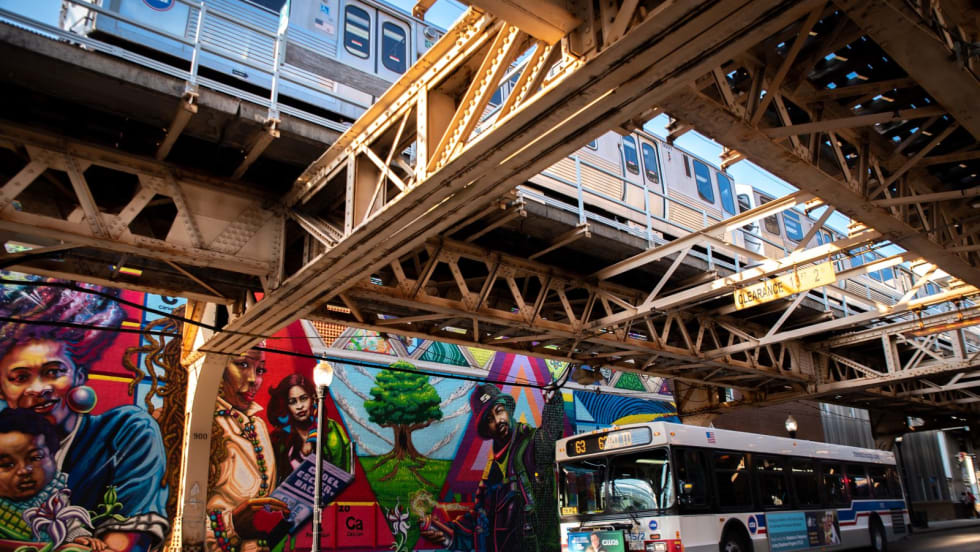
Chicago's NITA Act Moves Into Next Phase as Service Improvements Begin
Rider-focused improvements will begin rolling out across the system immediately as CTA, Metra, and Pace increase service this summer in the six-county region.
Read More →