



LaHood, Rogoff call for streamlined NEPA process
The FTA anticipates that for certain transit projects, the streamlined review process would be five times faster, making it the most efficient it has been in 20 years.

Responding to President Obama's call for federal agencies to speed infrastructure development through more efficient environmental reviews, U.S. Transportation Secretary Ray LaHood and Federal Transit Administrator Peter Rogoff announced they are proposing common-sense changes that would significantly cut red tape for certain transit projects under the National Environmental Policy Act (NEPA) and dramatically speed some projects towards completion.
"The President has asked us to find new ways to make our government work smarter on behalf of the American people by cutting waste and inefficiency wherever we find it," said Secretary LaHood. "The changes we're proposing will allow us to still carefully assess the impact of transit development on the environment, while reducing the time and energy needed to green-light good projects that clearly do not have a significant impact on the environment."
The Federal Transit Administration (FTA) anticipates that for certain transit projects, the streamlined NEPA review process would be five times faster, making the NEPA process the most efficient it has been in 20 years. The time-savings would be due, in part, to allowing certain types of transit projects that clearly do not have a significant impact on the local environment — such as projects to be built within an existing right-of-way where transit or other transportation already exists — to potentially undergo a less intensive NEPA evaluation, while still providing for a more thorough review of projects that do have the potential for significant environmental impacts. For qualified projects, less documentation would need to be submitted, and project sponsors and state and regional transportation authorities would be encouraged to take environmental impacts into consideration sooner, as part of the planning process.
"This new NEPA process would help provide transportation solutions to communities more quickly by potentially shaving more than a year off of the environmental review process for some projects," said Rogoff. "The bottom line is that project sponsors would be able to spend less time and effort guiding projects through a maze of paperwork and more time building projects that will provide a real alternative to ever-increasing fuel costs."
The proposed changes would boost transparency of the NEPA process by encouraging the posting of all environmental impact statements and environmental records of decision on a grant applicant's project website - and maintaining that information until a project is constructed and operating.
A Notice of Proposed Rulemaking on "Environmental Impact and Related Procedures" appeared in the recent Federal Register. A 60-day public comment period follows.
This is the second effort to cut red tape undertaken by the FTA this year. In January, the FTA announced a proposed rulemaking to streamline the way major transit projects compete for federal funds.
More Bus
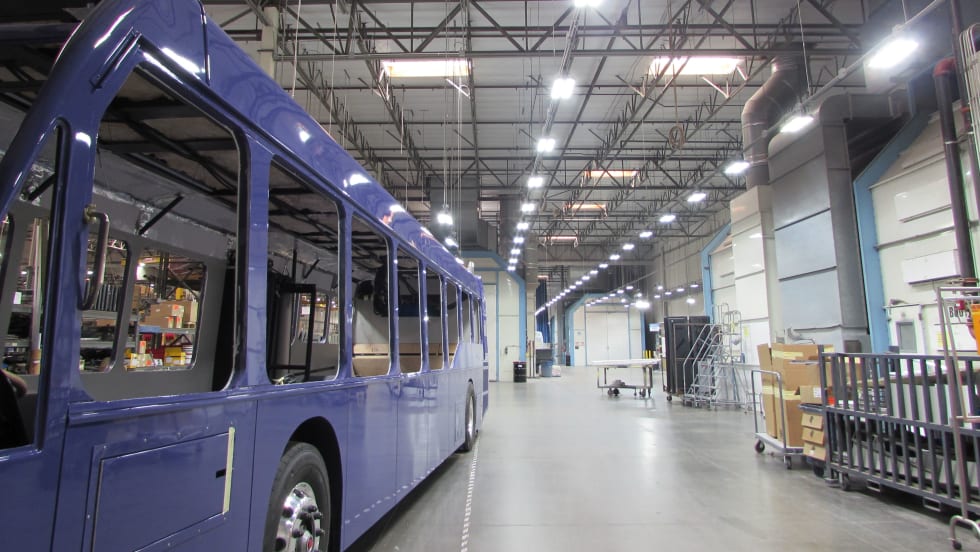
ENC to Deliver Three Clean Diesel Buses to Canada's York Region Transit
Since 2005, City View and ENC have supplied nearly 90 E-Z Rider II buses to YRT.
Read More →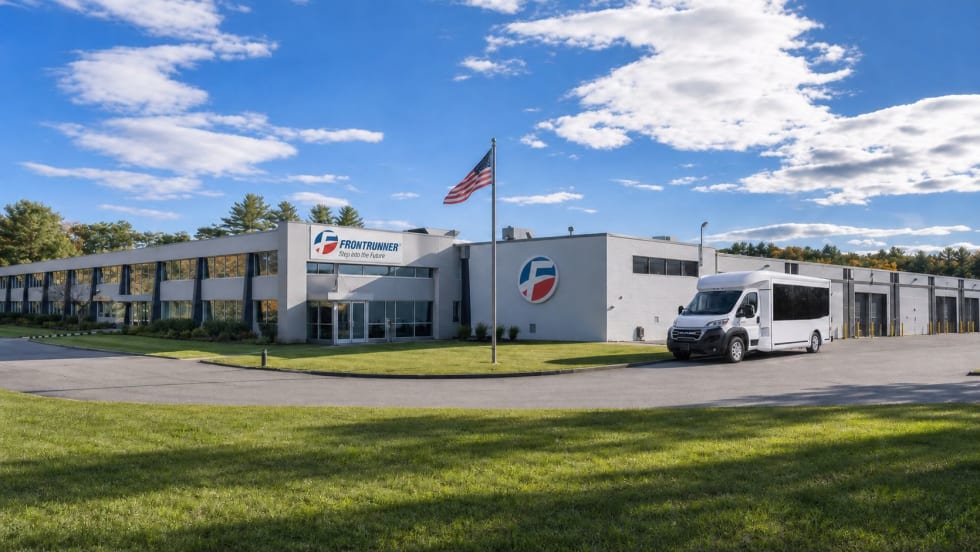
Frontrunner Bus Group Expands with New Massachusetts Headquarters
The significantly larger facility will provide the infrastructure needed to support the company’s growing workforce, advanced technologies, and expanding product line.
Read More →
Joshua Schank on Transportation Innovation, Risk, and the Future of Mobility
In this edition of METROspectives, Joshua Schank discusses lessons from launching LA Metro’s Office of Extraordinary Innovation, the challenges of advancing new mobility technologies, and much more.
Read More →
Reinventing Fleet Maintenance with Real-time Visibility and AI
Transit leaders need to know what needs fixing, where to look, who is responsible, when work is completed, and what it costs without having to chase information across disconnected systems.
Read More →
SamTrans Sets Priorities for Potential Connect Bay Area Revenue
The board-approved framework allocates future funding to maintaining service, rider improvements, equity initiatives, and infrastructure repairs.
Read More →
When Routine Fails: How Public Transit Must Adapt for the World Cup
The 2026 FIFA World Cup will test transit agencies’ ability to manage unpredictable travel patterns, making real-time data and operational flexibility critical to moving millions of visitors efficiently.
Read More →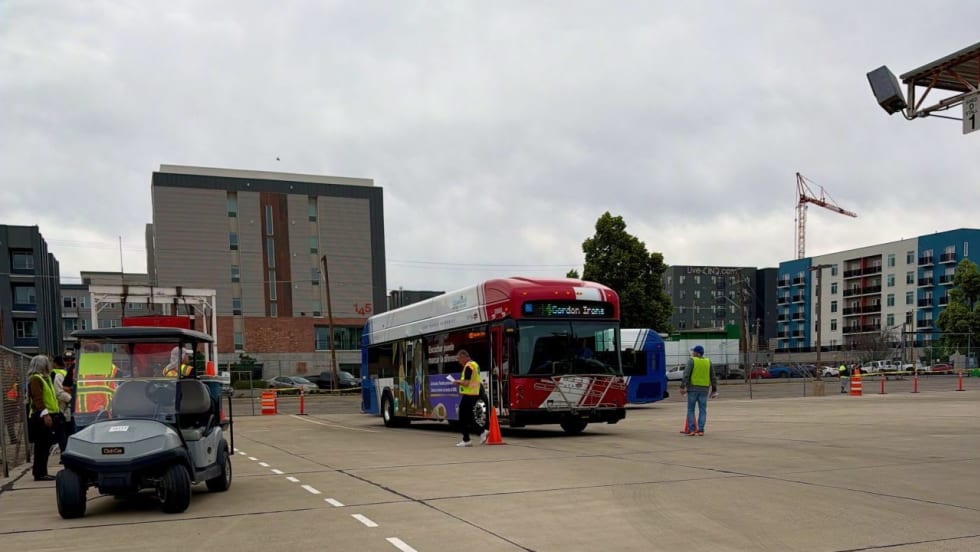
Photo Highlights from APTA's 2026 Mobility Conference
The photo gallery captures scenes from the conference, including the International Bus Roadeo, exhibit hall activities, the Bus Showcase, and much more.
Read More →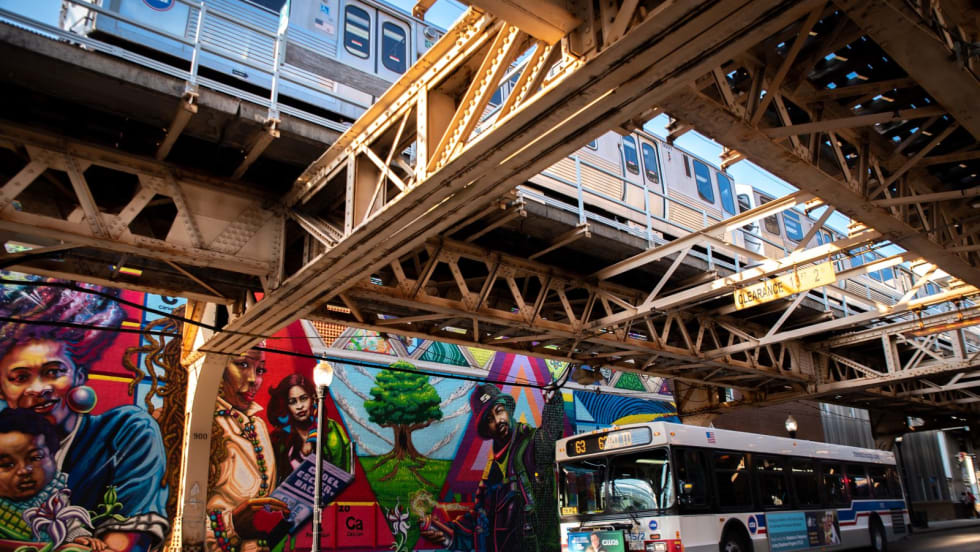
Chicago's NITA Act Moves Into Next Phase as Service Improvements Begin
Rider-focused improvements will begin rolling out across the system immediately as CTA, Metra, and Pace increase service this summer in the six-county region.
Read More →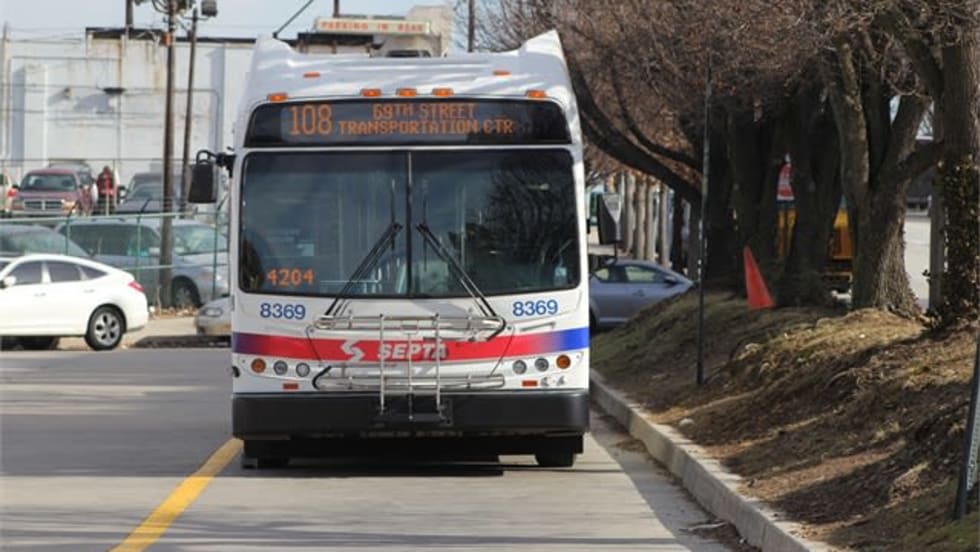
Philadelphia's SEPTA Approves Annual Transit Service Plan
Between 2021 and 2024, SEPTA held more than 200 public meetings — including 144 in-person sessions — throughout the SEPTA service region.
Read More →
A True Low-Floor Minibus Design Delivers Better Accessibility and Efficiency for Everyone
As transit demands evolve, so should your fleet. Download the whitepaper to see how the Low-Floor Frontrunner Minibus compares to traditional options.
Read More →