



Web Extra: Has your U. transit system employed new green practices?
Operators from Utah, Colorado, Illinois and Virginia weighed in on their conversions to alternative fuel to go greener and reduce noise pollution.

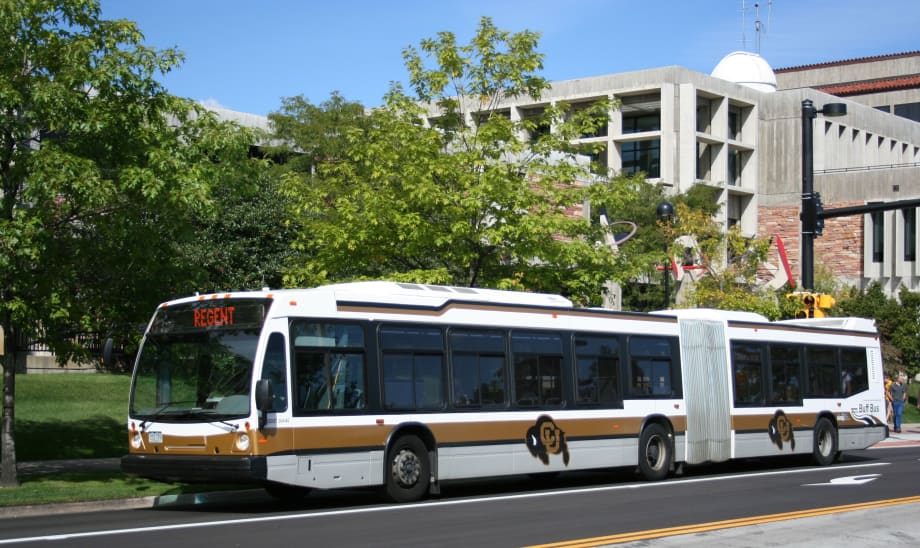
It looks like fueling conversion is the way to go for many university transit systems to not only reduce their carbon footprint but noise pollution as well. We asked operators about any green practices they recently implemented.
Here are their responses:

“One of our biggest accomplishments, in my opinion, is we were one of the first institutions of higher education to convert all of our transit, our bus fleet, to biodiesel, B20. There was another university that started it but we were the first one to do the whole fleet. We have continued the practice from 2003 to present. With our last new bus punches we switched from the traditional hydraulic radiator cooling fans to an electric fan. This change generated an additional 10% in fuel reduction.”
Bryan Flansburg, director of transportation services, Buff Bus
University of Colorado Boulder
Boulder, Colo.
“The electric shuttle is under way…that’s probably a year from now. We are also converting all of our diesel fleet to compressed natural gas. That will significantly lower our carbon footprint. We’re about one-third of the way through it. We basically have to pay for these through parking permits fees and things like that so it takes us a while. We usually buy about two shuttles a year, and we’ve got a fleet of about 28 shuttles. About eight of them are now converted over.”
Alma Allred, director, university community services
University of Utah
Salt Lake City
“MTD has added hybrid diesel-electric 60-foot buses to its fleet providing service to the University of Illinois campus. Now, 25% of the 60-foot fleet are hybrids, and future vehicles purchased will also be hybrids. In addition to saving fuel, hybrids generate lower levels of pollutants and are significantly quieter, reducing noise pollution. MTD will be participating in a Go Green on Green Street event in April to encourage use of public transportation and bicycling.”
Jan Kijowski, marketing director
Champaign-Urbana Mass Transit District
Urbana, Ill.
“Our shuttles have now all been transformed over to propane. We have five university vans and five shuttle buses. We went through the conversion process last summer.”
Natalia Green, director of parking services
University of Richmond, Va.
Richmond, Va.
More Technology
Biz Briefs: Masabi Partners with LANTA and More
In this edition, we spotlight the latest developments shaping the future of mobility.
Read More →
Joshua Schank on Transportation Innovation, Risk, and the Future of Mobility
In this edition of METROspectives, Joshua Schank discusses lessons from launching LA Metro’s Office of Extraordinary Innovation, the challenges of advancing new mobility technologies, and much more.
Read More →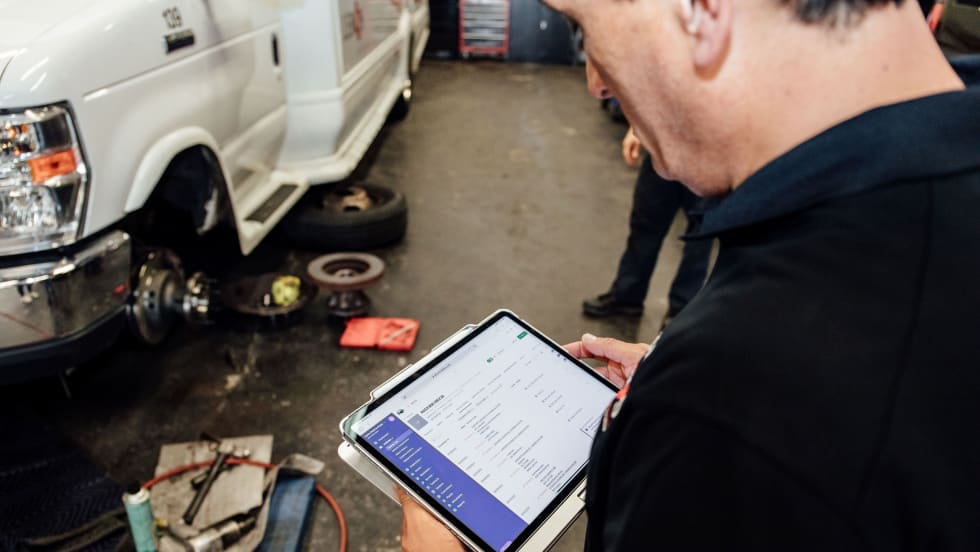
Reinventing Fleet Maintenance with Real-time Visibility and AI
Transit leaders need to know what needs fixing, where to look, who is responsible, when work is completed, and what it costs without having to chase information across disconnected systems.
Read More →
Alstom Acquires Delaware Site to Support Amtrak NextGen Acela Fleet
The company is investing more than $55 million to acquire and improve the property and will employ approximately 100 people at this site once it is operational.
Read More →
ABA's Ferguson Testifies in Support of BUS Act, National Standards for Bus Operators
The BUSES Act would create a nationwide framework preventing state and local governments from enforcing bus idling restrictions of less than 15 minutes, a threshold consistent with existing Environmental Protection Agency guidance.
Read More →
When Routine Fails: How Public Transit Must Adapt for the World Cup
The 2026 FIFA World Cup will test transit agencies’ ability to manage unpredictable travel patterns, making real-time data and operational flexibility critical to moving millions of visitors efficiently.
Read More →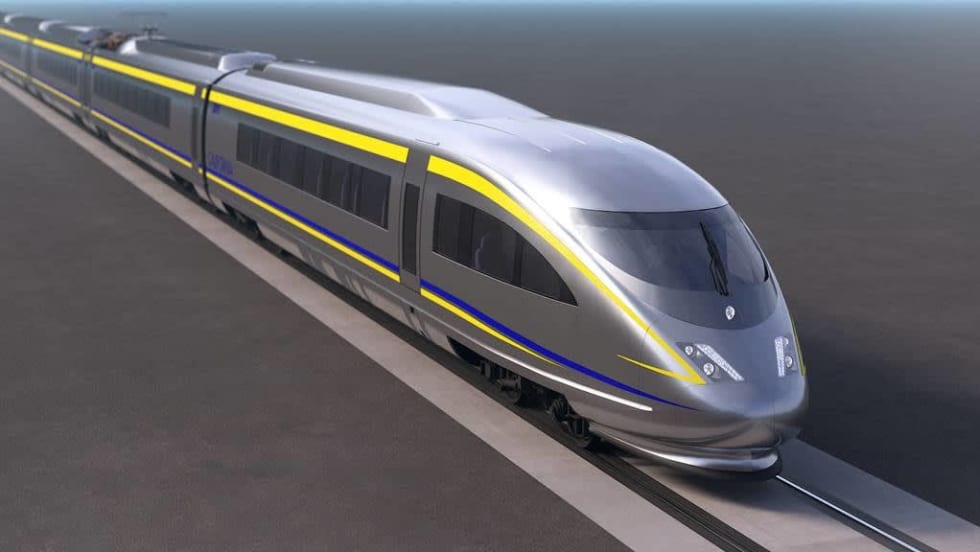
California Selects Team for Nation’s First True High-Speed Rail Track and Systems Contract
The board action follows completion of track installation at the 150-acre southern railhead in Kern County, which will serve as the staging and distribution hub for high-speed track and systems installation.
Read More →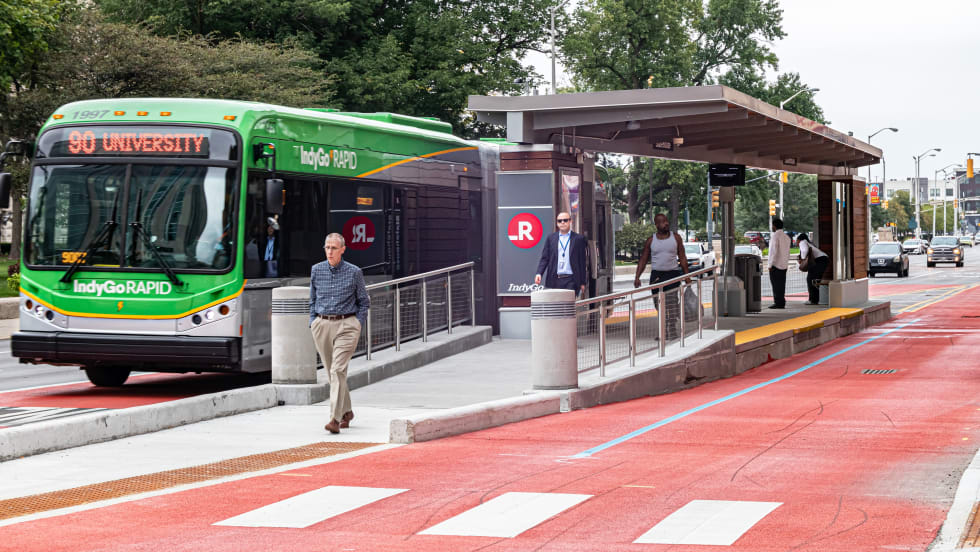
IndyGo, Cleveland RTA Expand Digital Fare Payment Options with Masabi
The new systems combine mobile apps, smart cards, and automatic fare capping to simplify payments, expand flexibility, and help riders access the lowest available fares.
Read More →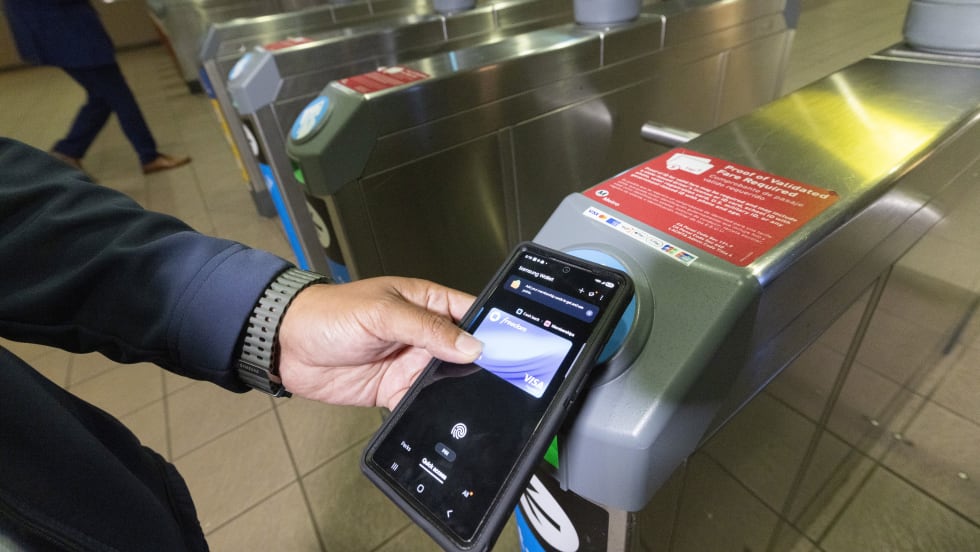
LA Metro Launches New Mobile App, Contactless Payment Options
Available on Metro and at 26 TAP-participating transit agencies, the system reduces waiting times, speeds boarding, and improves convenience systemwide, said the agency.
Read More →
Joshua Schank on Transportation Innovation, Risk, and the Future of Mobility
In this edition of METROspectives, the co-author of New Tricks for Old Bureaucracies, discusses lessons from launching LA Metro’s Office of Extraordinary Innovation, the challenges of advancing new mobility technologies, and much more.
Read More →