



Connecticut breaks ground on first BRT line
The 9.4-mile line will include 11 stations in New Britain, Newington, West Hartford and Hartford, with buses running every three to six minutes during peak commuting hours.

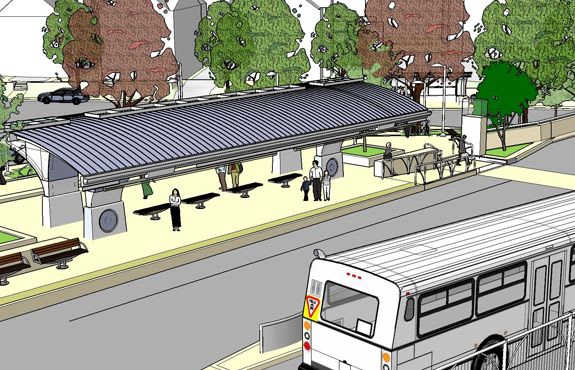
Rendering of the future Parkville Station in Hartford, looking north.
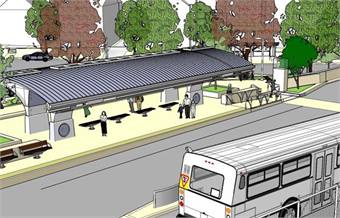
Rendering of the future Parkville Station in Hartford, looking north.
Federal, state and local officials held a ceremonial groundbreaking
for Connecticut’s first bus rapid transit system, CTfastrak, in Hartford on Tuesday.
The 9.4-mile line will include 11 stations in New Britain, Newington, West Hartford and Hartford, with buses running every three to six minutes during peak commuting hours.
“The busway is an important part of Connecticut’s overall investment
in transportation,” said Connecticut Gov. Dannel P. Malloy. “For years Connecticut public transit has languished — outdated systems and antiquated infrastructure have slowed travelers, commuters and commerce. With the investment in bus rapid transit, putting new railcars in service in southern Connecticut and moving forward to build interstate high speed rail, we are well on our way to turning the page on years of neglect.”
CTfastrak is being constructed on an abandoned railroad corridor from
New Britain to Hartford Union Station alongside the active Amtrak
rail right of way. Buses will operate from approximately 4:30 a.m. to
1:30 a.m. In addition to regular service, express bus services from west
of New Britain will use CTfastrak to improve service and travel times
between New Britain and Hartford by way of a dedicated bus exit onto
CTfastrak from Interstate 84/Route 72.
Buses will also use the 9.4-mile corridor to provide direct service to major employment sites such as the UConn Medical Center, Westfarms Mall, Central Connecticut State University, and throughout downtown New Britain and Hartford.
The federal government will cover $455 million of the $567 million
project cost, with the remaining $112 million coming from the
state. Service is expected to begin in late 2014. An estimated 4,000
construction jobs and at least 100 permanent jobs will result.
The first construction segment of the project will begin on a 5.8-mile
stretch that begins near Cedar Street, Newington and runs north to
Sigourney Street, Hartford. The $130 million contract for this segment
also includes the construction of seven stations, a new $19.9 million
bridge at Flatbush Avenue in West Hartford and the construction of a
new gravel maintenance road for Amtrak.
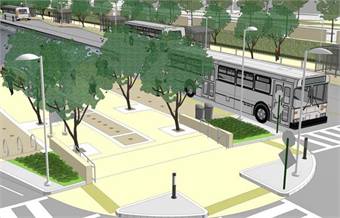
Rendering of the future Downtown New Britain Station, southeast view of central platform.
CTfastrak will link all local routes in the New Britain and Hartford
areas. With express and feeder routes that directly access the dedicated
roadway, the CTfastrak system will benefit a large geographic area and
provide a one-seat, no transfer ride to regional employment, shopping
and healthcare destinations.
Eleven landscaped transit stations along the way will enhance local
communities with increased access and development opportunities.
A five-mile multi-use trail for pedestrians and cyclists offers more
transportation choices.
Service goes well beyond the dedicated roadway, connecting to more than 110 miles of local and express transit routes and the interstate rail system, with destinations throughout the entire region – from New Haven to Springfield, Waterbury and beyond.
More Bus
The Business Voice Behind Public Transportation
As chair of APTA’s Business Members Board of Governors, Ray Melleady explains how more than 850 business members are partnering with transit agencies to advance funding, innovation, and industry-wide collaboration.
Read More →
From Surviving to Thriving: Building Stronger Transportation Organizations
Bus Business Consultants founder Brian Dickson shares lessons on leadership, organizational health, and creating options for long-term success in a changing transportation industry.
Read More →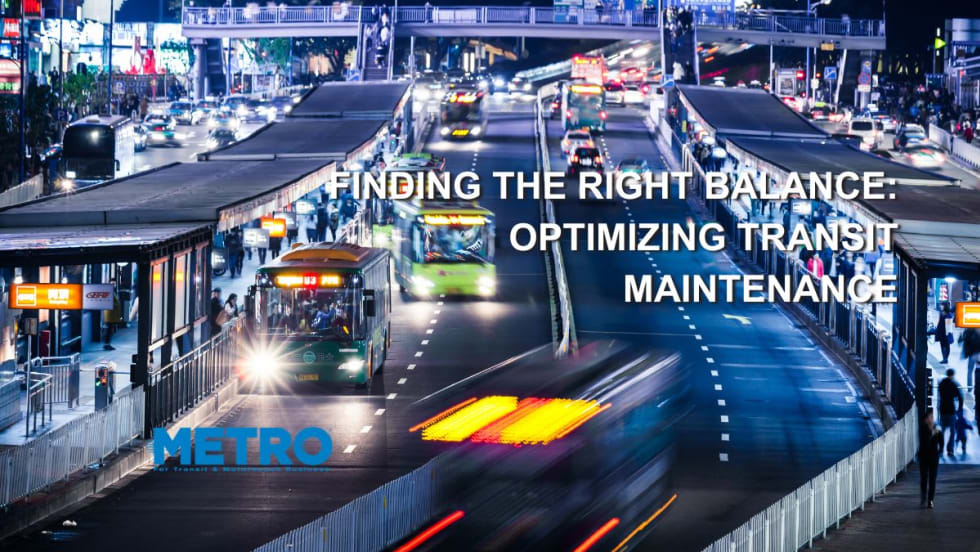
Finding the ‘Happy Medium’: Optimizing Maintenance Without Sacrificing Reliability
The key to maintenance optimization isn’t doing less work—it’s doing the right work at the right time on the right assets.
Read More →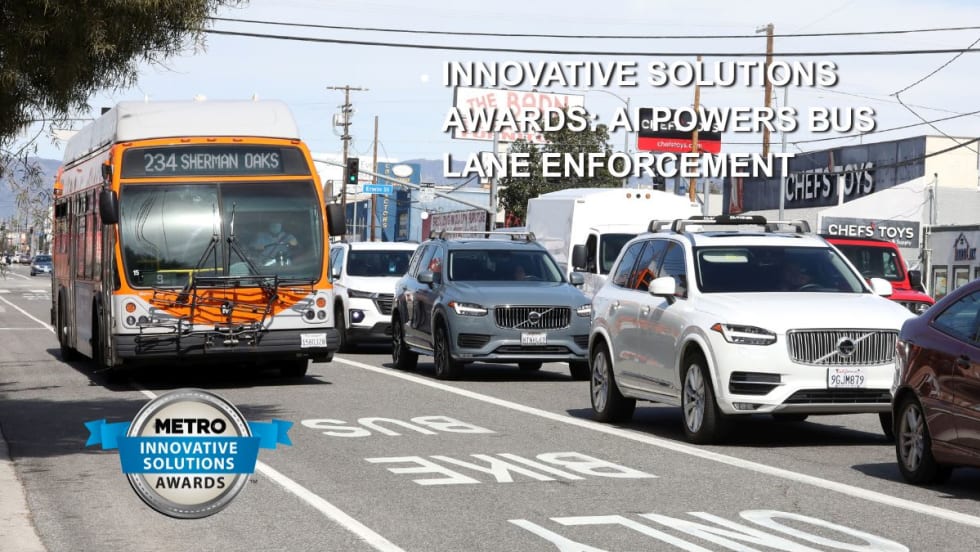
LA Metro, City of West Hollywood, and Partners Advance Smarter Bus Lane Enforcement
The award-winning partnership combines AI-powered detection with human oversight to improve bus reliability, accessibility, and enforcement efficiency.
Read More →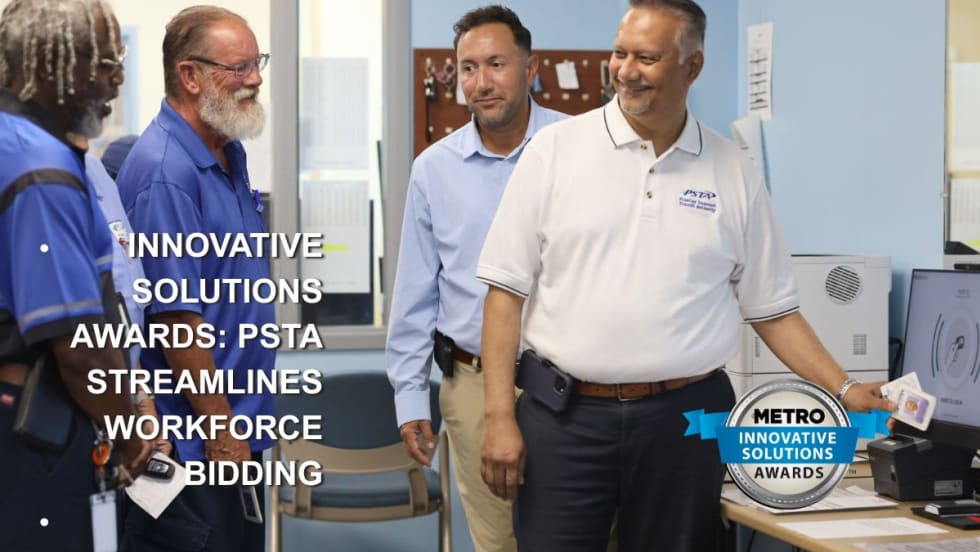
PSTA Modernizes Workforce Management with Digital Bidding System
The award-winning Workforce Transit Modernization project replaced paper bidding with a transparent digital platform, cutting administrative effort while improving access for operators.
Read More →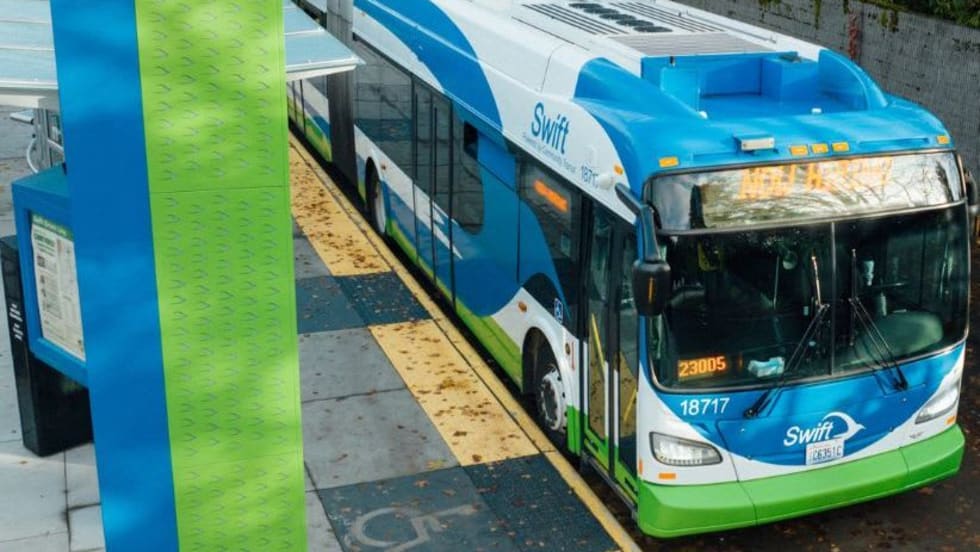
Washington's Community Transit Sets Six-Year Roadmap for Growth, Expansion
Approved TDP targets more bus service, new mobility options, Swift BRT expansion, and a potential Everett Transit annexation.
Read More →
DART Customer Satisfaction Reaches Six-Year High
Overall satisfaction rose to 74.9%, while the agency’s Net Promoter Score reached a record 33.7.
Read More →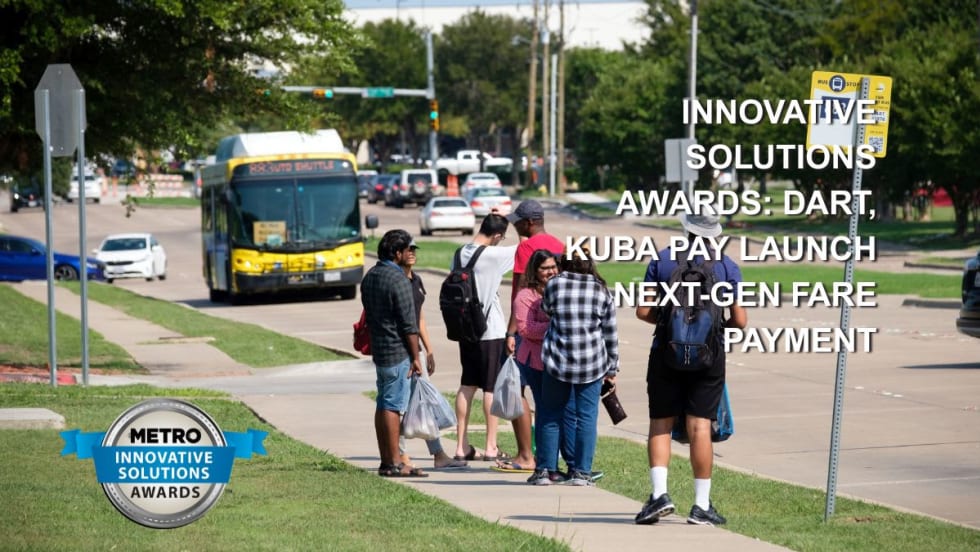
How DART's GoPass Is Redefining Regional Mobility
Serving 14 transit agencies, GoPass simplifies multimodal travel by allowing riders to plan, pay for, and manage an entire trip through one app.
Read More →
Biz Briefs: OCTA Taps Clean Energy for Hydrogen Station, Stadler to Supply Via Rail Vehicles, and More
From manufacturers and suppliers to transit agencies and motorcoach operators, these updates offer a snapshot of the projects, partnerships and business moves driving the industry forward.
Read More →
METRO Magazine Announces 2026 Innovative Solutions Awards Winners
Projects Recognized for Advancing Mobility Through Technology, Accessibility, Workforce Innovation, and Operational Excellence
Read More →