



NJ Transit unveils ‘Bus Service Optimization’ initiative
Designed to optimize the agency’s bus operations for sustained, long-term growth, while also reinvesting critical resources to expand and enhance bus service within key transportation corridors. The plan forecasts more than $3 million in annual operation savings.

NJ Transit Executive Director James Weinstein unveiled a plan designed to optimize the agency’s bus operations for sustained, long-term growth, while also reinvesting critical resources to expand and enhance bus service within key transportation corridors.
“A measurable result of NJ Transit’s successful Scorecard initiative, Bus Service Optimization will ensure that NJ Transit uses its limited resources to provide the best service to the most customers all while holding the line on fares,” said Weinstein.
NJ Transit’s proposed Bus Service Optimization initiative resulted from extensive examination of each of NJ Transit’s existing bus routes. As part of this process, the bus routes were broken down into 17 groupings or geographic markets and reviewed using 20 separate metrics, including customers per hour, fare box recovery and subsidy per customer. The proposed initiative will go before the public in June, when two public hearings will be held in Newark and Wayne to solicit public input.
As a result of extensive study and analysis, NJ Transit’s Bus Service Optimization initiative forecasts more than $3 million in annual operation savings. These savings will be reflected in the upcoming Fiscal Year 2013 budget and will be utilized to help keep fares stable for the nearly 250 million customers who utilize NJ Transit services on an annual basis.
Of this savings, NJ Transit will be immediately reinvesting more than $1.02 million to expand and enhance bus service within the City of Newark, in addition to key corridors between Newark, Newark Airport and Elizabeth.
This reinvestment of savings will be reflected in:
• The restructuring of Route No. 62 (Newark-Woodbridge-Perth Amboy) into two separate routes, allowing for the creation of 24/7 service between the heavily-travelled Newark-Newark Airport and Elizabeth Corridor. Optimization reinvestment will increase bus service reliability, balance resources and help spur job access at the airport.
• The extension of Route No. 99 (Newark-Hillside Cross-town) to the Branch Brook Park Newark Light Rail Station. Reinvestment will provide Newark residents and employees with connections to more than a dozen routes and access to the light rail system. It will also improve service to major medical facilities, schools and universities.
• Eleven bus routes were reviewed for adjustment following this comprehensive process. These routes are either largely underutilized, or directly compete with NJ Transit rail or light rail services. These routes average 16 customers per trip, in comparison to the system-wide average of 35. For these 11 separate routes, most customers will not be significantly impacted, as system access remains available with reasonable alternatives. In some cases, customers may need to walk a reasonable distance to access service, or be subject to a two-seat ride instead of a one-seat ride.
More Bus

More Than a Summer Job: Building the Next Generation of Transit Talent
The Delaware River Port Authority and PATCO have transformed their internship program into a hands-on professional development experience that introduces students to the breadth of transportation careers — and creates a pipeline for future employees.
Read More →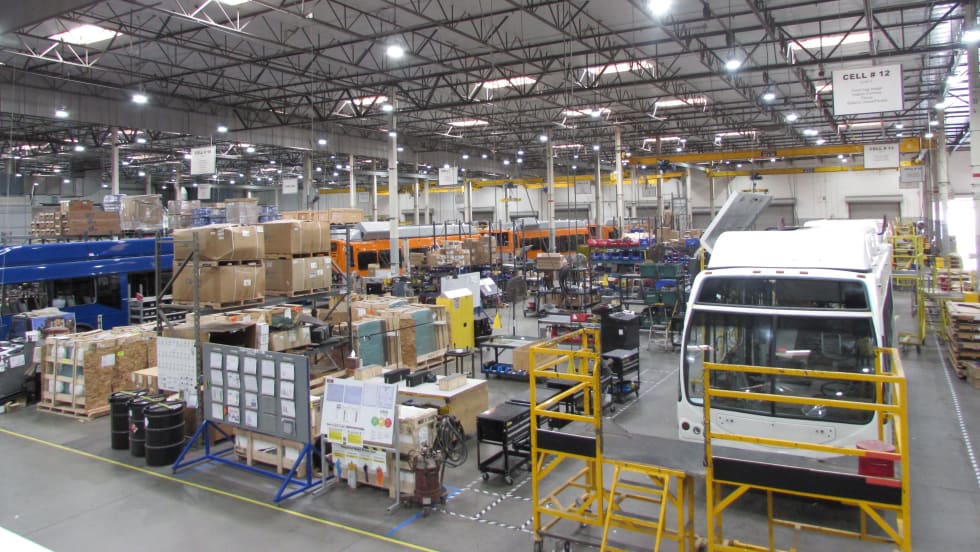
LA Metro Board Awards 220 Battery-Electric Bus Contract to ENC
The contract, which is the largest base award of battery-electric buses by a U.S. transit agency, will be built in Southern California, sustaining good jobs as LA prepares to welcome the world in 2028
Read More →
Public Transit Conference Returning to GFX in 2027, Call for Papers Now Open
The Call for Papers is now open, allowing transit agency professionals and industry experts to help shape the PTC educational program by submitting session ideas for consideration.
Read More →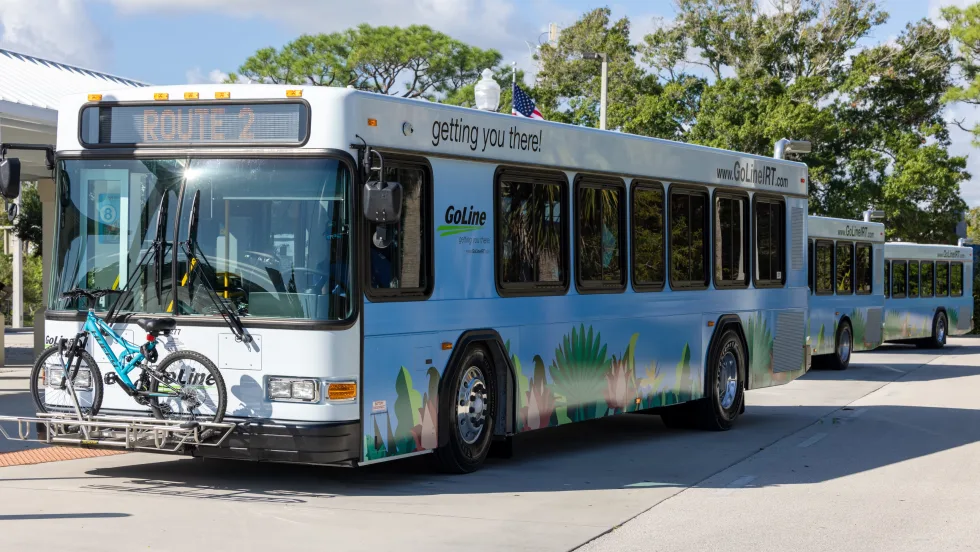
Indian River Transit’s Community-Focused Approach Earns National Recognition
Named APTA’s 2026 Outstanding Public Transportation System in its size category, Florida’s Indian River County transit system continues to grow ridership through fare-free service and a focus on evolving community needs.
Read More →
ENC Lands MATA Contract and More in Biz Briefs
In this edition of Biz Briefs, we spotlight the latest developments shaping the future of mobility.
Read More →
From Surviving to Thriving: Building Stronger Transportation Organizations
Bus Business Consultants founder Brian Dickson shares lessons on leadership, organizational health, and creating options for long-term success in a changing transportation industry.
Read More →
Everett Transit, Community Transit Outline Consolidation Agreement
The proposed agreement calls for a 50% increase in bus service in Everett, a new microtransit zone, continued paratransit service, and the transfer of Everett Transit operations to Community Transit.
Read More →
SEPTA Details Accelerate Vision for Transit System
The plan outlines investments in trolley modernization, new Metro and Regional Rail vehicles, accessible stations, and more frequent bus and rail service.
Read More →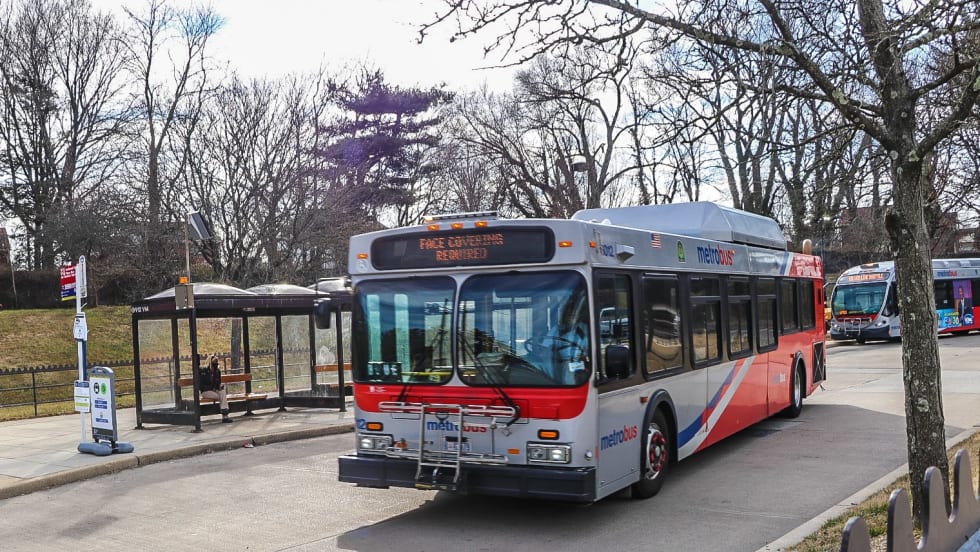
Report: Transit Bus Manufacturing Supports 34,100 Jobs, $5.1B in GDP
The “Buses Mean Business” report examines the transit bus manufacturing industry’s economic footprint, supply chain, and rising demand for vehicle replacements.
Read More →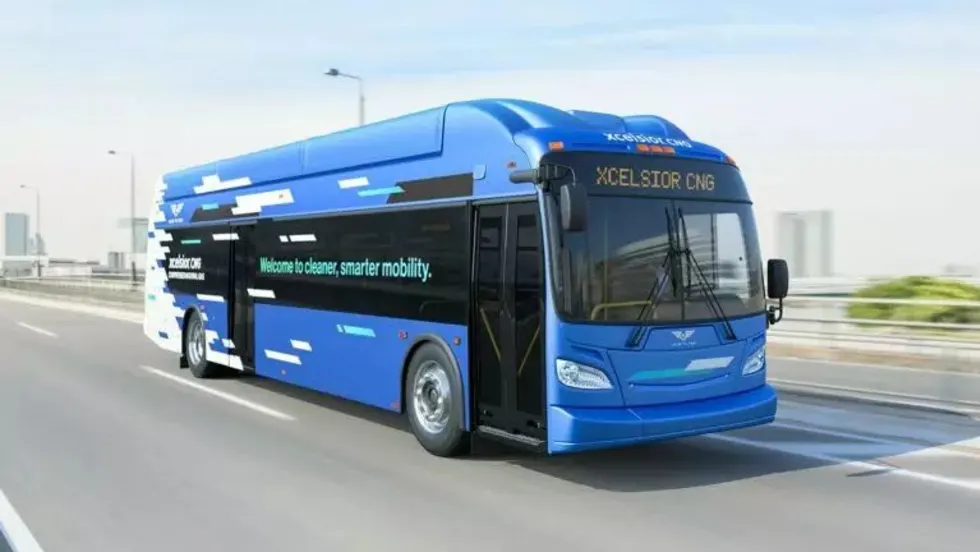
Biz Briefs: New Flyer Delivers in Columbus, Houston, Beep and Freebee Merge, and More
In this edition of Biz Briefs, we spotlight the latest developments shaping the future of mobility.
Read More →