



Project to attempt building clean passenger locomotive
The locomotive will run on torrefied biomass (biocoal), a biofuel created through an energy-efficient processing of cellulosic biomass. Biocoal exhibits the same energy density and material handling properties as coal, but unlike coal, it is carbon neutral, contains no heavy metals, and produces less ash, smoke and volatile off-gases.

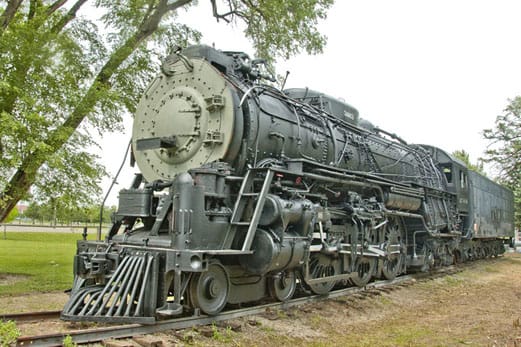
Photos of locomotive 3463 after (pictured) and before (below) SRI's cosmetic restoration and stabilization. Courtesy of Coalition for Sustainable Rail.

Plans to create the world's first carbon-neutral higher-speed locomotive were announced by the Coalition for Sustainable Rail (CSR), a collaboration of the University of Minnesota's Institute on the Environment (IonE) and the nonprofit Sustainable Rail International (SRI).
CSR draws on the carbon-neutral solid biofuel research expertise of the University of Minnesota and the modern steam mechanical engineering capabilities of SRI to develop the most powerful carbon-neutral locomotive to date.
CSR Project 130 has a simple goal: create the world's cleanest, most powerful passenger locomotive, proving the viability of solid biofuel and modern steam locomotive technology. CSR will put its technology to the test by planning to break the world record for steam locomotive speed, reaching 130 miles per hour and demonstrating the viability of this revolutionary, clean transportation technology.
The locomotive will run on torrefied biomass (biocoal), a biofuel created through an energy-efficient processing of cellulosic biomass. Biocoal exhibits the same energy density and material handling properties as coal, but unlike coal, it is carbon neutral, contains no heavy metals, and produces less ash, smoke and volatile off-gases. Since it exhibits such similar characteristics to coal, biocoal has the potential to revolutionize the way the U.S. generates clean electricity.

Preliminary research shows that CSR's test locomotive will cost less to maintain and less to fuel, and will exhibit greater train handling performance than any diesel-electric locomotives available today. The modern steam locomotive has relied on technology that has been neglected for decades. This is about to change. With the ability to burn biocoal efficiently and without negative impact on the environment, CSR's modern steam locomotive will also exhibit significantly better horsepower output at higher speeds than the current diesel-electric locomotives that pull the majority of passenger trains in the U.S., according to the group.
For more information on the Coalition for Sustainable Rail and CSR Project 130, click here.
More Rail

Penn Station Transformation Advances with Design Unveiling
The historic redesign will transform the busiest transit hub in the Western Hemisphere from the tracks to the street level, creating a more efficient, cleaner, and functional experience for more than 600,000 daily commuters and millions of visitors.
Read More →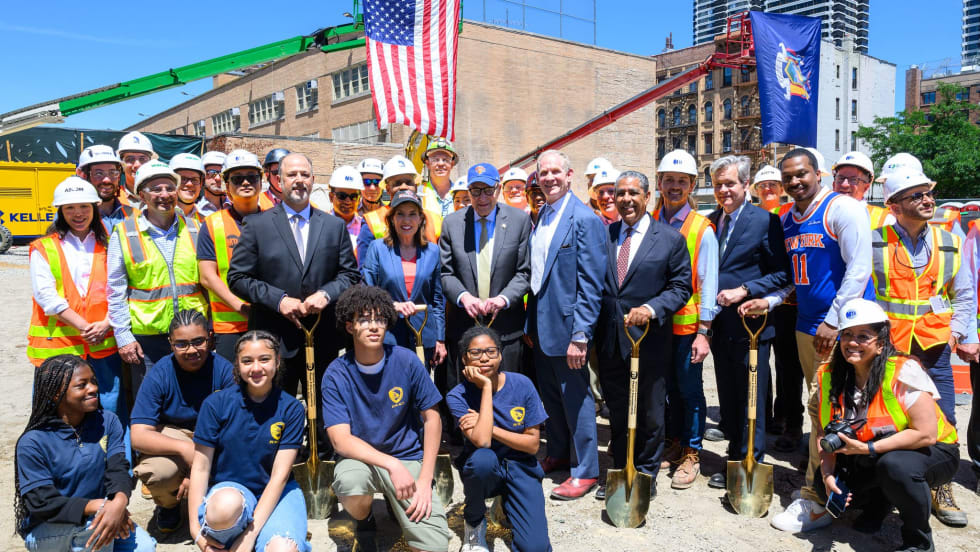
Second Avenue Subway Phase 2 Advances into Major Construction Stage
New York Governor Kathy Hochul joined leadership from the MTA, elected officials, and Harlem community leaders to break ground on the major construction stage of the transformative Second Avenue Subway Phase 2 project.
Read More →
The Invisible Infrastructure of Passenger Flow
What a seat reservation system on Austria’s Railjet trains reveals about the future of rider experience, and why U.S. agencies should pay attention.
Read More →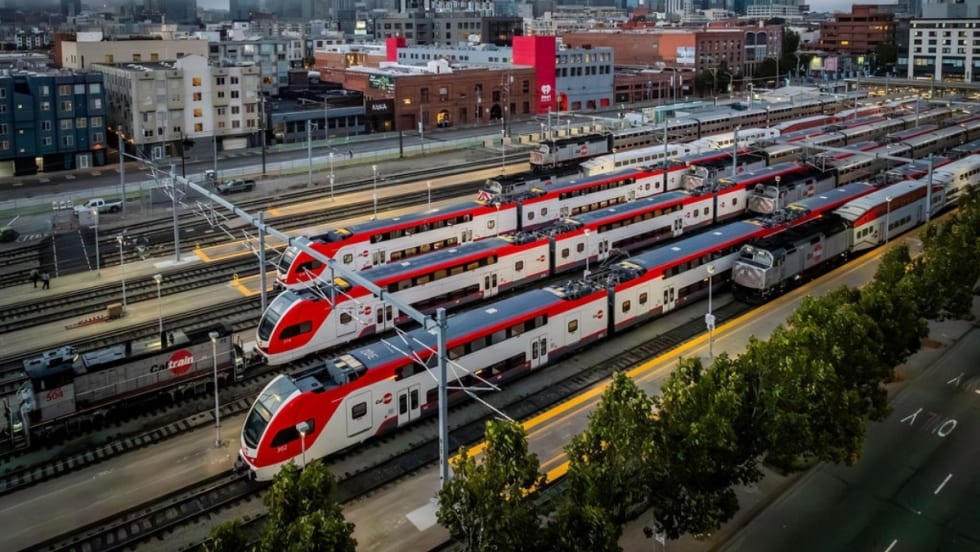
Caltrain Board Approves FY27 Budget, Endorses Efficiency Measures
The move ensures Caltrain service will continue operating as usual in the near term, but long-term financial challenges remain for the rail agency absent a new revenue source.
Read More →
Alstom Acquires Delaware Site to Support Amtrak NextGen Acela Fleet
The company is investing more than $55 million to acquire and improve the property and will employ approximately 100 people at this site once it is operational.
Read More →
When Routine Fails: How Public Transit Must Adapt for the World Cup
The 2026 FIFA World Cup will test transit agencies’ ability to manage unpredictable travel patterns, making real-time data and operational flexibility critical to moving millions of visitors efficiently.
Read More →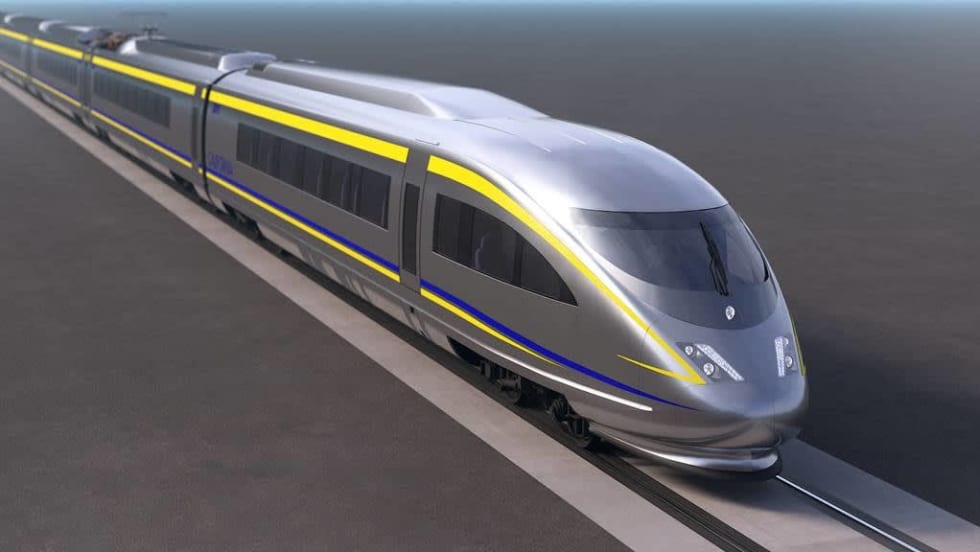
California Selects Team for Nation’s First True High-Speed Rail Track and Systems Contract
The board action follows completion of track installation at the 150-acre southern railhead in Kern County, which will serve as the staging and distribution hub for high-speed track and systems installation.
Read More →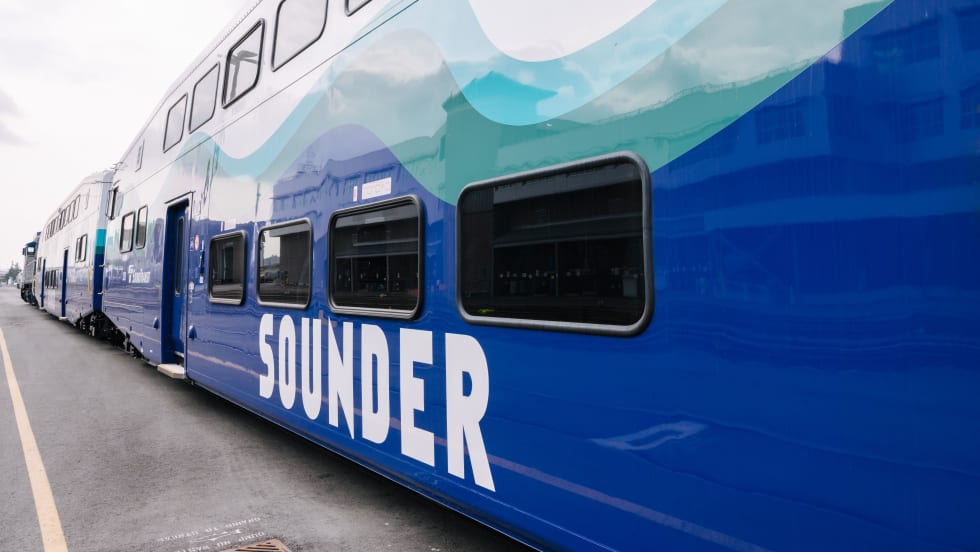
Seattle's Sound Transit Launches New Sounder Railcars into Service
Alstom manufactured all the cars under a $46.5 million contract and came into service in anticipation of summer crowds for soccer and baseball.
Read More →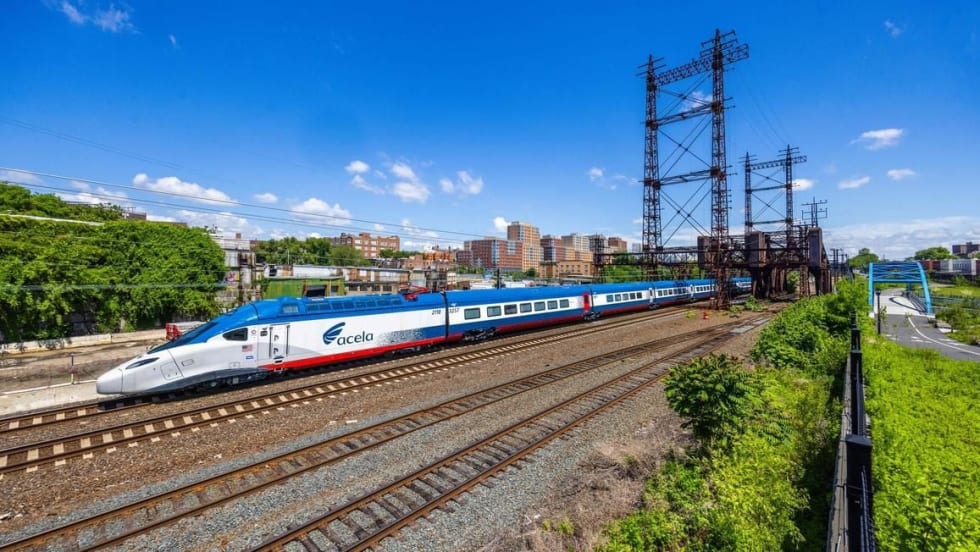
Alstom Partners With Universities to Build Rail Talent Pipeline
The partnerships include a new engineering scholarship fund at Alfred State College in Western New York and collaborations with transportation centers at the University of Pennsylvania and New York University.
Read More →
Chicago's NITA Act Moves Into Next Phase as Service Improvements Begin
Rider-focused improvements will begin rolling out across the system immediately as CTA, Metra, and Pace increase service this summer in the six-county region.
Read More →