



Anti-crash technology pilot launches in Mich.
Conducted by University of Michigan, the road test, or model deployment, is a first-of-its-kind test of connected vehicle technology in the real world.

Nearly 3,000 cars, trucks and buses equipped with “connected” Wi-Fi technology to enable vehicles and infrastructure to “talk” to each other in real time to help avoid crashes and improve traffic flow will begin traversing Ann Arbor, Mich. streets as part of a year-long safety pilot project by the U.S. Department of Transportation (U.S. DOT).
U.S. Transportation Secretary Ray LaHood joined elected officials and industry and community leaders on the University of Michigan campus to launch the second phase of the Safety Pilot, the largest road test to date of connected vehicle crash avoidance technology.
“This cutting-edge technology offers real promise for improving both the safety and efficiency of our roads. That is a winning combination for drivers across America,” said Secretary LaHood.
Conducted by University of Michigan’s Transportation Research Institute (UMTRI), the road test, or model deployment, is a first-of-its-kind test of connected vehicle technology in the real world. The test cars, trucks and buses, most of which have been supplied by volunteer participants, are equipped with vehicle-to-vehicle (V2V) and vehicle-to-infrastructure (V2I) communication devices that will gather extensive data about system operability and its effectiveness at reducing crashes.
According to the National Highway Traffic Safety Administration (NHTSA), V2V safety technology could help drivers avoid or reduce the severity of four out of five unimpaired vehicle crashes. To accomplish this, the model deployment vehicles will send electronic data messages, receive messages from other equipped vehicles and translate the data into a warning to the driver during specific hazardous traffic scenarios. Such hazards include an impending collision at a blind intersection, a vehicle changing lanes in another vehicle’s blind spot or a rear collision with a vehicle stopped ahead, among others.
The model deployment is the second phase of the U.S. DOT’s connected vehicle Safety Pilot, a major research initiative managed by NHTSA and the Research and Innovative Technologies Administration Intelligent Transportation Systems Joint Program Office.
Earlier this year, U.S. DOT released data from a series of “driver acceptance clinics” conducted during the first phase of the Safety Pilot. The study revealed that an overwhelming majority of drivers (9 out of 10) who have experienced V2V technology have a highly favorable opinion of its safety benefits and would like to have V2V safety features on their personal vehicle.
The information collected from both phases of the Safety Pilot and other key research projects will be used by NHTSA to determine by 2013 whether to proceed with additional activities involving connected vehicle technology, including possible rulemaking.
More Bus

Scenes from APTA TRANSform & EXPO 2026
Transit leaders, manufacturers, and industry professionals gathered in Chicago to explore new technologies, share ideas, and discuss the future of public transportation.
Read More →
More Than a Summer Job: Building the Next Generation of Transit Talent
The Delaware River Port Authority and PATCO have transformed their internship program into a hands-on professional development experience that introduces students to the breadth of transportation careers — and creates a pipeline for future employees.
Read More →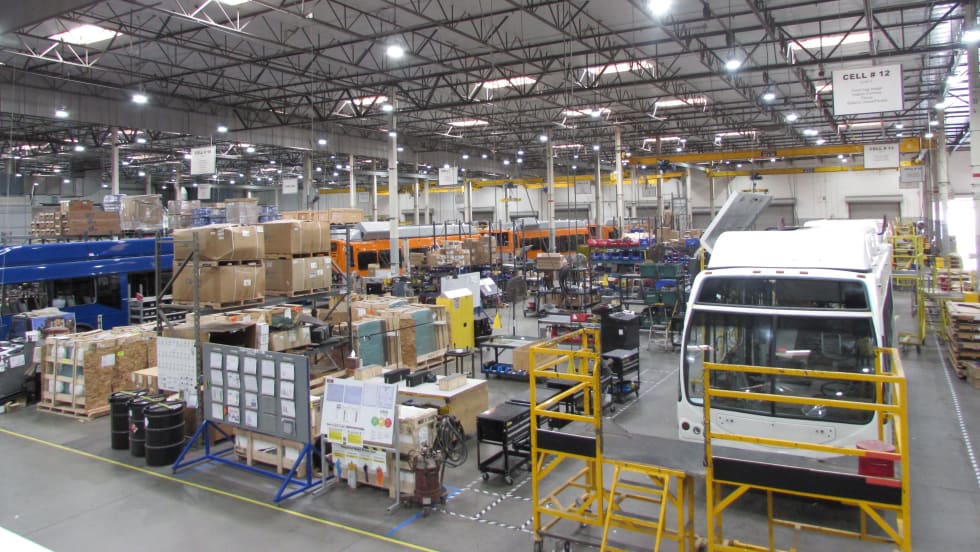
LA Metro Board Awards 220 Battery-Electric Bus Contract to ENC
The contract, which is the largest base award of battery-electric buses by a U.S. transit agency, will be built in Southern California, sustaining good jobs as LA prepares to welcome the world in 2028
Read More →
Public Transit Conference Returning to GFX in 2027, Call for Papers Now Open
The Call for Papers is now open, allowing transit agency professionals and industry experts to help shape the PTC educational program by submitting session ideas for consideration.
Read More →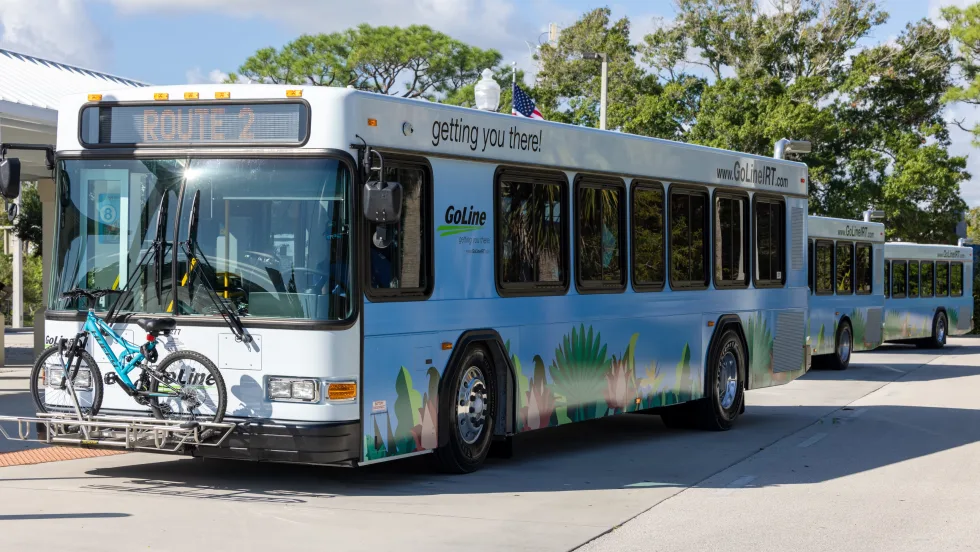
Indian River Transit’s Community-Focused Approach Earns National Recognition
Named APTA’s 2026 Outstanding Public Transportation System in its size category, Florida’s Indian River County transit system continues to grow ridership through fare-free service and a focus on evolving community needs.
Read More →
ENC Lands MATA Contract and More in Biz Briefs
In this edition of Biz Briefs, we spotlight the latest developments shaping the future of mobility.
Read More →
From Surviving to Thriving: Building Stronger Transportation Organizations
Bus Business Consultants founder Brian Dickson shares lessons on leadership, organizational health, and creating options for long-term success in a changing transportation industry.
Read More →
Everett Transit, Community Transit Outline Consolidation Agreement
The proposed agreement calls for a 50% increase in bus service in Everett, a new microtransit zone, continued paratransit service, and the transfer of Everett Transit operations to Community Transit.
Read More →
SEPTA Details Accelerate Vision for Transit System
The plan outlines investments in trolley modernization, new Metro and Regional Rail vehicles, accessible stations, and more frequent bus and rail service.
Read More →
Report: Transit Bus Manufacturing Supports 34,100 Jobs, $5.1B in GDP
The “Buses Mean Business” report examines the transit bus manufacturing industry’s economic footprint, supply chain, and rising demand for vehicle replacements.
Read More →