



APTA Annual Meeting: Question of the Day
What is your agency's biggest challenge and what are you doing to overcome it?

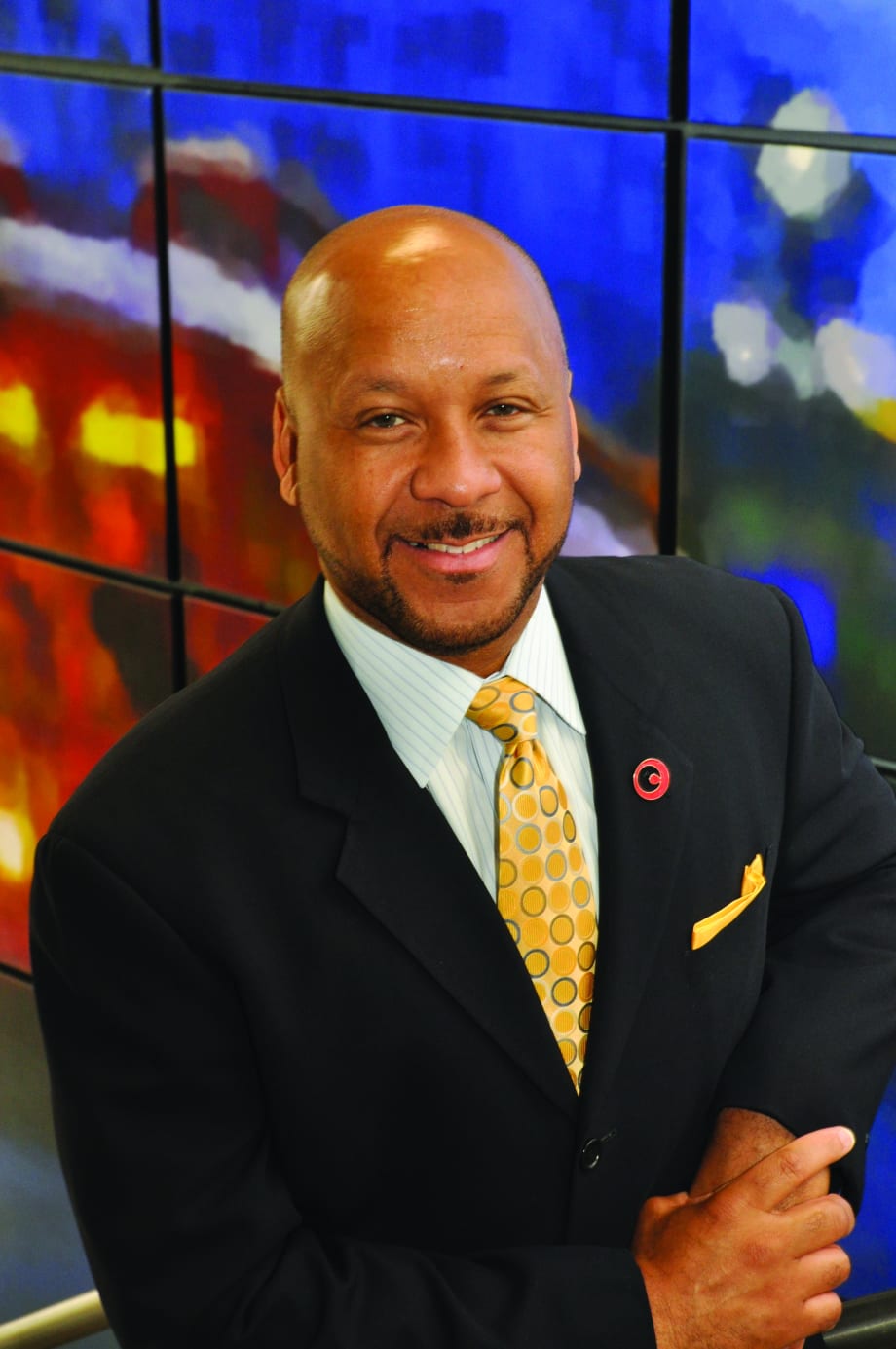
As part of APTA's Annual Meeting, METRO asked top executives what their biggest challenge is and what they are doing to overcome it. Here are their answers:
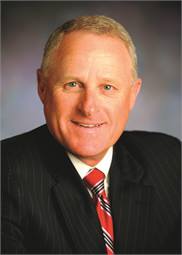
Rocky Burke
GM, Lextran, Lexington, Ky.
“Like most agencies, one of the biggest challenges in Lexington is our budget and the increasing cost of service. Our greatest source of revenue is a portion of the local property tax. We’ve been fortunate over the last few years that this hasn’t decreased as it has in some other areas of the country, though, it has not drastically increased, either. However, fuel costs have gone up, as have the costs of health insurance and paratransit service. We struggle as we attempt to balance these expenses, especially as other sources of funding are in decline. We are cutting costs by eliminating service that is unproductive, where we are only transporting a few passengers per hour.
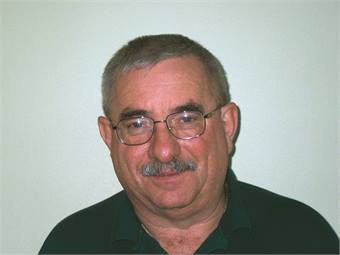
Mike Micko
Executive Director, Schuylkill Transportation System, Saint Clair, Pa.
“We have a hard time recruiting qualified drivers for our fixed-route program. We are working with local school districts to see if they would have some individuals who may be interested as some area districts have reduced their busing. During recent Union negotiations, the starting salary for fixed-route bus drivers was increased as an incentive to assist in recruitment. Another issue is the increasing cost of fuel and the attempt to consolidate services in the shared-ride program to reduce operating costs.”
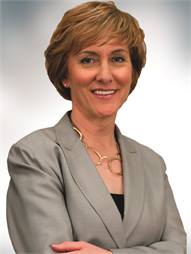
Joni Earl
CEO, Sound Transit, Seattle
“Addressing the ongoing revenue impacts from the recession as we plan for major light rail expansions approved by voters in 2008. The agency is working closely with the board to set clear priorities, control project(s) scope and maintain tight fiscal management to deliver projects in a timely manner.”
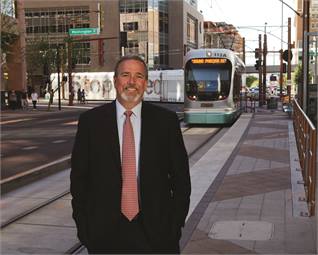
Steve Banta
CEO, Valley Metro, Phoenix
“We are formerly two agencies coming together as one regional transit agency. This integration presents the opportunity to streamline processes, improve connectivity among modes and position ourselves to expand our Total Transit Network.”

Gary Thomas
President/Executive Director, Dallas Area Rapid Transit (DART), Dallas
“The demand for transit service continues growing not only within our service area but in the cities outside of it. We are continuing an aggressive expansion program as we provide even more service to more people and places. Funding to support the expansion and ongoing operations is always a priority, so we need to keep working with Congress on a permanent funding solution.”
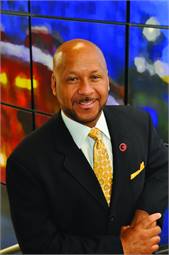
Justin Augustine VP, Veolia, New Orleans Regional Transit Authority
“Overcoming this hurricane that hit us recently. We are building a new streetcar expansion, and one of the things we have to do is stay within the timeframe and budget that was set, in the midst of having a breakage of schedule due to the hurricane. We have to make this time up. We received funding from the federal government through the TIGER I program and we are one of the first ARRA programs out of the box. We were shovel ready. Our project is under construction, and we just have to stay on schedule and on budget.”
More Bus

New York MTA Plans Largest Bus Fleet Upgrade in More Than a Decade
The agency is seeking manufacturers for 650 new CNG buses to replace aging vehicles, improve reliability, and advance its broader fleet modernization strategy.
Read More →
Building a Flexible Path to Transit Electrification
John Hroncich discusses BAE Systems’ modular and scalable approach, lessons learned from decades of real-world operations, and how agencies can identify electrification strategies that fit their fleets.
Read More →
Bus Tech Talk: Keeping Transit Technicians Ahead of the Technology Curve
LA Metro’s Obed Mejia discusses technician training, evolving maintenance technology, fleet replacement, and strategies for getting the most out of today’s transit fleets.
Read More →
Biz Briefs: RIPTA Unveils New Frontrunners, Clevland RTA Adds New Siemens, and More
In METRO's latest installment, we take a look at recent news from Siemens, Prevost, Dodge, and more partnerships making headlines across the transportation sector.
Read More →
People Movement: Holly Arnold Joins Transdev and More
In this edition, we also cover recent appointments and announcements at Pace, CamTran, MCI, and more, showcasing the individuals helping to shape the future of transportation.
Read More →
The High Cost of Transit Buses: Industry Leaders Look to Procurement Reform
Transit leaders and policymakers examine how standardized bus designs, streamlined procurement, and predictable funding could help agencies stretch budgets and deliver better service.
Read More →
The Business Voice Behind Public Transportation
As chair of APTA’s Business Members Board of Governors, Ray Melleady explains how more than 850 business members are partnering with transit agencies to advance funding, innovation, and industry-wide collaboration.
Read More →
From Surviving to Thriving: Building Stronger Transportation Organizations
Bus Business Consultants founder Brian Dickson shares lessons on leadership, organizational health, and creating options for long-term success in a changing transportation industry.
Read More →
Finding the ‘Happy Medium’: Optimizing Maintenance Without Sacrificing Reliability
The key to maintenance optimization isn’t doing less work—it’s doing the right work at the right time on the right assets.
Read More →
LA Metro, City of West Hollywood, and Partners Advance Smarter Bus Lane Enforcement
The award-winning partnership combines AI-powered detection with human oversight to improve bus reliability, accessibility, and enforcement efficiency.
Read More →