



N.Y. MTA brings back limited rail, subway service
Long Island Rail Road and Metro-North Railroad are back in operation in some areas. Thousands of MTA workers are still out across the entire 5,000 square mile service region inspecting and repairing the damage caused by Hurricane Sandy.

Gov. Andrew M. Cuomo announced that beginning Wednesday, both Long Island Rail Road and Metro-North Railroad will provide limited service on part of their respective networks.
The Governor also announced that beginning Thursday morning, there will be limited subway service on several routes, supplemented by a bus shuttle between Downtown Brooklyn and Midtown. There will be no subway service between 34th St. in Midtown and Downtown Brooklyn. Early Wednesday, local, limited-stop and express bus service began operating as close to a normal weekday schedule as possible. As was the case on Tuesday, bus service will operate on a fare-free basis on Wednesday. Access-A-Ride also began limited service, and is accepting reservations for travel after noon Thursday.
All of the bridges operated by MTA Bridges & Tunnels are open to traffic. The Hugh L. Carey and Queens Midtown Tunnels remain closed after suffering extensive flooding.
While both limited rail and subway service is being restored on a line by line and branch by branch basis, the work to restore full service on the commuter rail and subway network is ongoing. Thousands of MTA workers are still out across the entire 5,000 square mile MTA service region inspecting and repairing the damage caused the massively destructive storm of historic proportions.
Metro-North Railroad is working to regain electric power and clear debris from on the Hudson Line and east to New Haven on the New Haven Line. The Long Island Rail Road continues to remove debris and make repairs to its West Side Yard and clear flooding in two East River tunnels.
Both railroads spent the better part of Tuesday removing downed power lines and trees along the right of way, in addition to removing mud and other debris that washed up on to the tracks, including pleasure boats that washed ashore near the Ossining Station on the Hudson Line and the Island Park Station on the Long Beach branch.
Bridges and Tunnels suffered major damage with flooding of the Hugh L. Carey Tunnel from end to end and the Queens Midtown Tunnel also took on water. Damage is extremely heavy in downtown Manhattan where several subway lines converge. The South Ferry station was filled track to ceiling with water as were several of the subway tunnels. Water remediation work is continuing in several underwater tunnels.
It is still too early to say how long it will take to restore the system to full service. This is will be an exhaustive, time-consuming process with one goal: to restore safe and efficient service to 8.5 million daily MTA customers. It must be noted, however, that this process could have taken much longer had MTA not taken the pre-emptive measure of suspending all service to safeguard its equipment and prepare facilities to the best of its ability.
More Rail
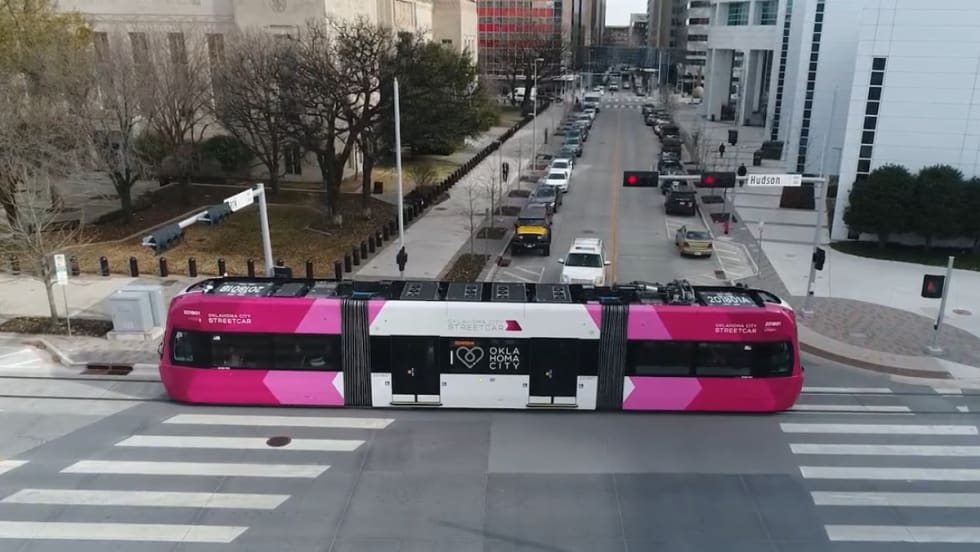
OKC Streetcar Makes Zero-Fare Service Permanent
Ridership increased an average of 71% compared with the same period a year earlier during the fare-free pilot.
Read More →
DART Customer Satisfaction Reaches Six-Year High
Overall satisfaction rose to 74.9%, while the agency’s Net Promoter Score reached a record 33.7.
Read More →
How DART's GoPass Is Redefining Regional Mobility
Serving 14 transit agencies, GoPass simplifies multimodal travel by allowing riders to plan, pay for, and manage an entire trip through one app.
Read More →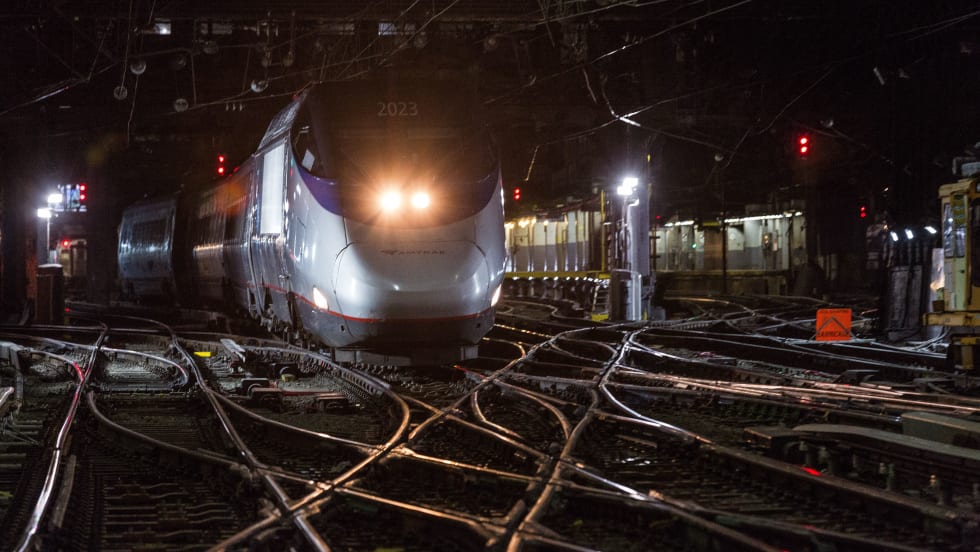
Amtrak Board Advances Plan to Restructure Organization, Seeks Public Input
The proposal, developed by Amtrak management and approved by the board for further consideration, is intended to modernize the organization's structure while improving accountability, operational efficiency, and customer service.
Read More →
Biz Briefs: STV teams with Amtrak, Motorcoach Operators Boost Fleet and Land Contracts, and More
From manufacturers and suppliers to transit agencies and motorcoach operators, these updates offer a snapshot of the projects, partnerships and business moves driving the industry forward.
Read More →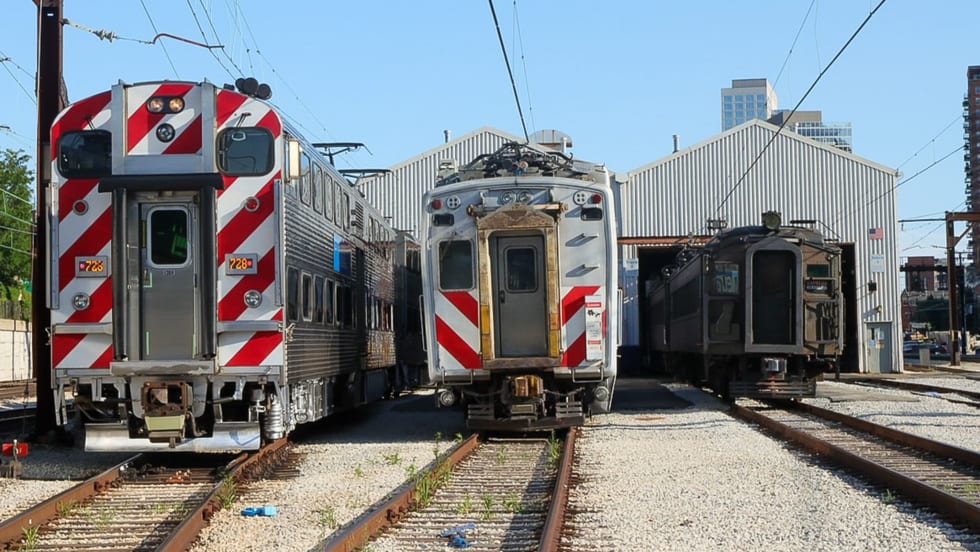
Metra Celebrates 100 Years of Electric Rail, Looks to the Future
The event was also a celebration of recent reforms to public transportation in the Chicago area, changes that could be as transformative in the future as the major civic achievement a century ago, said officials.
Read More →
LA Metro Marks Banner Year, Sets Ambitious Goals for New Fiscal Year
Incoming LA Metro Board Chair and Los Angeles Mayor Karen Bass joined outgoing Board Chair Fernando Dutra and LA Metro CEO Stephanie Wiggins to review accomplishments from fiscal year 2026, which included the opening of new rail extensions, advancement of major transit projects, expanded safety programs, and new rider amenities.
Read More →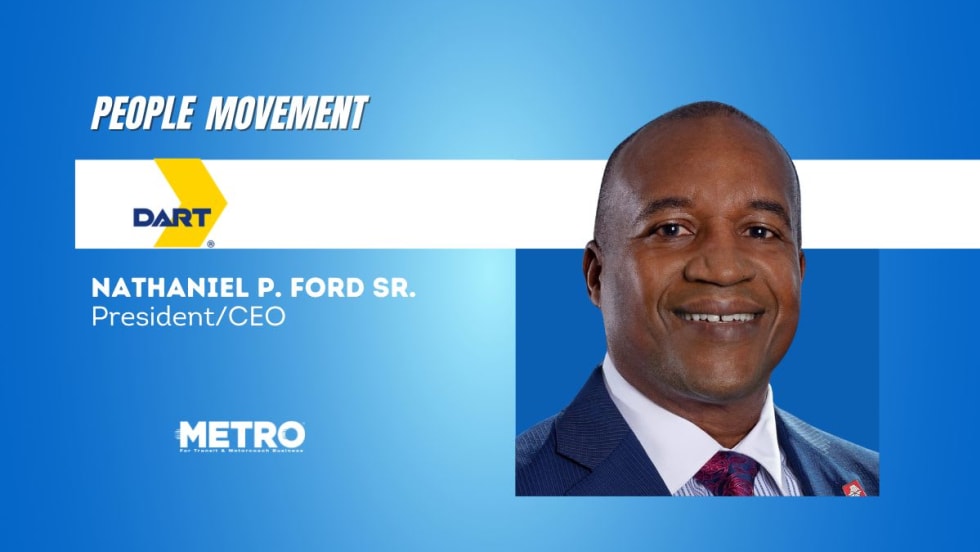
DART Taps Nathaniel P. Ford Sr. as Next President/CEO
Since 2012, Ford has served as the CEO of the Jacksonville Transportation Authority
Read More →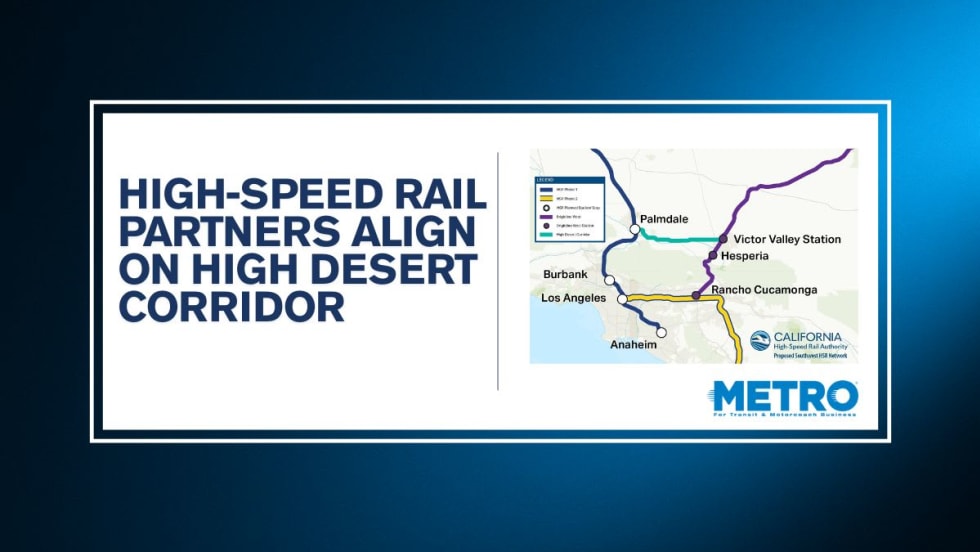
California High-Speed Rail Authority Signs MOU to Advance High Desert Corridor
The agreement deepens collaboration between the California High-Speed Rail Authority and the High Desert Corridor Joint Powers Agency, supporting design integration, cost savings, and faster delivery of a key Southern California rail link.
Read More →
Building the Next Generation of Transit Technology
In this edition of METROspectives, Luminator CEO Magnus Friberg discusses the company's transformation, the growing role of AI and software, and what's next for transit technology.
Read More →